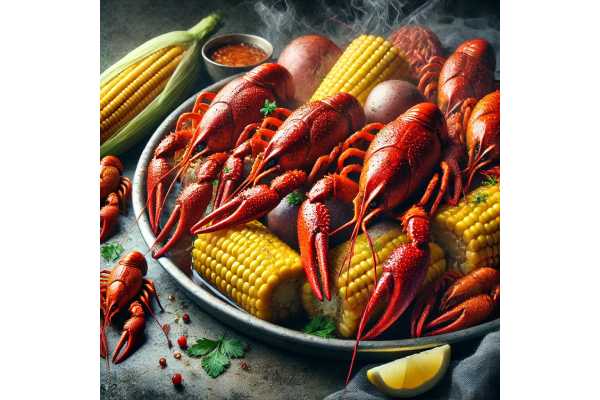
Crawfish—also called crayfish or crawdads—are small freshwater crustaceans with sweet, delicate meat cherished in Louisiana boils and home kitchens alike. Lean and protein-rich, crawfish supply vitamin B12, selenium, and other micronutrients with very modest fat and calories. Their flavor is mild enough for weeknight tacos yet sturdy in gumbo, étouffée, and pasta. Because most edible yield comes from the tail, portions are easy to measure, and quick cooking keeps prep straightforward. Sustainability is a plus: much U.S. crawfish is pond-raised, often in rotation with rice, which can support resilient local food systems. Still, smart handling matters—keep them cold, purge and clean properly, and cook fully. This guide walks you through the benefits, a rigorous per-100-gram nutrition profile with % Daily Values, real-world safety notes (from allergy to raw-consumption risks), and practical buying, storage, and cooking methods that retain nutrients without sacrificing flavor.
Quick Overview
- High-protein, low-fat shellfish; a typical cooked serving is 100–120 g, enjoyed 1–2 times weekly within a varied seafood pattern.
- Notable for vitamin B12 and selenium; contributes some omega-3s with few calories.
- Shellfish is a common allergen; avoid if you have a known finfish or shellfish allergy unless cleared by an allergist.
- Choose fully cooked crawfish; avoid raw or undercooked preparations to prevent parasitic illness.
- People who are or may become pregnant and young children should pick lower-mercury seafood and follow local advisories for self-caught crawfish.
Table of Contents
- Crawfish Basics and Uses
- Crawfish Nutrition Profile
- Evidence-Backed Benefits
- Risks, Allergies and Interactions
- Selection, Sustainability and Storage
- Cooking and Nutrient Retention
- Portions, Comparisons and FAQs
Crawfish Basics and Uses
Crawfish are freshwater crustaceans related to lobster and shrimp. In markets you will see them sold live (for boils) or as peeled, cooked tail meat (for quick recipes). Naming varies by region—“crawfish,” “crayfish,” and “crawdads” all refer to the same animals. Culinary traditions center on the tail, which has a mild, slightly sweet flavor and tender texture. The “fat” or “mustard” (hepatopancreas) inside the head adds rich, briny notes to sauces but can also concentrate off-flavors and environmental residues; many cooks enjoy it in boils, while others discard it for a cleaner profile.
Why cooks like crawfish:
- Flavor and versatility: Tail meat loves garlic, lemon, paprika, cayenne, thyme, parsley, and scallions. It works in étouffée, bisque, gumbo, jambalaya, po’boys, salads, tacos, fried rice, and creamy or tomato-based pastas.
- Speed: Tail meat reheats in minutes; overcooking makes it rubbery, so fast methods (sautéing, stirring into hot sauces off heat) keep it tender.
- Nutrition: Lean protein with B-vitamins and selenium; naturally low in carbohydrates and sugar. Sodium is low in the meat itself, though seasoning mixes can add a lot—something you can control at home.
Yield and buying notes:
- From live crawfish, edible yield is mostly tail meat—roughly 15–20% by weight after cooking and peeling, varying with size and season.
- For weeknight cooking, pre-peeled frozen tail meat (often labeled “Louisiana crawfish tail meat”) is convenient; seek products with minimal added ingredients.
Storage and handling:
- Live crawfish should be cooked the day they’re purchased; keep cool and moist (not submerged).
- Tail meat should be kept at ≤4 °C (≤40 °F) and used within the date on the package, or frozen promptly for longer storage.
Crawfish fit many dietary patterns—Mediterranean-style, high-protein, and lower-calorie menus—because they deliver satisfying protein with little fat. Pair with vegetables and intact grains or legumes for balanced plates that add fiber, minerals, and slow-release energy.
Crawfish Nutrition Profile
How to use this section: Values below reflect cooked, peeled crawfish tail meat (moist heat), per 100 g. Actual composition varies by species, season, and processing brine. Cooking concentrates many nutrients compared with raw. %DV uses current U.S. Daily Values for adults and children ≥4 years.
Macros and Electrolytes (per 100 g)
| Nutrient | Amount | %DV |
|---|---|---|
| Energy | ~77–95 kcal | — |
| Protein | ~15.0–19.0 g | 30–38% |
| Total Fat | ~1.0–2.0 g | 1–3% |
| Saturated Fat | ~0.2–0.4 g | 1–2% |
| Carbohydrates | 0 g | 0% |
| Dietary Fiber | 0 g | 0% |
| Total Sugars | 0 g | — |
| Sodium | ~70–120 mg | 3–5% |
| Potassium | ~250–320 mg | 5–7% |
| Cholesterol | ~100–130 mg | — |
Interpretation: Crawfish is lean and protein-dense. The meat itself is modest in sodium; most sodium comes from spice mixes and boil liquids.
Fats and Fatty Acids (per 100 g)
| Component | Amount | %DV |
|---|---|---|
| Omega-3 EPA+DHA | ~0.15–0.30 g | — |
| Monounsaturated Fat | ~0.2–0.6 g | — |
| Polyunsaturated Fat (total) | ~0.3–0.8 g | — |
| Omega-6 (n-6) | ~0.05–0.20 g | — |
| Trans Fat | 0 g | — |
Takeaway: Crawfish adds some marine omega-3s, but less than oily fish (e.g., salmon, sardines). Rotate species to meet weekly omega-3 goals.
Protein and Amino Acids (per 100 g)
| Metric | Value |
|---|---|
| Complete Protein (all indispensable amino acids) | Yes |
| Digestibility | High (typical of crustacean muscle) |
Why it matters: High-quality protein aids satiety, lean mass maintenance, and recovery after exercise or illness.
Vitamins (per 100 g)
| Vitamin | Amount | %DV |
|---|---|---|
| Vitamin B12 (cobalamin) | ~1.5–3.0 µg | 63–125% |
| Niacin (B3) | ~2.0–3.5 mg | 13–22% |
| Vitamin B6 (pyridoxine) | ~0.20–0.30 mg | 12–18% |
| Riboflavin (B2) | ~0.10–0.20 mg | 8–15% |
| Vitamin E (alpha-tocopherol) | ~0.5–1.0 mg | 3–7% |
| Vitamin A (RAE) | ~15–30 µg | 2–3% |
| Vitamin D | variable/low in freshwater species | — |
Note: Lean freshwater crustaceans are not dependable vitamin D sources; include other foods or safe sun exposure per medical guidance.
Minerals (per 100 g)
| Mineral | Amount | %DV |
|---|---|---|
| Selenium | ~30–40 µg | 55–73% |
| Phosphorus | ~180–240 mg | 14–19% |
| Zinc | ~1.0–1.6 mg | 9–15% |
| Magnesium | ~25–35 mg | 6–8% |
| Iron | ~0.8–1.3 mg | 4–7% |
| Calcium | ~30–60 mg | 2–5% |
| Copper | ~0.10–0.20 mg | 11–22% |
Selenium spotlight: Selenium supports antioxidant enzymes (glutathione peroxidases) and thyroid hormone metabolism.
Allergens and Intolerance Markers
- Crustacean shellfish allergen: Tropomyosin is the major heat-stable allergen in crawfish and other crustaceans. Cross-reactivity with shrimp, crab, and lobster is common.
- Histamine risk: Spoilage can elevate histamine; rapid chilling and prompt cooking reduce this risk.
Contaminants and Residues
- Mercury: Crawfish generally fall in the lower-mercury category among seafood choices.
- Local residues: Freshwater bodies may carry legacy contaminants (e.g., certain pesticides/PCBs). Heed local advisories for self-caught crawfish and avoid consuming boil liquids as “broth” if advisories recommend limiting exposure.
- Hepatopancreas (“mustard”): Can concentrate off-flavors and residues; if you want the cleanest taste, discard or use sparingly.
Footnote: Values represent typical ranges for cooked crawfish tail meat from U.S. datasets and academic analyses; brining and spice mixes can raise sodium substantially.
Evidence-Backed Benefits
1) High-quality protein with low calories.
Per 100 g, crawfish offers roughly 15–19 g of complete protein for ~77–95 kcal. That protein-to-calorie ratio helps with satiety and supports muscle protein synthesis when combined with resistance activity. Because crawfish is very lean, you can build filling meals around it while keeping added fats measured.
2) Micronutrient support—especially vitamin B12 and selenium.
Crawfish routinely supplies a meaningful share of daily B12 (often more than half of the Daily Value) and selenium (frequently over half the DV), both tied to red blood cell formation, neurological function, antioxidant defenses, and thyroid health. Phosphorus, zinc, and magnesium also contribute to bone health, immune function, and energy metabolism.
3) Seafood pattern benefits without heavy oils.
Regular seafood intake—about two servings weekly—tracks with better cardiometabolic outcomes in dietary patterns emphasizing variety and minimally processed foods. While crawfish contains less omega-3 than salmon, rotating it with other seafood helps meet guideline targets while maintaining culinary variety. Its gentle flavor also introduces seafood to hesitant eaters who may avoid stronger fish.
4) Practical for lower-sodium or diabetes-friendly cooking.
The meat itself is naturally low in sodium and contains no carbohydrates. By preparing crawfish with fresh aromatics, citrus, and spices—and by controlling how much seasoning blend you use in boils—you can keep sodium in check. Paired with non-starchy vegetables and intact grains, crawfish comfortably fits into diabetes-friendly menus focused on balanced plates and glycemic control.
5) Meal prep flexibility and waste reduction.
Cooked tail meat can be portioned and frozen in small bags. This reduces food waste and enables quick, protein-forward meals—like folding 100–120 g into a skillet of sautéed vegetables and herbs in under ten minutes. Because crawfish reheats fast, it is less prone to overcooking when added at the end of cooking.
6) Family-friendly texture and taste.
Compared with some fish, crawfish’s texture is more uniform and less flaky, which many kids prefer. Using chilled tail meat in tacos, corn tortillas, or rice bowls introduces seafood in familiar formats that encourage acceptance.
7) Nutrient density for weight-conscious eaters.
If you are managing weight, crawfish can anchor low-energy, high-protein meals. Combine with high-volume vegetables (e.g., peppers, zucchini, leafy greens) and a measured amount of whole grains for balance.
Risks, Allergies and Interactions
Shellfish allergy (crustacean).
Crawfish belongs to the crustacean group, which is one of the most common serious food allergies. Tropomyosin, a heat-stable protein, can trigger reactions ranging from hives to anaphylaxis. Cross-reactivity with shrimp, crab, and lobster is frequent; many clinicians advise avoiding all crustaceans if you are allergic to one, unless individualized testing and supervised challenges indicate otherwise. Dining out? Cross-contact risks rise with shared fryers, grills, or utensils—even when ordering non-seafood items.
Raw or undercooked crawfish.
Eating raw or undercooked crawfish can transmit Paragonimus (lung fluke), causing paragonimiasis, which primarily affects the lungs but can involve the central nervous system. Always cook crawfish thoroughly; do not prepare “ceviche-style” dishes with raw freshwater crawfish.
Microbial and handling risks.
As with all seafood, time-temperature control matters. Keep crawfish at ≤4 °C (≤40 °F), avoid cross-contamination, and refrigerate leftovers within 2 hours. Boil spices and sausage add flavor but not safety—don’t rely on seasoning to compensate for poor handling.
Mercury and environmental residues.
Crawfish are generally lower in mercury than long-lived predatory fish, but local waters may have advisories for specific contaminants. If harvesting your own, consult regional advisories and consider discarding the hepatopancreas if an advisory suggests limiting exposure to fat-soluble residues.
Sodium from seasonings.
Commercial boil mixes can raise sodium dramatically. You can customize blends (e.g., garlic, citrus, pepper, bay, herbs) and salt late to taste. If you are on a sodium-restricted diet, keep the boil well-seasoned with aromatics but use measured salt and avoid drinking the seasoned boil liquid.
Gout and purines.
Crawfish and other shellfish contain moderate purine levels. If you have gout or high uric acid, work with your clinician and dietitian to determine personalized limits, emphasizing overall dietary pattern, hydration, and weight management.
Medication considerations.
- Normal portions of seafood are generally safe with anticoagulants; the interaction concern is high-dose omega-3 supplements, not food-level intake.
- If you take antihypertensives, focusing on the meat (naturally low sodium) and limiting salty boil liquids supports blood pressure goals.
Selection, Sustainability and Storage
How to buy
- Live crawfish (for boils): Choose lively animals that react to touch, with firm shells and a clean, freshwater smell. Avoid individuals with cracked shells or a strong, muddy odor. Transport cool and moist—never submerged.
- Peeled tail meat (fresh or frozen): Look for “crawfish tail meat” with short ingredient lists. Avoid products with excessive brine or added phosphates unless labeled and desired. Meat should be translucent, not mushy, with a sweet aroma.
Sustainability snapshot
- Pond-raised systems: In the U.S., much crawfish comes from integrated rice–crawfish rotations. These systems can provide habitat value, diversify farm income, and often rely on natural feed sources (detritus), which reduces external inputs.
- Wild harvest: When available, observe local seasons and size limits to support population health.
- What consumers can do: Prefer regional producers with transparent handling and cold-chain practices; store and cook promptly to reduce waste.
Storage and shelf life
- Live crawfish: Cook the day you buy them. Keep cool (ideally 2–4 °C / 36–40 °F) in a ventilated cooler with ice packs above, burlap or damp towels over the top, and drainage so they do not sit in water.
- Cooked tail meat: Refrigerate at ≤4 °C (≤40 °F) and use within 2–3 days.
- Freezing: Portion cooked tail meat into airtight bags (remove air) and freeze up to 3 months for best quality. Label with date and net weight.
- Thawing: Defrost overnight in the refrigerator or under cold running water in a sealed bag. Never thaw at room temperature.
Quality cues in the kitchen
- Properly cooked crawfish turn bright red, and tail meat becomes opaque and firm yet tender. Overcooked meat shrinks and toughens. If peeling from live boils, a curled tail is common in cooked, lively animals, though not a perfect freshness test.
Avoiding off-flavors
- Rinse cooked tail meat briefly and drain well before adding to recipes. If you prefer a cleaner flavor or have concerns about local residues, avoid mixing the head contents (hepatopancreas) into sauces.
Cooking and Nutrient Retention
Goal: Keep meat tender, preserve B-vitamins and minerals, and minimize unnecessary sodium and fat.
Boiling live crawfish (classic method)
- Bring a large pot of water to a rolling boil with aromatics (garlic, onion, celery, lemon), herbs (bay, thyme), and measured seasoning. Start with less salt than you think; you can add more after tasting.
- Add potatoes and corn first if using; they need more time.
- Add live, purged crawfish; return to a boil and cook 3–5 minutes after the water returns to a simmer (size-dependent).
- Cut heat and let steep 10–15 minutes off the boil to absorb flavor. Drain promptly to prevent oversalting; discard liquid if following local contaminant advisories.
Sautéed tail meat (for étouffée, pasta, tacos)
- Sweat aromatics in a teaspoon or two of oil or butter. Add spices and tomato paste or roux if using. Fold in thawed, drained tail meat just long enough to warm through—usually 1–2 minutes. Overcooking makes it rubbery and can drive moisture (and water-soluble vitamins) out of the meat.
Poaching for salads and light dishes
- Simmer a court bouillon (lemon, peppercorns, bay, herbs). Poach tail meat gently for 1–2 minutes, then shock briefly in ice water to halt cooking. This yields tender meat with minimal added fat and sodium.
Air-fryer or oven “roast”
- Toss tail meat with a little oil, paprika, garlic powder, and black pepper. Spread in a single layer and heat at 200 °C (400 °F) for 3–5 minutes. This method concentrates flavor and keeps fat minimal.
Retention tips
- Time and temperature: The shorter the high-heat exposure, the better the retention of water-soluble vitamins like B6 and B12.
- Sodium control: Season the cooking liquid with aromatics and herbs; salt to taste at the end. Avoid drinking boil liquid if sodium or contaminants are a concern.
- Flavor without excess fat: Bloom spices in a small amount of oil, then thin with stock, vegetable purée, or tomato to create a rich-tasting base with fewer calories.
Simple 15-minute crawfish étouffée (serves 4)
- Sauté 1 small onion, 1 bell pepper, and 2 celery stalks finely diced in 1–2 tbsp oil until soft. Stir in 1 tbsp flour and 1 tbsp tomato paste; cook 1 minute. Add 300 ml low-sodium stock, 1 tsp paprika, ¼ tsp cayenne, and black pepper; simmer 3–4 minutes to thicken. Fold in 450 g cooked tail meat, 1 tbsp lemon juice, and chopped parsley. Heat just to steaming. Serve over brown rice.
Food-safe internal temperature
- Heat seafood to 63 °C (145 °F). With small tail pieces, visual cues (opaque, firm) plus a quick thermometer check at the center are ideal.
Portions, Comparisons and FAQs
Typical portion and frequency
- Adults: 100–120 g cooked tail meat (about 3.5–4.5 oz) per serving, within two seafood meals per week as part of a varied diet.
- Children: Scale serving sizes by age (roughly 28–85 g cooked). For self-caught crawfish, follow local advisories.
How crawfish compares to other seafood
- Versus shrimp: Similar leanness and protein; flavor is sweeter and a touch earthier. Allergen cross-reactivity is common due to shared tropomyosin.
- Versus salmon: Salmon has far higher omega-3s and vitamin D but more fat and calories per 100 g. Crawfish is better for ultra-lean protein needs.
- Versus crab: Comparable protein; crab often has slightly higher sodium depending on processing.
- Versus white fish: Crawfish offers shellfish sweetness and firmer bite; white fish may provide larger fillets and different cooking options.
Budget and prep tips
- Buy frozen tail meat in bulk, then thaw only what you need.
- Save shells for a quick stock; simmer with onion, celery, carrot, bay, peppercorns, and a strip of lemon zest for 30–40 minutes. Strain and freeze in ice-cube trays.
- Stretch portions by pairing 100 g tail meat with beans or lentils and plenty of vegetables.
FAQs
Is crawfish healthy?
Yes, when cooked properly and eaten as part of a balanced diet. It is a lean protein with B12, selenium, and useful minerals.
Is crawfish low in mercury?
Generally, yes. Still, follow local consumption advisories for self-caught crawfish and vary the seafood you eat across the week.
Can I eat crawfish while pregnant?
Choose fully cooked crawfish from safe sources and keep portions within the weekly seafood amounts recommended for those who are or may become pregnant. For self-caught crawfish, check local advisories.
How do I lower sodium in a boil?
Rely on aromatics and spices for flavor, salt modestly, and drain promptly. Avoid sipping the seasoned boil liquid, which concentrates salt.
What part should I avoid if I am concerned about residues?
Discard the hepatopancreas (“mustard”) and focus on tail meat.
How long do leftovers keep?
Up to 3 days refrigerated; for best quality, freeze cooked tail meat up to 3 months.
References
- Advice about Eating Fish 2024 (Guideline)
- The Dietary Guidelines for Americans, 2020-2025 2020 (Guideline)
- About Paragonimiasis 2024 (Public Health Resource)
- Diagnosis and management of shrimp allergy 2024 (Review)
- Advances in Shellfish Allergy Therapy 2025 (Review)
Disclaimer
This guide provides general nutrition and safety information and is not a substitute for personalized medical advice, diagnosis, or treatment. Seafood choices and serving sizes should reflect your health status, medications, and local advisories. If you are pregnant, breastfeeding, planning pregnancy, managing a medical condition (including food allergies or gout), or taking prescription drugs, consult your healthcare professional before making significant dietary changes.
If this article helped you, please consider sharing it on Facebook, X, or your preferred platform to support our continued work creating clear, evidence-based resources.