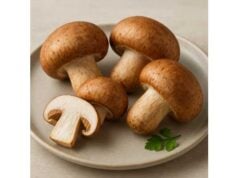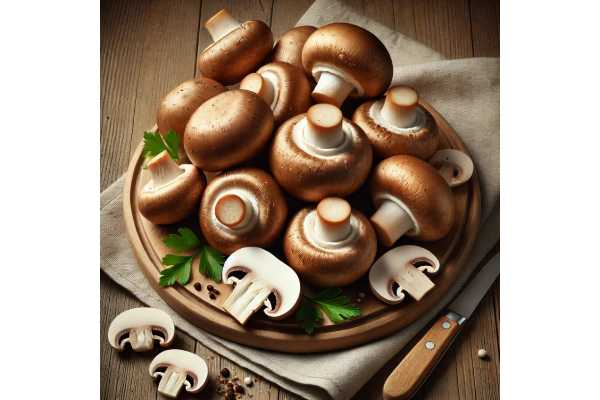
Cremini mushrooms—also called baby bellas or brown mushrooms—are the mid-maturity stage of Agaricus bisporus, picked after white buttons and before fully mature portabellas. That timing gives them a deeper color, a firmer bite, and a rounder, savory flavor that holds up well to heat. In the pan they brown reliably, concentrate into meaty, umami-rich bites, and welcome the company of herbs, garlic, wine, and butter. Nutrition-wise, cremini are low in calories and fat, provide potassium, copper, selenium, and B-vitamins, and can contribute vitamin D2 when UV-treated. They also supply the fungal antioxidants ergothioneine and glutathione. Because they’re cultivated year-round on controlled substrates, cremini offer consistent quality and safety—provided you store and cook them well. This guide focuses on what matters most for everyday cooks: how cremini compare with white and portabella mushrooms, the strongest evidence behind their benefits, how to select and keep them fresh, the techniques that maximize flavor and nutrient retention, and practical portions for different goals.
Fast Facts
- Delivers concentrated umami with ~22 kcal per 100 g; supports lower-salt, lower-calorie cooking.
- Provides riboflavin, niacin, pantothenic acid, potassium, copper, selenium; UV-treated packs add vitamin D2.
- Typical serving is 85–100 g cooked (about 1½ cups), 3–5 times weekly as part of mixed vegetables.
- Safety note: cook thoroughly; refrigerate promptly; trim and discard any slimy or sour pieces.
- People with mushroom allergies or on potassium-restricted diets should limit intake or seek guidance.
Table of Contents
- Detailed Overview
- Nutrition Profile
- Evidence-Based Health Benefits
- Risks, Allergies and Interactions
- Selecting, Quality, Sustainability and Storage
- Preparation, Cooking and Nutrient Retention
- Portions, Comparisons and FAQs
Detailed Overview
Cremini mushrooms are the brown, intermediate stage of Agaricus bisporus, the same species that yields white button mushrooms (harvested young) and portabellas (fully mature with open caps and exposed, dark gills). At the cremini stage, caps are tan to chestnut, often 3–6 cm across, with gills still mostly covered by a partial veil. This stage concentrates flavor precursors—free amino acids, organic acids, and nucleotides—so cremini taste more robust than white buttons but cook faster and more tenderly than portabellas.
From a culinary standpoint, cremini are weeknight workhorses. They brown readily because they carry a bit less moisture than white buttons, and their firmer structure keeps shape in sautés, sheet-pan dinners, stews, and pasta sauces. Slice them to maximize surface area when you want fast browning; quarter or halve them to retain juiciness for roasting and braising. Their umami pairs with thyme, rosemary, sage, oregano, and soy or miso; acids (lemon, sherry vinegar) and fats (olive oil, butter, cream) round out the savory base.
Cremini also adapt across cuisines: Italian (garlic, parsley, white wine), French (shallot, tarragon, crème fraîche), Japanese (soy, mirin), Mexican (ancho, cumin), and Middle Eastern (sumac, za’atar). They stand in for meat in tacos, Bolognese, and burgers when chopped finely, and they intensify broths and stocks when roasted first. Because they’re cultivated in controlled environments, cremini are widely available, relatively affordable, and consistent in safety compared with foraged mushrooms.
In the market, you’ll see “cremini,” “crimini,” and “baby bella” used interchangeably; the differences are branding rather than biology. Look for firm, dry caps with tight veils and minimal bruising. Refrigeration and airflow keep quality high; trapped moisture accelerates browning and spoilage. Finally, remember that simple technique wins: hot pan, space between pieces, salt late, and finish with a splash of acid for vivid flavor.
Nutrition Profile
Per 100 g raw cremini (typical values; UV-treated products labeled for vitamin D may differ). %DV for adults.
Macros & Electrolytes
| Nutrient | Amount | %DV |
|---|---|---|
| Energy | 22 kcal | — |
| Water | 92.5 g | — |
| Protein | 3.1 g | 6% |
| Total fat | 0.3 g | 0% |
| Carbohydrate | 3.3 g | — |
| Dietary fiber | 1.0 g | 4% |
| Total sugars | 2.0 g | — |
| Potassium | 318 mg | 7% |
| Sodium | 5 mg | 0% |
Carbohydrates
| Component | Amount | Notes |
|---|---|---|
| Starch | ~0 g | Fungi store little starch. |
| Trehalose/mannitol | ~0.5–1.5 g | Sugar alcohols common in mushrooms. |
| Net digestible carb | ~2–3 g | Low glycemic impact. |
Fats & Fatty Acids
| Component | Amount | Notes |
|---|---|---|
| Saturated fat | 0.05 g | Trace |
| Monounsaturated fat | 0.03 g | Trace |
| Polyunsaturated fat | 0.17 g | Trace linoleic, oleic acids |
| Cholesterol | 0 mg | — |
Protein & Amino Acids
| Component | Amount | Notes |
|---|---|---|
| Protein | 3.1 g | Modest; complements grains/legumes. |
| Notable amino acids | — | Glutamic acid and aspartic acid drive umami. |
Vitamins
| Vitamin | Amount | %DV |
|---|---|---|
| Riboflavin (B2) | 0.4 mg | 31% |
| Niacin (B3) | 3.6 mg | 23% |
| Pantothenic acid (B5) | 1.5 mg | 30% |
| Folate (DFE) | 17 µg | 4% |
| Vitamin D2 (UV-treated)* | 10–20 µg | 50–100% |
Minerals
| Mineral | Amount | %DV |
|---|---|---|
| Copper | 0.3 mg | 33% |
| Selenium | 9.3 µg | 17% |
| Phosphorus | 86 mg | 7% |
| Iron | 0.5 mg | 3% |
| Zinc | 0.5 mg | 5% |
Bioactives / Phytonutrients
| Compound | Typical presence | Why it matters |
|---|---|---|
| Ergothioneine | Present (species-dependent) | Unique sulfur antioxidant concentrated in fungi. |
| Glutathione | Present | Endogenous antioxidant; correlates with ergothioneine. |
| Phenolics | Present | Contribute to antioxidant capacity in vitro. |
| Ergosterol | Present | Converts to vitamin D2 with UV. |
Glycemic & Acid–Base Metrics
| Metric | Value | Interpretation |
|---|---|---|
| Glycemic load | Very low | Useful in low-GI meal design. |
| PRAL (acid load) | Slightly alkaline | Minimal impact on acid–base load. |
*UV-treated packs are explicitly labeled; standard cremini provide little vitamin D unless exposed to UV during or after harvest.
Allergens & Intolerance Markers
| Item | Context |
|---|---|
| Fungal proteins | Rare true allergy; more common is intolerance when undercooked. |
| Sugar alcohols | May aggravate symptoms in very sensitive low-FODMAP eaters at large portions. |
Contaminants/Residues
Cultivated cremini are grown on pasteurized substrates with quality controls; metals and residues are typically low. Rinse briefly to remove casing particles; do not soak.
Evidence-Based Health Benefits
Low-calorie, high-satisfaction cooking. With about 22 kcal per 100 g and strong umami, cremini let you build deeply savory meals without heavy sauces or extra salt. When you brown them properly, their glutamates and nucleotides amplify other ingredients—helpful for reducing sodium and saturated fat across the plate while keeping “craveability.”
Meaningful B-vitamin support. Cremini regularly deliver around one-third of daily riboflavin and 20–30% of niacin and pantothenic acid per 100 g. Those B-vitamins underpin cellular energy production (redox reactions, coenzyme A synthesis) and support healthy skin and mucosa.
Minerals that matter. Potassium helps counterbalance sodium and supports normal blood pressure; copper participates in iron transport and connective tissue cross-linking; selenium feeds antioxidant enzymes like glutathione peroxidase. While single-serving contributions are modest, regular intake nudges daily totals upward.
Vitamin D potential when UV-treated. Producers can expose mushrooms to UV-B, converting ergosterol to vitamin D2. UV-treated cremini typically supply 10–20 µg (400–800 IU) per 100 g—an impactful boost for people with limited sun exposure or those following vegetarian or lactose-free patterns.
Fungal antioxidants unique to mushrooms. Ergothioneine and glutathione occur at meaningful levels in many cultivated mushrooms. These compounds contribute to cellular redox balance. Though clinical endpoints are still being clarified, diets rich in varied mushrooms add these otherwise rare nutrients.
Diet quality “swap” advantages. Finely chopped, roasted cremini can replace a portion of ground beef in sauces and tacos without sacrificing savoriness. Modeling research has shown that adding mushrooms to standard U.S. food patterns raises several shortfall nutrients while keeping calories stable—an approach you can implement at home with simple 50:50 blends.
Culinary versatility encourages vegetable intake. Because cremini slot into virtually any cuisine, they make it easier to cook vegetable-rich meals that feel complete—grain bowls, omelets, stir-fries, soups, and stews—supporting day-to-day adherence to healthier patterns.
A realistic lens on extracts. Laboratory studies on mushroom polysaccharides or phenolics are promising, but extracts don’t equal sautéed cremini on your plate. Treat cremini as nutritious, flavor-dense foods—not as supplements—and build benefits by eating them regularly within a varied diet.
Risks, Allergies and Interactions
Allergies and sensitivities. True mushroom allergy is uncommon but possible, presenting as oral itching, hives, or respiratory symptoms. More often, people experience gastrointestinal upset when mushrooms are undercooked or eaten in very large portions. Thorough cooking improves digestibility by softening chitin and altering proteins.
Food safety essentials. Buy firm, dry caps with no slime or strong odor. Refrigerate promptly (1–4 °C) in a breathable container. Avoid washing far in advance; moisture accelerates spoilage. Cook within 3–5 days. Leftovers should be cooled quickly and reheated to steaming hot.
Agaritine context. Agaricus species contain small amounts of agaritine, a hydrazine-related compound that decreases with storage and heat. Modern safety guidance is straightforward: do not eat Agaricus mushrooms raw in large quantities; cook them thoroughly and vary your diet. Normal culinary use within balanced, mixed meals is considered appropriate for the general population.
Sodium and blood pressure. Cremini themselves are low in sodium, but commercial marinated mushrooms can be salty. If you’re watching sodium, favor fresh mushrooms and season with acids, herbs, and measured salt.
Potassium-restricted diets. A 100 g serving provides ~318 mg potassium. People with chronic kidney disease on potassium-limited plans should count mushrooms within their daily totals and consult their care team.
Drug interactions. There are no well-documented drug–mushroom interactions at culinary doses. If using mushroom-based supplements or extracts, follow product-specific guidance and discuss with your clinician.
Who should be cautious.
- Individuals with known mushroom allergies.
- People on strict low-FODMAP plans (test tolerance with smaller portions).
- Those with compromised immune systems should handle and store foods with extra care; cooked, freshly prepared mushrooms are preferred over long-held deli items.
Myths to ignore. Darkened garlic, silver-spoon tests, or “smell checks” do not detect safety. Rely on proper storage, visible quality cues, and thorough cooking.
Selecting, Quality, Sustainability and Storage
How to choose better cremini
- Look: Caps should be uniformly brown with minimal blemishes; veils mostly intact (for juicier texture).
- Feel: Firm and dry, never slimy. A slight matte finish is ideal.
- Smell: Clean, mushroomy, faintly nutty—no sour or fishy notes.
- Size: Smaller caps brown faster; larger ones stay juicier. Choose based on recipe.
Sustainability notes
- Cultivated Agaricus uses agricultural by-products (straw, manure) in pasteurized compost, turning waste streams into food with relatively low land use.
- Because cremini are grown close to markets, transport footprints can be modest. Buy local when possible and minimize food waste by planning portions and proper storage.
Smart storage
- Refrigerate in the main compartment (not the crisper if humidity is high). Keep in the original vented carton or a paper bag; avoid sealed plastic that traps moisture.
- Do not wash until just before cooking. If pre-sliced, use within 24–48 hours.
- Shelf life: 3–5 days for whole cremini when kept dry and cool; 1–2 days once sliced.
- Freezing: Best after cooking. Sauté, cool, and freeze flat in portions. Raw freezing leads to spongy texture and weeping on thaw.
Reducing waste
- Trim sparingly; stems are flavorful.
- Roast any extra mushrooms and keep them as a ready “umami booster” for grains, eggs, and soups.
- Save and strain pan juices for deglazing or to enrich stocks.
Quality red flags
- Sliminess, dark wet spots, sour or ammonia odors, crushed gills, excessive condensation inside packaging—all signal declining quality. When in doubt, compost them.
Preparation, Cooking and Nutrient Retention
Prep basics
- Dry-clean first. Brush off debris with a towel or soft brush. If needed, quick rinse under cold water just before cooking; pat very dry.
- Uniform cuts. Slices (~6–8 mm) for fast browning; quarters/halves for roasting; fine chop for sauces, burgers, and taco fillings.
- Right pan, right heat. Use a wide skillet; preheat until hot. Add oil, then mushrooms in a single layer. Don’t crowd.
Brown like a pro
- Sear–then–season. Salt draws water. For deeper browning, let mushrooms sear 2–3 minutes undisturbed before salting and stirring.
- Add fat in stages. Mushrooms absorb oil readily; start small, then add a little more once they release juices.
- Deglaze wisely. A splash of dry wine, sherry, or stock pulls caramelized bits into the sauce. Finish with butter for gloss and mouthfeel.
Techniques and pairings
- Sheet-pan roast: Toss with oil, salt, pepper; roast at 220 °C / 425 °F for 15–20 minutes, flipping once. Add garlic and herbs in the last 5 minutes.
- Umami bombs: Combine with tomato paste, soy sauce, or miso; the glutamates and nucleotides stack for big flavor.
- Creamy formats: Fold sautéed cremini into risotto, stroganoff, or creamy polenta; finish with lemon to brighten.
- Plant-forward meats: Pulse raw cremini in a processor to a coarse mince; brown well and blend 50:50 with ground meat or beans for burgers and Bolognese.
Retaining nutrients
- B-vitamins & minerals: Keep cooking times short to moderate and capture fond and juices in the final dish.
- Vitamin D2 (UV-treated): Sautéing and baking retain much of the D2 when cooking is not prolonged.
- Fat management: Use heart-healthy oils; finish with a small amount of butter for flavor rather than cooking in large amounts.
Digestibility tips
- Cook thoroughly to tender; undercooked mushrooms can feel rubbery and be harder to digest.
- If sensitive to mushrooms, start with 50–75 g cooked portions and pair with acidic components (lemon, vinegar) and herbs.
Safety reminders
- Keep cooked mushrooms out of the temperature danger zone; refrigerate leftovers within 2 hours.
- Reheat to steaming hot; avoid multiple cool–reheat cycles.
Portions, Comparisons and FAQs
Practical portions
- Cooked serving: 85–100 g (about 1½ cups cooked slices).
- Raw to cooked yield: Expect 25–35% weight loss.
- Weekly cadence: 3–5 meals per week is common in vegetable-rich patterns.
Cremini vs. white vs. portabella
| Feature | Cremini (baby bella) | White button | Portabella |
|---|---|---|---|
| Stage | Mid-maturity | Young | Fully mature |
| Flavor | Deeper, earthier, more umami | Mild, clean | Bold, meaty, smoky |
| Texture | Firm, juicy | Tender, delicate | Dense, chewy |
| Best uses | Roasting, sautés, sauces, blends | Quick sautés, raw slices | Grilling, stuffing, burgers |
| Nutrition | Similar across stages; portabellas often slightly higher fiber due to maturity | Similar | Similar, slightly more fiber |
Common questions
Do I need to peel mushrooms?
No. The skins add flavor and color. A quick brush or rinse and thorough drying are sufficient.
Should I salt at the start or end?
Both work if you understand the trade-off. Early salting draws moisture (more steaming before browning). For maximal sear, salt after initial browning.
Are raw cremini safe in salads?
Occasional small amounts are fine for many people, but cooking improves digestibility and reduces heat-labile compounds. If you choose raw, slice thin and dress with acid and salt to soften.
Can I pressure-cook mushrooms?
Yes, but you’ll forfeit some browning and may drive off aroma. For stews, brown first, then pressure-cook in sauce.
How do I fix soggy mushrooms?
Use a wider pan, higher heat, and fewer pieces at once. Let moisture evaporate before stirring; finish with fat and acid.
How do I boost “meaty” depth without meat?
Roast cremini with tomato paste, soy or tamari, and a touch of balsamic; add the concentrated mix to soups, grains, and braises.
References
- A Review of Mushrooms as a Potential Source of Dietary Vitamin D 2018 (Systematic Review)
- Mushrooms: A rich source of the antioxidants ergothioneine and glutathione 2017
- Nutritional impact of adding a serving of mushrooms to USDA Food Patterns – a dietary modeling analysis 2021
- Edible wild mushrooms: Nutritional value, bioactive compounds, and health benefits 2022 (Review)
- FoodData Central 2019
Disclaimer
This guide is for general information only and is not a substitute for personalized medical advice, diagnosis, or treatment. If you have food allergies, chronic kidney disease, or specific nutrition needs, consult a qualified health professional for guidance about mushrooms in your diet. Always handle, store, and cook mushrooms safely, and discard any that show signs of spoilage.
If this article helped you, please consider sharing it on Facebook, X (formerly Twitter), or any platform you prefer. Your support helps us continue creating practical, evidence-informed food guides.