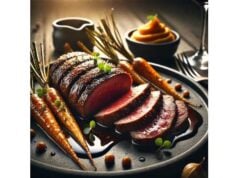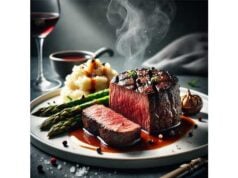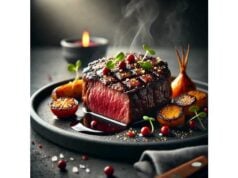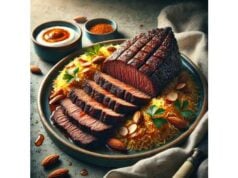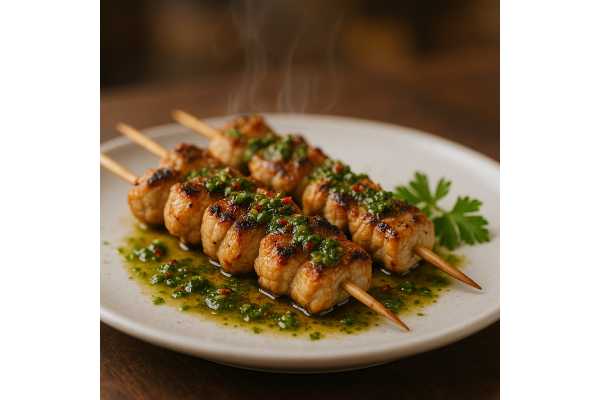
Crocodile meat sits in a curious space: exotic to many home cooks yet surprisingly familiar on the plate. It is a lean, pale meat with a delicate flavor often compared to a cross between chicken and firm white fish. Packed with complete protein and very little fat, crocodile can fit into high-protein, lower-fat eating patterns without sacrificing satisfaction. Farmed crocodile has entered mainstream supply chains in parts of Asia, Africa, and Australia, making it easier to source legally and sustainably than in decades past. In the kitchen it is versatile—quick-cooking cubes for stir-fries, tail fillets for grilling, or slow braises that soak up aromatics for curries. Like all reptile meats, it demands strict handling and thorough cooking for safety, but when treated well, it rewards with clean flavor and excellent texture. This guide walks you through what matters: how crocodile meat stacks up nutritionally, the evidence behind potential benefits, the real risks and how to manage them, and the best ways to buy, store, cook, and portion it with confidence.
Nutrition Snapshot
- Lean, high-protein meat: ~22–24 g protein and ~1–2 g fat per 100 g.
- Cook to 74 °C (165 °F) internal temperature to reduce pathogen and parasite risk.
- Typical serving: 100–120 g cooked, two to three times per week if desired.
- People who are pregnant, very young children, older adults, and immunocompromised should be extra cautious or avoid due to higher infection risk.
Table of Contents
- Crocodile Meat: Detailed Overview
- Crocodile Nutrition Profile (per 100 g)
- Evidence-Based Health Benefits
- Risks, Allergies and Interactions
- Selecting, Quality, Sustainability and Storage
- Preparation, Cooking and Nutrient Retention
- Portions, Comparisons and FAQs
Crocodile Meat: Detailed Overview
Crocodile meat comes primarily from farmed saltwater (Crocodylus porosus) and Nile crocodiles (Crocodylus niloticus). The prized cut is the tail, which is a long, firm muscle with fine grain, mild taste, and very low intramuscular fat. Body fillets and leg meat are also sold; they are slightly darker and can be marginally tougher, but perform well in stews, curries, and minced applications. The appeal for many eaters is the nutrition profile—high protein with minimal fat—coupled with a flavor that plays well with spices, citrus, and herbs.
From a culinary perspective, think of crocodile like extra-lean poultry or swordfish: it excels with fast, hot cooking that seals in juices (pan-searing, grilling, wok-frying) and with moist methods (gentle poaching, coconut-based curries) that prevent drying. Because it is so lean, overcooking leads to toughness; precise temperature control and brief rest times matter.
Legally and ethically, sourcing is central. Crocodiles are CITES-regulated wildlife; reputable producers operate under strict quotas and farm-management rules that protect wild stocks. Farmed operations typically feed balanced diets, harvest at consistent sizes, and chill and process carcasses under inspection, improving safety and quality compared with informal or wild harvests. Labels may name the species and farm origin; some suppliers participate in third-party audits for animal welfare and environmental management.
Flavor notes and texture can vary by cut and age. Tail fillets are tender with mild sweetness; body and neck portions have more connective tissue and benefit from marinades or slow cooking. The meat’s pale color can take on a slight pink hue when raw; when fully cooked it turns opaque white throughout. Because crocodile is low in fat, it readily absorbs aromatics—ginger, garlic, lemongrass, kaffir lime leaf, thyme, and smoked paprika are natural partners.
Finally, treat crocodile like you would any high-risk raw protein. Cross-contamination is the most common kitchen error: use separate cutting boards and knives, sanitize surfaces, and keep raw juices away from ready-to-eat foods. Plan cooking so the thickest part reaches a verified safe internal temperature, then rest briefly before serving.
Crocodile Nutrition Profile (per 100 g)
Below are representative values for lean tail fillet, raw-to-cooked equivalents standardized per 100 g cooked-edible portion. Actual values vary by species, cut, diet, and processing; use these as a practical baseline.
Macros & Electrolytes
| Nutrient | Amount (per 100 g) | % Daily Value |
|---|---|---|
| Energy | 100–115 kcal | — |
| Protein | 22.5 g | 45% |
| Total Fat | 1.5 g | 2% |
| Saturated Fat | 0.4 g | 2% |
| Monounsaturated Fat | 0.6 g | — |
| Polyunsaturated Fat | 0.5 g | — |
| Carbohydrate | 0 g | 0% |
| Fiber | 0 g | 0% |
| Sugars | 0 g | — |
| Sodium | 50 mg | 2% |
| Potassium | 300 mg | 6% |
| Cholesterol | 60 mg | — |
| Water | 75–77 g | — |
Protein & Amino Acids
| Component | Amount |
|---|---|
| Complete protein (all essential amino acids) | Yes |
| Notable amino acids (g/100 g protein) | Glutamic acid ~17, Lysine ~10, Leucine ~9 |
Vitamins
| Vitamin | Amount (per 100 g) | % Daily Value |
|---|---|---|
| Vitamin B12 (Cobalamin) | 1.0 µg | 42% |
| Niacin (Vitamin B3) | 6 mg | 38% |
| Vitamin B6 (Pyridoxine) | 0.3 mg | 18% |
| Riboflavin (Vitamin B2) | 0.2 mg | 15% |
| Thiamin (Vitamin B1) | 0.05 mg | 4% |
| Vitamin A, D | Trace | — |
Minerals
| Mineral | Amount (per 100 g) | % Daily Value |
|---|---|---|
| Phosphorus | 200 mg | 16% |
| Selenium | 25 µg | 45% |
| Zinc | 1.2 mg | 11% |
| Iron | 1.5 mg | 8% |
| Magnesium | 20 mg | 5% |
| Calcium | 12 mg | 1% |
Fats & Fatty Acids
| Metric | Value |
|---|---|
| Fat quality | Predominantly monounsaturated and polyunsaturated, low saturated fat |
| Omega-3/omega-6 pattern | Modest omega-3, variable omega-6; overall low total fat |
Allergens & Intolerance Markers
| Item | Note |
|---|---|
| Meat allergy | Rare for reptile meats; reactions possible in sensitized individuals |
| Histamine risk | Elevated if temperature abused; rapid chilling and proper storage reduce risk |
Contaminants/Residues
| Item | Note |
|---|---|
| Pathogens | Reptiles can carry Salmonella; cook thoroughly and prevent cross-contamination |
| Parasites | Trichinella species reported in crocodilians in some regions; freezing is not a guarantee of safety—proper cooking is critical |
Glycemic & Acid–Base Metrics
| Metric | Value |
|---|---|
| Glycemic impact | Effectively zero (no carbohydrate) |
| PRAL (acid load) | Similar to other lean meats; balance with vegetables and fruit |
Note on %DV: Based on adult Daily Values: protein 50 g, total fat 78 g, saturated fat 20 g, sodium 2,300 mg, potassium 4,700 mg, phosphorus 1,250 mg, iron 18 mg, zinc 11 mg, selenium 55 µg, vitamin B12 2.4 µg, niacin 16 mg, vitamin B6 1.7 mg, riboflavin 1.3 mg, thiamin 1.2 mg.
Evidence-Based Health Benefits
High-quality protein for muscle and recovery. Crocodile provides complete protein with all essential amino acids in balanced proportions. Practical benefit: you can hit 20–30 g of high-quality protein with a typical 100–120 g cooked portion, supporting muscle maintenance after training or during weight management. Compared with many red meats, crocodile offers similar protein with much less total fat and saturated fat, which makes meal planning easier for people aiming to curb calories without losing protein density.
Low fat with favorable fat profile. Although the meat itself is very lean, the small amount of fat present tends to be richer in monounsaturated and polyunsaturated fatty acids than saturated fat. While the absolute quantity is low, replacing higher-saturated-fat meats with crocodile in some meals can help reduce saturated fat intake across a week.
Micronutrient support. A 100 g portion contributes meaningful amounts of niacin, vitamin B6, and vitamin B12, which support energy metabolism and normal neurological function. Selenium and zinc in modest amounts support antioxidant defenses and immune function. Phosphorus contributes to bone mineralization and cellular energy pathways (as part of ATP).
Potential bioactive peptides. Early laboratory work has isolated antioxidant peptides from crocodile meat proteins. These findings are exploratory and not direct evidence of disease prevention in humans, but they reveal a plausible mechanism for additional benefits beyond basic nutrition—similar to how other meat-derived peptides can exhibit antioxidant or antihypertensive activity in model systems. As research expands, food-grade hydrolysates from crocodile by-products may find use in functional foods or sports-nutrition applications.
Useful for specific nutrition strategies. Because crocodile is extremely lean, it adapts well to:
- High-protein, calorie-controlled diets that prioritize satiety per calorie.
- Lower-fat patterns for individuals managing blood lipids.
- Gluten-free and low-carb plans (contains no carbohydrate).
- Recovery meals when paired with a carbohydrate source and vegetables.
Digestibility and culinary flexibility. Fine muscle fibers and low connective tissue in tail fillet create tender texture with quick cooking, which may aid digestion for people who find tougher red meats heavy. Its neutral taste accepts many seasoning profiles, from citrus-herb marinades to chili-coconut curries, helping diversify protein choices without sacrificing enjoyment.
Sustainability context when farmed well. Modern, regulated crocodile farms can convert by-product materials into valuable outputs (meat, oils, leather) and reduce pressure on wild stocks. When operations follow environmental standards and animal-health protocols, crocodile meat can be part of diversified, traceable protein systems. As with any farmed animal, impacts depend on feed sources, effluent management, and local regulations—choose audited suppliers where available.
Bottom line: Crocodile meat offers a lean, protein-dense alternative that can help you meet daily protein goals with minimal fat, while providing B-vitamins and trace minerals. Laboratory evidence hints at additional bioactive potential, but core benefits come from its macro- and micronutrient makeup and its versatility in healthy cooking patterns.
Risks, Allergies and Interactions
Pathogens (primary concern). Reptiles can harbor Salmonella in the gut without appearing ill. Contamination can occur during slaughter and processing or in the kitchen via raw juices. The most effective controls at home are strict separation of raw and ready-to-eat foods, sanitation of hands and tools, and thorough cooking to a safe internal temperature verified with a thermometer. Groups at higher risk for severe illness include young children, older adults, pregnant people, and those with weakened immune systems; these individuals should avoid or take extra caution with reptile meats.
Parasites (region-specific but important). Trichinella species adapted to reptiles have been identified in crocodilians in certain tropical regions. Unlike classic pork-related Trichinella, reptile-adapted species may be more tolerant to freezing, so freezing is not a reliable control step. Proper cooking is the critical kill step. Purchase from regulated farms that implement veterinary screening programs.
Allergy and intolerance. Crocodile meat allergy is uncommon and distinct from mammalian meat allergy (such as alpha-gal syndrome). However, any protein can elicit reactions in sensitized individuals. People with a history of meat allergies should approach cautiously, ideally with medical guidance. Histamine buildup is possible if meat is temperature-abused; this presents as flushing, headache, or hives soon after eating. Buy from suppliers with strong cold-chain control, keep refrigerated at ≤4 °C, and avoid meat with off-odors.
Chemical contaminants. As with any animal product, exposure to environmental contaminants depends on farming conditions and feed. Reputable farms follow feed controls and residue testing programs. If sustainability and contaminant exposure are priorities, ask suppliers for documentation of veterinary oversight and any third-party audits. Avoid informal, wild-sourced products of unclear origin.
Drug and nutrient interactions. There are no specific, well-documented drug interactions unique to crocodile meat. People on strict low-phosphorus diets (advanced kidney disease) should account for the phosphorus content. Those managing iron intake may note that crocodile tends to have lower iron than many red meats, which can be helpful for individuals who need to limit iron.
Safe cooking temperatures. Because crocodile is not covered by the familiar “poultry” category, use the precautionary target common to mixed dishes and higher-risk meats: cook crocodile pieces and whole cuts to an internal temperature of 74 °C (165 °F) measured at the thickest point. This aligns with conservative guidance used for casseroles and ensures an ample safety margin for reptile-associated hazards.
Kitchen hygiene checklist
- Designate a raw-meat cutting board; wash with hot soapy water and sanitize after use.
- Keep raw crocodile sealed on the lowest refrigerator shelf; store ≤2 days before cooking or freeze.
- Thaw in the refrigerator or under cold running water, never at room temperature.
- Use a digital instant-read thermometer; do not rely on color or texture alone.
Selecting, Quality, Sustainability and Storage
What to look for at purchase
- Cut: Tail fillet (premium, tender), body/loin fillets (versatile), leg or shoulder (best for stews or mincing).
- Appearance: Moist but not watery; color ranges from creamy white to very pale pink. Avoid gray, green, or sticky surfaces.
- Smell: Clean and neutral; sour or ammonia notes indicate spoilage.
- Packaging: Vacuum-sealed or well-wrapped, with minimal purge (liquid in the pouch). Check harvest date or packed-on date when available.
Credible sourcing
- Farmed and traceable: Look for species identification (e.g., Crocodylus porosus or C. niloticus), country of origin, and farm name. Reputable suppliers can provide veterinary health certifications.
- Regulatory compliance: Because crocodiles are CITES-listed, legal trade occurs under permits and quotas. Retail products from established farms pass through customs inspections; avoid informal markets where provenance is unclear.
- Third-party assurance: Some producers pursue certifications or audits covering biosecurity, effluent control, and worker safety. While not universal, such documentation reflects robust management.
Sustainability perspective
- Farmed crocodile can reduce pressure on wild populations and create economic value from by-products (oils, leather). Environmental outcomes depend on feed sourcing and waste management. Prioritize producers that:
- Treat process water and manage effluent.
- Use traceable, responsibly sourced feed ingredients.
- Implement health programs that minimize antimicrobial use.
Storage and handling timeline
- Refrigerated (≤4 °C): 1–2 days raw; 3–4 days cooked.
- Frozen (−18 °C or colder): Up to 9–12 months for best quality when vacuum-sealed. Label with date and rotate stock.
- Thawing: Overnight in the refrigerator is safest. For faster thawing, submerge sealed packs in cold water, changing water every 30 minutes; cook immediately once thawed.
Quality troubleshooting
- Excessive purge in package: Indicates partial thaw-refreeze cycles or poor chilling; texture may be mushy—use in curries or minced dishes rather than quick-sear recipes.
- Strong fishy odor: Likely oxidation or bacterial spoilage; discard.
- Tough texture after cooking: Usually overcooking; switch to moist methods and cook to temperature, not time.
Budget and value
- Crocodile is often priced like premium seafood or specialty poultry cuts. To stretch value, buy larger packs of tail medallions to portion and freeze, and consider economical cuts for slow-cooked meals. Because it is lean, little trim is wasted.
Preparation, Cooking and Nutrient Retention
Prep basics
- Trim and portion. Remove any silverskin. Cut tail fillet into 2–3 cm medallions for even cooking.
- Pat dry. Surface moisture inhibits browning; dry with paper towels before searing.
- Season smart. Salt lightly 20–30 minutes before cooking to enhance moisture retention (dry brine). Pair with acid (lemon, lime, yogurt) and aromatics (ginger, garlic, thyme) to complement the clean taste.
- Oil selection. Use a neutral, high-heat oil for searing; add butter or olive oil at the end for flavor if desired.
Safe internal temperature
- Target 74 °C (165 °F) at the thickest point. For thin medallions, use quick read thermometers and pull off heat the moment you hit the target; carryover heat is minimal due to low mass.
Cooking methods and time guides (indicative for 2–3 cm pieces)
- Pan-sear: Medium-high heat, 1.5–2 minutes per side to 74 °C. Finish with lemon and herbs.
- Grill: High direct heat, 2–3 minutes per side; use a clean, oiled grate to prevent sticking.
- Wok-stir-fry: Very high heat; cook just until opaque, then toss with sauce off heat to avoid overcooking.
- Poach: Simmer in seasoned stock or coconut milk at 80–85 °C for 6–8 minutes; gentle heat protects juiciness.
- Stew/braise: For leg or shoulder cubes, simmer 45–60 minutes until tender and safe.
Techniques to keep it juicy
- Marinades: Short, acidic marinades (citrus, yogurt, kefir) for 30–60 minutes can improve tenderness. Avoid long marinades, which can turn the surface mushy.
- Coatings: Light starch coating (rice flour, cornstarch) shields moisture during searing or wok cooking.
- Moist heat: In curries, add crocodile near the end and simmer just to doneness; prolonged boiling dries it out.
Nutrient retention tips
- Protein: High heat for short periods preserves texture without meaningfully affecting amino acids.
- B-vitamins: Water-soluble and heat-sensitive; minimize prolonged boiling. If poaching, serve with the cooking liquid (e.g., curry sauce) to retain dissolved vitamins.
- Selenium and zinc: Stable with typical cooking; main losses occur via drip loss—avoid unnecessary piercing and overcooking.
Flavor pairings and menu ideas
- Citrus-herb medallions: Pan-sear, deglaze with lemon juice, finish with parsley, capers, and a teaspoon of butter.
- Thai-style green curry: Poach cubes gently in coconut milk with green curry paste, Thai basil, and snow peas.
- Smoky paprika skewers: Marinate in smoked paprika, garlic, olive oil, and lemon; grill quickly and serve with charred vegetables.
- Mediterranean salad bowls: Chill poached crocodile, slice thin, and serve over grains with cucumbers, tomatoes, olives, and tahini-lemon dressing.
Food safety reminders
- Sanitize cutting boards, knives, and countertops after contact with raw crocodile.
- Do not sample meat before it reaches 74 °C.
- Refrigerate leftovers within two hours; reheat to steaming hot before serving.
Portions, Comparisons and FAQs
How much is a serving?
A practical cooked serving is 100–120 g (about a palm-sized portion). For most adults, that delivers ~22–26 g of protein, fitting well into meals aimed at 20–40 g protein per sitting.
How often can I eat it?
Two to three times per week is reasonable if you enjoy it and source from reputable suppliers. Variety remains important—rotate with fish, poultry, legumes, and eggs to diversify nutrients.
How does crocodile compare to chicken, turkey, and fish?
- Versus chicken breast: Similar protein, slightly lower fat; flavor is milder than chicken but takes on seasonings in the same way.
- Versus turkey breast: Comparable leanness and protein; crocodile has a finer grain in tail fillets and can be more tender when cooked properly.
- Versus firm white fish (e.g., cod, halibut): Protein is similar; crocodile’s texture is firmer and less flaky, which can be advantageous for skewers or stir-fries.
- Versus beef sirloin: Crocodile is typically leaner with lower saturated fat but also lower iron.
Is crocodile meat “gamey”?
No. High-quality farmed crocodile has a clean aroma and a neutral, slightly sweet flavor. Off-odors suggest poor handling or temperature abuse.
Can I eat crocodile rare?
No. Because of reptile-specific pathogens and parasites, crocodile should be cooked thoroughly to 74 °C (165 °F) measured internally.
Is it suitable for weight loss?
It can be. Crocodile delivers high protein with minimal calories from fat, supporting satiety. Pair with vegetables and whole-grain carbohydrates to create balanced, filling meals.
What about cholesterol?
Crocodile contains moderate cholesterol (~60 mg/100 g). For most people, dietary cholesterol has a smaller effect on blood cholesterol than saturated fat intake and overall dietary pattern. If you are under specific medical advice to limit dietary cholesterol, account for it in your daily total.
Is crocodile sustainable?
When sourced from regulated farms with transparent practices, it can be. Prioritize suppliers with documented compliance and, where possible, third-party audits.
Any special tools I need?
A reliable instant-read thermometer is the single most important tool. Because crocodile is lean, precise cooking makes the difference between tender and dry.
Quick portion ideas
- Lunch: 110 g seared crocodile over quinoa-arugula salad with citrus dressing.
- Dinner: 120 g coconut-green-curry crocodile with brown rice and steamed broccoli.
- Snack/meal prep: Chilled crocodile medallions with lemon-yogurt dip and sliced vegetables.
References
- Salmonella in reptiles: a review of occurrence, interactions, shedding and risk factors for human infections 2023 (Systematic Review)
- Cook to a Safe Minimum Internal Temperature 2024 (Guideline)
- Isolation and identification of antioxidative peptides from crocodile meat hydrolysates using silica gel chromatography 2022
- Trichinella papuae in Saltwater Crocodiles (Crocodylus porosus) of Papua New Guinea 2004
- Carcass and meat characteristics of the Nile crocodile (Crocodylus niloticus) 2000
Disclaimer
The information in this article is for general education and is not a substitute for personalized medical advice, diagnosis, or treatment. Always follow local food safety regulations and consult a qualified health professional about diet, allergies, pregnancy, or medical conditions. If you have concerns about the safety of specific foods or their interactions with medications, speak with your healthcare provider.
If you found this guide helpful, please consider sharing it on Facebook, X (formerly Twitter), or any platform you prefer. Your support helps us continue creating clear, evidence-based resources.