Cubeb berry—sometimes called cubeb pepper or tailed pepper—is the dried fruit of Piper cubeba, a climbing vine in the pepper family. It has a warm, resinous aroma with hints of pine, camphor, and black pepper, and it has been used for centuries as both a spice and a traditional remedy—especially for digestive discomfort, respiratory complaints, and urinary tract support. Today, interest in cubeb is growing because its essential oil and lignans (notably cubebin and related compounds) show compelling antioxidant, antimicrobial, and anti-inflammatory activity in laboratory research.
At the same time, cubeb is not a “more is better” botanical. Larger doses can irritate the stomach and may not be appropriate during pregnancy. The form matters, too: culinary spice use is different from concentrated extracts or essential oil products, which require more caution and clearer quality controls. This guide focuses on what cubeb berry is, what it contains, what benefits are realistic, and how to use it in a way that respects both tradition and modern safety.
Key Facts About Cubeb Berry
- Culinary cubeb may support digestion and respiratory comfort, especially when used consistently in food.
- High doses can cause nausea, stomach cramping, and vomiting, so start low and avoid concentrated essential oil ingestion.
- Typical adult ranges are about 0.5–2 g/day ground berries (culinary) or 250–1,000 mg/day standardized extract, depending on the product.
- Avoid cubeb if pregnant or trying to conceive, and use caution with blood thinners or medications affected by liver enzymes.
Table of Contents
- What is cubeb berry?
- Key ingredients and medicinal properties
- Health benefits and realistic outcomes
- How to use cubeb berry
- How much cubeb berry per day?
- Side effects, interactions, and who should avoid
- What the evidence actually says
What is cubeb berry?
Cubeb berry is the dried, unripe fruit of Piper cubeba (Piperaceae), traditionally cultivated in parts of Southeast Asia and traded widely as a spice. Unlike black peppercorns, cubeb berries are usually sold with a small “tail” (the stem), which is why you may see the nickname “tailed pepper.” The flavor is peppery but not identical to black pepper: cubeb tends to taste more resinous, slightly bitter, and aromatic, with a cooling edge that people often describe as camphor-like.
Historically, cubeb has had two parallel identities. In the kitchen, it was valued for seasoning and for preserving foods in a time before refrigeration. In traditional medical systems, it was used as a warming, drying botanical for complaints that sounded like “too much dampness” or sluggishness—particularly in the digestive tract and chest. That historical pattern explains why modern searches cluster around a few themes: digestion, cough and congestion, and urinary tract discomfort.
Cubeb is also easy to misunderstand because of name overlap. “Pepper” can refer to multiple plants, and “cubeb pepper” is sometimes assumed to be just another form of Piper nigrum (black pepper). In fact, they are different species with different dominant chemistry. If you are shopping, the botanical name matters; labels should clearly state Piper cubeba. For comparison, if you want the best-known culinary pepper’s wellness profile, see black pepper health benefits and uses—useful context for how different Piper species can share a family resemblance while behaving differently in the body.
A final practical point: cubeb products vary in form and concentration. Whole berries used as a spice are typically low-risk for most adults when used in normal culinary amounts. Concentrated extracts (capsules, tinctures, essential oil) shift cubeb into a different category—one where dosing, quality, and drug interaction potential matter much more. Treating cubeb as “just a spice” makes sense in cooking, but it can be misleading when you’re dealing with concentrated products.
Key ingredients and medicinal properties
Cubeb’s medicinal reputation comes from a layered chemistry: aromatic essential oils, lignans, and other phenolic compounds that influence microbial behavior, oxidative stress, and inflammatory signaling. The exact profile varies by harvest region, storage conditions, and whether you’re using whole berries, a CO2 extract, or distilled essential oil. Still, most discussions of cubeb’s activity revolve around a few key constituent families.
Volatile essential oil constituents
The aroma of cubeb is driven by its essential oil, which can include monoterpenes and sesquiterpenes. Depending on the chemotype, studies often report compounds such as 1,8-cineole and other terpenes that are commonly associated with “clearing” aromatics. Some analyses also describe aromatic phenylpropanoids in certain Piper essential oils—another reason cubeb’s scent can feel warm and medicinal rather than purely spicy.
In practical terms, the essential oil fraction helps explain why cubeb is used for:
- “stuck” chest sensations (aromatic inhalation traditions)
- digestive sluggishness (warm, bitter-aromatic flavor profile)
- oral and breath freshness (historical uses in tooth and mouth preparations)
That said, essential oil is also where misuse risk increases. Essential oils are concentrated, and they should not be treated like culinary spices.
Lignans: cubebin and relatives
Cubeb is especially notable for lignans, a class of polyphenolic compounds. Cubebin is the best-known, but it is not alone; related lignans (including hinokinin and others) appear across research on Piper cubeba. These compounds are often studied for antimicrobial, anti-inflammatory, and cell-signaling effects. Importantly, lignans are also one reason interaction cautions exist: some lignans may influence liver enzyme systems involved in drug metabolism.
Other phenolics and supportive compounds
Like many spices, cubeb can contain additional polyphenols that contribute antioxidant capacity. These compounds are not usually “the one active ingredient,” but they can shape the overall biological profile—especially when cubeb is used as part of a broader diet pattern.
Medicinal properties in plain language
Putting the chemistry into user-centered terms, cubeb is most often discussed as:
- Aromatic antimicrobial support (mostly based on lab data)
- Anti-inflammatory and antioxidant support (largely preclinical)
- Digestive warming and carminative support (traditional use + plausible mechanisms)
Because cubeb can contain aromatic compounds similar to those found in other pungent spices, it’s sometimes compared to clove-like profiles in terms of “warming” sensory impact. If you want a reference for another spice with strong aromatic bioactivity and clearer topical cautions, clove pain relief and eugenol basics offer useful perspective. The key difference is that cubeb’s lignans are a distinctive part of its research story, which is why it shows up in pharmacology papers beyond culinary discussions.
Health benefits and realistic outcomes
Cubeb’s benefits are best described as “supportive and situational,” not dramatic or universal. Most evidence for cubeb’s headline actions comes from traditional use patterns and preclinical research, so a realistic approach is to choose outcomes that match those strengths: mild digestive support, aromatic respiratory comfort, and microbial balance support in controlled contexts.
Digestive comfort and appetite support
Cubeb is often used when digestion feels slow, heavy, or gassy. As a spice, it can stimulate sensory digestion—salivation, gastric signaling, and the general “warming” effect that helps some people feel less bloated after meals. Realistically, this benefit is subtle and works best when cubeb is used consistently in cooking rather than taken as an occasional high-dose remedy.
What you might notice:
- less post-meal heaviness
- improved appetite when stress has blunted hunger
- reduced “cold stomach” sensation in people who respond to warming spices
Respiratory and throat comfort
Traditional uses often include cough, bronchial discomfort, and “thick” congestion. Cubeb’s aromatic profile makes it a candidate for inhalation-style traditions (steam inhalation with the spice, aromatic blends, or carefully formulated products). The most realistic outcome is a subjective sense of easier breathing or less throat irritation, not a cure for infection.
If respiratory comfort is your main goal, it can help to compare cubeb’s aromatic pathway to better-studied inhalation traditions. eucalyptus benefits and applications provide a useful frame for how aromatics can support comfort while still requiring caution in children and sensitive individuals.
Urinary tract comfort (traditional, limited modern confirmation)
Cubeb appears frequently in historical discussions of urinary discomfort and infections. Modern evidence is not strong enough to treat cubeb as a stand-alone UTI therapy, but antimicrobial signals in lab settings help explain why the tradition exists. A realistic modern role would be supportive—paired with hydration, clinician-guided care when needed, and avoidance of self-treating serious symptoms.
Antioxidant and inflammatory balance
Many spice benefits can be framed as “oxidative stress support,” and cubeb is no exception. The challenge is that antioxidant assays do not automatically translate into meaningful human outcomes. If you’re using cubeb as part of a broader anti-inflammatory lifestyle (diet, sleep, movement), that makes more sense than expecting cubeb to change markers on its own.
What cubeb is unlikely to do on its own
- Replace antibiotics for confirmed infections
- Resolve chronic inflammatory disease without broader treatment
- Provide rapid pain relief like a pharmaceutical analgesic
The most honest summary: cubeb is a traditional spice with promising bioactive constituents, but its best “real-world” benefits usually show up as modest improvements in comfort—especially digestion and aromatic respiratory support—when used thoughtfully and not overconcentrated.
How to use cubeb berry
Cubeb can be used in culinary, aromatic, and supplemental formats. The safest approach is to start with culinary use, then consider standardized supplements only if you have a clear goal and a product with transparent dosing. Essential oil use requires the most caution.
1) Culinary use (best starting point)
Cubeb’s flavor works well in:
- spice blends for stews and soups
- marinades for vegetables or meats
- baked goods where a warm, resinous note fits (small amounts)
Practical tip: cubeb’s aroma fades with long storage. Buy whole berries, store them in an airtight container away from heat and light, and grind small amounts as needed. Culinary use is also easier to self-regulate; your palate naturally limits excessive dosing.
2) Traditional tea or infusion
Cubeb tea appears in some traditional settings, but it can be irritating if too strong. If you try it:
- use a small amount of lightly crushed berries
- keep it mild rather than medicinally intense
- stop if you notice burning, nausea, or cramping
People with reflux or sensitive stomachs often do better with food-based use than teas.
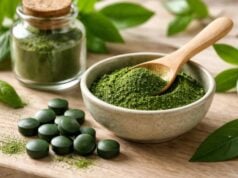
3) Capsules, tablets, and standardized extracts
If a product is labeled as a cubeb extract, look for:
- extract ratio or standardized marker (when available)
- clear serving size in mg
- third-party testing or at least batch identification
Standardized products reduce guesswork, but they also deliver more concentrated exposure, which can increase interaction risk.
4) Tinctures
Tinctures are less common than capsules for cubeb, but they exist in some traditions. Because tinctures vary widely in strength, label guidance matters more than generic rules. If you use a tincture, start low and avoid combining multiple “warming, pungent” tinctures until you know your tolerance.
5) Essential oil and inhalation
Cubeb essential oil is used in aromatherapy, but it should be approached like other essential oils: measured, ventilated, and not treated as a dietary supplement. For diffusion, many people use a few drops for a short session (15–30 minutes) and then stop—especially if anyone in the home is sensitive to strong aromas.
If you want a more widely used culinary-and-comfort spice companion that pairs well with cubeb and has a clearer everyday safety culture, ginger and its active compounds can be a practical complement. Ginger tends to be easier to dose in food and has more direct human research for several digestive outcomes, while cubeb is more niche and chemotype-variable.
Finally, regardless of form: if cubeb causes burning, nausea, or feels “too hot,” treat that as useful information. With pungent spices, tolerance is a real safety signal.
How much cubeb berry per day?
Cubeb dosing depends strongly on form. A culinary pinch is not comparable to a concentrated extract capsule, and essential oil should not be treated as a simple “stronger spice.” Because human clinical dosing standards are limited, conservative ranges and “start low” rules are the safest approach.
Culinary dosing (whole or ground berries)
For most adults using cubeb as a spice:
- Typical range: 0.5–2 g/day ground cubeb (roughly 1/4 to 1 teaspoon, depending on grind and density), used with food
- Start point: a pinch to 1/8 teaspoon in a meal, then adjust to taste
If you experience stomach burning or nausea, reduce the dose or stop. Culinary dosing is usually self-limiting because cubeb’s flavor becomes bitter and resinous when overused.
Tea or infusion dosing (mild only)
If you make a tea:
- Use a small amount (for example, 0.5–1 g lightly crushed berries per cup)
- Keep it short-term and mild
If you are prone to reflux, tea may be more irritating than food use.
Capsules and extracts
Supplement products vary widely. A practical, cautious framework is:
- 250–500 mg/day standardized extract to start
- Up to 1,000 mg/day only if the product label supports it and you tolerate it well
Avoid “stacking” multiple pungent extracts (cubeb + high-dose black pepper extract + other strong spice extracts) unless you have a clear reason and good tolerance.
Timing and duration
- For digestive comfort: take with meals for 2–4 weeks, then reassess.
- For aromatic respiratory support: use as needed in short windows, not continuously.
- For urinary comfort traditions: do not use cubeb to delay evaluation if symptoms suggest infection or kidney involvement.
Why caution matters with concentrated products
Cubeb contains compounds (including lignans) that may interact with drug-metabolizing enzymes, and higher doses are more likely to cause GI irritation. If you already use compounds designed to enhance absorption—especially concentrated piperine products—be careful about additive effects and interactions. For context on why high-dose piperine is treated differently than culinary pepper, black pepper extract piperine benefits can help you think in “concentration tiers,” which is exactly the right mindset for cubeb dosing as well.
Bottom line: cubeb is best used like a spice first. Supplements can be reasonable for some adults, but they should be approached as short, conservative trials with clear stop signals.
Side effects, interactions, and who should avoid
Cubeb is generally well tolerated in culinary amounts for many adults, but side effects become more likely as dose and concentration rise. Most problems fall into three categories: gastrointestinal irritation, pregnancy-related concerns, and drug interaction potential.
Common side effects
Most side effects are dose-related:
- burning sensation in the stomach or throat
- nausea, cramping, or “griping” abdominal pain
- vomiting or diarrhea at higher doses
- headache or light dizziness in some sensitive people
If any of these appear, the safest move is to stop and return to lower-intensity culinary use (or discontinue entirely).
Who should avoid cubeb
Cubeb is best avoided (or used only with clinician guidance) by:
- Pregnant people or those trying to conceive, due to concerns about uterine stimulation in some sources
- Breastfeeding people, because safety data are limited
- Children, especially concentrated products or essential oils
- People with active gastritis, ulcers, severe reflux, or highly sensitive digestion
- Anyone with unexplained urinary pain, fever, flank pain, or blood in urine (seek evaluation rather than self-treat)
Interaction cautions
Evidence suggests some Piper cubeba constituents may influence liver enzyme systems involved in drug metabolism, which can change medication levels unpredictably. Practical caution is warranted if you take:
- blood thinners or antiplatelet medicines
- seizure medications
- immunosuppressants
- medicines with narrow therapeutic windows (where small level changes matter)
Because interaction risk is usually dose-dependent, culinary use is less concerning than extracts or essential oils.
Essential oil safety notes
Cubeb essential oil is not interchangeable with the spice. Avoid internal essential oil use unless a qualified clinician directs a clearly labeled product. For diffusion, keep sessions short, ventilate well, and avoid use around infants, pregnant people, and anyone with reactive airways unless a clinician has advised it.
When to seek medical care
Seek urgent help if you have:
- severe or persistent vomiting
- allergic reaction signs (hives, facial swelling, breathing difficulty)
- severe abdominal pain
- urinary symptoms with fever, back pain, or worsening weakness
Cubeb can be a useful botanical, but it rewards moderation. If you treat it as a culinary ally and keep concentrated formats conservative, you reduce most avoidable risks.
What the evidence actually says
Cubeb berry has a stronger scientific foundation than many obscure botanicals, but the type of evidence matters. Much of what looks “impressive” comes from phytochemistry, antimicrobial assays, and animal or cell models—not from large human clinical trials. A grounded reading of the research supports interest while also clarifying limitations.
1) Strongest area: phytochemistry and mechanistic plausibility
Multiple modern papers map cubeb’s essential oil profile and lignan content, and those chemical findings align well with traditional uses. If a spice contains bioactive aromatics and lignans that affect oxidative and inflammatory pathways in preclinical models, it makes sense that people historically used it for respiratory and digestive comfort. Mechanistic plausibility is not proof, but it is meaningful when tradition and chemistry point in the same direction.
2) Antimicrobial and anti-inflammatory signals are real, but mostly preclinical
Cubeb extracts and isolated compounds show antimicrobial activity in vitro against various organisms, and anti-inflammatory signals appear in several model systems. These findings help explain why cubeb shows up in urinary and respiratory traditions. The critical limitation is translation: the dose that inhibits microbes in a dish is not automatically a safe or effective human dose, and real infections involve immune response, tissue penetration, and clinical complexity that lab assays cannot replicate.
3) Human outcomes: limited direct clinical proof
Cubeb is not as well supported by direct clinical trials as some common supplements. That doesn’t make it ineffective, but it means evidence-based claims should remain modest. The most defensible human-facing uses remain:
- culinary digestive support
- aromatic comfort practices
- short, conservative supplement trials when appropriate
4) Safety signals deserve equal weight
Research and review literature also acknowledge adverse effects at excessive doses—especially gastrointestinal irritation—and caution around pregnancy. In addition, potential enzyme-related drug interactions are a recurring concern for Piper-family bioactives, which is why standardized dosing and avoidance of high-concentration stacking are sensible.
How to use the evidence wisely
A practical approach is to treat cubeb as a “tiered” botanical:
- Tier 1 (lowest risk): culinary use
- Tier 2 (moderate): standardized extracts in short trials
- Tier 3 (highest caution): essential oil and high-concentration products
If you stay in Tier 1 or a cautious Tier 2, cubeb can be a thoughtful addition to a wellness routine—especially for people who respond well to warming spices. If you are seeking disease treatment, though, the evidence supports using cubeb as an adjunct at most, not a replacement for diagnosis or targeted therapy.
References
- Cubeb (Piper cubeba L.f.): A comprehensive review of its botany, phytochemistry, traditional uses, and pharmacological properties 2022 (Review)
- Cubeb (Piper cubeba L.): nutritional value, phytochemical profiling and dermacosmeceutical properties 2024
- “Pepper”: Different Spices, One Name—Analysis of Sensory and Biological Aspects 2025 (Review)
- Neuroprotective potential of lignan-rich fraction of Piper cubeba L. by improving antioxidant capacity in the rat’s brain 2023
Disclaimer
This article is for educational purposes only and does not provide medical advice, diagnosis, or treatment. Herbs and spices can have pharmacologic effects, especially in concentrated extracts and essential oils, and products can vary in strength and purity. If you are pregnant or breastfeeding, have a medical condition, or take prescription medicines, consult a qualified clinician before using cubeb berry supplements or essential oil. Seek prompt medical care for severe side effects, allergic reactions, or symptoms of infection such as fever, worsening pain, or blood in urine.
If this guide helped, please share it on Facebook, X (formerly Twitter), or any platform you prefer so others can use cubeb berry more safely and effectively.