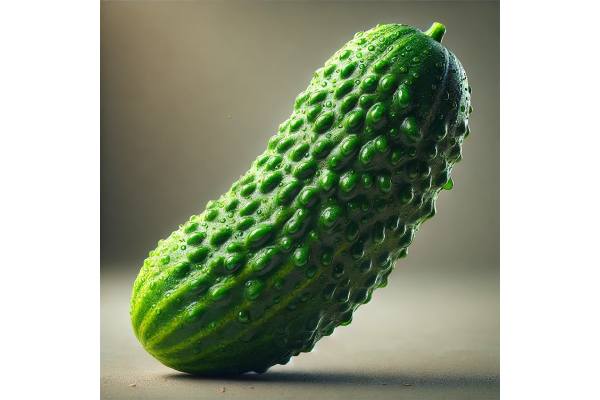
Fresh, crisp, and more versatile than it looks, cucumber brings cool crunch to salads, sandwiches, juices, and pickles while quietly supporting hydration. This heat-loving vine fruit (botanically a pepo) is about 95% water yet still contributes small amounts of potassium, vitamin K, and vitamin C. The peel contains much of the fiber and phytonutrients, so leaving the skin on (when well washed) boosts the nutrition per bite. With very low calories and a neutral flavor, cucumber works across cuisines—from tzatziki and raitas to smashed cucumber salads and quick pickles—adding texture without overwhelming other ingredients. There are several types you will see in stores and markets: American slicing cucumbers (often waxed), slender English/European cucumbers (usually wrapped), and small Persian or mini cucumbers with tender skins. For most people, cucumber is an easy, everyday choice; however, those on vitamin K–managed anticoagulants should keep intake consistent, and anyone encountering an unusually bitter cucumber should discard it. Below, you will find practical guidance on nutrition, benefits, risks, selection, storage, preparation, and portions.
Quick Overview
- Hydrating, low-calorie produce (~95% water) that adds bulk and crunch with minimal energy.
- Provides vitamin K (~14% DV per 100 g with peel) plus small amounts of vitamin C and potassium.
- Typical serving: 1 cup sliced (100–120 g), enjoy daily as part of meals or snacks.
- Safety note: Discard any cucumber that tastes very bitter; bitterness can indicate cucurbitacins.
- People who should limit or monitor: those on warfarin or other vitamin K–antagonist anticoagulants.
Table of Contents
- Cucumber at a Glance: Detailed Overview
- Cucumber Nutrition Profile (Per 100 g)
- Evidence-Based Health Benefits
- Risks, Allergies and Interactions
- Selecting, Quality, Sustainability and Storage
- Preparation, Cooking and Nutrient Retention
- Portions, Comparisons and FAQs
Cucumber at a Glance: Detailed Overview
Cucumber (Cucumis sativus) belongs to the gourd family, Cucurbitaceae, alongside squash, melons, and pumpkins. In markets you will typically find three categories. Slicing cucumbers are larger, with thicker skins that are often coated in an edible wax to reduce moisture loss. English/European cucumbers are long and slender with very thin skins and small, tender seeds; they are commonly wrapped in breathable film to prevent dehydration. Persian/mini cucumbers are shorter, crisp, and pleasantly sweet, excellent for snacking and quick salads. Pickling cucumbers (e.g., Kirby) are short and firm, ideal for brining and fermentation.
Botanically a fruit but used as a vegetable, cucumber develops on trailing vines that prefer warm temperatures and abundant sunlight. The plant’s neutral, slightly sweet flavor and high water content make it a classic cooling ingredient in warm climates—from Middle Eastern salads and Indian raitas to East Asian smashed cucumber dishes and Scandinavian pickles. Its cell structure holds water within crisp walls; when cut, salt draws out moisture, softening the texture and concentrating flavor (a useful step for salads and sandwiches).
Nutritionally, cucumber is low in energy density—about 10–16 kcal per 100 g depending on peel and variety—so it contributes volume and satiety with few calories. With peel, cucumber provides small but meaningful amounts of vitamin K, vitamin C, and potassium. The peel also contains much of the fiber and many of the phytonutrients (including trace carotenoids and flavonoids). That is why, when skins are clean and palatable, leaving them on increases nutrient yield.
Quality matters. A good cucumber should feel heavy for its size, with firm flesh, a uniform deep green color (for slicing types), and no soft spots. Yellowing signals overmaturity, while wrinkling or soft ends indicate dehydration. A very bitter taste is a red flag—bitterness comes from cucurbitacins, natural defense compounds that can be concentrated by plant stress or cross-pollination. If a cucumber tastes sharply bitter, do not eat it.
From a culinary perspective, cucumber is an all-purpose texture tool. It adds crunch to grain bowls, freshens rich dishes like hummus or smoked fish, and hydrates fruit salads. It also takes to heat more than you might think: thin wedges can be quickly stir-fried or lightly charred; halved cucumbers can be grilled to concentrate sweetness and add smoky notes. Finally, cucumbers are an ideal candidate for quick pickles and lactic fermentation, two techniques that extend shelf life and introduce tangy complexity.
Cucumber Nutrition Profile (Per 100 g)
Notes on data: Values below refer to raw cucumber with peel unless noted. Amounts are per 100 g. Percent Daily Values (%DV) are based on standard adult DVs. Actual values vary by cultivar, maturity, and growing conditions.
Macros & Electrolytes (per 100 g)
| Nutrient | Amount | %DV |
|---|---|---|
| Energy | 10–16 kcal | — |
| Water | ~95 g | — |
| Carbohydrate | ~3.6 g | 1% |
| Dietary Fiber | ~0.5–0.7 g | 2–3% |
| Total Sugars | ~1.4–1.7 g | — |
| Protein | ~0.6–0.7 g | 1% |
| Total Fat | ~0.1–0.2 g | 0% |
| Sodium | ~2 mg | 0% |
| Potassium | ~136–153 mg | 3% |
Vitamins (per 100 g)
| Vitamin | Amount | %DV |
|---|---|---|
| Vitamin K (phylloquinone) | ~16–17 µg | ~14% |
| Vitamin C | ~3 mg | 3–4% |
| Vitamin A (RAE) | ~5 µg | 1% |
| Vitamin B5 (Pantothenic acid) | ~0.27 mg | 5% |
| Riboflavin (B2) | ~0.03 mg | 3% |
| Thiamin (B1) | ~0.03 mg | 2% |
| Folate (DFE) | ~7 µg | 2% |
| Vitamin E | ~0.03 mg | 0% |
Minerals (per 100 g)
| Mineral | Amount | %DV |
|---|---|---|
| Magnesium | ~13 mg | 3% |
| Manganese | ~0.08 mg | 4% |
| Copper | ~0.04 mg | 4% |
| Calcium | ~14–17 mg | 1% |
| Iron | ~0.22–0.29 mg | 1–2% |
| Phosphorus | ~21–25 mg | 2% |
| Zinc | ~0.21 mg | 2% |
| Selenium | ~0.3 µg | 1% |
Fats & Fatty Acids (per 100 g)
| Component | Amount |
|---|---|
| Saturated Fat | ~0.04–0.08 g |
| Monounsaturated Fat | ~0.005 g |
| Polyunsaturated Fat (incl. omega-6/omega-3) | ~0.03 g / ~0.005 g |
| Cholesterol | 0 mg |
Bioactives / Phytonutrients
| Compound or Class | Notes |
|---|---|
| Cucurbitacins (triterpenoids) | Bitter defense compounds; minimal in edible cucumbers; spikes in stressed or cross-pollinated plants (bitter taste). |
| Flavonoids (trace) | Present mainly in peel; contribute minor antioxidant activity. |
| Carotenoids (lutein/zeaxanthin, β-carotene, trace) | Low levels; higher near the skin. |
| Phytosterols | Very small amounts (~15 mg per 100 g). |
Glycemic & Acid–Base Metrics
| Metric | Value | Interpretation |
|---|---|---|
| Glycemic Load (per 100 g) | ~1 | Very low, due to little carbohydrate. |
| PRAL (Potential Renal Acid Load) | Slightly negative | Mildly alkaline-forming food. |
Allergens & Intolerance Markers
| Item | Relevance |
|---|---|
| Pollen-food allergy syndrome (PFAS/OAS) | Possible oral itching in people sensitized to birch or ragweed; often limited to raw forms. |
| Sulfites (processed) | Some jarred or shelf-stable pickles may use sulfite preservatives; check labels. |
| Histamine (fermented pickles) | Natural fermentation can produce biogenic amines; individuals with histamine intolerance should assess tolerance. |
Additives & Fortification (Processed Forms)
- Fresh cucumber: typically no additives.
- Refrigerated “quick pickles”: vinegar, salt, sugar, spices; sometimes calcium chloride as a firming agent.
- Shelf-stable pickles: may include preservatives (e.g., sodium benzoate, sulfites) depending on brand.
Evidence-Based Health Benefits
1) Supports hydration and low energy density eating.
Cucumber provides high water content with minimal calories (roughly 10–16 kcal per 100 g). Foods with high water volume help fill the stomach and increase meal volume without excessive energy intake. Adding sliced cucumbers to bowls, wraps, soups, and snacks increases portion size and sensory satisfaction with little caloric load. For individuals working on weight maintenance, this “dilution” strategy can be practical and sustainable, especially when paired with protein and fiber sources.
2) Contributes vitamin K for normal blood clotting.
With peel, 100 g of cucumber supplies around 16–17 µg of vitamin K—about 14% of the Daily Value. While not among the top sources, cucumber can help contribute to daily totals, particularly for those who eat it regularly. Vitamin K is essential for activating clotting factors and certain bone proteins. People on vitamin K–antagonist anticoagulants (e.g., warfarin) are advised to keep vitamin K intake consistent from day to day rather than aiming for zero; cucumber can fit within a steady diet pattern when portion sizes are predictable.
3) Provides small amounts of vitamin C and potassium.
One hundred grams provides roughly 3 mg of vitamin C (3–4% DV) and about 136–153 mg of potassium (~3% DV). Although modest, cucumber is often eaten in generous portions—two cups or a whole English cucumber—making these contributions more meaningful across a day. Pairing cucumber with tomatoes, peppers, citrus dressings, herbs, and yogurt can collectively lift vitamin C, potassium, and protein in a meal.
4) Gentle on the digestive system for most people.
Cucumber’s fiber is low to moderate (~0.5–0.7 g per 100 g), and the texture is tender when sliced thin. For individuals recovering from minor digestive upset or those who prefer lower-fiber options at certain meals, peeled or de-seeded cucumber can be better tolerated than many raw vegetables. Conversely, leaving the skin on increases fiber slightly and adds phytonutrients.
5) Useful in sodium-aware eating when fresh; mindful with pickles.
Fresh cucumbers are nearly sodium-free. However, many commercial pickles are high in sodium because brines rely on salt for flavor and preservation. If you enjoy pickles regularly, consider low-sodium brands, rinse before serving, or make vinegar “quick pickles” with reduced salt.
6) Culinary versatility encourages vegetable intake.
Dietary patterns matter more than any single nutrient. Because cucumber works in so many formats—raw sticks, ribbon salads, soups, smoothies, sautéed wedges, and pickles—it can help people meet produce goals. Practical habits (pre-slicing for snacks, adding to lunch boxes, or batch-fermenting) can move intake closer to recommendations.
7) A note on phytonutrients and bitterness.
Cucurbitacins are triterpenes naturally produced by cucurbits as a defense. Edible cucumbers are bred for very low cucurbitacin levels. Plant stress (heat, drought) or cross-pollination can raise them, producing an intense bitterness. While typical supermarket cucumbers are safe, an unusually bitter taste signals you should discard the fruit rather than “power through.”
Putting benefits to work: simple patterns that help.
- Add 1–2 cups of sliced cucumber to grain bowls or wraps for volume and crunch.
- Combine cucumber with protein (e.g., Greek yogurt, tofu, fish) to create balanced meals.
- Use cucumber as a hydration booster in hot weather alongside water and electrolytes from whole foods (e.g., fruit, dairy, legumes).
Cucumber Risks, Allergies and Interactions
Bitter cucumbers and cucurbitacins (rare but important).
If a cucumber tastes distinctly bitter, spit it out and discard it. Bitter flavor indicates a higher level of cucurbitacins—natural compounds that can irritate the gastrointestinal tract at high exposure. These events are rare in commercial produce, but can occur in home-grown cucurbits when plants are stressed, improperly cross-pollinated, or grow from saved seed. Cooking does not “neutralize” this risk; the correct response is to avoid eating the bitter item.
Allergy and oral allergy syndrome (pollen-food cross-reactivity).
Some people with seasonal allergies, especially to birch or ragweed pollens, experience pollen-food allergy syndrome (also called oral allergy syndrome). Typical symptoms include itching or mild swelling of the lips, mouth, or throat when eating certain raw fruits or vegetables, including cucumber. Symptoms are usually brief and localized; many individuals tolerate the food when it is peeled, cooked, or thoroughly pickled. However, anyone with systemic symptoms (hives, wheeze, throat tightness) should stop the food and seek medical care. Diagnosis and management rest on clinical history, allergy testing when appropriate, and shared decision-making with a clinician.
Anticoagulants and vitamin K consistency.
Cucumber with peel contains modest vitamin K. People taking warfarin or similar vitamin K–antagonists should keep vitamin K intake consistent rather than eliminate all sources. That means eating comparable amounts of green vegetables—and cucumbers—day to day and working with a clinician to monitor INR when diet patterns change. For most others, vitamin K from whole foods is desirable.
Sodium in pickled products.
Fresh cucumbers are very low in sodium; many pickles are not. Jarred or fermented pickles may deliver 200–400 mg sodium per spear or more. If you monitor sodium for blood pressure or fluid retention, compare labels or choose low-sodium options. Rinsing pickles before serving can reduce surface salt, though the effect is modest.
Sulfites and biogenic amines in processed forms.
Some shelf-stable pickles use sulfite preservatives—relevant for the small subset with sulfite sensitivity (commonly among severe asthmatics). Fermented pickles naturally contain biogenic amines (e.g., histamine); individuals with histamine intolerance may need to gauge their own tolerance and portion size.
Digestive comfort (“burpless” varieties).
Historic “burpiness” was linked to bitterness and certain compounds near the skin and seeds. Modern “burpless” or seedless varieties are bred for lower cucurbitacins and tender skins, which many people find gentler. If you experience repeat discomfort, try English or Persian cucumbers, peel thick-skinned types, and remove large seeds.
Food safety and handling.
As with all raw produce, wash cucumbers under running water and scrub with a clean brush before cutting; microbes on the surface can transfer to the flesh via the knife. If a cucumber is waxed, scrubbing still helps remove debris; peeling is an option for those who prefer it.
Selecting, Quality, Sustainability and Storage
How to choose.
- Look/feel: firm, heavy for size, evenly deep green (for slicing types), smooth or gently ridged surface depending on variety.
- Avoid: yellowing, soft spots, shriveling at the ends, or dull, dehydrated skin.
- Aroma: fresh and green; any sour or “off” smell suggests spoilage (especially in cut cucumbers).
Types and best uses.
- American slicing cucumbers: hearty peel; good for salads, sandwiches, and spears. Often waxed to reduce water loss.
- English/European cucumbers: thin peel and tiny seeds; ideal for raw ribbons, quick pickles, and delicate salads; usually wrapped.
- Persian/mini cucumbers: compact, very crisp; excellent for snacking, skewers, and bento boxes.
- Pickling (Kirby) cucumbers: short, bumpy, and firm; best for brining and fermentation due to texture retention.
Storage basics (balance cool temperature with high humidity).
- Whole cucumbers prefer cool, not cold conditions. They are chilling-sensitive if kept much below 10 °C (50 °F) for days at a time, which can cause pitting and watery soft spots. In most home kitchens, the refrigerator crisper—cool, humid, and protected from ethylene-producing fruits (like tomatoes and bananas)—works well. Keep unwashed, dry cucumbers in a breathable bag or the original wrap for up to 5–7 days.
- Cut cucumbers should be refrigerated promptly in sealed containers; pat slices dry before storage to slow softening. Use within 1–3 days for best texture.
- Avoid ethylene: cucumbers are ethylene-sensitive; keep them away from ripening fruits to prevent yellowing or accelerated decay.
- Wax and wraps: waxed slicing cucumbers and plastic-wrapped English cucumbers resist moisture loss. Keep wraps intact until use; if you remove them, place cucumbers in a humid container or bag to avoid shriveling.
Sustainability notes.
- Local/seasonal cucumbers (late spring through early fall in many regions) can reduce transport losses and may arrive fresher.
- Greenhouse-grown English cucumbers extend the season but are often wrapped to reduce dehydration; recycle film where accepted.
- Home growing: for gardeners, choose disease-resistant, non-bitter cultivars from reputable seed sources; avoid saving seed from hybrid or bitter plants. Regular watering and shading during heat waves can reduce plant stress and the chance of bitterness.
Quality troubleshooting.
- Soft or weeping slices: drew out too much water; salt lightly and drain for 10–20 minutes, then pat dry.
- Yellowing: age or ethylene exposure; store away from ripening fruit.
- Uneven bitterness: try peeling the stem end first; if bitterness persists, discard.
Preparation, Cooking and Nutrient Retention
Wash first, then cut.
Rinse cucumbers under running water, scrubbing the surface with a clean brush. Dry thoroughly. Wash before slicing so surface microbes do not transfer to the flesh. If waxed and you prefer not to eat the coating, peel after washing; if you value fiber and phytonutrients, keep the peel on when palatable.
Peeling and seeding: when and why.
Peeling reduces bitterness, removes wax, and softens texture. De-seeding (scooping out the seed cavity) reduces water that can dilute dressings or make sandwiches soggy. For most salads, lightly salting and draining sliced cucumbers for 10–20 minutes draws out moisture, concentrates flavor, and helps dressings cling.
Raw applications that shine.
- Ribbons or coins tossed with yogurt, garlic, lemon, and herbs (tzatziki/raita styles).
- Smashed cucumbers with a punchy dressing (soy, rice vinegar, garlic, sesame) for jagged edges that soak up flavor.
- Quick pickles: thin slices in warm vinegar brine with modest salt and aromatics; ready within hours.
Heat works too—gently.
Cucumber’s sweetness and aroma intensify with quick heat. Try:
- Stir-fried wedges: 2–3 minutes in a hot pan with aromatics; finish with a splash of vinegar.
- Grilled halves: brush with oil, sear face-down briefly, then slice; excellent with feta or miso-tahini sauces.
- Warm salads: briefly sautéed cucumbers tossed with cherry tomatoes and herbs.
Retaining nutrients.
Nutrient losses in cucumber are small because most of its vitamins (vitamin K and small amounts of vitamin C) are stable in typical use. Vitamin C is heat-sensitive; raw preparations preserve it best. Peeling reduces fiber and phytonutrients—so keep skin on when the texture suits you. Pair with a small amount of fat (olive oil, nuts, yogurt) to enhance absorption of fat-soluble compounds in the overall dish.
Fermenting and pickling.
- Vinegar quick pickles: fastest, but acidic environment—not live culture—drives preservation. Sodium can be moderate to high depending on recipe; you control the amount.
- Lactic fermentation: naturally occurring lactic acid bacteria transform sugars into lactic acid, creating tang. Fermented pickles may contain live cultures if kept refrigerated and unpasteurized, though levels vary widely.
- Firmness tips: choose fresh, small pickling cucumbers; trim blossom ends (enzymes there can soften textures); consider calcium chloride for crispness in quick pickles.
Flavor partners (build a balanced plate).
Cucumber pairs well with citrus, mint, dill, basil, sesame, chili, ginger, yogurt, soft cheeses, tomatoes, peppers, melons, grapes, and seafood. For a satisfying, balanced meal, combine cucumber with lean proteins and whole grains, and finish with a flavorful dressing that includes acid (vinegar, lemon) and a modest amount of fat.
Portions, Comparisons and FAQs
Portion guidance.
- Typical serving: 1 cup sliced (about 100–120 g) or half of a large English cucumber.
- Frequency: enjoy daily as part of meals or snacks; it easily fits into vegetable goals (e.g., 2–3 cups per day depending on energy needs).
- For children: offer sliced sticks or coins appropriate to the child’s chewing ability; cut lengthwise to reduce choking risk for toddlers.
Comparisons (100 g, approximate).
- Cucumber (with peel): ~10–16 kcal, ~3.6 g carbs, ~0.5–0.7 g fiber, vitamin K ~14% DV, potassium ~3% DV.
- Zucchini (raw): slightly more carbohydrate and fiber; similar low calories; less vitamin K.
- Celery: comparable water and crunch; less vitamin K; more sodium naturally.
- Iceberg lettuce: similarly low in calories; cucumber typically offers more vitamin K per 100 g.
Fresh vs. pickled.
- Fresh: negligible sodium; delicate flavor; best for hydration and texture.
- Vinegar pickles: sodium varies by recipe/brand; heat-processed jars are shelf-stable but may lose crunch and any live cultures.
- Fermented pickles: tangy and complex; may contain live cultures when refrigerated and unpasteurized; sodium often higher—portion accordingly.
Frequently asked questions.
Is the peel safe to eat?
Yes, when well washed. The peel holds most of the fiber and many phytonutrients. If waxed and you prefer not to consume the coating, peel after washing or choose unwaxed types (e.g., English, Persian).
What does “burpless” mean?
It refers to varieties bred for tender skins and lower cucurbitacin content. Many people find these easier on digestion and less likely to cause repeating flavors.
Can I freeze cucumbers?
Freezing raw slices yields a watery texture upon thawing. For longer storage, make pickles or use cucumbers in chilled soups and consume within a few days.
How do I avoid watery salads?
Salt slices lightly, let drain 10–20 minutes, and pat dry before tossing. Or de-seed large cucumbers and slice thicker.
What if my cucumber tastes very bitter?
Do not eat it. Discard and choose another. Bitterness signals elevated cucurbitacins.
Who should be cautious with cucumbers?
- People taking warfarin or other vitamin K–antagonists should keep vitamin K intake consistent.
- Individuals with pollen-food allergy syndrome may react to raw cucumber; cooking or pickling may be better tolerated.
- Those limiting sodium should monitor pickled cucumber portions and labels.
Simple weekly plan to use cucumbers well.
- Two salads (e.g., Greek-style with olives and feta; smashed cucumber with sesame).
- One dip (yogurt-cucumber herb dip for vegetables and wraps).
- One quick pickle jar (thin slices in seasoned vinegar for sandwiches).
- Two snack boxes (mini cucumbers with nuts or cheese).
References
- Nutrition Facts for Cucumber 2025.
- Daily Value and Percent Daily Value on the Nutrition and Supplement Facts Labels 2023 (Guidance).
- Vitamin K – Health Professional Fact Sheet 2021.
- Cucumber – Postharvest Research and Extension Center 1997 (content page; site updated 2025).
- EAACI guidelines on the diagnosis of IgE-mediated food allergy 2023 (Guideline).
- [Food poisoning by cucurbitacines] 2020 (Case Report).
Disclaimer
This article is for general education and is not a substitute for personalized medical advice, diagnosis, or treatment. Always consult a qualified health professional about your specific health needs, medications (including anticoagulants), and dietary changes, especially if you have food allergies, chronic conditions, or are pregnant or breastfeeding.
If you found this guide helpful, please consider sharing it on Facebook, X (formerly Twitter), or your favorite platform to support our team’s work in creating reliable, practical nutrition content.