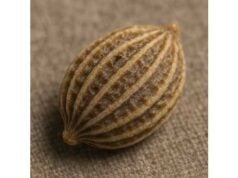
Cumin seeds—the dried fruits of Cuminum cyminum L.—carry an earthy, warm aroma with citrus and pepper notes that anchors spice blends from garam masala and chili powder to ras el hanout and berbere. In the pan, whole seeds “pop” when tempered in hot oil, releasing a toasty fragrance that lifts beans, lentils, root vegetables, and grilled meats. Nutritionally, cumin delivers concentrated minerals (notably iron and magnesium), modest protein, and fiber in a very small volume. The seed’s essential oil is dominated by cuminaldehyde alongside p-cymene and γ-terpinene, while its fixed oil is rich in monounsaturated fatty acids—features that inform both flavor and the growing body of research on antioxidant and metabolic endpoints. This guide keeps the focus practical: what cumin seeds contribute per 100 g and per real-world servings, where human evidence stands on potential benefits, how to buy and store quality spice, and the kitchen moves that maximize aroma without bitterness—all with clear notes on allergies and when to be cautious.
Top Highlights
- Warm, savory spice that adds fiber and notable iron and magnesium in tiny servings.
- Early human trials and meta-analyses suggest modest support for blood lipids; glycemic outcomes are mixed.
- Safety: pollen-related cross-reactions and rare spice allergies; concentrated extracts may affect glucose or blood pressure.
- Typical use: 1–2 teaspoons (3–6 g) a few times per week, adjusted to taste and tolerance.
- Limit or avoid supplements if you use glucose- or blood-pressure–lowering medications unless advised by a clinician.
Table of Contents
- Cumin Seeds: Detailed Overview
- Cumin Seeds Nutrition Profile
- Evidence-Based Benefits of Cumin
- Risks, Allergies and Interactions
- Selecting Quality, Sustainability and Storage
- Preparation, Cooking and Nutrient Retention
- Portions, Comparisons and FAQs
Cumin Seeds: Detailed Overview
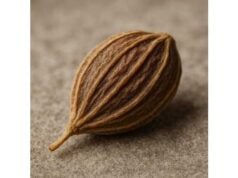
Cumin seeds are elongated, ridged achenes from a parsley-family annual, harvested when the umbels turn brown and fragrant. Their flavor chemistry is anchored by cuminaldehyde (the signature warm, savory aroma) plus p-cymene, γ-terpinene, and smaller amounts of linalool and carvone. Two oil fractions matter in the kitchen: the essential oil (volatile, aroma-bearing) and the fixed oil (non-volatile, nutrient-bearing). Gentle heat unlocks the volatiles; excessive heat can scorch, turning them acrid. That’s why traditional methods—tempering whole seeds in fat (tadka), briefly toasting then grinding, or blooming ground cumin in warm oil—are so effective.
Culinary range is broad. Whole seeds contribute snap and perfume to rice pilafs, dals, Persian kookoo, tacos, and North African stews. Ground cumin stitches together chili, bean soups, roasted carrots or cauliflower, lamb marinades, and spice rubs for tofu or paneer. In baking, a pinch deepens rye bread and savory crackers. Infusions—“jeera water” or simple syrups—carry a light, citrus-bitter edge that pairs with lemon and mint.
From a nutrition lens, cumin is mineral-dense for a spice: high in iron, magnesium, calcium, and potassium on a per-100-gram basis. Kitchen amounts are small, but even a teaspoon adds trace minerals and a nudge of fiber to meals. Those contributions are most meaningful when cumin is used often—think “seasoning as nutrition”—in bean, grain, and vegetable dishes where a small flavor lift makes healthy staples more craveable.
Traditional uses describe cumin as carminative (supporting comfortable digestion), and modern research explores antimicrobial, antioxidant, and metabolic effects across seed powders, extracts, and oils. Evidence in humans is still developing and not uniform across outcomes or formulations. As with most spices, the strongest case for cumin is food-first: it makes nourishing meals tastier, adds small amounts of fiber and minerals, and can be part of patterns linked with better health.
Practical takeaway: buy whole seeds for maximum shelf life and grind as needed; toast lightly, avoid scorching; and balance cumin’s savory depth with bright acidity (tomato, lemon), sweetness (roasted onion, carrot), or freshness (cilantro, mint).
Cumin Seeds Nutrition Profile
How to use these tables: Values are per 100 g of unfortified, dried cumin seeds; % Daily Value (%DV) uses current U.S. adult reference DVs. Home servings are typically 3–6 g (1–2 tsp); see Section 7 for per-teaspoon estimates. Natural variation occurs by cultivar, origin, and processing.
Macros and Electrolytes (per 100 g)
| Nutrient | Amount | %DV |
|---|---|---|
| Energy | 428 kcal | — |
| Water | 16 g | — |
| Protein | 17.8 g | 36% |
| Total fat | 22.3 g | 29% |
| Saturated fat | 1.5 g | 8% |
| Carbohydrate (available) | 33.7 g | 12% |
| Dietary fiber | 11.0 g | 39% |
| Total sugars | 2.3 g | — |
| Sodium | 168 mg | 7% |
| Potassium | 1,790 mg | 38% |
Carbohydrates (per 100 g)
| Component | Amount | Notes |
|---|---|---|
| Starch | 31.5 g | Slowly digested; thickens sauces, adds body. |
| Sugars (total) | 2.3 g | Naturally low; no added sugars. |
| Dietary fiber | 11.0 g | Mostly insoluble; adds bulk and satiety. |
Fats and Fatty Acids (per 100 g)
| Fatty Acid Class | Amount | Notes |
|---|---|---|
| Monounsaturated fat | 14.0 g | Predominantly oleic acid; stable in storage. |
| Polyunsaturated fat (omega-6) | 3.1 g | Mainly linoleic acid. |
| Omega-3 (ALA) | 0.2 g | Trace amounts. |
| Saturated fat | 1.5 g | Low relative to total fat. |
| Cholesterol | 0 mg | Plant food; contains phytosterols in trace amounts. |
Vitamins (per 100 g)
| Vitamin | Amount | %DV |
|---|---|---|
| Thiamin (B1) | 0.63 mg | 53% |
| Riboflavin (B2) | 0.33 mg | 25% |
| Niacin (B3) | 4.6 mg | 29% |
| Vitamin B6 | 0.44 mg | 26% |
| Folate (DFE) | 10 µg | 3% |
| Vitamin E (alpha-tocopherol) | 3.3 mg | 22% |
| Vitamin C | 8 mg | 9% |
| Vitamin A (RAE) | 64 µg | 7% |
| Vitamin D | 0 µg | 0% |
| Vitamin B12 | 0 µg | 0% |
Minerals (per 100 g)
| Mineral | Amount | %DV |
|---|---|---|
| Calcium | 931 mg | 72% |
| Iron | 66.4 mg | 369% |
| Magnesium | 366 mg | 87% |
| Phosphorus | 499 mg | 40% |
| Potassium | 1,790 mg | 38% |
| Zinc | 4.8 mg | 44% |
| Copper | 0.87 mg | 97% |
| Selenium | 5 µg | 9% |
| Iodine | 0 µg | 0% |
Bioactives / Phytonutrients
- Essential oil: chiefly cuminaldehyde, with p-cymene and γ-terpinene; trace linalool and others; highly volatile and heat-sensitive.
- Phenolics & terpenes: contribute antioxidant and antimicrobial activity in lab models; composition varies by origin and distillation.
- Fixed oil: largely monounsaturated, supporting shelf stability when seeds are stored cool and dry.
Allergens and Intolerance Markers
- Apiaceae allergens: named proteins Cum c 1 (Bet v 1-like) and Cum c 2 (profilin) explain cross-reactions in pollen-sensitized individuals (see Section 4).
- FODMAPs: negligible at culinary doses; typically used in grams.
Footnote: Values reflect typical unfortified cumin seeds; data sources aggregate analytical results and may compute certain metrics (e.g., “available carbohydrate,” “niacin equivalents”) from underlying components.
Evidence-Based Benefits of Cumin
Flavor first, function second. Spices influence appetite, meal satisfaction, and diet quality by making high-fiber staples (beans, lentils, whole grains, vegetables) more appealing. Cumin exemplifies this: brief toasting or tempering unlocks a bold, savory-citrus note that can transform legumes and bitter greens. That culinary effect is a concrete health win—people tend to eat more of the good stuff when it tastes great.
Lipids: cautious support from human trials. Multiple randomized trials and meta-analyses have evaluated cumin preparations (commonly 3 g/day powder in food or low-dose capsules) on serum lipids. A 2018 systematic review and meta-analysis of randomized controlled trials reported significant, though modest, reductions in total and LDL cholesterol, with small increases in HDL; triglyceride effects were inconsistent overall but improved among participants without hypertriglyceridemia. Individual trials in overweight adults echo these patterns, showing improved lipid profiles alongside modest weight and waist reductions when cumin is added to structured dietary advice. These findings are encouraging but depend on dose, duration, and the background diet. For everyday cooking, expect small contributions, not drug-level changes.
Glycemic control: mixed outcomes. A 2021 systematic review and meta-analysis focusing on glycemic indices concluded that cumin supplementation did not significantly improve fasting glucose, insulin, or HOMA-IR across pooled adult trials. Other reviews and single studies have noted improvements in selected cohorts, but methodological differences (form of cumin, co-interventions like calorie control, and small sample sizes) limit firm conclusions. In practice, cumin can be part of blood sugar–friendly meals centered on pulses, whole grains, and non-starchy vegetables; supplementation decisions should remain individualized.
Antioxidant and antimicrobial activity (mechanistic). In vitro and animal studies describe free-radical scavenging, modulation of inflammatory signaling, and antimicrobial actions from cumin essential oil constituents—especially cuminaldehyde and terpenes. These mechanisms help explain traditional uses (e.g., carminative effects) and justify culinary advice to toast lightly and add near the end to preserve aroma molecules most linked with these activities. Translating lab potency to clinical outcomes still requires larger, longer human trials.
Digestive comfort and appetite. Aromatic spices can stimulate saliva and gastric secretions and improve perceived digestibility of legumes and crucifers. As a carminative, cumin commonly appears with cumin’s close cousins (fennel, coriander) and ginger. While this is a traditional claim rather than a high-certainty clinical endpoint, it matches many cooks’ experience: beans spiced with cumin are often better tolerated.
Nutrient top-ups. On a per-100-g basis, cumin is exceptionally rich in iron and magnesium, with useful amounts of calcium and potassium. Because servings are small, these are “incremental” boosts—but in meals where cumin appears often (bean dishes, soups, stews, rubs), those increments can add up.
Bottom line. The strongest, most reliable benefit is culinary: cumin helps you enjoy more fiber-rich, plant-forward meals. Human evidence suggests modest support for blood lipids with supplementation; glycemic benefits are inconsistent. Use cumin regularly in cooking; consider supplements only with clinical guidance.
Risks, Allergies and Interactions
Spice allergy and pollen cross-reactivity. Cumin belongs to the Apiaceae family (with coriander, fennel, anise, and caraway). Proteins characterized as Cum c 1 (Bet v 1-like) and Cum c 2 (profilin) can cross-react with sensitization to birch or mugwort pollens—sometimes referred to as celery-birch-mugwort-spice syndrome. Reactions are often oral and mild (itching or tingling in the mouth, lips, or throat) and typically lessen when the spice is cooked, because many cross-reactive proteins are heat-labile. Systemic reactions are uncommon but have been reported. If you have known pollen food syndrome or prior spice reactions, introduce new spices cautiously and discuss testing or supervised challenges with an allergy-aware clinician.
Medication interactions and medical conditions. Concentrated cumin extracts and essential oils (not culinary pinches) may influence blood glucose and blood pressure in sensitive individuals. People taking insulin, sulfonylureas, SGLT2 inhibitors, GLP-1 receptor agonists, ACE inhibitors, ARBs, or beta-blockers should avoid self-supplementing with cumin products without medical guidance. Culinary use in typical amounts is generally compatible with these medications.
Pregnancy, lactation, pediatrics. Culinary amounts of cumin are widely used across cuisines and are considered compatible with pregnancy and breastfeeding. Avoid high-dose extracts and essential oils in these life stages due to limited safety data. Children can consume small culinary amounts as age-appropriate; for any history of food allergy, consult a clinician first.
Digestive tolerance and volume. Cumin is fiber-bearing but used in small quantities. Very large amounts (far beyond recipe norms) can cause bloating or loose stools in sensitive individuals; spreading intake across meals is sensible.
Quality and contaminants. As with any dried spice, quality varies by harvest, drying, and handling. Reputable brands reduce risks of poor hygiene or adulteration. Store cumin in airtight containers away from heat, moisture, and light to prevent flavor loss and rancidity.
When to seek advice.
- History of reactions to celery, birch or mugwort pollens, or other Apiaceae spices.
- Use of glucose- or blood-pressure–lowering medications with interest in cumin supplements.
- Planning high-dose “detox” or essential-oil regimens—these are not food-equivalent and warrant clinical review.
Selecting Quality, Sustainability and Storage
What to look for
- Whole vs. ground: Choose whole seeds for maximum freshness; grind small batches. Ground cumin is convenient but stales quickly as volatiles dissipate.
- Appearance: Seeds should be uniform, dry, and well-ridged, beige to brown without blackened tips or visible dust. Excess powder in the bag can signal breakage or age.
- Aroma test: Rub a few seeds; fresh cumin smells warm, savory, and slightly citrusy. A flat, hay-like smell indicates fading; a musty odor suggests moisture exposure.
- Origin transparency: Vendors who state origin/harvest windows and batch numbers generally signal better handling and traceability.
Sustainability notes
Cumin is an annual often grown in rotation with cereals or pulses in semi-arid climates. Compared with perishable produce, dried spices have low transport waste and long shelf lives, but the environmental payoff depends on waste reduction at home: buying only what you will use within a year, storing airtight, and choosing whole seeds to postpone staling.
Storage and shelf life
- Whole seeds: Airtight, away from heat and sunlight; best quality 12–24 months.
- Ground cumin: Use within 3–6 months after opening; decant to small jars to minimize air exposure.
- Freezing: Optional. If you freeze, use moisture-proof packaging and let jars return to room temperature before opening to prevent condensation.
- Rancidity check: A bitter, waxy finish or crayon-like smell signals oxidized fat; replace the jar.
Avoiding adulteration and off-flavors
Prefer suppliers who disclose origin and conduct quality testing. When possible, buy whole and grind—it reduces the risk of fillers and protects flavor. If a new jar smells strangely smoky or chemical, discard it; aroma should be clean and savory, not harsh.
Smart stocking
Keep cumin near complementary spices you use together (coriander, fennel, paprika, turmeric). A small burr or mortar grinder pays for itself quickly through fresher flavor and fewer stale replacements.
Preparation, Cooking and Nutrient Retention
Techniques that unlock cumin’s best flavor
- Temper whole seeds (tadka): Heat oil or ghee until shimmering; add ½–1 tsp cumin seeds and fry 20–40 seconds until one or two darken and the kitchen smells toasty. Immediately add aromatics (onion, garlic, ginger) to stop further browning.
- Dry-toast and grind: In a dry skillet over medium heat, toast seeds 60–90 seconds, shaking until fragrant. Cool, then grind. This yields a rounded, smoky note ideal for rubs and roasted vegetables.
- Bloom ground cumin in warm fat for 15–30 seconds to dissolve aromatics, then stir into sauces or beans.
- Layer wisely: Pair with coriander (citrusy lift), fennel (sweet), paprika or chili (smoky heat), turmeric (warmth), or black pepper (bite).
- Finish bright: A squeeze of lemon or splash of vinegar wakes cumin’s savory notes and prevents heaviness.
Applications and pairings
- Legumes: cumin + bay + garlic for beans; cumin + coriander + ginger for dal.
- Vegetables: roasted carrots, cauliflower, beets, cabbage; toss with cumin-garlic oil.
- Proteins: excellent on chicken, lamb, pork, firm tofu, paneer; combine with paprika and garlic for rubs or with yogurt and lemon for marinades.
- Grains: stir into pilafs with toasted nuts and raisins; add to couscous or quinoa with roasted vegetables.
- Pickles and chutneys: coarsely cracked seeds for texture and aroma.
- Beverages: simmer lightly crushed seeds to make cumin tea/“jeera water”; sweeten sparingly and add lime.
Maximizing nutrition and aroma
- Volatile retention: Essential-oil compounds evaporate with long, high heat. Toast briefly and add ground cumin near the end to keep top notes.
- Fiber stability: Fiber withstands cooking; nutrient loss is minimal during standard toasting or tempering.
- Oil oxidation: Fixed oil can oxidize over long storage; keep seeds cool, dark, and dry to preserve quality.
- Extraction hacks: For dressings and sauces, warm cumin in oil first, then whisk with acid (lemon, vinegar) and salt; fat carries the aroma, acid brightens it.
Quick, reliable flavor formulas
- Roast-veg blend: 1 tsp ground cumin + 1 tsp ground coriander + ½ tsp smoked paprika per sheet pan.
- Citrus-garlic marinade: 1 tbsp ground cumin + 2 tsp minced garlic + zest of 1 orange + 2 tbsp olive oil + 1 tbsp lemon juice + salt; rest 30 minutes.
- Crisp seed finish: Fry 1 tsp cumin seeds and 1 tsp mustard seeds in 1 tbsp oil; drizzle over steamed greens with lemon.
Common mistakes to avoid
Burning seeds (they blacken fast), using stale pre-ground cumin, or loading cumin with excessive sweet spices that muffle its savory edge. Keep heat moderate and watch closely; a few seconds separates fragrant from bitter.
Portions, Comparisons and FAQs
Practical portions (kitchen realities)
- 1 teaspoon ground (≈3 g): ~13 kcal; ~0.5 g protein; ~0.7 g fat; ~1.0 g carbohydrate; ~0.33 g fiber; trace sugars and sodium.
- 1 tablespoon ground (≈8–9 g): ~34–39 kcal; ~1.5 g fiber; useful flavor for a pot of beans, a tray of roasted vegetables, or a 4-serving stew.
- Typical frequency: 1–2 tsp (3–6 g) a few times per week fits most taste preferences and recipes; adjust to tolerance.
How cumin compares to related spices
- Cumin vs. coriander: cumin is savory-earthy and more pungent; coriander is brighter and citrusy-nutty. Using both creates depth plus lift.
- Cumin vs. caraway: caraway leans anise-minty with sharper bitterness; cumin is warmer and meatier.
- Cumin vs. fennel: fennel is sweet and licorice-like; cumin is not sweet and brings a roasted, savory backbone.
- Whole vs. ground: whole seeds keep aroma 3–4× longer; ground integrates instantly but stales faster—grind as needed.
FAQs
- Is cumin the same as “black cumin”?
No. “Black cumin” often refers to Nigella sativa (unrelated species) or, less commonly, Bunium bulbocastanum. This article covers Cuminum cyminum (true culinary cumin). - Does cumin lower cholesterol or blood sugar?
Evidence for lipid improvements is modest and more consistent than for glycemia. Some trials show small LDL/total cholesterol reductions; glycemic results are mixed. Culinary amounts should be viewed as supportive, not therapeutic. Discuss supplements with your clinician if you manage lipids or blood sugar. - Is cumin gluten-free?
Naturally gluten-free; cross-contact can occur during processing. Choose brands with strong allergen controls if you require strict avoidance. - What about “jeera water” for digestion?
Lightly crushed seeds steeped 5–10 minutes in hot water produce a gentle, savory infusion many people find soothing. Flavor benefit is clear; specific clinical outcomes remain uncertain. - How long does cumin keep?
Whole seeds maintain best quality for 12–24 months; ground cumin is best within 3–6 months. Replace when aroma fades or tastes bitter.
Service ideas to try now
- Stir 1 tsp ground cumin into tomato-lentil soup and finish with lemon.
- Toss roasted carrots with cumin-garlic oil and chopped parsley.
- Mix ground cumin with yogurt, grated cucumber, and salt for a quick sauce.
References
- Cumin (Cuminum cyminum L.) is a safe approach for management of lipid parameters: A systematic review and meta-analysis of randomized controlled trials 2018 (Systematic Review)
- The effect of cumin (Cuminum cyminum L.) supplementation on glycemic indices: A systematic review and meta-analysis of randomized controlled trials 2021 (Systematic Review)
- Effect of cumin powder on body composition and lipid profile in overweight and obese women 2014 (RCT)
- Cumin seeds, ground 2024 (Government Database)
- Pollen Food Syndrome 2024 (Guideline)
Disclaimer
This guide is educational and does not replace medical advice, diagnosis, or treatment. Always consult a qualified healthcare professional about diet changes, supplements, or managing conditions such as allergies, diabetes, or hypertension. If you have pollen-related allergies or take glucose- or blood-pressure–lowering medications, seek individualized guidance before using cumin extracts or essential oils.
If this article helped you, please consider sharing it with friends or colleagues—on Facebook, X (formerly Twitter), or any platform you prefer. Your support helps us continue producing practical, evidence-informed nutrition content.