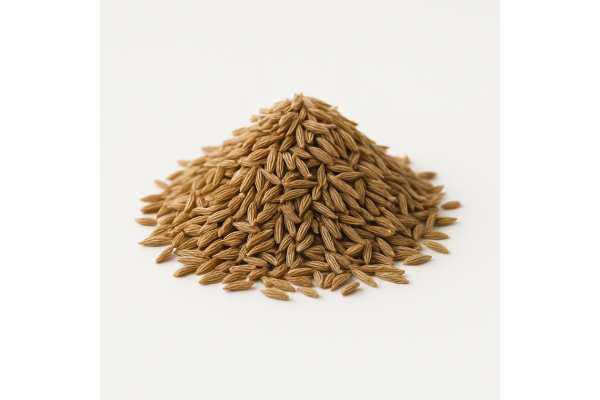
Cumin is a small seed with an outsized presence in global cooking and traditional health practices. Made from the dried seeds of the Cuminum cyminum plant, it delivers a warm, earthy, slightly bitter flavor that anchors countless spice blends from chili powder to garam masala. Beyond taste, cumin provides concentrated minerals such as iron and magnesium, aromatic oils with antioxidant activity, and bioactive compounds now being studied for effects on blood lipids, blood sugar, and digestion.
You can use cumin as whole seeds, freshly toasted and “popped” in oil, or as ground powder stirred into soups, stews, and marinades. In many cuisines, it’s a daily staple rather than an occasional accent. At the same time, people increasingly take cumin as capsules, teas, or herbal infusions, raising questions about dose, safety, and evidence. This guide walks you through what cumin offers, how to use it, and when to be careful.
Cumin At a Glance
- Typical culinary serving is about 1 teaspoon (2 g) of cumin seeds per person, used up to once or twice daily in meals.
- Cumin provides concentrated iron and other minerals plus aromatic compounds that may support digestion and modestly improve blood lipids and blood sugar in some people.
- High-dose supplements or strong infusions may cause digestive discomfort and could interact with certain medications or medical conditions.
- Individuals with known spice allergies, especially to related plants like coriander or fennel, or those with a history of anaphylaxis, should be cautious or avoid cumin without specialist advice.
- People who are pregnant, on blood-thinning or diabetes medications, or managing complex chronic disease should avoid self-prescribing high-dose cumin supplements and consult their healthcare team first.
Table of Contents
- Cumin Basics and Background
- Cumin Nutrition and Key Compounds
- Evidence-Based Cumin Health Benefits
- Risks, Allergies and Interactions
- Choosing Cumin, Quality, Sustainability and Storage
- Cooking With Cumin and Nutrient Retention
- Cumin Portions, Comparisons and FAQs
Cumin Basics and Background
Cumin comes from the dried, aromatic seeds of Cuminum cyminum, a flowering plant in the parsley family (Apiaceae). The seeds are slender, ridged, and usually brownish with a slightly curved shape. When crushed, they release a strong, warm aroma that many people associate with Indian, Middle Eastern, Mexican, and North African dishes.
Historically, cumin has been cultivated for thousands of years across the Eastern Mediterranean, Middle East, and South Asia. It appears in ancient texts as both a seasoning and a medicinal plant used for digestion and respiratory complaints. Today, major producers include India, Iran, Syria, Turkey, and several Mediterranean countries, with India dominating global production and consumption.
In grocery stores, you’ll typically find cumin in three main forms:
- Whole seeds: Best for toasting or “tempering” in hot oil at the start of cooking.
- Ground cumin: Convenient for adding directly to soups, stews, spice rubs, and sauces.
- Blends and mixes: A key component of curry powders, chili powders, taco seasonings, and many regional spice mixes.
Cumin is sometimes confused with other spices:
- Caraway (Carum carvi): The seeds look similar but are darker, with a more licorice-like, rye-bread aroma.
- Black cumin: This name is used for several different spices (including Nigella sativa and Bunium persicum) that are not nutritionally or pharmacologically identical to common cumin.
From a sensory perspective, cumin contributes:
- Aroma: Warm, earthy, slightly smoky.
- Taste: Mildly bitter and spicy, with a lingering, savory depth.
- Function in dishes: Builds base flavor, reduces perceived heaviness of rich foods, and balances acidic or tomato-based sauces.
Beyond culinary use, cumin is also:
- Prepared as herbal infusions or “cumin water”, often consumed warm after meals or first thing in the morning.
- Sold as capsules, tinctures, or concentrated extracts, sometimes standardized for particular compounds such as cuminaldehyde or essential oil content.
- Incorporated into traditional formulations alongside other herbs, making it hard to isolate cumin’s individual contribution.
Understanding these distinctions helps clarify the difference between using cumin as a spice in cooking versus taking it as a concentrated supplement. Most of the traditional safety experience comes from food-level intake, while modern clinical research often uses higher, encapsulated doses in specific populations.
Cumin Nutrition and Key Compounds
Cumin is used in small amounts, yet each teaspoon contains a dense package of nutrients and bioactive molecules. Nutrient databases indicate that 1 teaspoon (about 2 g) of whole cumin seeds provides roughly:
- 8 kcal of energy
- 0.37 g protein
- 0.47 g fat (mainly unsaturated)
- 0.93 g carbohydrate, including about 0.22 g fiber
- 1.4 mg iron (around 8% of a typical daily value)
- Around 20 mg calcium, 7–8 mg magnesium, and 38 mg potassium
Because cumin is often used by the tablespoon in family-sized dishes, a single plate of food can deliver a meaningful share of daily mineral requirements, especially iron and manganese, even though the spice adds almost no calories.
Key nutritional features include:
- Iron density: Cumin is notably rich in iron. On a per-weight basis, its iron content rivals that of many fortified foods. This is particularly relevant in cuisines where cumin is used daily and iron deficiency is common.
- Mineral diversity: Alongside iron, cumin offers calcium, magnesium, phosphorus, potassium, and trace amounts of zinc, copper, and manganese. These support processes from bone formation to energy metabolism and antioxidant defense.
- Low glycemic impact: With under 1 g of carbohydrate per teaspoon and some fiber, cumin has a negligible effect on blood sugar, making it suitable for low-carbohydrate or diabetes-friendly meal plans.
Cumin’s health relevance, however, goes beyond its vitamins and minerals. The seeds also contain phytochemicals and volatile oils, including:
- Cuminaldehyde: A major aromatic component believed to influence digestive enzyme activity and possibly glucose metabolism.
- Terpenes such as γ-terpinene, β-pinene, and p-cymene, which have antioxidant and antimicrobial properties in laboratory models.
- Phenolic compounds and flavonoids, which contribute to total antioxidant capacity.
- Phyto-sterols and small amounts of plant lipids, supporting cholesterol balance in some mechanistic studies.
When cumin is ground or heated, these volatile compounds are released. Light toasting can increase flavor and perceived aroma, while very high or prolonged heat may degrade some sensitive molecules.
It’s also worth noting that whole seeds retain their volatile oils better than ground powder during storage. Grinding increases surface area and speeds oxidation, which is why freshly ground cumin tends to taste more vibrant and may provide slightly higher levels of intact aromatics.
In summary, cumin is not a major calorie source but acts as a highly concentrated carrier of minerals and aromatic compounds that interact with digestive, metabolic, and microbial pathways—especially when used consistently over time.
Evidence-Based Cumin Health Benefits
Cumin has a long history as a digestive aid and general tonic. In recent decades, clinical research has begun testing these traditional uses in controlled trials, particularly around metabolic health. While findings are promising, it’s crucial to interpret them as supportive rather than miraculous; effects are usually modest and depend on context.
1. Digestive comfort and appetite
Traditionally, cumin is used to:
- Stimulate appetite in individuals with low intake.
- Reduce gas and abdominal discomfort after meals.
- Support digestion of rich, fatty, or legume-heavy dishes.
Experimental work suggests that cumin and its constituents can enhance digestive enzyme activity and bile secretion, which may help the body handle fats and complex carbohydrates more efficiently. Many people also find that cumin-based infusions or “cumin water” feel soothing after heavy meals, though rigorous human trials in this area are relatively limited.
2. Effects on blood lipids and body composition
A growing number of randomized controlled trials and meta-analyses have examined cumin supplementation—often in capsule form or as standardized extract—in people who are overweight, have type 2 diabetes, or have metabolic syndrome.
Across several controlled studies:
- Total cholesterol and LDL cholesterol tend to decrease modestly with daily cumin supplementation over several weeks.
- Some trials report increases in HDL cholesterol and small reductions in triglycerides, particularly when baseline levels are elevated.
- Body mass index (BMI), waist circumference, and body weight often show small but statistically significant improvements when cumin is combined with calorie control or other lifestyle changes.
Recent systematic reviews pooling these trials conclude that cumin supplementation can offer small, clinically relevant improvements in lipid profile and anthropometric measures, particularly as part of a broader lifestyle program rather than as a stand-alone intervention.
3. Blood sugar and insulin sensitivity
Clinical trials in people with type 2 diabetes and prediabetes indicate that:
- Daily cumin essential oil or extract, used for about 8–12 weeks, may lower fasting blood glucose and improve insulin sensitivity indices in some participants.
- These benefits are generally modest and vary between studies, but they align with experimental data suggesting effects on carbohydrate-digesting enzymes and oxidative stress.
Cumin should not replace standard diabetes care, but it may be considered as an adjunctive dietary component in consultation with a healthcare professional.
4. Antioxidant and anti-inflammatory potential
Laboratory and animal studies show that cumin extracts can:
- Neutralize reactive oxygen species.
- Influence inflammatory signaling pathways.
- Protect tissues from chemically induced damage in experimental settings.
Human data are more limited, but some trials report reductions in markers associated with oxidative stress and low-grade inflammation. At culinary doses, cumin likely contributes to the overall antioxidant load of a diet rich in herbs and spices.
5. Possible antimicrobial effects
Cumin essential oil shows activity against certain bacteria and fungi in vitro. While this doesn’t turn cumin into a clinical antimicrobial agent, it supports its traditional role in preserving foods and shaping gut microbial environments in combination with other dietary factors.
Overall, the best-supported benefits of cumin are in metabolic health (lipids, body weight, and glucose) and digestive comfort, especially when cumin is part of a broader pattern of healthy eating and lifestyle changes. The evidence is promising but not a substitute for medical treatment.
Risks, Allergies and Interactions
Culinary use of cumin in normal cooking amounts is generally considered safe for most people. Problems are more likely when cumin is consumed in concentrated supplemental doses, in individuals with underlying allergies, or when it interacts with medications.
1. Digestive side effects
In sensitive individuals, especially when using larger doses or concentrated extracts, cumin may cause:
- Heartburn or reflux
- Nausea or stomach discomfort
- Loose stools or mild cramping
These effects are usually mild and reversible when intake is decreased. People with existing reflux or peptic ulcer disease may be more susceptible to irritation from very spicy or heavily spiced foods, including cumin-heavy meals.
2. Allergic reactions
Although relatively uncommon compared with major allergens, cumin can trigger:
- IgE-mediated food allergy, including hives, swelling, or in rare cases, anaphylaxis.
- Oral allergy symptoms, such as itching or tingling in the mouth, especially in individuals with pollen-related cross-reactivities.
- Contact or inhalation reactions, for example in workers handling spices.
Cumin belongs to the same botanical family as coriander, fennel, dill, and celery, and cross-reactivity between these spices can occur. Reviews of spice and herb allergy note that cumin is among the spices most frequently implicated in reactions, particularly in people already sensitized to related plants.
A further concern is hidden allergens: cumin in processed foods may be contaminated or adulterated with other proteins (such as traces of nuts, sesame, or other spices). For people with severe food allergies, trace contamination can be clinically significant.
Anyone who has experienced unexplained reactions after eating spiced foods, or who has known spice or pollen allergies, should:
- Discuss cumin use with an allergist.
- Read ingredient lists carefully, especially on mixed seasonings.
- Prefer reputable brands with clear labeling and quality controls.
3. Medication and medical condition interactions
Data on cumin–drug interactions remain limited, but several theoretical and early clinical concerns exist:
- Blood sugar–lowering drugs: Because cumin may modestly reduce glucose in some individuals, combining high-dose supplements with diabetes medications could contribute to hypoglycemia.
- Anticoagulants and antiplatelet drugs: Some herbal sources suggest possible effects on coagulation or platelet function. While strong clinical evidence is lacking, a cautious approach is sensible for people on blood-thinning therapy.
- Liver or kidney disease: Experimental work explores impacts of cumin extracts on detoxification enzymes and organ function. People with significant organ disease should avoid high-dose supplements unless supervised.
In all these cases, culinary amounts used in ordinary cooking are unlikely to cause clinically meaningful interactions, but concentrated capsules or extracts should be used only under professional guidance.
4. Pregnancy, breastfeeding, and children
For pregnancy and lactation:
- Food-level use of cumin in cooking is widely regarded as acceptable.
- Large supplemental doses or strong medicinal infusions lack robust safety data. Some traditional systems even describe cumin as a menstrual stimulant, so high-dose use during pregnancy is best avoided without medical advice.
In children:
- Small amounts of cumin in family meals are typically well tolerated.
- Children with known food allergies, asthma, or pollen sensitivities should be monitored for any reaction when new spices, including cumin, are introduced.
When in doubt, especially for vulnerable groups, it is safer to stay within culinary quantities and avoid self-prescribing high-dose supplements.
Choosing Cumin, Quality, Sustainability and Storage
Cumin’s flavor, nutritional value, and safety depend heavily on how it is grown, processed, and stored. A thoughtful approach to selection and handling can maximize benefits and minimize risks.
1. Selecting good-quality cumin
When buying cumin, consider:
- Whole vs ground:
- Whole seeds retain aroma and volatile oils better. They are ideal if you’re comfortable toasting and grinding them at home.
- Ground cumin is convenient but loses flavor faster and is more vulnerable to adulteration or contamination.
- Color and appearance:
- Seeds should be uniform in color (light to medium brown) with distinct ridges.
- Avoid products with visible dust, discoloration, or insect fragments.
- Aroma test:
- Fresh cumin has a strong, distinct smell even before toasting. A weak or dusty aroma suggests age or improper storage.
- Brand and labeling:
- Look for clear labeling of species (Cuminum cyminum), origin, and whether the product is whole or ground.
- For those with food allergies, choose suppliers that provide allergen statements and have traceability systems.
2. Sustainability and sourcing
Cumin cultivation is concentrated in a few regions, with environmental and social considerations:
- Smallholder farming: Much cumin is grown by small farmers who may face price volatility. Fair-trade or ethically certified spice lines can support more stable livelihoods.
- Pesticide use: Some cumin crops may be treated with pesticides, especially in high-intensity production areas. Organic or low-residue certifications can reduce exposure.
- Transport footprint: As a lightweight, high-intensity flavoring, cumin’s environmental impact per serving is relatively low, but packaging and long-distance transport still matter. Buying modest quantities and using them fully helps avoid waste.
You can support sustainability by:
- Choosing reputable brands that disclose sourcing information.
- Buying smaller quantities more frequently, so spices stay fresh and are less likely to be discarded.
- Using refill systems where available to reduce packaging.
3. Storage for safety and flavor
Proper storage protects both flavor and safety:
- Keep cumin in airtight containers, away from heat, light, and moisture—ideally in a cool cupboard rather than above the stove.
- For ground cumin, plan to use within 6–12 months. Whole seeds can often maintain acceptable quality for 1–2 years when stored well.
- Signs your cumin is past its best include a faded aroma, flat taste, or visible clumping or discoloration.
From a safety standpoint, improper storage can lead to:
- Moisture and mold growth, particularly in humid climates.
- Increased risk of insect contamination if containers are not well sealed.
If cumin looks or smells off, it’s better to discard it than to risk substandard quality.
4. Avoiding contamination and adulteration
Because cumin is widely traded and relatively valuable, it has occasionally been involved in recalls for adulteration or contamination with undeclared substances. To reduce this risk:
- Avoid very cheap, unbranded bulk spices with minimal traceability.
- Purchase from stores with high turnover, so stock is relatively fresh.
- For people with severe allergies, consider single-ingredient products instead of complex blends, and keep an eye on recall notices issued by national food authorities.
By paying attention to how cumin is sourced, purchased, and stored, you can preserve its sensory and health benefits while supporting safer and more sustainable supply chains.
Cooking With Cumin and Nutrient Retention
Cumin is both versatile and forgiving in the kitchen. Knowing how to handle it can elevate flavor while preserving its beneficial compounds.
1. Core cooking techniques
Common ways to use cumin include:
- Tempering (tadka): Whole seeds are briefly fried in hot oil or ghee until they darken slightly and become aromatic, then the flavored fat is poured over cooked lentils, vegetables, or soups. This technique extracts and distributes fat-soluble aromatics.
- Dry roasting: Seeds are gently toasted in a dry pan until fragrant, then cooled and ground. This deepens flavor and reduces raw bitterness.
- Direct addition of ground cumin: Ground cumin can be stirred into stews, sauces, and marinades. It is often added mid-cooking so it has time to integrate but not burn.
- Cumin water or tea: Lightly crushed seeds are simmered or steeped in hot water and sipped warm. This preparation is common for digestive comfort and as a caffeine-free alternative to tea.
Practical guidelines:
- Start with ½–1 teaspoon of ground cumin per serving of a dish and adjust based on taste and the presence of other strong spices.
- When tempering seeds, use medium heat and remove from the stove as soon as they darken slightly and smell nutty. Burnt cumin becomes acrid and can irritate the stomach.
- When using ground cumin in a pan, give it 30–60 seconds of gentle frying in fat before adding liquids. This helps “bloom” the spice and release aroma.
2. Balancing flavor and health
Cumin is often paired with:
- Coriander, turmeric, fennel, and chili, forming the backbone of many curry and stew profiles.
- Citrus and yogurt, as in marinades for meat or roasted vegetables.
- Garlic, onion, and tomato, creating rich, savory sauces with enhanced depth of flavor.
These combinations not only improve palatability but also allow for reduced salt, since layered spices make food taste more complex even when sodium content is modest.
3. Nutrient retention considerations
Most of cumin’s minerals (iron, magnesium, calcium) are heat-stable, so ordinary cooking does not significantly reduce them. However, some aspects deserve attention:
- Volatile oils and delicate aromatics can be lost with long, high-heat cooking. To preserve aroma:
- Use tempering or quick frying rather than prolonged high-heat roasting.
- Add a small portion of ground cumin near the end of cooking to refresh the aroma.
- Water-based preparations such as cumin infusions may extract different profiles of compounds compared with oil-based cooking. Infusions are less likely to carry large amounts of fat-soluble components but can still provide flavor and some water-soluble constituents.
For those using cumin primarily for potential metabolic benefits rather than just flavor, the form and dose matter more than the subtle differences in cooking method. Studies typically use standardized extracts or defined daily doses, not just culinary sprinkling. Culinary use, however, offers sustainable long-term, low-dose exposure that complements overall dietary patterns.
4. Ideas for healthy cumin-rich dishes
- Lentil or chickpea stews with tempered cumin seeds, tomatoes, and leafy greens.
- Roasted vegetables (carrots, cauliflower, sweet potatoes) tossed with ground cumin, paprika, garlic, and a small amount of oil.
- Yogurt-based dips or dressings with ground cumin, lemon juice, garlic, and chopped herbs.
- Whole-grain pilafs or quinoa dishes scented with cumin, coriander, and onion.
Each of these uses cumin not only for taste but also as part of balanced meals rich in fiber, plant proteins, and unsaturated fats.
Cumin Portions, Comparisons and FAQs
Understanding how much cumin to use, how it compares to similar spices, and when to be cautious can help you incorporate it safely and effectively.
1. Practical serving sizes and frequency
In everyday cooking:
- A typical single-person portion of cumin in a dish is about 1 teaspoon (2 g) or less.
- For a family meal serving 4 people, recipes often use 1–2 tablespoons of cumin seeds or ground cumin across the whole dish.
From a safety standpoint for generally healthy adults:
- Using up to 1–2 teaspoons (2–4 g) of cumin per day in food is common in many traditional diets and is unlikely to pose issues for most people.
- Clinical trials using capsules or extracts have employed higher equivalent doses, but these were monitored and targeted at specific conditions; such regimens should not be copied without professional guidance.
Children, pregnant or breastfeeding individuals, and people with chronic disease should stay closer to culinary amounts unless advised otherwise by a clinician.
2. Cumin compared with related spices
- Cumin vs coriander:
- Both come from the Apiaceae family and are often used together.
- Cumin is earthier and more intense; coriander seed is lighter, citrusy, and slightly sweet.
- Nutritionally, both provide minerals and aromatics, but cumin is generally richer in iron per gram.
- Cumin vs caraway:
- Caraway is more associated with rye bread and some European dishes; its flavor is sharper and more anise-like.
- They are not interchangeable in all recipes, though small substitutions may work in some baked goods or stews.
- Cumin vs “black cumin” (Nigella sativa):
- Despite similar names, they are botanically and chemically distinct.
- Nigella sativa is often used in traditional medicine and studied separately; health data about black seed oil do not automatically apply to common cumin.
3. Frequently asked questions
Is cumin good for weight loss?
Cumin alone is not a weight-loss cure, but trials using cumin supplements or cumin-based interventions show small improvements in body weight and waist circumference, especially when combined with calorie control and healthier eating. It’s better to think of cumin as a supportive part of a weight-management plan, not a stand-alone solution.
Can I drink cumin water every day?
Many people drink warm cumin infusions daily without issues. For most healthy adults, 1–2 cups of mild cumin water (made with about ½–1 teaspoon of lightly crushed seeds per cup) is generally reasonable. Stop or reduce use if you notice heartburn, nausea, or other symptoms, and avoid very concentrated decoctions unless advised by a professional.
Is cumin safe for people with diabetes?
Culinary amounts are typically safe and may contribute to a balanced, lower-sodium, higher-flavor meal pattern. Supplements or strong infusions aimed at lowering blood sugar should be used with caution: they may enhance the effects of diabetes medications, increasing the risk of low blood sugar. Always discuss supplemental use with your healthcare team.
Does roasting cumin destroy its benefits?
Light toasting enhances aroma and has minimal effect on most minerals. Some volatile compounds may be reduced by prolonged high heat, but this trade-off is usually outweighed by improved flavor and digestibility. Avoid burning the seeds; once they turn very dark and smell acrid, discard and start again.
Is cumin low FODMAP?
Cumin is typically used in small quantities and is considered low in fermentable carbohydrates at normal serving sizes, so it is generally compatible with low-FODMAP-style eating plans. However, dishes containing cumin may also include high-FODMAP ingredients, which is where problems more often arise.
Can cumin replace my medication?
No. Even though cumin shows encouraging effects on lipids, blood sugar, and weight markers, these are complementary, not a substitute for prescribed treatment. Use cumin as part of a wider pattern of healthy eating, and always consult your healthcare provider before changing medication doses.
References
- Cumin: 6 health benefits 2019 (Overview and nutrition/health summary)
- Efficacy of Cuminum Cyminum supplementation on lipid profile and anthropometric parameters: A systematic review and meta-analysis of randomized controlled clinical trials 2022 (Systematic Review)
- Cumin (Cuminum cyminum L.) is a safe approach for management of lipid parameters: A systematic review and meta-analysis of randomized controlled trials 2018 (Systematic Review)
- Synergistic effects of a carbohydrate-controlled diet and Cuminum cyminum herbal infusion on metabolic syndrome 2025 (Original Research)
- Spices, herbs and allergic reactions in children: myth or reality — a narrative review with scoping elements 2025 (Narrative Review)
Disclaimer
The information in this article is intended for general educational purposes and should not be taken as medical advice, diagnosis, or treatment. Cumin and other dietary components can interact with medications and health conditions in ways that vary between individuals. Always consult a qualified healthcare professional or registered dietitian before making significant changes to your diet, starting herbal supplements, or adjusting any prescribed therapy. Never ignore or delay seeking professional medical advice because of something you have read here.
If you found this guide helpful, you are welcome to share it with others on Facebook, X (formerly Twitter), or any platform you prefer. Thoughtful sharing helps more readers access accurate, balanced information and supports the ongoing effort to produce high-quality, evidence-informed content.