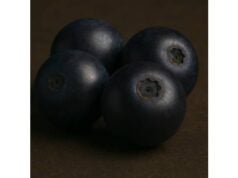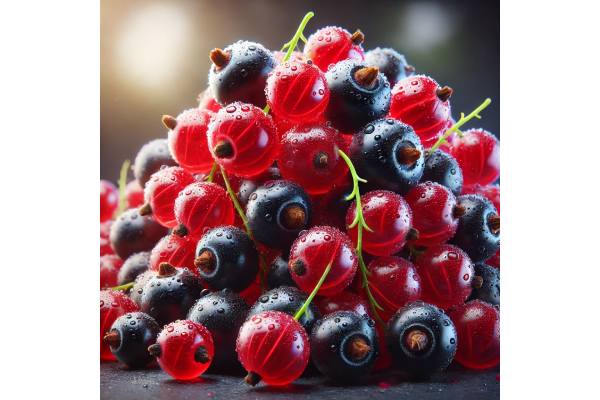
Tart, jewel-toned, and packed with plant compounds, currants are small berries with a big story. In most produce aisles you will see black currants (Ribes nigrum) and red currants (Ribes rubrum), each offering a different flavor profile and nutrition mix. Black currants deliver exceptionally high vitamin C and deep-purple anthocyanins; red currants are slightly lighter in color and tang, with solid fiber and potassium. Currants show up fresh in summer desserts, sauces, and salads; they also shine in jams, syrups, and savory glazes for poultry, lamb, or mushrooms. It is worth knowing that “Zante currants” in baking are not currants at all but tiny dried grapes—nutritionally and culinarily distinct. If you love bold, tart fruit that can be sweetened or kept sharp, currants reward a little kitchen curiosity. This guide explains what sets them apart, details their nutrition, reviews evidence-backed benefits and risks, and offers clear steps for selecting, storing, cooking, and portioning currants so you can use them confidently at home.
At a Glance
- Black currants are rich in vitamin C (≈181 mg per 100 g) and anthocyanins; red currants provide fiber (≈4.3 g per 100 g) and potassium.
- Typical serving: ½–1 cup fresh berries (70–140 g), 3–5 times per week within a varied fruit intake.
- Safety note: some people with pollen-related oral allergy syndrome react to raw currants; cooking often improves tolerance.
- Limit or avoid: high-sugar “Zante currants” (dried grapes) if you monitor added or concentrated sugars; keep servings modest.
- People on warfarin or other vitamin K–antagonists should keep vitamin K intake consistent; currants contain modest amounts.
Table of Contents
- Currants, Types, and Detailed Overview
- Currant Nutrition Profile (Per 100 g)
- Evidence-Based Health Benefits of Currant
- Risks, Allergies and Interactions
- Selecting, Quality, Sustainability and Storage
- Preparation, Cooking and Nutrient Retention
- Portions, Comparisons and FAQs
Currants, Types, and Detailed Overview
Currants are clustered berries from shrubs in the Ribes genus. The two most common edible types are black currants (Ribes nigrum) and red currants (Ribes rubrum); white currants are a pale cultivar of red currant with gentler acidity. Their flavor is distinct from blueberries or blackberries: expect bright, assertive tartness layered over subtle sweetness, plus a resinous, herbal aroma in black currants. That intensity makes currants equally at home in desserts and savory dishes. Cooks often pair them with sugar or honey to balance their acidity; in savory cooking, currants bring lift to rich sauces and roasts.
It helps to separate true currants from similarly named foods. Zante currants—common in baking—are not currants but tiny dried grapes (Vitis vinifera). They are closer to raisins in nutrition and behavior, with concentrated sugars and characteristic caramel notes. In recipes, dried “currants” add chew and sweetness; fresh currants add tart, juicy pops. Swapping one for the other changes both taste and nutrient profile.
Botanically and agriculturally, black currants and red currants are hardy, cold-tolerant shrubs suited to temperate climates. They flower in spring and ripen early to midsummer. Black currant skins contain anthocyanins, the pigments responsible for their purple-black hue; these compounds also exist in red currants, though typically at lower levels and with a different spectrum of pigments. The berries’ seeds are small and edible. Their pectin content lends body to jams and jellies without excessive added sugar.
From a nutrition perspective, black currants are notable for very high vitamin C, plus fiber and potassium. Red currants provide moderate vitamin C, good fiber for their weight, and a similar mineral profile. Both contribute polyphenols that can support cardiometabolic health as part of an overall healthy diet. Fresh currants are low in calories and offer a satisfying tartness that can reduce the need for heavy sweetening when used thoughtfully.
In the kitchen, think beyond jam. Use currants to brighten yogurt bowls, fold into muffin batter, or scatter over salads with goat cheese and toasted nuts. Make a quick pan sauce by deglazing with stock and a splash of wine, then add a handful of currants to simmer just until they slump. For beverages, black currants infuse cordials, shrubs, and teas with striking color and tang. If your only experience is with sugary candies, fresh berries will be a pleasant surprise: sharper, more aromatic, and far more versatile.
Currant Nutrition Profile (Per 100 g)
Notes on data
Values below refer to raw fruit unless otherwise specified. Percent Daily Values (%DV) follow current U.S. labeling DVs. Amounts vary by cultivar, ripeness, and growing conditions. Zante currants are dried grapes, not Ribes fruit; they are included here for comparison because they are commonly confused with currants.
Macros and Electrolytes (per 100 g)
| Item | Black currant (raw) | %DV | Red currant (raw) | %DV |
|---|---|---|---|---|
| Energy (kcal) | 63 | 3% | 56 | 3% |
| Water (g) | 82.8 | — | 84.0 | — |
| Carbohydrate (g) | 15.4 | 6% | 13.8 | 5% |
| Dietary fiber (g) | 6.8 | 24% | 4.3 | 15% |
| Total sugars (g) | 6.7 | — | 7.4 | — |
| Protein (g) | 1.4 | 3% | 1.4 | 3% |
| Total fat (g) | 0.41 | 1% | 0.2 | 0% |
| Potassium (mg) | 322 | 7% | 275 | 6% |
| Sodium (mg) | 2 | 0% | 1 | 0% |
Vitamins (per 100 g)
| Vitamin | Black currant | %DV | Red currant | %DV |
|---|---|---|---|---|
| Vitamin C (mg) | 181 | 201% | 41 | 46% |
| Vitamin K (µg) | — | — | 11 | 9% |
| Vitamin E (mg) | 1.0 | 7% | 0.1 | 1% |
| Thiamin B1 (mg) | 0.05 | 4% | 0.04 | 3% |
| Riboflavin B2 (mg) | 0.05 | 4% | 0.05 | 4% |
| Vitamin B6 (mg) | 0.07 | 4% | 0.07 | 4% |
| Folate (µg DFE) | — | — | 8 | 2% |
Minerals (per 100 g)
| Mineral | Black currant | %DV | Red currant | %DV |
|---|---|---|---|---|
| Calcium (mg) | 55 | 4% | 33 | 3% |
| Iron (mg) | 1.5 | 9% | 1.0 | 6% |
| Magnesium (mg) | 24 | 6% | 13 | 3% |
| Phosphorus (mg) | 59 | 5% | 44 | 4% |
| Zinc (mg) | 0.27 | 2% | 0.23 | 2% |
| Manganese (mg) | 0.26 | 11% | 0.19 | 8% |
| Selenium (µg) | — | — | 0.6 | 1% |
Fats and Fatty Acids (per 100 g)
Fresh currants are naturally very low in fat; trace amounts are primarily polyunsaturated.
| Component | Black currant | Red currant |
|---|---|---|
| Saturated fat (g) | 0.03 | 0.02 |
| Monounsaturated fat (g) | — | 0.028 |
| Polyunsaturated fat (g) | — | 0.088 |
| Cholesterol (mg) | 0 | 0 |
Bioactives / Phytonutrients
- Anthocyanins (notably delphinidin- and cyanidin-rutinosides) concentrated in black currant skins; present at lower levels in red currants.
- Phenolic acids and flavonols contributing antioxidant capacity and color.
- Pectin that supports gel formation in preserves and may aid satiety.
Glycemic and Acid–Base Metrics
| Metric | Black currant | Red currant | Interpretation |
|---|---|---|---|
| Glycemic load (per 100 g) | ~3–4 | ~3 | Very low due to modest sugars and fiber. |
| PRAL | ~–5 | ~–4 | Slightly alkaline-forming overall. |
Allergens and Intolerance Markers
- Pollen–food allergy syndrome (oral allergy syndrome) can occur in sensitized individuals; symptoms typically involve itching of lips, mouth, or throat with raw fruit.
- Histamine content is generally low in fresh currants; fermented products (e.g., some cordials) may contain biogenic amines depending on processing.
Additives and Fortification (Processed Forms)
- Preserves, syrups, cordials: sugar is often added to balance acidity; check labels for total sugars per serving.
- Juices: may be blended or sweetened; some shelf-stable products are pasteurized, which is standard and safe.
Comparison Note: Zante Currants (Dried Grapes, per 100 g)
| Item | Amount | %DV | Key difference |
|---|---|---|---|
| Energy (kcal) | ~283 | 14% | 4–5× the calories of fresh currants due to drying. |
| Carbohydrate (g) | ~74 | 27% | Concentrated natural sugars; sweetness and chew. |
| Fiber (g) | ~6.8 | 24% | Comparable fiber to black currant by weight, but higher sugars. |
| Potassium (mg) | ~750–800 | ~16% | High for dried fruit; portion control advised. |
Footnote: Zante currants are grapes (Black Corinth) and nutritionally closer to raisins than to true currants.
Evidence-Based Health Benefits of Currant
1) High vitamin C supports immune function and iron absorption.
A standout feature of black currants is their vitamin C content—around 181 mg per 100 g, more than double the Daily Value. Vitamin C helps regenerate other antioxidants, supports normal immune defense, and enhances non-heme iron absorption from plant foods. Practically speaking, pairing a vitamin C–rich fruit such as black currant with iron-containing beans or leafy greens can improve the total iron you absorb from that meal. Red currants, at roughly 41 mg vitamin C per 100 g, are still strong contributors and can help diversify fruit intake across the week.
2) Polyphenols, especially anthocyanins, can benefit vascular function.
Human trials with anthocyanin-rich foods—including black currant beverages—have shown meaningful postprandial improvements in flow-mediated dilation (a measure of endothelial function), alongside trends toward reduced platelet aggregation and modest systolic blood pressure effects in certain designs. These vascular responses are consistent with mechanistic data showing increased nitric oxide bioavailability, reduced oxidative stress, and anti-inflammatory signaling. While not a replacement for medications or lifestyle therapy when those are indicated, frequent inclusion of anthocyanin-rich fruits aligns well with heart-healthy dietary patterns.
3) Exercise and circulation: early but intriguing signals.
Pilot studies and short crossover trials have observed that black currant extracts may help maintain peripheral blood flow during prolonged sitting or light tasks and modulate hemodynamic responses during cognitive or physical stressors. Not all studies find performance gains, and results vary by dose, extract standardization, and population. The most balanced interpretation: black currant polyphenols can influence vascular dynamics in the short term, with potential relevance to recovery and perceived exertion, but training status and study design matter.
4) Eye comfort and visual fatigue: mixed evidence.
Black currant compounds have been studied for eye strain and dry eye symptoms, with some trials reporting improvements in subjective fatigue or tear measures after weeks of intake, and others showing neutral effects. Given heterogeneity across formulations and endpoints, consumers should set modest expectations. If you try a black currant product for eye comfort, choose standardized preparations, give it several weeks, and evaluate whether symptoms truly change for you.
5) Glycemic impact is naturally modest for fresh currants.
Fresh currants deliver fiber with relatively low sugars per 100 g, leading to a low glycemic load. They can be valuable in meals where you want a bright, sweet-tart element without a significant glucose spike. In contrast, Zante currants—being dried—are concentrated in sugars; they are best treated like other dried fruits and portioned accordingly.
6) Dietary pattern synergy.
Currants are not a magic bullet. Their best effects emerge when they are part of a balanced pattern: plentiful vegetables and fruits (including anthocyanin-rich berries), whole grains, legumes, nuts, seeds, lean proteins, and healthy fats. Within this mix, currants supply vitamin C, fiber, potassium, and polyphenols that complement other foods’ nutrients.
Practical ways to capture benefits
- Add ½–1 cup fresh currants to breakfast bowls, grain salads, or yogurt to raise vitamin C and fiber.
- Use black currants in sauces for poultry or fish to pair polyphenols with protein and healthy fats.
- Opt for unsweetened frozen black currants for smoothies if fresh berries are out of season.
Risks, Allergies and Interactions
Pollen-related oral allergy syndrome (OAS).
Individuals sensitized to certain pollens may experience oral itching, tingling, or mild swelling when eating raw currants. Symptoms are usually localized and brief. Many people tolerate currants when cooked, baked, or made into jam or compote. Anyone with systemic reactions (hives, wheeze, throat tightness) should avoid the food and seek medical care; formal evaluation with an allergy professional helps confirm triggers and personalize avoidance or tolerance strategies.
Medication considerations.
Currants contain modest vitamin K, particularly in red and white currants. If you use warfarin or another vitamin K–antagonist, the safest approach is consistency: keep your daily vitamin K intake steady rather than eliminating it. Communicate dietary changes to your care team, especially if you plan to add large or frequent servings of vitamin K–containing produce.
Sugar concentration in dried “currants.”
Zante currants are dried grapes. A small handful can pack as much sugar as a serving of raisins. For those watching carbohydrate or overall energy intake, keep portions modest (for example, 1–2 tablespoons in a recipe or snack) and emphasize fresh currants for tart flavor with less sugar per bite.
Gastrointestinal comfort.
The fiber in currants is generally well tolerated, but a quick jump in intake can cause bloating in sensitive individuals. Spread servings across the day and drink water alongside high-fiber meals.
Kid and pet safety.
Fresh currants, when cut appropriately, are safe for most children who manage small soft foods well. As with all berries, supervise young eaters and adjust texture to skill level. Grapes and raisins (including Zante currants) are toxic to dogs; keep all forms of grapes, raisins, and Zante currants away from pets.
Quality and spoilage.
Discard berries that are moldy, leaking, or fermented-smelling. If a jarred product pops or leaks, or if a homemade preserve grows mold, do not scrape and reuse; discard.
Selecting, Quality, Sustainability and Storage
What to look for when buying
- Black currants: deep purple-black with a matte bloom; skins taut, clusters heavy for their size, a piney–fruity aroma when fresh.
- Red currants: vivid translucent red; stems and berries should be plump and glossy.
- White currants: pale yellow to blush; similar cues as red.
- Avoid shriveled berries, leaks, or sticky cartons—signs of age and damage.
Seasonality and forms
Fresh currants peak in early to midsummer in temperate regions; frozen unsweetened black currants are commonly available year-round. Jams, jellies, syrups, and cordials provide stable pantry options, though sugar levels vary widely.
Sustainability notes
Currant shrubs are perennial and relatively low-input compared with some annual fruits. They can be grown successfully in small farms and gardens, supporting local biodiversity and pollinators. Buying from nearby growers in season reduces transport and often yields better flavor. Frozen fruit can reduce waste and extend availability without significant nutrient loss for most uses.
Storage and handling
- Refrigerate fresh currants unwashed in a breathable container; remove spoiled berries to slow mold spread. Best texture within 3–5 days.
- Rinse just before use in cool running water; drain well on a towel.
- Freeze by spreading dry berries on a tray, freezing until firm, then sealing in bags with air pressed out. Use within 6–12 months for best flavor.
- Jams and jellies keep for 1 year unopened in a cool, dark place; refrigerate after opening and use within 3–4 weeks.
- Cordials and syrups vary—follow label guidance; opened bottles usually require refrigeration.
If you grow your own
Choose cultivars suited to your climate and disease pressures. Prune annually to encourage airflow and sun penetration; this supports even ripening and reduces fungal issues. Harvest when clusters are fully colored and lightly soft to the touch; currants do not sweeten much after picking.
Preparation, Cooking and Nutrient Retention
Wash, then sort.
Rinse berries in a colander under cool water and drain. Remove leaves, damaged berries, and any long stem fragments. For delicate presentations, snip clusters with scissors and gently strip berries onto a tray.
Retaining vitamin C and polyphenols
Vitamin C is water- and heat-sensitive; quick cooking or raw uses preserve it best. Anthocyanins tolerate gentle heat but degrade with prolonged high temperatures and high pH. Practical tips:
- Use fresh or frozen berries in raw or briefly heated dishes when vitamin C is a priority—yogurt bowls, salads, salsas, or a last-minute stir-in to warm porridge.
- Cook fast and acidic for sauces: simmer with a splash of wine or vinegar and minimal water; finish as soon as berries slump.
- Preserves with less sugar: leverage currants’ natural pectin to set jam with lower added sugar; smaller batches shorten cook time and help preserve color.
- Bake smart: fold berries in gently and avoid overmixing to reduce juice loss; bake at moderate temperatures and avoid extended holding in hot ovens.
- Frozen fruit: add directly to batters or smoothies; do not thaw fully unless the recipe calls for released juices.
Culinary applications that work especially well
- Savory glazes: reduce stock with shallot and thyme, whisk in a handful of black currants and a knob of butter, season, and spoon over chicken or roasted mushrooms.
- Sharp-sweet condiments: black currant mustard or red currant relish provides sparkle for cheese boards and sandwiches.
- Simple desserts: red currant ripple through yogurt, black currant compote over pancakes, or a currant clafoutis.
- Hydration-forward drinks: splash currant syrup into sparkling water with lemon; adjust sweetness to taste.
- Grain salads: toss farro or barley with herbs, cucumber, toasted nuts, and red currants for texture and tang.
Flavor partners
Currants love citrus, apple, pear, stone fruit, beets, cucumber, cabbage, greens, fresh herbs (mint, dill, tarragon), spices (cardamom, allspice), chocolate, coffee, vanilla, and dairy or plant-based yogurts. Their acidity cuts through richness from salmon, duck, lamb, and cheeses such as brie, chèvre, and feta.
Food safety basics
Always chill berries promptly after purchase, keep cutting boards clean, and store leftovers cold. If canning jams, follow up-to-date, tested recipes and correct acidity levels.
Portions, Comparisons and FAQs
Portion guidance
- Fresh currants: ½–1 cup (≈70–140 g) as a snack, side, or mix-in.
- Frozen currants: ½ cup (≈70 g) in smoothies or sauces.
- Zante currants (dried grapes): 1–2 tablespoons (≈10–20 g) in baking or salads due to concentrated sugars.
- Frequency: enjoy 3–5 times per week within a diverse fruit rotation.
How currants compare (per 100 g, fresh unless noted)
- Black currant vs blueberry: black currant generally offers more vitamin C and more fiber per 100 g; blueberry is milder and often sweeter.
- Red currant vs cranberry (raw): red currant is less bitter and more snackable; both are tart and low in calories.
- Black currant vs Zante currants (dried grapes): fresh black currant is low sugar with high vitamin C; Zante currants are high sugar with raisin-like nutrition—great for flavor but portion carefully.
Frequently asked questions
Are black and red currants interchangeable in recipes?
Often, yes—with adjustments. Red currants are brighter and more translucent; black currants are darker and more aromatic. If you substitute red for black, expect a lighter flavor and color; you may reduce sweetener. If you substitute black for red, be ready for stronger aroma and deeper hue.
Do currants work in low-sugar preserves?
Yes. Their pectin helps set jams with less added sugar. Use small batches and accurate temperatures for a good gel; acid balance matters.
Can I drink currant juice for the same benefits as whole berries?
Juice concentrates color and flavor but usually lacks fiber. Choose products without added sugar and consider whole berries or purées for fiber and satiety.
Are there differences between fresh and frozen black currants?
Frozen black currants are typically harvested at peak ripeness and quick-frozen, preserving nutrients well. Thaw gently to minimize juice loss when using in batters; or cook from frozen for sauces and compotes.
Do currants stain teeth or cookware?
Anthocyanins can stain porous surfaces. Rinse boards and tools promptly; soak fabrics in cold water with a bit of detergent before laundering.
Who should be cautious?
- People with oral allergy syndrome to related fruits should test tolerance carefully, starting with cooked forms.
- Individuals monitoring vitamin K while on warfarin should keep portions consistent and coordinate with their clinician.
- Anyone managing carbohydrate intake should treat Zante currants like other dried fruits and limit portions.
One-week, low-effort ways to use currants
- Breakfast: yogurt with frozen black currants, oats, and chopped nuts.
- Lunch: farro salad with red currants, cucumber, chickpeas, and dill.
- Snack: sparkling water with a spoon of currant syrup and lemon.
- Dinner: pan-seared chicken with quick black currant pan sauce.
- Dessert: red currant ripple in lightly sweetened ricotta.
References
- Nutrition Facts for Blackcurrants 2025.
- Nutrition Facts for Red And White Currants 2025.
- Daily Value on the Nutrition and Supplement Facts Labels 2024 (Guidance).
- Anthocyanin Effects on Vascular and Endothelial Health 2023 (Systematic Review).
- Acute Effects of an Anthocyanin-Rich Blackcurrant Beverage, Compared With a Matched Placebo, on Selected Markers of CVD Risk in Healthy Middle-Aged Subjects in Response to a High-Fat Meal 2025 (RCT).
Disclaimer
This guide is educational and does not replace personalized medical advice, diagnosis, or treatment. Speak with a qualified health professional about your diet if you have chronic conditions, food allergies, are pregnant or breastfeeding, or take medications such as anticoagulants. Nutrition values vary by brand and cultivar; always check product labels and follow safe food handling practices.
If this article helped you, a quick share on Facebook, X (formerly Twitter), or your favorite platform supports our work and helps others find practical, trustworthy nutrition content.