Custard apple is the umbrella name many shoppers use for a small group of creamy, perfumed fruits in the Annona family—most often sugar apple (Annona squamosa), and in some regions cherimoya (Annona cherimola) or their hybrid atemoya. Under a knobbly or scaly skin, the flesh spoons out like a soft custard with hints of pineapple, banana, and vanilla. Beyond dessert-worthy flavor, custard apple delivers meaningful nutrition: vitamin C for immune support, fiber for digestion, and potassium and vitamin B6 for metabolic and heart health. In the kitchen, it shines raw as a simple chilled fruit, folded into yogurt, churned into sorbet, or blended into smoothies and lassis. Because the seeds and peel are not edible, preparation is straightforward—halve, scoop, and remove the glossy black seeds. This guide explains what to expect nutritionally (with clear, per-100-gram tables), how to choose and store ripe fruit, the real evidence on benefits, and safety notes unique to Annona species so you can enjoy custard apple confidently and well.
Top Highlights
- Provides vitamin C (~36 mg per 100 g in sugar apple) plus fiber for digestive and immune support.
- Seeds and leaves are not edible; avoid teas or supplements made from Annona leaves or seeds.
- Typical portion: 100–150 g edible flesh (about ½–1 small fruit), 3–4 times weekly.
- People with neurodegenerative disorders, chronic kidney disease, or strict low-sugar diets should limit and select portions carefully.
Table of Contents
- Custard Apple at a Glance
- Nutrition Profile (per 100 g)
- Evidence-Based Health Benefits
- Risks, Allergies and Interactions
- Selecting, Quality, Sustainability and Storage
- Preparation, Cooking and Nutrient Retention
- Portions, Comparisons and FAQs
Custard Apple at a Glance
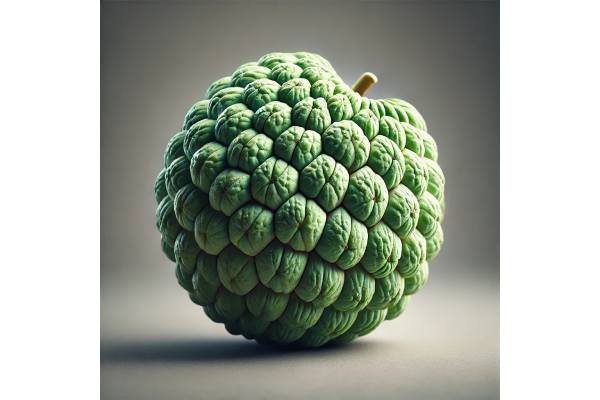
“Custard apple” most commonly refers to sugar apple (Annona squamosa), a softball-size fruit with a segmented, pine-cone-like rind that separates slightly when ripe. In some markets, people also use the same name for cherimoya (Annona cherimola), which has a smoother, scale-like skin, and for atemoya, a hybrid of the two. All belong to the Annona genus. Despite similar flavor and texture, their nutrition differs modestly; this article shows both sugar apple and cherimoya values so you can translate guidance to what’s available where you live.
Taste and texture: The scent is tropical and vanilla-like. The flesh is ivory, silky, and custard-soft, with embedded, glossy black seeds you must remove. Sugar apple segments pull apart when perfectly ripe; cherimoya often yields like a ripe avocado.
Culinary uses: Because their delicate flesh breaks down with heat, these fruits are best enjoyed raw or only gently processed. Common uses include:
- Eaten chilled with a spoon.
- Blended into smoothies, milkshakes, or Indian-style lassis.
- Stirred into yogurt or chia pudding.
- Frozen as purée for no-churn sorbet or popsicles.
- Folded into fruit salads where acidity from citrus helps balance sweetness.
Season and availability: Harvest windows vary by region but generally run late summer through winter for cherimoya and late monsoon to early winter for sugar apple in tropical/subtropical zones. Increasingly, you will find them flash-frozen as seedless pulp—handy for smoothies and desserts.
Buying notes vs. related fruits: Soursop (Annona muricata) is a different species with spiny skin and a stronger, tangier flavor. Guidance in this article focuses on sugar apple and cherimoya, not soursop. All Annona seeds and peels are inedible.
Quick prep: Rinse the fruit, pat dry, halve, and either spoon out the flesh (cherimoya) or gently separate segments (sugar apple). Discard seeds and peel.
Storage snapshot: Ripen at room temperature until the fruit yields slightly to gentle pressure or segments gap slightly; then refrigerate up to 2–3 days. Pulp freezes well for several months.
Bottom line: Custard apple is a dessert-worthy fruit that also supplies vitamin C, fiber, potassium, and vitamin B6. Handle gently, avoid inedible parts, and enjoy mostly raw for peak flavor and nutrition.
Nutrition Profile (per 100 g)
How to read these tables: Values below reflect edible flesh. Because “custard apple” names differ by region, two commonly sold types are shown side-by-side. %DV uses U.S. Daily Values for adults and children 4+ years.
Summary snapshot (per 100 g):
- Sugar apple (Annona squamosa): ~94 kcal; carbs ~23.6 g; fiber ~4.4 g; protein ~2.1 g; fat ~0.3 g; vitamin C ~36 mg; potassium ~247 mg.
- Cherimoya (Annona cherimola): ~75 kcal; carbs ~17.7 g; fiber ~3.0 g; protein ~1.6 g; fat ~0.7 g; vitamin C ~12.6 mg; potassium ~287 mg.
Macros and Electrolytes (per 100 g)
| Nutrient | Sugar apple | %DV | Cherimoya | %DV |
|---|---|---|---|---|
| Energy (kcal) | 94 | — | 75 | — |
| Water (g) | ~73 | — | ~80 | — |
| Carbohydrate (g) | 23.6 | — | 17.7 | — |
| Dietary fiber (g) | 4.4 | 16% | 3.0 | 11% |
| Total sugars (g) | — | — | ~12.9 | — |
| Protein (g) | 2.1 | — | 1.6 | — |
| Total fat (g) | 0.29 | 0% | 0.68 | 1% |
| Saturated fat (g) | 0.05 | 0% | 0.37 | 2% |
| Sodium (mg) | 9 | 0% | 7 | 0% |
| Potassium (mg) | 247 | 5% | 287 | 6% |
Vitamins (per 100 g)
| Vitamin | Sugar apple | %DV | Cherimoya | %DV |
|---|---|---|---|---|
| Vitamin C (mg) | 36.3 | 40% | 12.6 | 14% |
| Thiamin (B1, mg) | 0.112 | 9% | 0.100 | 8% |
| Riboflavin (B2, mg) | 0.112 | 9% | 0.131 | 10% |
| Niacin (B3, mg) | 0.88 | 6% | 0.63 | 4% |
| Pantothenic acid (B5, mg) | 0.23 | 5% | 0.34 | 7% |
| Vitamin B6 (mg) | 0.20 | 12% | 0.26 | 15% |
| Folate (DFE, µg) | 14 | 4% | 23 | 6% |
| Vitamin A (RAE, µg) | 0 | 0% | 0 | 0% |
| Vitamin E (mg) | — | — | ~0.27 | 2% |
| Vitamin K (µg) | — | — | — | — |
Minerals (per 100 g)
| Mineral | Sugar apple | %DV | Cherimoya | %DV |
|---|---|---|---|---|
| Calcium (mg) | 24 | 2% | 10 | 1% |
| Magnesium (mg) | 21 | 5% | 17 | 4% |
| Phosphorus (mg) | 32 | 3% | 26 | 2% |
| Iron (mg) | 0.6 | 3% | 0.27 | 2% |
| Zinc (mg) | 0.10–0.25 | 1–2% | 0.16 | 1% |
| Copper (mg) | 0.084 | 9% | 0.07 | 8% |
| Manganese (mg) | — | — | ~0.09 | 4% |
Fats and Fatty Acids (per 100 g)
Custard apple is naturally low in fat; most fatty acids are small amounts of palmitic (saturated), oleic (monounsaturated), and linoleic (polyunsaturated) acids.
| Fatty Acid | Sugar apple (g) | Cherimoya (g) |
|---|---|---|
| Total monounsaturated | ~0.11 | ~0.06 |
| Total polyunsaturated | ~0.04 | ~0.19–0.30 |
| Omega-3 (ALA) | — | ~0.16 |
| Omega-6 (LA) | ~0.04 | ~0.05 |
Bioactives / Phytonutrients
- Natural phenolics and carotenoids occur in small amounts; lutein is present in cherimoya.
- Annona seeds and leaves contain annonaceous acetogenins (see Safety).
Allergens & Intolerance Markers
- Not a major priority allergen. As with many fresh fruits, oral allergy syndrome is possible in pollen-sensitized individuals.
Notes
- Values reflect raw, unfortified fruit; processed nectars, ice creams, or sweetened pulps can add sugars.
- “—” indicates data not reported in the underlying analyses.
Evidence-Based Health Benefits
Nutrient-dense for a dessert fruit. Per 100 g, sugar apple supplies ~40% DV for vitamin C and ~16% DV for fiber. Cherimoya provides ~14% DV vitamin C and ~11% DV fiber. Vitamin C supports normal immune function and collagen synthesis, while dietary fiber supports regularity and a healthy gut milieu. In practice, enjoying 150 g of sugar apple flesh can cover roughly two-thirds of a day’s vitamin C for many adults.
Potassium and blood pressure. Both sugar apple and cherimoya contribute potassium (≈250–290 mg per 100 g). In the context of an overall eating pattern rich in fruits and vegetables, higher potassium intakes help counter sodium’s effects and support healthy blood pressure. One typical portion (100–150 g) is a modest but meaningful add-on toward daily potassium goals when combined with other produce.
Vitamin B6 and energy metabolism. Cherimoya, in particular, delivers vitamin B6 (~0.26 mg per 100 g), a cofactor in energy metabolism and neurotransmitter synthesis. Including B6-containing fruits alongside whole grains, legumes, and fish helps cover daily needs without supplements.
Digestive comfort and satiety. The mix of soluble and insoluble fibers (≈3–4.5 g per 100 g) supports stool bulk and helps moderate post-meal rises in blood glucose when the fruit is paired with protein and fat. For a balanced snack, pair chilled custard apple with plain yogurt or cottage cheese.
Antioxidant support. Vitamin C acts as a water-soluble antioxidant, and cherimoya carries small amounts of carotenoids (notably lutein). Within a varied diet, these compounds help neutralize oxidative stress from daily living.
Culinary benefits that preserve nutrients. Because custard apple is typically eaten raw or minimally processed, you avoid heat-related vitamin C losses that occur with prolonged cooking. Freezing purée shortly after cutting also preserves much of the vitamin C for later use.
Practical, people-first take: Treat custard apple as a nutrient-rich dessert fruit. Enjoy it most days in season—or keep frozen pulp on hand—and combine with protein (e.g., yogurt) to steady blood sugars and prolong fullness.
Risks, Allergies and Interactions
Seeds and peel are not edible. Do not crush, chew, or blend the seeds. Discard the peel. The edible portion is the creamy white flesh only.
Avoid leaf or seed teas and unregulated supplements from Annona species. Leaves and seeds of Annona plants (including soursop, sugar apple, and cherimoya) naturally contain annonaceous acetogenins such as annonacin. Concentrated exposure—especially from teas, extracts, or frequent high intake of Annonaceae products—has been associated with neurological harm in observational and experimental research. Culinary use of the fruit pulp is not the same as consuming leaf or seed preparations. For everyday eaters, the practical takeaway is simple: enjoy the flesh, skip seeds and peels, and avoid teas or supplements derived from Annona leaves or seeds.
Allergies. Custard apple is not among the top priority allergens. However, any fresh fruit can trigger oral allergy syndrome (itching/tingling in the mouth) in people with relevant pollen sensitivities. If you experience symptoms, stop eating and discuss with a clinician.
Blood sugar and carbohydrates. Custard apple is a sweet fruit. A 100–150 g portion typically fits in a balanced meal plan for most people with diabetes when paired with protein/fat and counted toward daily carbohydrate targets. Larger portions (e.g., heaping smoothies or desserts) can raise glycemic load.
Kidney and potassium. Each 100 g serving provides ~250–290 mg potassium. People advised to limit potassium (e.g., advanced chronic kidney disease) should consider smaller portions or alternative fruits per clinician guidance.
Medication interactions. No common direct drug–food interactions are documented for the edible fruit pulp. If you use herbal Annona products (not recommended), interactions are more plausible; avoid them unless your clinician approves.
Food safety. As with all ready-to-eat fruit, rinse the whole fruit under running water before cutting. Use clean utensils, refrigerate leftovers promptly, and freeze purée in small portions to reduce waste and minimize quality loss.
Pregnancy and breastfeeding. The edible pulp is a wholesome fruit choice in typical portions. Avoid leaf/seed teas and non-food Annona products during pregnancy and lactation.
Selecting, Quality, Sustainability and Storage
How to choose a good one
- Look: For sugar apple, segments should be plump and begin to separate slightly; for cherimoya, scales should be intact with a matte, light green cast.
- Feel: The fruit should yield gently to pressure—similar to a ripe avocado. Rock-hard fruit needs to ripen at room temperature; very soft, watery spots signal over-ripeness.
- Weight: Choose heavier fruit for its size—usually a sign of juicy flesh.
- Flaws to avoid: Deep cracks, blackened areas, fermented odor, or visible mold near the stem.
Ripening and storage
- Ripen at room temperature on the counter, out of direct sun. A paper bag can hasten ripening by trapping natural ethylene.
- Refrigerate once ripe (2–3 days) to slow softening; the fruit is delicate and bruises easily.
- Freeze for later: Scoop seedless pulp into freezer-safe portions (½ cup/120 g). Label with the date; use within 3–4 months for best flavor and vitamin C retention.
Sustainability pointers
- Source seasonally from local or regional growers when possible to reduce transport impacts.
- Frozen pulp minimizes spoilage and can reduce food waste, especially in regions where fresh fruit travels far.
- Whole-fruit utilization: Compost peels and any spoiled trim; never ingest or compost seeds where pets might access them.
Budget tips
- Buy slightly underripe fruit in bulk when prices dip, ripen at home, and freeze pulp in ice-cube trays for smoothies.
- Off-season, compare prices between frozen pulp and chilled imported fruit; frozen is often more economical and consistent in flavor.
Quality checklist before serving
- Rinse whole fruit, pat dry.
- Cut and remove seeds with a spoon; double-check for stray seeds before puréeing for children or older adults.
- Taste a small portion; overly fermented or alcoholic notes indicate the fruit has passed its ideal window.
Preparation, Cooking and Nutrient Retention
Core technique (5 minutes)
- Rinse the whole fruit under cool running water; dry.
- Halve lengthwise.
- Spoon out the flesh (cherimoya) or gently separate segments (sugar apple).
- Remove and discard every seed and the peel.
Serving ideas that balance taste and nutrition
- Chilled and simple: Spoon into a bowl and finish with a squeeze of lime and a pinch of toasted coconut.
- Protein pairings: Fold into plain Greek yogurt or cottage cheese; top with chopped pistachios for crunch and extra minerals.
- Smoothie formula (one serving): 120 g custard apple pulp + 150 g kefir + ½ cup ice + 1 tsp lime juice. Blend just until smooth to limit air exposure and vitamin C loss.
- Dessert swaps: Use lightly sweetened custard apple purée in parfaits or chia puddings instead of added sugars.
- Frozen treats: Purée with lime and freeze in popsicle molds. Freezing preserves much of the vitamin C if the purée is covered and frozen promptly.
Maximizing nutrient retention
- Limit heat and time: Vitamin C is heat- and oxygen-sensitive; keep preparations raw or gently chilled, and serve soon after cutting.
- Acidity helps: A dash of lime or lemon slows browning (enzymatic oxidation) and may slightly protect vitamin C.
- Minimal air exposure: Blend briefly and avoid frothy, aerated textures when possible.
- Freeze smart: Freeze in small, airtight portions; thaw only what you need.
- Pair with iron-rich foods: Vitamin C enhances non-heme iron absorption—serve fruit alongside beans or fortified grains for a practical boost.
Food safety for blended dishes
- Inspect for stray seeds before blending; crushed seeds can impart bitterness and are not edible.
- Clean blender parts promptly; fruit sugars stick and can harbor microbes if left at room temperature.
Culinary constraints
- Cooking custard apple into pies or jams often requires significant sugar and long heating, which can dull its delicate aroma and reduce vitamin C. If you cook it, add fruit near the end and use gentle heat.
Portions, Comparisons and FAQs
Practical portions
- Everyday snack: 100–150 g edible flesh (about ½–1 small fruit).
- Dessert serving: 120 g purée swirled into yogurt or layered in parfaits.
- Weekly rhythm: 3–4 times per week in season fits most balanced diets.
How does custard apple compare to other fruits?
- Versus banana: Similar calories per 100 g but more vitamin C and fiber (sugar apple), with less potassium than banana.
- Versus mango: Lower in vitamin A but often higher in vitamin C (sugar apple).
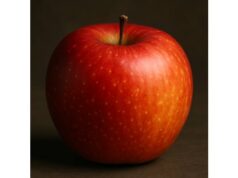
- Versus apple: Much higher in vitamin C and softer texture; consider pairing with crisper fruit for contrast.
Sugar apple vs. cherimoya vs. atemoya
- Sugar apple (A. squamosa): Segmenting rind; sweetest; ~36 mg vitamin C per 100 g; moderate fiber (~4.4 g).
- Cherimoya (A. cherimola): Smoother scales; slightly less vitamin C (~12.6 mg) but more vitamin B6; very creamy.
- Atemoya (hybrid): Texture similar to cherimoya, flavor closer to sugar apple; nutrition falls between the two.
Can people with diabetes include custard apple?
Yes, in measured portions. Count the carbohydrates (≈18–24 g per 100 g), pair with protein/fat, and avoid large blended portions that add glycemic load.
Is it low-FODMAP?
Data are limited. Start with a small portion (≤75 g) to assess tolerance if you are sensitive to fermentable carbohydrates.
Can children and older adults eat it?
Yes, but remove every seed and avoid chunky mixtures for those with swallowing concerns. Smooth purée stirred into yogurt is a safe format.
Can I eat the seeds?
No. Discard seeds and peel. Avoid any leaf or seed teas or supplements derived from Annona species.
Does it fit plant-based, vegetarian, or gluten-free diets?
Yes. Custard apple is a naturally gluten-free, plant-based fruit.
References
- Nutrition Facts for Sugar Apples (Sweetsop) 2025.
- Nutrition Facts for Cherimoya 2025.
- Vitamin C – Health Professional Fact Sheet 2025 (Guideline).
- Daily Value on the Nutrition and Supplement Facts Labels 2024 (Guideline).
- Annonaceae Consumption Worsens Disease Severity and Motor Impairment in Parkinsonism 2022 (Observational Study).
Disclaimer
This guide is informational and not a substitute for personalized medical advice, diagnosis, or treatment. Always speak with your healthcare professional about diet choices if you have diabetes, kidney disease, neurological conditions, allergies, or if you are pregnant or breastfeeding. Avoid non-food Annona products (leaf or seed teas, extracts, or supplements) unless your clinician advises otherwise.
If you found this article useful, please consider sharing it on Facebook, X (formerly Twitter), or any platform you prefer to help others learn and support our work creating evidence-based nutrition guides.