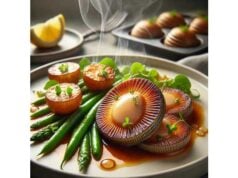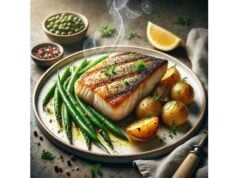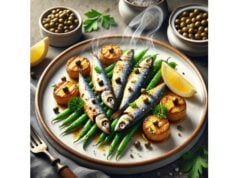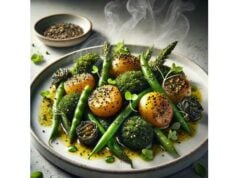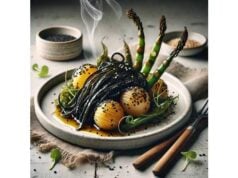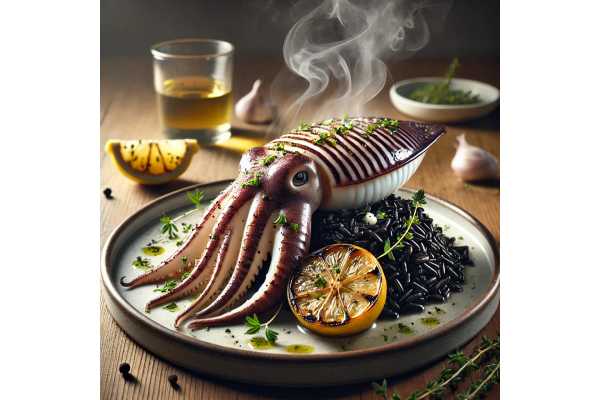
Cuttlefish is a lean, high-protein cephalopod related to squid and octopus, prized for its clean, slightly sweet flavor and a texture that shifts from silky to pleasantly firm depending on how you cook it. Versatile across Mediterranean, Japanese, Korean, and Spanish kitchens, it shines grilled over high heat, slowly braised until tender, or sliced raw for well-sourced sashimi preparations by expert chefs. Nutritionally, cuttlefish delivers complete protein with very little fat, useful omega-3s, vitamin B12, and selenium—making it a smart anchor for balanced, heart-conscious meals. Because it’s low in calories yet satisfying, it suits weight-management plans and carb-aware menus. Sustainability is another plus: short lifespans and fast growth make many cuttlefish fisheries comparatively resilient when managed well. This guide offers a practical, evidence-informed overview: detailed per-100-gram nutrition with % Daily Values, real-world benefits, allergy and safety notes, how to buy and store for peak quality, cooking methods that protect nutrients, and sensible portions with comparisons and FAQs.
Top Highlights
- Lean, complete protein with B12 and selenium; supports high-protein, lower-calorie meals.
- Typical cooked portion: 100–120 g, enjoyed 1–2 times per week within a varied seafood pattern.
- Shellfish allergy risk (tropomyosin, aldolase); avoid if allergic unless cleared by an allergist.
- Choose fully cooked or properly frozen raw preparations; viscera can concentrate residues—focus on cleaned mantle and tentacles.
- People who are or may become pregnant and young children should stick to lower-mercury seafood and avoid viscera; follow local advisories for self-caught catch.
Table of Contents
- Cuttlefish Basics and Uses
- Cuttlefish Nutrition Profile
- Evidence-Based Health Benefits
- Risks, Allergies and Interactions
- Selecting, Quality, Sustainability and Storage
- Preparation, Cooking and Nutrient Retention
- Portions, Comparisons and FAQs
Cuttlefish Basics and Uses
Cuttlefish (order Sepiida) is a culinary chameleon. Its mantle—the thick, oval body—yields broad, boneless steaks that sear like scallops and slice like chicken breast, while the tentacles bring delicacy and snap for stir-fries and seafood salads. Inside the mantle sits the cuttlebone, a porous structure removed during cleaning. Good fishmongers sell cuttlefish already cleaned and portioned as mantle strips, steaks, or tentacles; you may also find whole, small specimens that you can clean at home.
Flavor and texture
- Mild, slightly sweet, and less briny than many shellfish.
- Texture turns tender and silky when quickly seared or slowly braised; over medium heat for too long, it can toughen.
- Takes well to assertive seasonings—garlic, chili, paprika, fennel, citrus, black pepper, soy, ginger, gochujang, and miso.
Culinary roles
- High-heat sear: Score the mantle in a crosshatch to prevent curling, then sear 45–90 seconds per side for charred edges and a tender center.
- Slow braise: Cook gently with tomato, wine, and aromatics for 45–90 minutes until sliceably tender; excellent with chickpeas or farro.
- Stir-fry: Thinly slice and flash-cook with vegetables and aromatics.
- Rice and pasta: Classic in paella, risotto nero (with ink), and fideuà.
- Raw applications: Only with sashimi-grade supply and expert handling; freezing protocols reduce parasite risk.
Dietary fit
- Naturally low in fat and carbohydrates with high satiety protein.
- Pair with vegetables and intact grains to build fiber and micronutrient density.
- Sodium in the meat is modest; most sodium comes from sauces, marinades, and brines—easy to control at home.
Buying cues
- Clean, ocean-fresh smell; firm, moist flesh; no tacky or mushy spots.
- If whole, eyes should be clear and the skin glossy; avoid yellowing or dry edges.
- For convenience, choose pre-cleaned mantle steaks or tentacles from a high-turnover counter.
Cuttlefish Nutrition Profile
How to use this section: Values reflect cooked, cleaned cuttlefish (mantle and tentacles) prepared with moist heat per 100 g. Composition varies by species, age, habitat, and brining. Cooking concentrates many nutrients as water is lost. %DV uses current U.S. Daily Values for adults and children ≥4 years.
Macros and Electrolytes (per 100 g)
| Nutrient | Amount | %DV |
|---|---|---|
| Energy | ~70–95 kcal | — |
| Protein | ~15.5–19.0 g | 31–38% |
| Total Fat | ~0.8–1.8 g | 1–2% |
| Saturated Fat | ~0.2–0.4 g | 1–2% |
| Carbohydrates | ~0–1.0 g | 0% |
| Dietary Fiber | 0 g | 0% |
| Total Sugars | 0 g | — |
| Sodium | ~80–140 mg | 3–6% |
| Potassium | ~250–350 mg | 5–7% |
| Cholesterol | ~120–180 mg | — |
Interpretation: Cuttlefish is lean and protein-dense with naturally modest sodium in the meat; sauces drive most sodium variation.
Fats and Fatty Acids (per 100 g)
| Component | Amount | %DV |
|---|---|---|
| Omega-3 EPA + DHA | ~0.20–0.45 g | — |
| Polyunsaturated Fat (total) | ~0.3–0.8 g | — |
| Monounsaturated Fat | ~0.2–0.6 g | — |
| Omega-6 (n-6) | ~0.05–0.20 g | — |
| Trans Fat | 0 g | — |
Takeaway: Provides useful long-chain omega-3s for a lean seafood; rotate with oily fish for higher weekly EPA/DHA.
Protein and Amino Acids (per 100 g)
| Metric | Value |
|---|---|
| Complete Protein (all indispensable amino acids) | Yes |
| Digestibility | High (typical of cephalopod muscle) |
Why it matters: A high protein-to-calorie ratio supports fullness and muscle maintenance during weight control or athletic training.
Vitamins (per 100 g)
| Vitamin | Amount | %DV |
|---|---|---|
| Vitamin B12 (cobalamin) | ~1.4–2.4 µg | 58–100% |
| Niacin (B3) | ~2.5–4.0 mg | 16–25% |
| Vitamin B6 (pyridoxine) | ~0.20–0.35 mg | 12–21% |
| Riboflavin (B2) | ~0.10–0.20 mg | 8–15% |
| Vitamin E (alpha-tocopherol) | ~0.5–1.0 mg | 3–7% |
| Vitamin A (RAE) | ~10–30 µg | 1–3% |
| Vitamin D | variable/low | — |
Minerals (per 100 g)
| Mineral | Amount | %DV |
|---|---|---|
| Selenium | ~35–55 µg | 64–100% |
| Phosphorus | ~200–270 mg | 16–22% |
| Zinc | ~1.2–2.0 mg | 11–18% |
| Magnesium | ~30–45 mg | 7–11% |
| Iron | ~0.8–1.8 mg | 4–10% |
| Calcium | ~20–60 mg | 2–5% |
| Copper | ~0.10–0.20 mg | 11–22% |
Selenium spotlight: Supports antioxidant enzymes and thyroid hormone metabolism; cuttlefish is a reliable contributor.
Allergens and Intolerance Markers
- Crustacean/mollusk allergens: Major allergens include tropomyosin and, in some cases, aldolase. Heat does not reliably destroy allergenicity.
- Histamine risk: Poor temperature control can raise histamine; rapid chilling and proper storage reduce risk.
Contaminants and Residues
- Mercury: Typically in the lower-mercury tier compared with large predatory fish.
- Cadmium and other residues: Viscera can concentrate certain metals; commercial product is sold eviscerated, and most recipes use mantle/tentacles only.
- Action step: Focus on cleaned meat; avoid eating viscera from self-caught animals and follow local advisories.
Footnote: Ranges reflect reputable nutrient datasets and academic analyses for cephalopods; label values vary with species, age, and processing. Brines and sauces can elevate sodium.
Evidence-Based Health Benefits
1) High satiety per calorie
With roughly 16–19 g of complete protein for around 70–95 kcal per 100 g, cuttlefish offers an exceptional protein-to-calorie ratio. Protein increases post-meal satiety and supports muscle protein synthesis when paired with resistance activity and adequate energy intake. This makes cuttlefish a practical centerpiece for weight-management plans that emphasize fullness and nutrient density over restriction alone.
2) B12 and selenium support
Cuttlefish regularly supplies more than half the Daily Value for vitamin B12 and selenium in a typical 100 g serving. B12 aids red blood cell production and neurological function. Selenium drives antioxidant enzymes (glutathione peroxidases) and supports thyroid hormone activation—important in energy metabolism and oxidative stress control.
3) Omega-3 contributions from a lean option
Although not as concentrated as salmon or sardines, cuttlefish still contributes EPA and DHA. For people who prefer milder seafood or want leaner meals, alternating cuttlefish with oily fish helps meet weekly long-chain omega-3 targets without monotony. Many traditional patterns—Mediterranean, Japanese, and Korean—blend lean cephalopods with richer fish across the week.
4) Carbohydrate-aware and sodium-smart cooking
Cuttlefish contains essentially no carbohydrate and minimal intrinsic sodium. By building flavor with aromatics (garlic, chili, ginger), acids (lemon, vinegar), herbs, and umami sources (tomato, miso), you can keep sodium modest. This is especially valuable for people targeting blood pressure control.
5) Gentle on budgets, strong on versatility
Whole or mantle cuts are often more affordable than premium finfish. Because cuttlefish excels in quick sears and slow braises, you can adapt it to weeknight cooking or batch-cook saucy braises to stretch across meals, reducing food waste and time stress.
6) Family-friendly flavors and textures
When prepared correctly—either quickly or low-and-slow—the result is tender and mild. Kids often enjoy crosshatched, seared “steaks” cut into strips for tacos or pasta. For hesitant seafood eaters, cuttlefish’s gentle flavor and ability to soak up spices and sauces make it an easier introduction than stronger fish.
7) Nutrient synergy in balanced plates
Pairing cuttlefish with iron-rich legumes, leafy greens (magnesium, folate), and whole grains (phosphorus, manganese) creates micronutrient synergy: protein supports fullness and recovery, while plant foods contribute fiber and phytonutrients associated with cardiometabolic health.
Risks, Allergies and Interactions
Allergy risks
Cuttlefish is a mollusk. Major allergens include tropomyosin and aldolase, and cross-reactivity with other cephalopods (squid, octopus) and some crustaceans can occur. Reactions range from hives to anaphylaxis. People with diagnosed shellfish allergy should avoid cuttlefish unless an allergist provides individualized guidance. In restaurants, cross-contact is possible via shared grills, pans, or fryers.
Parasites and raw consumption
Cephalopods can host parasites in viscera and, rarely, in muscle. Raw or undercooked consumption should follow strict freezing protocols from reputable suppliers. At home, the practical guidance is simple: eat cuttlefish fully cooked, unless you have access to sashimi-grade product handled by professionals.
Histamine and spoilage
Temperature abuse during handling can elevate histamine and cause rapid quality decline. Buy from high-turnover counters, keep at ≤4 °C (≤40 °F), and cook or chill promptly. Discard leftovers left at room temperature for more than 2 hours.
Contaminants
Cuttlefish meat (mantle and tentacles) is typically low in mercury, but viscera may concentrate metals such as cadmium. Commercial cuts are eviscerated; for self-caught animals, discard viscera, avoid using the cooking liquid as broth, and follow regional advisories.
Sodium and sauces
The meat is naturally modest in sodium. Bottled sauces, marinades, and brines can push sodium high; control intake by salting late, tasting as you go, and leaning on acids and herbs.
Purines and gout
Cuttlefish contains moderate purines, similar to other seafood. If you have gout or hyperuricemia, work with your clinician to set personalized limits, emphasizing hydration and overall dietary pattern.
Medication considerations
- Normal food-level seafood intake is generally compatible with anticoagulants and antiplatelet agents; interaction concerns typically involve high-dose omega-3 supplements, not standard servings.
- For antihypertensives, sodium control is the key: keep sauces measured and salt to taste at the end.
Selecting, Quality, Sustainability and Storage
How to buy
- Fresh, cleaned mantle steaks or strips: Look for firm, moist flesh that springs back and a clean, marine aroma. Avoid dryness, stickiness, or grayish-yellow discoloration.
- Whole cuttlefish: Choose glossy skin, clear eyes, and no belly rupture. Ask the fishmonger to eviscerate and peel if you prefer.
- Frozen: Seek individually quick-frozen mantle pieces or tentacles with minimal ice crystals and short ingredient lists (ideally just cuttlefish).
Sustainability snapshot
- Cuttlefish tend to be short-lived and fast-growing, making many fisheries comparatively resilient when managed with seasons and size limits.
- You can lower your footprint by buying in season, favoring transparent supply chains, and reducing waste through thoughtful portioning and freezing.
Storage and shelf life
- Refrigerate: Keep at ≤4 °C (≤40 °F) and cook within 24 hours for peak tenderness and flavor.
- Freeze: Pat dry, portion, and freeze airtight up to 3 months for best texture. Vacuum sealing helps prevent freezer burn.
- Thaw: Defrost overnight in the refrigerator or under cold running water in a sealed bag. Never thaw at room temperature.
Quality cues in the kitchen
- Properly cooked cuttlefish turns opaque and feels tender with a pleasant bounce. Overcooking makes it rubbery; either cook it hot and fast or low and slow—avoid the middle ground.
Flavor pairings to try
- Mediterranean: Lemon, garlic, parsley, fennel seed, smoked paprika, olive oil.
- Iberian: Paprika-tomato braise with chickpeas and sherry vinegar.
- East Asian: Soy, ginger, scallion, sesame; gochujang or miso for depth.
- Italian coastal: Grilled and finished with olive oil, lemon, capers, and chili flakes.
Preparation, Cooking and Nutrient Retention
Goal: Keep the meat tender, preserve water-soluble B-vitamins and minerals, and limit unnecessary sodium and fat.
Quick-seared mantle (restaurant-style)
- Pat dry thoroughly; score the inner surface in a shallow crosshatch so it doesn’t curl.
- Season lightly with salt and pepper (or paprika and lemon zest).
- Heat a carbon-steel or cast-iron pan until very hot; add a thin sheen of oil.
- Sear 45–90 seconds per side until edges char and the center turns opaque.
- Finish with lemon and chopped parsley; serve over a warm bean or farro salad.
Low-and-slow braise (tender and saucy)
- Sweat onion, fennel, and garlic in a teaspoon or two of olive oil. Add tomato, chili, and a splash of white wine. Simmer the sauce 10 minutes, then add sliced cuttlefish. Cover and cook gently 45–90 minutes until tender. Salt late. Serve with whole grains or crusty bread and a green salad.
Stir-fry (flash-tender)
- Slice thinly across the grain. Stir-fry aromatics (ginger, garlic, scallion) in a teaspoon of oil, add vegetables, then toss in cuttlefish for 60–90 seconds. Deglaze with a measured splash of soy and rice vinegar; finish with sesame seeds and herbs.
Grill or broil (char and brightness)
- Oil lightly and grill over very high heat 1–2 minutes per side, or broil 2–4 minutes close to the element. Finish with lemon, chili, and herbs.
Ink use
- Cuttlefish ink adds umami and color to rice and pasta. Use food-grade ink from reputable suppliers; it is used in small amounts and is not a major nutrient source.
Retention tips
- Time and temperature: Either very hot and brief or long and gentle. The “in-between” zone toughens proteins and can leak water-soluble vitamins into cooking liquid.
- Sodium control: Build flavor with acids, herbs, and umami; add salt near the end and taste.
- Healthy richness: Bloom spices in a teaspoon of oil; extend with tomato, stock, or vegetable purées rather than cream-heavy sauces.
Food-safe endpoint
- Cook to an internal temperature of 63 °C (145 °F) or until opaque throughout. For small cuts, rely on visual cues and tenderness tests to avoid overcooking.
Portions, Comparisons and FAQs
Typical portion and frequency
- Adults: 100–120 g cooked cuttlefish per serving (≈140–170 g raw), within two seafood meals per week as part of a varied diet.
- Children: Scale by age and appetite (≈28–85 g cooked). As with other seafood, serve fully cooked and follow regional advisories for self-caught catch.
How cuttlefish compares
- Versus squid: Similar nutrients and culinary uses; cuttlefish mantle is often thicker with a slightly richer, sweeter taste and can resist overcooking a bit better when scored.
- Versus octopus: Octopus has more connective tissue and often needs longer cooking to become tender; cuttlefish is friendlier to quick sears and weeknight cooking.
- Versus shrimp: Shrimp cooks even faster and is slightly sweeter; cuttlefish provides broader steak-like pieces for grilling and searing.
- Versus salmon: Salmon delivers far more omega-3s and vitamin D but has higher fat and calories; cuttlefish is ideal when you want lean, high-protein plates.
Budget and prep strategies
- Buy whole or larger mantle pieces and portion yourself; freeze in meal-size packs.
- Batch-braise once, then reuse: fold tender slices into bean salads, grain bowls, tacos, or tomato-brothy soups.
- Keep sodium in check by measuring sauces and seasoning with lemon and herbs right before serving.
FAQs
Is cuttlefish healthy?
Yes. It’s lean, protein-rich, and supplies vitamin B12, selenium, and useful omega-3s when cooked properly and served in balanced meals.
Is cuttlefish low in mercury?
Generally, yes—especially when compared with long-lived predatory fish. Focus on cleaned meat and vary your weekly seafood choices.
Can I eat cuttlefish while pregnant?
Choose fully cooked cuttlefish from reputable sources, avoid viscera, and follow guidance on weekly seafood amounts for those who are or may become pregnant.
Why does cuttlefish get rubbery?
Overcooking in a moderate temperature zone. Cook it very hot and fast or low and slow; avoid the middle.
How long do leftovers keep?
Up to 3 days refrigerated; for best texture, rewarm gently or enjoy chilled in salads.
References
- Advice about Eating Fish 2024 (Guideline)
- Seafood allergy: A comprehensive review of fish and shellfish allergens 2022 (Review)
- Cephalopods as a source of nutrition and bioactive compounds: a focus on health benefits 2023 (Review)
- Dietary Guidelines for Americans, 2020–2025 2020 (Guideline)
Disclaimer
This guide provides general nutrition and safety information and is not a substitute for personalized medical advice, diagnosis, or treatment. Seafood choices and serving sizes should reflect your health status, medications, and local advisories. If you are pregnant, breastfeeding, planning pregnancy, managing a medical condition (including food allergies or gout), or taking prescription drugs, consult a qualified healthcare professional before making significant dietary changes. For self-caught catch, avoid viscera and follow regional advisories.
If this article was helpful, please consider sharing it on Facebook, X, or your preferred platform—your support helps us keep creating clear, evidence-based resources.