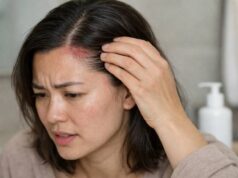
Seborrheic dermatitis (often shortened to “seb derm”) can feel unpredictable: one week your scalp is calm, and the next it is itchy, flaky, and irritated despite using the same products. That uncertainty naturally leads many people to diet questions—especially about sugar, dairy, and “yeast foods.” The truth is nuanced. Seb derm is driven primarily by the interaction between scalp oil, Malassezia yeast on the skin, and your immune and barrier response. Food does not replace proven topical care, but it may shape the background conditions that make flares more likely or more intense.
This article helps you separate strong evidence from common myths, understand how diet could influence sebum and inflammation, and run a practical, low-risk self-check without falling into restrictive eating. You will learn which dietary changes are most likely to be worth trying, which are usually unnecessary, and how to evaluate results in a way that respects the scalp’s slow, cyclical nature.
Key Insights
- Diet is best viewed as an adjunct that may reduce flare frequency or severity, not a stand-alone cure for seb derm.
- Cutting added sugars and refined carbohydrates is often a more practical first trial than eliminating multiple food groups at once.
- Dairy and fermented or yeast-containing foods affect some people, but broad avoidance is rarely necessary without a clear pattern.
- Use a structured 3–4 week trial with one change at a time and keep your scalp treatment routine consistent while testing.
Table of Contents
- What diet can and cannot change
- Sugar and refined carbs and flare risk
- Dairy and seb derm what is plausible
- Yeast foods and Malassezia clearing the confusion
- A scalp-supportive diet pattern that is realistic
- A practical 4 week plan with topical care
What diet can and cannot change
Before you remove foods, it helps to define what seb derm is doing biologically. Most seb derm involves three ingredients that amplify one another: (1) sebum and scalp lipids, (2) Malassezia yeast that lives naturally on skin, and (3) an inflammatory and barrier response that varies widely between people. You can think of diet as influencing the “background climate” rather than flipping the condition on or off. That framing makes it easier to set expectations and avoid extreme restriction.
Here is what diet can plausibly influence:
- Inflammation tone: High-glycemic patterns, ultra-processed foods, and low fiber intake can push the body toward higher inflammatory signaling in some people. A scalp already prone to inflammation may flare more easily when this background rises.
- Sebum and hormone signaling: Diet affects insulin and related growth signals. In some people, this can indirectly influence sebaceous gland activity and the “oil environment” Malassezia thrives in.
- Skin barrier resilience: Nutrient adequacy (protein, essential fats, zinc, vitamin D, B vitamins) matters for barrier maintenance. A weaker barrier is more reactive, itchier, and more likely to scale.
- Gut–skin communication: The gut microbiome and immune system interact. This does not mean a specific food “feeds yeast on the scalp,” but it does mean overall dietary patterns can affect immune balance over time.
Here is what diet usually cannot do on its own:
- Rapid clearance of active flares: If the scalp is inflamed and Malassezia is overgrowing, topical antifungals and anti-inflammatory strategies typically work faster and more reliably than food changes.
- Erase sensitivity to triggers: Weather shifts, stress, sweat, styling product buildup, and harsh detergents can override even a very clean diet.
- Replace diagnosis: Not all “dandruff” is seb derm. Psoriasis, contact dermatitis, and fungal infection can look similar and require different approaches.
A helpful compromise is to treat diet as “flare management support” rather than the main treatment. Keep your scalp regimen evidence-based, then layer diet experiments on top so you can see whether it changes frequency, itch intensity, or relapse speed. If you want a quick refresher on what seb derm is and why Malassezia matters, seborrheic dermatitis symptoms and common triggers can help you anchor the basics.
The goal is not perfection. The goal is to identify whether one or two dietary levers meaningfully move your scalp in the right direction without creating a stressful, unsustainable routine that backfires.
Sugar and refined carbs and flare risk
If you want the most practical dietary trial for seb derm, start with added sugars and refined carbohydrates. This is not because sugar “feeds scalp yeast” directly, but because sugar-heavy patterns can influence insulin and inflammatory signaling, and they often crowd out fiber-rich foods that support steadier immune regulation. Many people also notice that high-sugar weeks correlate with sleep disruption and stress eating, both of which can worsen itch perception and scratching.
There are two useful ways to think about sugar and refined carbs:
1) Glycemic spikes and scalp oil environment
Refined carbohydrates and sugary drinks can cause larger post-meal glucose and insulin rises than fiber-rich meals. In some people, this pattern is associated with increased sebum production and more “greasy scale,” which can make the scalp feel dirtier faster and can help scale adhere. You do not need to eliminate all carbohydrates; you are testing whether reducing rapid spikes improves symptoms.
Practical ways to reduce spikes without dieting:
- Replace sweet drinks with water, sparkling water, or unsweetened tea most days.
- Build meals around protein and fiber first, then add carbohydrates.
- Choose slower carbs more often (beans, oats, intact whole grains) and reduce “white flour default” foods.
2) Sugar as an “inflammation amplifier”
Many people with seb derm describe a threshold effect: the scalp is mostly manageable until several stressors stack (poor sleep, alcohol, high sugar, missed washes, cold weather), and then a flare appears. Lowering added sugar can reduce one amplifier in that stack, even if it does not single-handedly cure the condition.
A realistic 3–4 week sugar trial looks like this:
- Aim for added sugar most days to be modest rather than zero.
- Keep dessert, sweet coffee drinks, and sweet snacks as planned treats rather than daily background.
- Track scalp itch (0–10), flake visibility, and greasiness once daily in a note app.
One “quiet win” is breakfast. A high-sugar breakfast often sets up cravings and snacking later. If you want simple meal ideas that increase protein and fiber without overthinking, high-protein breakfast options that support hair and scalp goals can help you build a steady start to the day.
What results should you expect? Diet-related changes typically show up as fewer “itch spikes,” less greasy buildup between washes, or a slightly easier time maintaining control with the same shampoo routine. If nothing changes after four consistent weeks, sugar is probably not a major personal driver, and you can move on without guilt.
Dairy and seb derm what is plausible
Dairy is one of the most debated topics in scalp care circles. Some people swear that cutting dairy clears flakes, while others see no difference. The most honest answer is that dairy can matter for some individuals, but the evidence base is mixed and the mechanism is not universal. That means a dairy-free diet should be a targeted experiment, not an automatic rule.
There are several reasons dairy might influence seb derm symptoms in a subset of people:
- Individual inflammatory response: Some people experience more congestion, flushing, or skin reactivity with certain dairy products, particularly when intake is high.
- Hormone and growth signaling: Dairy intake can influence insulin-related pathways in some contexts, especially when paired with high-glycemic foods.
- Food sensitivity confusion: Lactose intolerance causes digestive symptoms, not scalp dermatitis. A true milk protein allergy is different again. It is easy to mislabel one as the other when symptoms are broad and nonspecific.
- Product context matters: Sweetened dairy (ice cream, flavored yogurt) brings both dairy and sugar into the picture, which makes cause and effect harder to interpret.
If you want to test dairy without over-restricting, use a clean, time-limited trial:
A sensible dairy trial
- Pick one goal: either remove dairy completely for 2–3 weeks, or remove only high-intake items (milk in coffee, whey protein shakes, daily cheese) while keeping small amounts.
- Keep your scalp routine stable so you are not changing two variables at once.
- Reintroduce dairy for a few days and watch for a rebound pattern.
A nuance that often helps: fermented dairy (plain yogurt, kefir) may be tolerated differently than milk or whey-heavy products. Fermentation changes the food matrix, and some people find it gentler. If you are curious about the broader evidence for probiotics and scalp health, probiotics and hair and scalp evidence can provide a grounded overview.
If you do remove dairy, plan replacement nutrients rather than “just removing.” Calcium, vitamin D, and protein still matter. Use fortified alternatives or food sources that keep your intake adequate, especially if you are also reducing other foods.
A final caution: if dairy restriction increases stress, social friction, or meal skipping, it can backfire. Seb derm is sensitive to stress and sleep quality, so a dietary change that makes your life harder can worsen symptoms even if the theory is sound.
Yeast foods and Malassezia clearing the confusion
The “yeast foods” question is common because seb derm involves Malassezia yeast on the skin. It is easy to assume that eating yeast causes more yeast on the scalp. In practice, this is usually a category error. The yeast used in bread and many fermented foods is not the same organism as Malassezia, and eating yeast does not directly colonize the scalp.
So why do some people report flares after beer, wine, bread, or fermented foods? There are a few plausible explanations that do not require the idea that dietary yeast “feeds” scalp yeast:
Alcohol as a flare trigger
Alcohol can worsen seb derm for several reasons: it may influence immune signaling, disrupt sleep, increase flushing, and change hydration status. Some alcoholic drinks also combine yeast exposure, sugar, and histamine-type compounds, which makes personal reactions feel “yeast-related” even when the driver is broader.
Fermented foods and histamine sensitivity
Fermented foods (kombucha, aged cheeses, wine, some pickled foods) can be high in biogenic amines such as histamine. In people who are sensitive, these can increase itch, flushing, or skin reactivity. That reaction is not seb derm-specific, but it can amplify seb derm discomfort and scratching.
Bread as a carbohydrate marker
Bread is often a proxy for refined carbohydrates. If bread correlates with flares, it may be the overall glycemic pattern, not yeast itself.
True yeast or wheat sensitivity
This is less common, but some people have specific sensitivities that show up as skin symptoms. These cases usually involve broader eczema-like patterns, digestive symptoms, or a consistent, reproducible reaction.
If you want to test “yeast foods,” do it narrowly and logically:
- Choose a 2-week trial that removes one category (for example, beer and wine only) rather than removing all fermented foods, bread, and dairy at once.
- Keep everything else stable, especially sugar intake, because sugar changes can overshadow results.
- Reintroduce and observe. If there is no reproducible change, you can stop worrying about yeast foods.
Because seb derm is tightly linked to the scalp ecosystem, understanding the microbiome concept helps you avoid simplistic “feed the yeast” narratives. the scalp microbiome explained offers a useful framework for how organisms, oil, and barrier function interact without implying that diet directly seeds scalp yeast.
The take-home message: yeast foods are rarely the first or most powerful lever. If you are seeing diet effects, sugar patterns, alcohol, and overall inflammatory load are often more meaningful places to look.
A scalp-supportive diet pattern that is realistic
Instead of chasing one “bad” food, many people get better results by improving the overall pattern: fewer ultra-processed foods, steadier blood sugar, more fiber, and more anti-inflammatory fats. This approach tends to be easier to sustain and less likely to create nutritional gaps.
A scalp-supportive pattern usually includes:
More of the foods that stabilize inflammation and barrier function
- Colorful fruits and vegetables: These provide antioxidants and polyphenols that support skin barrier and immune balance. Observational research in skin conditions repeatedly finds benefits from higher fruit and vegetable intake.
- Fiber and resistant starch: Beans, lentils, oats, and whole grains support gut bacteria that produce short-chain fatty acids, which are linked to healthier immune regulation.
- Adequate protein: Chronic low protein intake can worsen skin barrier quality and slow tissue repair.
- Omega-3 fats: These support anti-inflammatory pathways and may improve skin comfort in some inflammatory conditions. If you want food-based options and realistic portions, omega-3 foods for scalp health can help you build meals without relying on supplements.
- Micronutrient adequacy: Zinc, vitamin D, and vitamin E are frequently discussed in seb derm research, but “supplement first” is not the best default. Start with food quality, then check labs if symptoms, medical history, or clinician guidance suggests deficiency.
Less of the patterns that tend to amplify flares
- Ultra-processed snacks and sweets that combine refined carbs, seed oils, and additives
- Frequent alcohol use, especially during active flares
- Crash dieting or aggressive restriction, which can increase stress hormones and worsen skin reactivity
A realistic day does not need to look perfect. It can look like:
- A protein-forward breakfast
- A lunch that includes vegetables and a fiber source
- A dinner that includes a protein plus a healthy fat source
- Desserts and treats as intentional, not constant background
If you are already using a medicated shampoo routine, this diet pattern often shows up as “less rebound.” You may still get flakes, but they return more slowly, and itch feels less sharp.
One important safety note: if you have a history of disordered eating, do not use seb derm as a reason to restrict major food groups. In those cases, it is usually better to prioritize proven topical therapy, consistent meals, sleep, and stress reduction, and only test diet changes with clinical support.
A practical 4 week plan with topical care
Diet experiments work best when they are structured, time-limited, and paired with a consistent scalp routine. If you change shampoo, wash frequency, diet, supplements, and stress habits all at once, you will not know what helped.
Here is a practical approach that respects real life:
Week 0: baseline without judgment
- Keep your usual diet.
- Keep your usual seb derm routine.
- Track three markers once daily: itch (0–10), visible flakes (low, medium, high), and greasiness (low, medium, high).
- Note obvious flare triggers (sweaty day, missed wash, heavy styling product, poor sleep).
Weeks 1–4: one main diet lever, steady scalp care
Choose one of these levers:
- Reduce added sugars and refined carbs.
- Reduce alcohol (or remove it temporarily).
- Trial dairy reduction if you suspect it strongly.
Keep everything else the same. If you do not currently have a reliable scalp care plan, focus on consistency: medicated shampoo used correctly, adequate contact time, and a wash frequency that matches your scalp oil pattern. Many people underestimate how much washing frequency affects flare control. If you want a framework that helps you choose frequency without guessing, how often to wash hair by scalp type can help you match your routine to oiliness and sensitivity.
How to interpret results
Look for trends, not daily perfection:
- Is itch less intense or less frequent?
- Do flakes rebuild more slowly between washes?
- Do you need fewer “extra” wash days to stay comfortable?
If you see improvement, keep the change for another month and then reintroduce cautiously to confirm it is real. If you see no change, that is still useful data: you can stop restricting and redirect attention to treatment technique, product reactions, or other triggers.
When diet is not the main story
Consider medical evaluation if:
- you have thick plaques or sharply defined patches (possible psoriasis)
- there is oozing, crusting, or pain (possible infection or dermatitis flare)
- symptoms worsen with many products (possible contact dermatitis)
- you have minimal response to appropriate antifungal therapy
Seb derm is common, chronic, and manageable, but it often requires a “two-track” mindset: treat the scalp locally while optimizing the internal environment enough to reduce relapse pressure. Diet can be part of that plan, but the most effective diet strategy is the one you can repeat calmly for years.
References
- Nutrition, Obesity, and Seborrheic Dermatitis: Systematic Review 2024 (Systematic Review)
- Association Between Diet and Seborrheic Dermatitis: A Case-Control Study 2023 (Case-Control Study)
- Seborrheic Dermatitis Revisited: Pathophysiology, Diagnosis, and Emerging Therapies—A Narrative Review 2025 (Review)
- An Overview of the Diagnosis and Management of Seborrheic Dermatitis 2022 (Review)
Disclaimer
This article is for educational purposes only and does not provide medical advice, diagnosis, or treatment. Seborrheic dermatitis can resemble or overlap with psoriasis, fungal infections, eczema, and allergic or irritant contact dermatitis, and each may require different care. Dietary changes can affect nutrition status and may be inappropriate for children, pregnancy, certain medical conditions, or anyone with a history of disordered eating. If you have severe redness, pain, oozing, fever, facial swelling, eye involvement, rapid worsening, or symptoms that do not improve with appropriate scalp treatment, seek evaluation from a qualified healthcare professional, often a dermatologist.
If this guide helped you make sense of diet and seb derm triggers, consider sharing it on Facebook, X (formerly Twitter), or your preferred platforms so others can test changes thoughtfully and avoid unnecessary restriction.