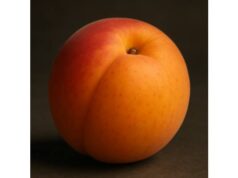
Sweet, chewy, and surprisingly versatile, dates have nourished desert cultures for millennia—and they still earn a spot in modern kitchens. Beyond their natural caramel taste, dates deliver fiber, potassium, and polyphenols that support digestive comfort and heart health. They work as a portable snack, a pre-workout energy boost, and a whole-food sweetener that blends smoothly into batters, sauces, and smoothies. With dozens of varieties—from soft, jumbo Medjool to firmer Deglet Noor—each offers a slightly different texture and flavor profile. Because dates are dried fruit, their sugars are concentrated; portion awareness matters, especially if you track carbohydrates. This guide takes a people-first, practical approach: you’ll find a clear nutrition profile (per 100 g with % Daily Value), evidence-based benefits, real-world risks and interactions, sustainability pointers, storage tips, and techniques to cook with dates while preserving nutrients and keeping sweetness in balance. Whether you’re building a lunchbox, fueling a long run, or baking better snacks, dates can be a smart addition—used thoughtfully.
Nutrition Snapshot
- Two Medjool dates (48 g) provide ~133 kcal, ~36 g carbs, and ~3.2 g fiber; useful before workouts or hikes.
- Primary nutrients: fiber (~7–8 g/100 g), potassium (~650–700 mg/100 g), and modest magnesium and copper.
- Typical serving: 1–2 Medjool dates (24–48 g) or 3–4 Deglet Noor (28–40 g), up to several times per week.
- Safety note: sticky texture can cling to teeth; pits can be a choking hazard; some chopped or glazed products may contain sulfites—check labels.
- People who should limit: those with carbohydrate-restricted plans, active dental concerns, or sulfite sensitivity (for treated products).
Table of Contents
- Detailed Overview
- Nutrition Profile
- Evidence-Based Health Benefits
- Risks, Allergies and Interactions
- Selecting, Quality, Sustainability and Storage
- Preparation, Cooking and Nutrient Retention
- Portions, Comparisons and FAQs
Dates at a Glance: What They Are and Why They Matter
Dates are the fruit of the date palm (Phoenix dactylifera), a hardy tree adapted to arid climates from North Africa to the Arabian Peninsula and, today, parts of California and beyond. The fruit develops through stages—kimri (unripe), khalal (crisp), rutab (soft, semi-ripe), and tamr (fully ripe, low-moisture). Most dates sold worldwide are harvested at the rutab or tamr stage and gently dried, concentrating natural sugars and intensifying a caramel-toffee flavor.
Varieties differ in size, moisture, and taste. Medjool dates are plump, soft, and “fudge-like,” ideal for snacking or stuffing with nut butter or soft cheese. Deglet Noor dates are smaller and firmer with a honey-nut flavor, excellent for chopping into energy bites, pilafs, and grain salads. Others—Ajwa, Barhi, Khudri, Sukkary—offer unique nuances prized in regional cuisines.
Nutritionally, dates are primarily carbohydrate with meaningful fiber (insoluble and soluble fractions), low fat, trace protein, and a useful amount of potassium and copper. Their polyphenol profile includes phenolic acids and flavonoids that contribute antioxidant capacity. Despite high natural sugars, a typical 1–2-date portion can fit into many eating patterns when balanced with protein, fat, and overall carbohydrate planning.
In the kitchen, dates pull double duty: snack and sweetener. Their pectin and soluble fibers help bind bars and baked goods; date paste adds body to yogurt parfaits, smoothies, and oatmeal. Because the sugars are intrinsic to the fruit (not added), dates can replace part of the refined sugar in recipes while layering flavor and fiber. They also perform well in savory dishes: think Moroccan tagines, roasted carrots with chopped dates and pistachios, or a chopped-date, parsley, and lemon relish spooned over grilled fish.
For active people, dates provide quick energy and portable convenience. For families, they’re a lunchbox treat that feels like candy but brings more than sugar. The key is mindful portions, sound dental hygiene, and choosing minimally processed products with short ingredient lists.
Nutrition Profile
Below are detailed, scannable tables for common dates. Values are per 100 g with approximate % Daily Value (%DV) for a 2,000-kcal diet. (DVs are reference amounts used on labels to help gauge nutrient contribution.)
Dates, Deglet Noor — per 100 g
| Category | Nutrient | Amount | %DV |
|---|---|---|---|
| Macros & Electrolytes | Energy | 282 kcal | — |
| Water | 20.9 g | — | |
| Carbohydrate | 75.0 g | 27% | |
| Dietary Fiber | 8.0 g | 29% | |
| Total Sugars | 63.4 g | — | |
| Protein | 2.5 g | 5% | |
| Total Fat | 0.39 g | 1% | |
| Saturated Fat | 0.03 g | 0% | |
| Sodium | 2 mg | 0% | |
| Potassium | 656 mg | 14% |
| Category | Vitamins | Amount | %DV |
|---|---|---|---|
| Vitamins | Vitamin B6 (pyridoxine) | ~0.2 mg | 12% |
| Niacin (B3) | ~1.6 mg | 10% | |
| Pantothenic acid (B5) | ~0.6 mg | 12% | |
| Folate (B9) | ~15 µg | 4% | |
| Vitamin K | ~2 µg | 2% | |
| Vitamin C | 0.4 mg | 0% | |
| Vitamin A (RAE) | ~7 µg | 1% |
| Category | Minerals | Amount | %DV |
|---|---|---|---|
| Minerals | Calcium | 39 mg | 3% |
| Iron | 1.0 mg | 6% | |
| Magnesium | ~54–63 mg | 13–15% | |
| Phosphorus | 62–91 mg | 5–7% | |
| Zinc | ~0.3–0.4 mg | 3–4% | |
| Copper | ~0.2–0.3 mg | 22–33% | |
| Manganese | ~0.3 mg | 13% |
Dates, Medjool — per 100 g
| Category | Nutrient | Amount | %DV |
|---|---|---|---|
| Macros & Electrolytes | Energy | 277 kcal | — |
| Carbohydrate | 75.0 g | 27% | |
| Dietary Fiber | 6.7 g | 24% | |
| Total Sugars | 66.5 g | — | |
| Protein | 1.8 g | 4% | |
| Total Fat | 0.15 g | 0% | |
| Sodium | ~1–2 mg | 0% | |
| Potassium | 696 mg | 15% |
| Category | Vitamins | Amount | %DV |
|---|---|---|---|
| Vitamins | Vitamin B6 (pyridoxine) | ~0.2 mg | 12% |
| Niacin (B3) | ~1.6 mg | 10% | |
| Pantothenic acid (B5) | ~0.6 mg | 12% | |
| Folate (B9) | ~15 µg | 4% | |
| Vitamin K | ~2 µg | 2% |
| Category | Minerals | Amount | %DV |
|---|---|---|---|
| Minerals | Calcium | 64 mg | 5% |
| Iron | 0.9 mg | 5% | |
| Magnesium | ~43–54 mg | 10–13% | |
| Phosphorus | ~62–70 mg | 5–6% | |
| Copper | ~0.2–0.3 mg | 22–33% |
Carbohydrates & Glycemic Metrics (typical ranges)
| Metric | Value (typical) | Practical note |
|---|---|---|
| Glycemic Index (GI) | ~43–55 (variety- and ripeness-dependent) | Softer, riper dates trend slightly higher GI than firmer ones. |
| Glycemic Load (GL) | ~9–12 per 30 g (about 1–2 dates), assuming GI ~50 | Portion size drives GL; pairing with nuts or yogurt can blunt spikes. |
Bioactives / Phytonutrients (qualitative)
Dates contain phenolic acids (e.g., ferulic, caffeic, p-coumaric), flavonoids (e.g., quercetin, luteolin derivatives), and carotenoids in small amounts. These compounds contribute to antioxidant capacity and may support vascular and gut health.
Allergens & Additives (what to check)
Whole dates rarely contain additives. Chopped, glazed, or “baking” dates may include rice flour (anti-caking), glycerin, or syrups; some processed dried fruits can include sulfites—always verify labels if sensitive.
Footnotes: %DV values follow current labeling references; actual content varies by variety, terroir, and moisture. Ranges reflect common data across reputable databases for typical market dates.
Evidence-Based Health Benefits
1) Digestive regularity and microbiome support
Dates deliver ~7–8 g fiber per 100 g, with both insoluble fiber (adds bulk) and soluble fiber (forms gels). Regular, modest intake helps promote bowel regularity and may reduce occasional constipation. Soluble fiber also feeds beneficial gut bacteria, producing short-chain fatty acids linked to colon health and metabolic benefits. In practice, adding 1–2 dates to breakfast (oats, yogurt) or combining dates with nuts in an afternoon snack can increase daily fiber without relying on supplements.
2) Heart-smart minerals and polyphenols
Potassium (≈650–700 mg/100 g) supports normal blood pressure by counterbalancing sodium. Copper and magnesium contribute to cellular energy metabolism and vascular tone. Polyphenols in dates act as antioxidants in vitro and in vivo, where they may reduce lipid peroxidation and support endothelial function. Small human trials and mechanistic studies suggest improvements in oxidative stress markers when dates replace refined sweets in the diet. While effects are modest per serving, dates can be part of a broader, heart-conscious pattern that centers fruit, legumes, whole grains, and unsalted nuts.
3) Athletic fueling and recovery
Dates are compact sources of glucose and fructose—useful for pre-workout glycogen topping and during longer efforts. Their potassium aids normal muscle function, and the chewy texture is easy to tolerate mid-run or hike. Practical routines include: 1–2 Medjool dates 15–30 minutes before training; 2–3 Deglet Noor every ~30–45 minutes during sustained efforts if you tolerate solid foods; or a date-banana-yogurt smoothie post-session. Pair with fluids and, post-workout, a protein source to support recovery.
4) Support for healthy glycemic patterns—when portions are measured
Despite concentrated sugars, many date varieties fall in the low-to-medium GI range, particularly when less ripe or when eaten with protein or fat. Glycemic load is primarily a function of portion size; one Medjool date has roughly 18 g carbohydrate, so two dates provide ~36 g. For people monitoring blood glucose, pairing two dates with a handful of almonds or Greek yogurt and spacing them within meals can fit into a structured plan. The granularity—variety, ripeness, and chew—matters more than labels imply.
5) Prenatal considerations
Late-pregnancy traditions of eating dates have prompted clinical research exploring labor-related outcomes. While study quality and protocols vary, several controlled trials and reviews report that regular date intake in the final weeks may be associated with favorable cervical scores and reduced need for labor augmentation. Dates also supply small amounts of folate and iron, plus energy for late-term demands. Pregnant individuals should still follow clinician advice, watch total sugars, and emphasize dental hygiene.
6) Everyday swaps that displace refined sugar
Replacing some added sugar in snacks and baked goods with date paste or finely chopped dates provides sweetness along with fiber, potassium, and phytonutrients. In cookies or quick breads, swapping 25–50% of sugar for date paste often works without major texture changes (see Section 6 for ratios). These substitutions can lower post-meal glucose swings compared with an equal sweetness dose from table sugar, especially when recipes also include whole grains and nuts.
Bottom line: Dates can be a beneficial part of diverse diets when portions are matched to needs. Their fibers and polyphenols offer small, consistent advantages that add up over time, particularly when dates replace ultra-processed sweets.
Risks, Allergies and Interactions
1) Dental health
Dates’ sticky, sugary matrix can cling to teeth, especially in pits and grooves. Frequent grazing raises caries risk. Practical safeguards: eat dates with meals, not as constant nibbles; drink water after; and brush or at least rinse if you’ve had a sticky snack. For children, avoid bedtime date snacks and supervise brushing.
2) Portions for glucose management
Two Medjool dates (≈48 g) deliver ~36 g carbohydrate. People with diabetes or prediabetes can include dates by planning portions and pairing with protein or fat (e.g., 2 dates + 20–30 g nuts). Monitor personal responses with a meter or CGM, especially when switching varieties or using date syrup (which lacks fiber and raises glycemic impact compared with whole fruit).
3) Sulfites and processing aids
Whole, unprocessed dates typically don’t contain sulfites, but some chopped or glazed products may add sulfur dioxide for color retention or glycerin/syrups for softness. Sensitive individuals can experience headaches, wheeze, or hives. Read ingredient lists and choose “unsulfured” or “ingredients: dates” when necessary.
4) Pits, fragments, and choking risk
Even “pitted” dates can occasionally contain fragments. Bite carefully, especially with stuffed dates or blended smoothies (check for pits first). For toddlers, mash or finely chop; avoid offering whole Medjool dates. The same caution applies to older adults with dental appliances.
5) Digestive tolerance
Large portions may cause bloating for some due to fructose and sorbitol. Start with one date at a time and assess tolerance. People with active IBS may tolerate small amounts better when dates are paired with a balanced meal and spread across the day.
6) Medication and condition notes
Dates are low in vitamin K, so routine portions are unlikely to conflict with warfarin, but consistency is always wise. For those on carbohydrate-restricted medical diets (e.g., ketogenic therapy for epilepsy), dates won’t fit macros. For athletes with GI sensitivity, trial dates during training before race day.
7) Food safety and storage hygiene
Dates are low-moisture, but mold and pantry pests can develop if stored warm and humid. Keep sealed, cool, and dry; refrigerate or freeze for longer storage (see Section 5). Discard dates with off-odors, visible mold, or fermenting “fizz.”
Summary: Most healthy adults can enjoy dates safely in modest portions. Manage stickiness for teeth, screen labels for additives if sensitive, and adjust servings to your carbohydrate plan.
Selecting, Quality, Sustainability and Storage
How to choose high-quality dates
- Variety fit:
- Medjool: soft, large, caramel flavor; best for stuffing and snacking.
- Deglet Noor: semi-dry, honey-nut flavor; best for chopping, baking, salads.
- Barhi (rutab): very soft and creamy when partially ripe; treat like a fresh dessert fruit.
- Look & feel: Plump, glossy skins with minimal sugar “bloom” (harmless white film). Avoid excessive crystallization, hard crystallized patches, or sour smell.
- Pits vs pitted: Whole, unpitted dates often keep texture longer; pitted are convenient but check for fragments.
- Ingredient list: Prefer “dates” only. For chopped products, scan for flours (anti-caking) and added syrups. Choose “unsulfured” if sensitive.
Sustainability pointers
- Water-wise crop: Date palms are drought-tolerant and often irrigated using reclaimed or brackish water in oasis systems. Modern orchards vary; look for producers that invest in water-efficient irrigation (e.g., drip systems) and pollination practices that protect biodiversity.
- Waste reduction: Date grades that are cosmetically imperfect are often diverted into paste—supporting full-crop utilization. Consider buying paste or “seconds” for baking to reduce waste.
- Packaging: Bulk or minimal packaging reduces plastic. If buying in tubs, reuse or recycle locally.
- Fair labor & locality: Regional dates (e.g., North Africa, Middle East, California’s Coachella Valley) may offer traceable supply chains. Choose brands that communicate grower partnerships and worker protections.
Storage made simple
- Pantry (cool, dark): 1–2 months in a sealed container for semi-dry varieties like Deglet Noor. In warm climates, prefer refrigeration.
- Refrigerator: 6–12 months. Use airtight containers to prevent moisture loss and odor pickup.
- Freezer: Up to 12–18 months. Freeze flat on a tray, then transfer to a freezer bag; portion into small bundles for easy use. Thaw in the refrigerator or blend from frozen in smoothies.
- Reviving texture: If dates dry out, briefly steam (1–2 minutes), spritz lightly with water and warm in a low oven, or soak in hot water for 5–10 minutes before blending or stuffing.
Quality troubleshooting
- Crystallized sugar specks: Normal on older dates; warm gently to redissolve before chopping.
- Fermented taste or fizz: Discard—signs of spoilage.
- Surface white film: Usually natural sugar bloom; if fuzzy or strongly musty, discard.
Preparation, Cooking and Nutrient Retention
Quick prep
- Pit with care: Slice lengthwise, open, and remove the seed. Inspect for fragments.
- Soften if needed: For very dry dates, soak in hot water 5–10 minutes; drain well before use.
- Chop smart: Lightly oil the knife or dust dates with a teaspoon of oat flour to reduce stickiness when chopping.
Date paste (baseline sweetener)
- Ratio: Blend 1 cup pitted dates with ½–¾ cup hot water to make a thick, spreadable paste.
- Use: Replace 25–50% of granulated sugar in muffins, quick breads, energy bars, or sauces by weight; reduce added liquid slightly to account for moisture.
- Why it works: Paste retains fiber and minerals and lowers recipe glycemic impact compared with the same sweetness from sugar. It also adds body and Maillard browning notes.
Savory applications
- Rain check for balance: Sweetness shines against acids (lemon, vinegar) and bitter notes (greens).
- Ideas:
- Chop dates into a lemon-parsley-almond gremolata for roasted fish or cauliflower.
- Stir into grain pilafs with toasted pistachios and herbs.
- Simmer a few chopped dates into tomato sauces to soften acidity without refined sugar.
Snack and sport fuel
- 3-ingredient bites: Pulse dates, rolled oats, and peanut butter; add salt. Roll into 25–30 g balls (≈15–18 g carbs) for portable fuel.
- On the go: 1–2 Medjool dates + a small handful of salted nuts cover quick energy plus sodium and potassium.
Nutrient-preserving tips
- Minimal heat: Most uses are no-cook or low-heat; nutrients are stable. Long, high-heat baking caramelizes sugars—delicious but can increase browning flavors.
- Whole over syrup: Whole dates or paste retain fiber and minerals that syrup lacks.
- Pairings: Combine with protein (Greek yogurt, cottage cheese, nuts) to steady post-meal glucose.
Food safety
- Clean blending: When making paste, use clean equipment and refrigerate in a sealed jar up to 2 weeks, or freeze in ice-cube trays for long storage. Label and date the container.
Portions, Comparisons and FAQs
How much is a serving?
- Everyday portion: 1–2 Medjool dates (≈24–48 g) or 3–4 Deglet Noor (≈28–40 g).
- Athletic portion (before or during exercise): 2–3 dates as tolerated, paired with water and sodium when sweating heavily.
- Balanced snack: 2 dates + 20–30 g nuts or ½ cup plain yogurt.
Calories and carbs per date (typical)
- Medjool: ~66 kcal and ~18 g carbohydrate per 24 g date.
- Deglet Noor: ~20–23 kcal and ~5–6 g carbohydrate per smaller date.
Are dates “healthy” despite sugar?
Used thoughtfully, yes. They supply fiber, potassium, and polyphenols absent from refined sweets. The trade-off is concentration: a few dates go a long way. Whole dates or paste can replace part of the added sugar in recipes while bringing nutrients along.
Are dates good for blood sugar control?
They can fit into a structured plan. Many varieties show low-to-medium GI; however, portion size dictates glycemic load. Pair with protein/fat and monitor your personal response.
Dates vs. other dried fruits
- Dates vs. raisins: Both are carb-dense; dates provide slightly more potassium and a stickier texture (greater dental vigilance).
- Dates vs. dried apricots: Apricots offer more vitamin A and are often sulfited for color (not ideal if sensitive); dates typically are not.
- Dates vs. figs: Figs have similar fiber and carbs but a different seed-crunch texture and more calcium.
Are dates suitable for kids?
Yes—with modifications. For toddlers, finely chop or mash into yogurt or oatmeal; avoid whole dates due to choking risk. For older kids, serve 1–2 pitted dates alongside a protein.
Do dates fit low-carb or keto diets?
Generally, no. One Medjool date provides ~18 g carbohydrate—too much for strict ketogenic targets. Small amounts may fit more moderate low-carb plans.
What about date syrup?
Date syrup lacks the intact fiber matrix of whole dates and typically acts more like a liquid sweetener. Use sparingly and prefer whole dates or paste for everyday cooking.
Shelf life FAQs
- Pantry: 1–2 months (cool, sealed).
- Fridge: 6–12 months.
- Freezer: 12–18 months.
Texture softens over time; mild sugar bloom is normal; off-odors or fizzing are not—discard.
Can I eat dates every day?
You can include small daily portions if they fit your total carbohydrate plan and dental hygiene routine. Many people enjoy them several times per week without issue.
References
- Nutrition Facts for Medjool Dates 2025
- Nutrition Facts for Dates (Deglet Noor) 2025
- The Lows and Highs of Percent Daily Value on the Nutrition Facts Label 2024 (Guidance)
- Date Palm Fruit (Phoenix dactylifera) and Its Promising Nutritional and Health Aspects 2023 (Systematic Review)
- Influence of Date Ripeness on Glycemic Index, Glycemic Load, and Glycemic Response 2023
Disclaimer
This information is educational and is not a substitute for personalized medical advice, diagnosis, or treatment. Always consult a qualified health professional about your specific health conditions, medications, and nutrition needs—especially if you manage diabetes, have digestive disorders, are pregnant, or follow a medically prescribed diet.
If you found this guide useful, please consider sharing it with friends or colleagues on Facebook, X (formerly Twitter), or any platform you prefer. Your support helps us continue creating clear, evidence-based nutrition resources.