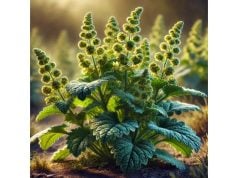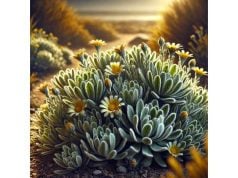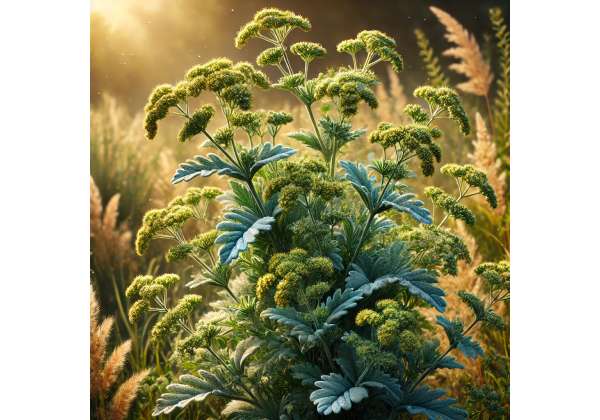
Davana (Artemisia pallens) is a fragrant medicinal and aromatic herb best known for its sweet, fruity, tea-like scent and its long use in Indian traditional practice, perfumery, and flavoring. Today, interest in davana is growing for a different reason: its essential oil contains a complex mix of compounds, especially davanone-related sesquiterpenes, that show promising anti-inflammatory, antimicrobial, and antioxidant activity in laboratory and animal studies. At the same time, davana is often misunderstood online, with claims that go far beyond the evidence. This guide takes a careful, practical approach. You will learn what davana is, what its key compounds do, which health benefits are supported by early research, how it is commonly used, and what safety concerns matter most. Just as important, you will see where the science is still thin, so you can make informed decisions without hype.
Quick Overview
- Davana essential oil contains davanone-related compounds and other aromatics that show anti-inflammatory and antimicrobial potential in early research.
- The strongest current uses of davana are fragrance, flavoring, and traditional wellness use, not proven human medical treatment.
- No standardized human medicinal dose has been established; animal studies commonly used oral extract doses of 100 to 700 mg/kg, which should not be treated as a human self-dose.
- Concentrated davana oil can irritate or sensitize skin and should never be swallowed casually.
- People who are pregnant, breastfeeding, very young, or sensitive to fragrances should avoid self-medicating with davana oil.
Table of Contents
- What Is Davana and Why Is It Used
- Key Compounds in Davana
- Does Davana Have Health Benefits
- How Davana Is Used in Practice
- How Much Davana Should You Use
- Davana Side Effects and Who Should Avoid It
- What the Evidence Actually Shows
What Is Davana and Why Is It Used
Davana is a small aromatic herb in the Artemisia genus, the same broad group that includes wormwood and mugwort. That family link matters, but it can also confuse readers. Davana is its own plant with its own chemistry, scent profile, and use pattern. In practical terms, davana is valued less for its leaves as a kitchen herb and more for its aerial parts and essential oil, which are used in fragrance, flavoring, and traditional herbal preparations.
One reason davana stands out is how distinctive its aroma is. It is often described as fruity, warm, and sweet with a herbal undertone. In perfumery, that makes it useful in small amounts because it can add complexity and a rich top-to-middle note character. In traditional wellness settings, its aroma has also been used for calming, uplifting, and ritual purposes.
Davana also carries economic importance. It is cultivated as a commercial aromatic crop, and quality depends on harvest timing, handling, and extraction. This is not a minor detail. Davana chemistry shifts noticeably with plant stage and processing, so two products labeled “davana” may smell different and perform differently. That variability is one reason modern researchers focus so much on profiling and standardizing davana oil.
Historically and in traditional systems, davana has been associated with uses for digestion, mood, and general wellness. More recent scientific interest has expanded into inflammation, microbes, and metabolic health, mostly in laboratory and animal models. That sounds promising, but it is important to separate “traditional use” and “preclinical activity” from “proven human treatment.” For davana, human clinical evidence is still limited.
A practical way to think about davana is this:
- It is a high-value aromatic medicinal plant with a strong fragrance identity.
- It has a chemically complex essential oil that may support some biological effects.
- It is widely used in fragrance and flavor contexts.
- It remains under-researched in human medicine.
That combination makes davana interesting, but also easy to overstate. If you are reading this for health reasons, the right expectation is cautious optimism. Davana may have real therapeutic potential, but the current evidence supports careful use and realistic claims, not broad promises.
Key Compounds in Davana
If you want to understand davana’s medicinal potential, start with its chemistry. Davana is not a single-compound herb. Its essential oil is a complex mixture, and that complexity is exactly why it is prized in perfumery and challenging in research.
Modern analytical studies have identified a large number of compounds in davana oil, with davanone-related molecules often dominating. In one detailed chemical profiling study, researchers identified dozens of constituents and reported cis-davanone as a major component, along with compounds such as bicyclogermacrene, trans-ethyl cinnamate, davana ether isomers, spathulenol, and other davanone derivatives. These are not just names on a lab sheet. They likely shape both the aroma and the biological activity of the oil.
Researchers also examine davana extracts, not only the essential oil. Extract chemistry can look different from oil chemistry because extraction method changes what ends up in the final product. For example, ethanol extracts have shown compounds like lilac alcohol A, lilac alcohol C, spathulenol, n-hexadecanoic acid, and vulgarin among the more prominent molecules. This is one reason davana studies may not line up perfectly when you compare results: they may be testing different preparations.
A few practical chemistry points matter for readers:
- Davana quality is chemistry-dependent. A product rich in davanone compounds may behave differently from one with a broader or shifted profile.
- Extraction method changes the outcome. Essential oil, solvent extract, and whole-herb preparations are not interchangeable.
- Harvest and origin influence composition. Climate, cultivation site, and plant stage can alter the final chemical profile.
- Minor compounds still matter. Even low-percentage ingredients can affect scent, skin tolerance, and synergy.
This is where many supplement-style articles oversimplify. They may list one “active ingredient” and move on. Davana does not work that way. Its effects likely come from a cluster of compounds, and that makes standardization difficult. It also means one brand’s davana product may not match another in fragrance intensity, irritation risk, or research relevance.
From a medicinal perspective, the most discussed groups in davana include sesquiterpenes and oxygenated aroma compounds. Some of these are linked to anti-inflammatory signaling effects in cell models, while others may contribute to antimicrobial activity or antioxidant behavior. But chemistry alone is not proof of benefit. It is best viewed as the map that helps explain why davana is being studied, and why careful sourcing matters if you choose to use it.
Does Davana Have Health Benefits
Davana does have interesting health-related findings, but most of the evidence is early-stage. The strongest claims right now are not human clinical outcomes. They are lab and animal results that point to possible benefits worth studying further.
1. Anti-inflammatory potential
This is the most convincing area so far. Researchers studying davana essential oil and isolated components have reported reduced pro-inflammatory cytokine signaling in cell models, including effects on TNF-alpha and IL-6 in macrophages. Those are important inflammatory messengers, so this is a meaningful result. It does not prove a clinical anti-inflammatory treatment yet, but it provides a plausible mechanism.
Animal work adds another layer. In a rat arthritis model, a methanolic extract of Artemisia pallens improved several inflammation-related outcomes, including paw swelling, pain-response measures, and some oxidative stress markers. The effect varied by dose, and the results were not perfectly linear, but the study supports the idea that davana contains bioactive compounds that can influence inflammation pathways.
2. Antioxidant and oxidative stress support
Davana is often described as an antioxidant herb, and that claim is partly supported by preclinical data. In the arthritis animal study, the extract was linked with changes in oxidative stress markers such as SOD, GSH, and MDA. That matters because oxidative stress and inflammation often reinforce each other. If a plant extract reduces both, it becomes a stronger candidate for further study.
3. Antimicrobial activity
Davana has also shown antimicrobial activity in lab-based research, and this is consistent with how many aromatic plants behave. Essential oils often disrupt microbial membranes or interfere with growth. Davana’s complex chemistry likely contributes to this. However, “antimicrobial in the lab” does not automatically translate into a safe or effective infection treatment in people.
4. Mood and sensory effects
Many people use davana for its aroma before they ever use it for “medicine.” Its scent can feel grounding, warm, and emotionally comforting. This is a real use case, but it is mostly experiential and aromatherapeutic, not based on strong clinical trials. It can still be valuable, especially if your goal is relaxation rather than treating disease.
The most realistic takeaway
Davana appears most promising for:
- Inflammation-related support (preclinical evidence)
- Oxidative stress support (preclinical evidence)
- Aroma-based wellness uses (practical use, limited clinical evidence)
- Antimicrobial applications in product or formulation research (lab evidence)
The key word is support. Davana should not be presented as a cure for arthritis, infections, or chronic inflammatory disease. The data are interesting, and some results are strong enough to justify more research, but human trials are still the missing piece.
How Davana Is Used in Practice
Davana is used in several very different ways, and this is where many readers make mistakes. A fragrance oil use, a traditional herbal use, and a research extract use are not the same thing. Knowing the form helps you choose safely and avoid unrealistic expectations.
1. Essential oil use
This is the most common modern format. Davana essential oil is used in:
- Aromatherapy blends
- Personal fragrance formulations
- Massage oils (after dilution)
- Cosmetic and skincare fragrance systems
- Natural perfumery
Because davana oil is concentrated, it is usually used in tiny amounts. It is potent in aroma and can dominate a blend if overused. For wellness purposes, people often choose it for emotional comfort, a warm scent profile, or relaxation routines rather than direct medical treatment.
2. Flavoring use in food products
Davana and davana oil also appear in regulated flavoring contexts. In the United States, davana is listed among natural flavoring substances that may be used in food under good manufacturing practice conditions and only in the minimum amount needed for the intended effect. This is a useful detail because it confirms recognized flavor use, but it should not be confused with approval for high-dose therapeutic use.
In other words, “allowed as a flavor” does not mean “safe to self-dose medicinally.”
3. Traditional and herbal preparations
Traditional use can include whole-plant material or extracts, often aimed at general wellness patterns such as digestive comfort, mood support, or metabolic balance. The challenge is standardization. Traditional preparations vary widely in plant part, freshness, concentration, and preparation method. That means outcomes may also vary.
If you are using a traditional-style product today, check:
- Whether it is a whole-herb powder, tincture, or extract
- Whether the label states a standardization marker
- Whether the product is intended for internal or external use
- Whether the seller provides batch or safety information
4. Research extracts versus consumer products
Many of the stronger “health benefit” findings for davana come from methanolic or ethanol extracts used in controlled research. These are not the same as essential oil drops sold for home use. A lab extract can concentrate different compounds than an essential oil, and the dose may be measured by body weight in animals.
That distinction matters for safety and expectations. If a study shows benefit with a methanolic extract in rats, it does not tell you how to use davana essential oil at home.
A practical rule for everyday users
Match the form to the goal:
- Aroma or fragrance goal: use properly diluted essential oil products.
- Food flavor goal: use products designed for food use and follow manufacturer directions.
- Health goal: do not improvise; discuss with a qualified clinician, especially for internal use.
This simple step prevents most avoidable problems with davana.
How Much Davana Should You Use
This is the question most people ask first, and the honest answer is important: there is no standardized human medicinal dose for davana. That is the current state of the evidence.
Most davana research is preclinical, so published dosing is often reported in animal mg/kg. Those numbers are useful for understanding study design, but they are not direct home-use instructions for people.
What research doses look like
In preclinical work, Artemisia pallens extracts have been tested at oral doses such as:
- 100 mg/kg
- 200 mg/kg
- 400 mg/kg
In one arthritis model, these doses were used over a study period, and higher doses (especially 200 mg/kg and 400 mg/kg) produced clearer improvements in some outcomes than 100 mg/kg. The same paper also references earlier acute toxicity assessment work exploring 100 to 700 mg/kg oral dosing in animals without mortality, though with some biomarker fluctuations.
These figures are valuable for researchers, but they do not establish a safe or effective human dose.
What to do in real-life use
Because no evidence-based therapeutic human dose is established, dosage should be guided by the product type:
For essential oil products
- Follow the label directions exactly.
- Use the smallest effective amount for fragrance or topical blends.
- Do not ingest concentrated davana oil unless a qualified clinician specifically instructs you.
For topical use
- Always dilute before skin use.
- Patch-test first on a small area.
- Stop immediately if itching, redness, or rash develops.
For supplements or herbal blends
- Choose products with clear labeling and manufacturer instructions.
- Avoid products that make aggressive disease-treatment claims.
- Ask a clinician or pharmacist if you take daily medications.
Timing and duration
There is no well-defined “best time” or “best cycle length” for davana in humans because clinical trials are lacking. A practical approach is:
- Start low.
- Use for a short trial period.
- Watch for skin, respiratory, or digestive symptoms.
- Reassess before continuing.
If your goal is to manage a chronic condition such as arthritis, anxiety, blood sugar issues, or skin disease, davana should not replace medical care. Use it only as a possible adjunct under guidance.
Bottom line on dosage
The most reliable dosing statement for davana today is not a number. It is a rule: human therapeutic dosing is not standardized, so use product-specific directions and avoid self-prescribed internal dosing. That may feel less satisfying than a simple dose chart, but it is the safest and most accurate advice.
Davana Side Effects and Who Should Avoid It
Davana is natural, but “natural” does not mean risk-free. This is especially true for essential oils, which are concentrated mixtures of many volatile compounds. The most common safety issues with davana involve skin exposure, accidental swallowing, and sensitivity to fragrance compounds.
Common side effects and risks
Based on safety data sheet classifications for davana oil and its listed constituents, the main concerns include:
- Skin sensitization: davana oil can trigger an allergic skin reaction in some people.
- Skin irritation: redness, burning, or dermatitis may occur, especially if undiluted.
- Eye irritation: accidental eye contact can be painful and irritating.
- Aspiration risk if swallowed: concentrated oil should never be taken casually by mouth.
- Fragrance sensitivity reactions: some users may develop headache, nausea, or respiratory discomfort from strong aroma exposure.
These risks are not theoretical. Essential oils often contain compounds such as linalool, geranyl acetate, limonene, and related aromatics that can be sensitizing in certain people.
Who should avoid self-use
Davana is a poor choice for unsupervised use in these groups:
- Pregnant or breastfeeding people: there is not enough reliable human safety data.
- Young children: concentrated aromatic oils carry a higher risk of irritation and accidental misuse.
- People with eczema, sensitive skin, or fragrance allergy: sensitization risk is higher.
- People with asthma or strong scent-triggered symptoms: inhaled aroma may aggravate symptoms.
- Anyone with a history of severe allergic reactions to essential oils: cross-reactivity is possible.
Interactions and medical caution
Human interaction data for davana are limited. That means the safest assumption is uncertainty. If you have a chronic medical condition or use prescription medicines, talk with a clinician before internal use of any davana-containing product. This matters most if you are managing:
- Autoimmune or inflammatory disease
- Liver disease
- Multiple medications
- Severe allergies
- Respiratory conditions
Safer use habits
If you choose to use davana for aroma or topical wellness support, basic precautions reduce risk:
- Use a diluted product.
- Patch-test before broader skin application.
- Keep it away from eyes and mucous membranes.
- Store it out of reach of children.
- Do not swallow the essential oil unless medically directed.
A final point worth repeating: davana’s status as a food flavoring ingredient in regulated amounts does not equal safety for concentrated essential oil ingestion. Product form, dose, and route of use are everything.
What the Evidence Actually Shows
Davana is a good example of a plant with real scientific promise and a weak clinical evidence base. Both parts of that statement matter.
What the evidence supports well
Chemistry and authenticity work
This is the strongest area. Davana has been studied in detail for essential oil composition, and researchers have identified key marker compounds that help with quality control and authenticity. This is useful for both researchers and product makers because davana is chemically complex and easy to mischaracterize.
Preclinical anti-inflammatory evidence
Cell and animal studies suggest davana and certain davana-related compounds can influence inflammatory pathways. Findings involving cytokines such as TNF-alpha and IL-6, plus changes in oxidative stress markers in animal models, provide a credible reason for more research.
Traditional use and aromatic applications
Davana’s long-standing use in traditional systems and its established role in perfumery and flavoring are well documented. This does not prove disease treatment, but it supports continued interest and practical relevance.
What remains uncertain
Human clinical effectiveness
This is the biggest gap. There are not enough high-quality human trials to confidently answer common questions like:
- Does davana reduce joint pain in people
- Does davana improve anxiety symptoms
- Does davana help blood sugar control
- What dose works best and for how long
Without randomized controlled trials, these claims remain unproven.
Standardized dosing
Research uses different extracts, different concentrations, and different models. Until human trials standardize the product and dose, “best dosage” articles are mostly guesswork.
Long-term safety
Short-term exposure may be manageable for many users, but long-term internal use safety is not well defined. Essential oil safety depends on route, dose, and individual sensitivity, and davana is no exception.
How to interpret online claims
When you read a davana claim online, ask three quick questions:
- Was the evidence from humans, animals, or cells?
- Was the product an essential oil, whole herb, or a lab extract?
- Does the claim include a realistic safety warning?
If those answers are missing, the claim is probably overstated.
The balanced conclusion
Davana is not just a pleasant aromatic herb. It is a chemically rich plant with legitimate research interest, especially for inflammation and oxidative stress. But it is also not a proven stand-alone medicine for major conditions. The best use of davana right now is informed, careful, and goal-specific: fragrance and wellness support for many users, and experimental therapeutic interest for researchers.
That may sound conservative, but it is the most useful position for a reader who wants both honesty and practical value.
References
- Artemisia pallens Wall. ex. DC: A comprehensive review 2024 (Review)
- Artemisia pallens W. Attenuates Inflammation and Oxidative Stress in Freund’s Complete Adjuvant-Induced Rheumatoid Arthritis in Wistar Rats 2024 (Animal Study)
- New Insights into the Chemical Composition, Pro-Inflammatory Cytokine Inhibition Profile of Davana (Artemisia pallens Wall. ex DC.) Essential Oil and cis-Davanone in Primary Macrophage Cells 2021 (Preclinical Study)
- eCFR :: 21 CFR 172.510 — Natural flavoring substances and natural substances used in conjunction with flavors. 2026 (Regulatory)
- Davana MSDS.pdf 2024 (Safety Data Sheet)
Disclaimer
This article is for educational purposes only and does not provide medical advice, diagnosis, or treatment. Davana research is still mostly preclinical, and no standardized human medicinal dose has been established. Essential oils can cause irritation or allergic reactions and may be unsafe if swallowed. If you are pregnant, breastfeeding, treating a chronic condition, or taking prescription medicines, speak with a qualified healthcare professional before using davana products.
If you found this guide useful, please share it on Facebook, X, or any platform you prefer so others can access clear and careful information.