Dehydration-induced hypotension happens when your body loses enough fluid that your blood pressure drops. For some people, it starts as a subtle “off” feeling—lightheaded in the shower, tired on a hot day, or dizzy when standing up quickly. For others, it can lead to fainting, falls, or worsening of heart, kidney, or brain conditions.
This problem is common because dehydration has many everyday triggers: stomach bugs, heat, long flights, intense workouts, certain medicines, and simply not drinking enough. The good news is that most cases improve quickly once you replace fluids and electrolytes and address the cause. The key is recognizing when it is safe to manage at home and when low blood pressure is a warning sign of something urgent.
Table of Contents
- What it is and why dehydration lowers blood pressure
- Common causes and risk factors you can spot
- Symptoms, red flags, and possible complications
- How it’s diagnosed in clinic or the ER
- Treatment: rehydration steps and medical care
- Prevention, home management, and when to seek help
What it is and why dehydration lowers blood pressure
Blood pressure depends on two simple things: how much fluid is circulating in your bloodstream and how tightly your blood vessels “hold” that fluid. Dehydration reduces circulating volume—less fluid means less return of blood to the heart, less blood pumped out with each beat, and a lower pressure in the arteries.
Your body tries to compensate quickly. It increases heart rate, tightens blood vessels, and activates hormones that conserve salt and water. These adjustments can work well at first, which is why early dehydration can feel like “just fatigue.” But compensation has limits. If fluid losses continue—or if you have less reserve because of age, medications, or illness—blood pressure can fall enough to cause symptoms.
A common pattern is orthostatic hypotension (a drop in blood pressure when standing). When you stand, gravity pulls blood toward the legs and abdomen. Normally, your nervous system tightens vessels and slightly raises heart rate within seconds. Dehydration makes this harder because there is less fluid available to redistribute. The result can be a brief wave of dizziness, blurred vision, or even fainting.
Not all dehydration is the same, and that affects symptoms and treatment:
- Water-predominant loss: common with heat exposure or not drinking enough. Thirst can be strong, the mouth feels dry, and urine becomes darker and less frequent.
- Water plus salt loss: common with vomiting, diarrhea, heavy sweating, or diuretics. You may feel weak, crampy, and lightheaded sooner because salt helps keep fluid inside blood vessels.
- Hidden dehydration: older adults may feel less thirsty; some people drink fluids but still lose more than they replace (for example, fever, rapid breathing, uncontrolled blood sugar, or high-output stomas).
A practical takeaway: dehydration-induced hypotension is not only “low blood pressure.” It is a whole-body shortage of fluid and electrolytes that can reduce blood flow to the brain, kidneys, and heart—especially when you change posture or exert yourself.
Common causes and risk factors you can spot
Dehydration-induced hypotension usually has a straightforward trigger, but it often shows up when multiple factors stack together. Knowing the common causes helps you prevent recurrence and helps clinicians rule out more serious conditions.
Everyday causes
- Gastrointestinal fluid loss: vomiting, diarrhea, poor intake from nausea, or food poisoning. Even 24–48 hours can matter if you cannot keep fluids down.
- Heat and sweating: hot weather, saunas, fever, or long outdoor work. Sweat contains both water and salt.
- Exercise without adequate replacement: especially endurance events, high-intensity training, or workouts in heat.
- Low intake: busy schedules, travel days, older adults who do not feel thirsty, and people who limit fluids to avoid nighttime urination.
- Alcohol: increases urine output and can reduce the body’s ability to maintain blood pressure.
- High blood sugar: can pull water into the urine, leading to significant fluid loss.
Medication-related risk
Certain medicines make dehydration or low blood pressure more likely, particularly when combined with heat, illness, or missed meals:
- Diuretics (“water pills”)
- Blood pressure medicines (especially dose changes, starting a new drug, or taking multiple agents)
- Medications that relax blood vessels (for example, some prostate or heart medications)
- Certain antidepressants, antipsychotics, and Parkinson’s medications that can impair blood pressure regulation
- SGLT2 inhibitors (a diabetes drug class that increases glucose and fluid loss in urine)
Never stop a prescribed medication suddenly, but do tell a clinician if symptoms began after a medication change.
Who is at higher risk of complications
- Older adults: reduced thirst, less kidney reserve, and higher fall risk
- People with kidney disease, heart failure, or liver disease: fluid balance is narrower; both dehydration and overhydration can be harmful
- People with autonomic disorders: the nervous system response to standing can be weaker
- Pregnant people: fluid needs are higher; vomiting and heat can tip the balance quickly
- Children: smaller body reserves; dehydration can progress faster
A helpful way to think about risk is “reserve.” If your body has less ability to compensate—because of age, chronic disease, or medication—smaller fluid losses can cause bigger blood pressure drops.
Symptoms, red flags, and possible complications
Dehydration-induced hypotension can range from mildly uncomfortable to dangerous. The trick is recognizing the pattern early and spotting the warning signs that suggest you need urgent care.
Common early symptoms
These often appear first when standing, showering, or walking:
- Lightheadedness, dizziness, or “seeing stars”
- Weakness, unusual fatigue, or reduced exercise tolerance
- Thirst, dry mouth, cracked lips
- Headache
- Dark urine or urinating less often
- Fast heartbeat or a pounding pulse
- Muscle cramps, especially after sweating
Some people feel “foggy” or unsteady rather than clearly dizzy. That still matters, especially if you are at risk for falls.
Signs the blood pressure drop is more severe
- Fainting or near-fainting
- Confusion, agitation, or unusual sleepiness
- Cold, clammy skin; gray or pale appearance
- Very rapid heartbeat at rest
- Inability to stand without symptoms
- Minimal or no urine for many hours
Complications you want to prevent
Low blood pressure from dehydration can reduce blood flow to important organs. Potential complications include:
- Falls and injuries: a major risk in older adults, especially at night or after a hot shower
- Acute kidney injury: kidneys need steady blood flow; dehydration can cause a sudden drop in kidney function
- Worsening heart conditions: the heart may race to compensate; dehydration can worsen chest discomfort or trigger rhythm problems in susceptible people
- Heat illness: dehydration plus heat can progress from cramps to heat exhaustion and, rarely, heat stroke
- Electrolyte disturbances: low sodium or potassium can cause weakness, confusion, or abnormal heart rhythms
Red flags that require urgent evaluation
Seek emergency care if any of the following are present:
- Chest pain, severe shortness of breath, or fainting
- New weakness on one side, trouble speaking, severe headache, or vision loss
- Bloody stools, black/tarry stools, or vomiting blood
- Severe abdominal pain, rigid belly, or persistent vomiting
- High fever, stiff neck, or signs of severe infection
- Confusion or inability to stay awake
- Dehydration in a person with heart failure, advanced kidney disease, or a high-risk pregnancy
One more practical red flag: if you try oral fluids and symptoms do not improve within a few hours—or they worsen—you should be assessed. Dehydration is treatable, but delaying care can raise the risk of complications.
How it’s diagnosed in clinic or the ER
Diagnosis is usually a combination of history, physical exam, basic vitals, and targeted testing to confirm dehydration and rule out other causes of low blood pressure (like bleeding, heart problems, severe infection, or medication side effects).
1) History: what clinicians listen for
A clinician will often focus on a few high-yield questions:
- How long have symptoms been present, and did they start after vomiting, diarrhea, heat exposure, or intense activity?
- Are you drinking less than usual, or losing more fluid than usual?
- Did you start, stop, or change the dose of any medications?
- Any chest pain, shortness of breath, fever, or blood loss?
- How often are you urinating, and what color is it?
If symptoms occur mainly on standing, that pattern supports dehydration-related volume loss or impaired blood pressure regulation.
2) Vital signs and an orthostatic check
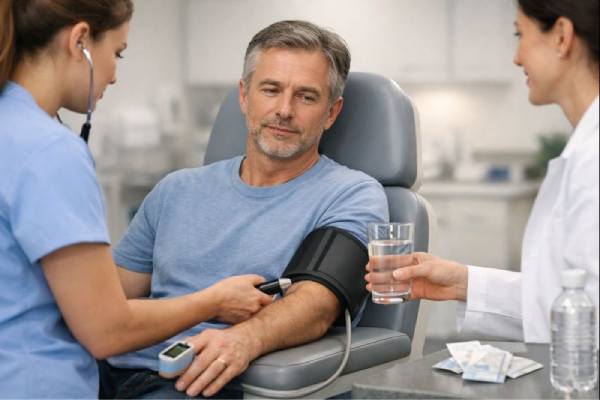
Clinicians typically measure blood pressure and heart rate while lying down and again after standing. A meaningful blood pressure drop or a large heart rate increase when standing can support the diagnosis. Even if numbers look “okay” in one moment, symptoms still matter; dehydration can fluctuate through the day.
3) Physical exam clues
Exam findings can include dry mouth, cool extremities, delayed capillary refill, low jugular venous pressure, or dizziness with standing. Importantly, the exam is not perfect—especially in older adults—so clinicians rely on the overall picture.
4) Common tests
Testing depends on severity and risk factors, but may include:
- Blood tests: electrolytes (sodium, potassium), kidney function, glucose, and markers that suggest concentration from dehydration
- Urine testing: urine concentration and signs of infection if symptoms fit
- Electrocardiogram (ECG): if palpitations, chest symptoms, or significant hypotension are present
- Additional studies when needed: pregnancy testing, stool studies, imaging, or infection workup if red flags exist
5) Looking for alternative explanations
Clinicians remain alert for other causes that can mimic dehydration-induced hypotension, such as internal bleeding, adrenal problems, heart rhythm disorders, severe allergic reactions, or sepsis. If your symptoms are out of proportion to your fluid loss—or you have worrisome signs—they will broaden the evaluation quickly.
A good diagnosis does two things: confirms dehydration as the driver and ensures nothing more dangerous is being missed.
Treatment: rehydration steps and medical care
Treatment aims to restore circulating volume, correct electrolyte losses, and stop the fluid drain. The right approach depends on severity, the cause of dehydration, and your medical background.
At-home rehydration for mild to moderate cases
If you are alert, can drink, and do not have red flags, oral rehydration is usually the safest first step.
Practical approach:
- Start small and steady: take frequent sips every 1–2 minutes if nausea is present. Many people tolerate 100–200 mL every 10–15 minutes better than a large glass at once.
- Include electrolytes when losses are significant: choose an oral rehydration solution or an electrolyte drink, especially after vomiting, diarrhea, or heavy sweating. Plain water alone may not replace salt losses well.
- Add easy carbohydrates if needed: crackers, toast, rice, bananas, or soup can help restore energy and improve fluid absorption.
- Avoid dehydration accelerators: alcohol, very sugary drinks in large amounts, and excessive caffeine can worsen symptoms for some people.
- Rest and cool down: heat and exertion keep fluid losses going.
A simple checkpoint: you should gradually urinate more, your urine should lighten in color, dizziness should ease, and your heart rate should settle as hydration improves.
When oral fluids aren’t enough
Medical care is usually needed if you cannot keep fluids down, if symptoms are severe, or if you have high-risk conditions.
In urgent care or the emergency department, treatment may include:
- IV fluids: often the fastest way to restore blood pressure and organ perfusion
- Electrolyte correction: tailored to blood test results
- Antiemetics or antidiarrheals when appropriate: to reduce ongoing losses and allow oral intake
- Treating the underlying cause: infection treatment, glucose control, medication adjustments, or management of heat illness
Medication considerations
If dehydration is the driver, clinicians often review medications that can worsen low blood pressure or fluid loss. They may recommend short-term adjustments during acute illness (sometimes called “sick day” planning), especially for diuretics or certain blood pressure medications. These decisions are individualized—particularly for people with heart failure or kidney disease—so it is best done with clinical guidance.
Special situations: heart, kidney, and older adults
If you have heart failure, advanced kidney disease, or are frail, rehydration must be more cautious. Too little fluid can worsen low blood pressure and kidney function; too much can trigger swelling or breathing difficulty. In these situations, medical supervision is often the safer path.
The goal is not just “getting fluids in.” It is restoring stable circulation and preventing a rebound problem.
Prevention, home management, and when to seek help
Prevention works best when it is tailored to your most likely triggers—heat, stomach illness, medications, or standing-related dizziness. A small plan can prevent repeat episodes.
Daily habits that protect blood pressure
- Drink consistently, not reactively: many people wait for thirst, but thirst can be delayed in older adults. Build fluids into routines (morning, mid-day, late afternoon).
- Match intake to conditions: heat, exercise, fever, and travel increase needs. Plan extra fluids before symptoms start.
- Use electrolytes strategically: after heavy sweating, vomiting, diarrhea, or long endurance activity, include electrolyte-containing fluids rather than relying on water alone.
- Eat regular meals when possible: food helps retain fluid and supports stable blood pressure.
- Stand up in stages: sit at the edge of the bed for 30–60 seconds before standing, especially at night.
Reducing orthostatic symptoms at home
If dizziness mainly happens on standing, these measures often help:
- Counter-maneuvers: cross your legs, tighten thigh and buttock muscles, or rise onto your toes for 15–30 seconds before walking.
- Compression garments: waist-high compression can reduce pooling in the legs for some people.
- Cool showers and ventilation: hot showers are a common trigger; keep water warm rather than hot and consider sitting if symptoms occur.
Illness planning: don’t “push through” dehydration
During a stomach bug or fever, dehydration can worsen quickly. A practical home plan includes:
- Start oral rehydration early, before dizziness appears.
- Track urine frequency and color.
- Reassess every 2–3 hours: improving, stable, or worsening?
- Have a threshold for help: persistent vomiting, worsening weakness, or inability to keep fluids down.
When to contact a clinician soon
Seek prompt medical advice (same day or next day, depending on severity) if:
- Dizziness persists despite several hours of oral rehydration
- You have repeated episodes of fainting or near-fainting
- You are taking multiple blood pressure medicines or diuretics and symptoms recur
- You have kidney disease, heart failure, diabetes, or are pregnant
- You suspect medication side effects or you recently changed doses
When to treat it as an emergency
Call emergency services or go to the ER for fainting, confusion, chest pain, severe shortness of breath, signs of stroke, or evidence of significant bleeding. Low blood pressure is sometimes the body’s “alarm light,” and fast evaluation can be lifesaving.
With a clear plan—hydration strategy, trigger awareness, and smart escalation—most people can reduce episodes dramatically and feel more confident managing them.
References
- Hydration Status in Older Adults: Current Knowledge and Future Challenges 2023 (Review)
- Dehydration in older people: A systematic review of the effects of dehydration on health outcomes, healthcare costs and cognitive performance 2021 (Systematic Review)
- Orthostatic Hypotension in Adults With Hypertension: A Scientific Statement From the American Heart Association 2024 (Guideline)
- Orthostatic hypotension: Review and expert position statement 2024 (Expert Statement)
- New horizons in the diagnosis and management of dehydration 2023 (Review)
Disclaimer
This article is for general education and does not replace personalized medical advice, diagnosis, or treatment. Low blood pressure from dehydration can usually be treated, but it can also signal a serious problem such as bleeding, severe infection, or heart rhythm issues. If you have fainting, confusion, chest pain, trouble breathing, severe weakness, signs of stroke, or blood in vomit or stool, seek emergency care immediately. If you have heart failure, kidney disease, diabetes, are pregnant, or take blood pressure medicines or diuretics, contact your clinician early when dehydration symptoms begin.
If you found this article useful, please share it on Facebook, X (formerly Twitter), or any platform you prefer, and follow us on social media. Your support through sharing helps our team continue producing reliable, patient-focused health content.