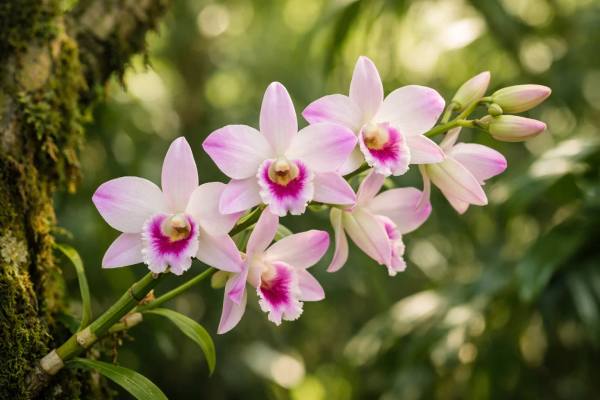
Dendrobium is a large genus of orchids with a long history in Asian herbal traditions, especially in Chinese medicine where certain species are known as shi hu. While many dendrobium orchids are grown purely as ornamentals, a smaller group of species—most notably Dendrobium officinale and Dendrobium nobile—are used as “nourishing” botanicals, traditionally chosen for dryness, throat and stomach comfort, recovery from fatigue, and gentle daily resilience.
Modern interest focuses on dendrobium’s polysaccharides, alkaloids, and distinctive phenolic compounds, which may help explain its soothing, antioxidant, and immune-modulating reputation. In practice, people use dendrobium as a tea or decoction, as a powder stirred into warm drinks, or as standardized extracts in capsules. Because products vary widely by species, growing conditions, and processing, smart use is less about hype and more about choosing a traceable product, starting low, and watching for interactions—especially if you manage blood sugar or take multiple medications.
Quick Overview
- May support throat and mouth comfort when dryness is a recurring issue.
- May modestly support metabolic markers when paired with diet and activity changes.
- Avoid combining with diabetes medications without clinician guidance due to possible low blood sugar.
- Common traditional range is 3–9 g/day dried stem as tea or decoction; extracts vary by label.
- Avoid during pregnancy and breastfeeding, and in children unless advised by a clinician.
Table of Contents
- What is dendrobium?
- Key ingredients and medicinal properties
- Dendrobium benefits and realistic outcomes
- Does dendrobium support energy and performance?
- Does dendrobium help with blood sugar?
- How to use dendrobium
- Dosage, safety, and research limits
What is dendrobium?
Dendrobium refers to a vast genus of orchids found across Asia and the Pacific. If you have ever seen a dendrobium orchid in a flower shop, you have met the genus—but not necessarily the medicinal plant. In herbal practice, “dendrobium” usually means a carefully selected species and plant part, most often the stem (sometimes processed as slices, spirals, or dried sections). Two names show up repeatedly in traditional and modern discussions:
- Dendrobium officinale (often associated with “Tiepi Shihu” in Chinese contexts)
- Dendrobium nobile (a classic species referenced in older materia medica)
These are not interchangeable with every dendrobium orchid. Different species contain different patterns of polysaccharides, alkaloids, and phenolic compounds, which can change both effects and tolerability. That is why reputable products specify the species name and the plant part used.
Traditionally, dendrobium has been described as moistening and soothing—often selected when “dryness” patterns show up as a scratchy throat, dry mouth, low thirst regulation, or a stomach that feels sensitive and “thin-skinned.” Some traditions also view dendrobium as supportive during recovery when appetite, fluids, and energy feel depleted.
In modern wellness language, people commonly reach for dendrobium when they want:
- Daily support for mucosal comfort (throat and mouth)
- Gentle digestive support, especially when dryness or heat sensations accompany discomfort
- A steady, non-stimulating form of resilience (as opposed to a strong stimulant feeling)
A practical way to think about dendrobium is that it is often used more like a “nourishing base” than a quick symptom blocker. Many people notice the most value when it is taken consistently for several weeks, alongside hydration habits, sleep, and a supportive diet.
Because dendrobium is an orchid, sourcing also matters. Orchids can be sensitive to habitat loss, and some species have been overharvested historically. Cultivated, traceable sourcing is not just an ethical preference—it is a quality marker that often correlates with better contaminant control and more consistent potency.
Key ingredients and medicinal properties
Dendrobium is chemically rich, but its most discussed “active” families tend to fall into a few categories. The specific balance depends on species, growing conditions, harvest timing, and processing—so it helps to think in patterns rather than a single magic compound.
Polysaccharides (the “soothing backbone”)
Polysaccharides are complex carbohydrates that often behave like biological “signal modulators.” In many medicinal plants, polysaccharides are associated with:
- Moistening and protective effects on mucosal surfaces
- Prebiotic-like support for the gut environment
- Immune modulation (supporting balance rather than forcing stimulation)
Dendrobium polysaccharides are frequently described as contributing to the plant’s traditional “yin-nourishing” and soothing reputation. In practical terms, this aligns with why dendrobium tea is often used when the throat feels dry or easily irritated.
Alkaloids (species-dependent, potentially stronger)
Some dendrobium species contain notable alkaloids (for example, dendrobine in D. nobile). Alkaloids are a broad class and can be more pharmacologically “active” in smaller doses. This does not automatically mean “better”—it means the plant may be more noticeable, and sometimes more likely to cause side effects in sensitive people. It is one reason species identification matters.
Phenolic compounds, bibenzyls, and phenanthrenes
Dendrobium species also contain distinctive phenolic compounds that are studied for antioxidant and anti-inflammatory behavior. These are often discussed in connection with cellular protection, healthy aging pathways, and metabolic signaling. In everyday use, they may contribute to the “steady support” users report rather than a sharp, immediate effect.
Flavonoids and related antioxidants
Like many plants, dendrobium contains flavonoids and other antioxidant-supporting constituents. These compounds are less about acting like a drug and more about contributing to overall redox balance—especially relevant when lifestyle, stress, and sleep debt increase oxidative strain.
What these compounds suggest in real life
When you combine the traditional use patterns with these compound families, dendrobium’s “medicinal properties” are often described as:
- Soothing and moistening (especially throat and digestive tract comfort)
- Antioxidant support (cellular protection over time)
- Immune and inflammatory balance (particularly when taken consistently)
- Metabolic support potential (often framed as supportive, not curative)
If you want to compare dendrobium’s “nourishing, resilience” positioning to a more classic adaptogen profile, it can help to review ginseng active compounds and notice how different plants emphasize different constituent families and user experiences.
Dendrobium benefits and realistic outcomes
Dendrobium’s strongest reputation is not about a single dramatic benefit. Instead, it sits in the category of botanicals people use for steady, layered support—often where dryness, recovery, or “worn down” patterns are part of the story. The most helpful way to evaluate dendrobium is by matching it to realistic outcomes you can actually observe.
1) Throat, mouth, and “dryness” comfort
Many people try dendrobium because the throat feels easily irritated, the mouth feels dry, or hydration does not seem to “stick.” Dendrobium tea is often used in a slow, routine way—like a supportive beverage rather than a medicine you take once and forget.
Realistic outcomes may include:
- Less scratchy throat sensation over time
- More comfortable swallowing when dryness is frequent
- A calmer “raw” feeling after speaking a lot or in dry indoor air
This is not the same as treating an acute infection. If you have fever, severe pain, swollen glands, or symptoms that worsen quickly, dendrobium is not a substitute for medical evaluation.
2) Digestive and stomach comfort
In traditional frameworks, dendrobium is often paired with digestive support when the stomach feels sensitive, dry, or reactive. People sometimes report that dendrobium feels “gentle,” especially compared with more bitter digestive herbs.
Realistic outcomes may include:
- Better tolerance of warm drinks and meals
- Reduced “burny” or irritated sensations that accompany dryness patterns
- A steadier appetite in recovery periods (when paired with food routines)
3) General resilience and recovery support
Dendrobium is often used when energy feels low but stimulants feel like the wrong tool. Instead of giving a sharp “boost,” it may support steadier function by helping sleep, hydration routines, and digestive comfort feel more stable.
Realistic outcomes may include:
- Less “frayed” feeling during stressful weeks
- Better recovery when combined with adequate calories and protein
- A calmer baseline rather than a wired sensation
4) Skin and healthy aging “support” positioning
Some people use dendrobium in beauty-from-within routines. This is typically a long game: hydration habits, sunlight management, and nutrient adequacy matter more than any single herb. Dendrobium may fit as one supportive element—particularly if dryness is part of how aging shows up for you.
What dendrobium is unlikely to do
To keep expectations grounded, dendrobium is unlikely to:
- Replace evidence-based treatment for diabetes, hypertension, or autoimmune disease
- Deliver immediate pain relief like an analgesic
- “Detox” your body in a meaningful medical sense
- Fix chronic issues without lifestyle and medical support
A good rule is to track 2–3 simple markers (throat comfort, digestion, perceived resilience) for 3–6 weeks. If nothing shifts, the product may be mismatched, under-dosed, or simply not the right herb for your pattern.
Does dendrobium support energy and performance?
Energy is one of the most searched reasons people consider dendrobium, but it helps to define what kind of “energy” you mean. Dendrobium is usually not taken for a fast stimulant effect. Instead, it is more often used for steadier performance when fatigue is tied to dryness, recovery, or a system that feels “under-resourced.”
The “steady” energy profile
Users often describe dendrobium as supporting energy indirectly through:
- Better hydration comfort (drinking becomes easier and more consistent)
- Improved digestive ease (food intake feels more stable)
- A calmer baseline (less stress-driven depletion)
If your fatigue is driven by poor sleep, low calorie intake, iron deficiency, thyroid disease, depression, or medication side effects, dendrobium may be supportive but will not address the root cause. In those cases, it works best as an adjunct to appropriate care.
Performance and stamina
Traditional use sometimes frames dendrobium as supportive for endurance and recovery. If you are using it for workouts, it is usually paired with:
- Adequate carbohydrate and protein intake
- Hydration and electrolytes when sweating is high
- A consistent training plan with recovery days
Dendrobium is not the most performance-targeted botanical, so if your main goal is exercise stamina, consider whether a more performance-oriented option fits better. For example, some people compare dendrobium with cordyceps sinensis benefits and dosage, which is more directly associated with endurance-style support in many wellness routines.
Cognitive function and “clear head” use
Some users take dendrobium for mental clarity, especially when brain fog feels connected to dehydration, low appetite, or burnout. Realistic cognitive outcomes—if they occur—often look like:
- Fewer afternoon crashes when hydration and meals are steady
- Slightly improved “smoothness” in attention
- Less edgy overstimulation compared with caffeine-heavy strategies
Practical ways to test it for energy
If you want to evaluate dendrobium for energy support, keep it simple:
- Take it earlier in the day (morning or midday) for 2–3 weeks.
- Track one metric (midday energy 1–10) and one behavior (daily fluid intake).
- Avoid adding three other supplements at the same time, or you will not know what helped.
If you notice improved comfort and steadier energy, dendrobium may be a good fit. If you feel nothing, it may not be the right match—or the product may not be species-specific or potent.
Does dendrobium help with blood sugar?
Blood sugar support is one of the most common modern reasons people explore dendrobium, especially D. nobile and D. officinale. The key idea to hold is this: dendrobium may be supportive, but it is not a replacement for medical care, and it should not be used casually alongside glucose-lowering medications without guidance.
Why people consider dendrobium for metabolic health
Interest comes from dendrobium’s polysaccharides and phenolic compounds, which are studied for roles related to:
- Post-meal glucose handling
- Inflammatory tone (which can influence insulin sensitivity)
- Gut environment support (which may affect metabolic signaling)
In real life, the most meaningful metabolic improvements still come from fundamentals: calorie balance, fiber intake, strength training, sleep, and stress reduction. Dendrobium—if it helps—tends to work best as an add-on to these foundations.
Realistic outcomes to expect
If dendrobium supports your metabolic routine, realistic outcomes may include:
- Slightly steadier energy after meals (less “spike and crash”)
- Improved appetite regularity (supporting better food choices)
- A modest shift in fasting glucose or triglycerides over time (not guaranteed)
If you are tracking numbers, do it with consistency: similar meal timing, similar activity, and the same testing method. Otherwise, normal day-to-day variability can be mistaken for a supplement effect.
Who should be cautious
If you take medications that lower blood sugar (including insulin and several oral agents), the combination may increase the likelihood of low blood sugar symptoms, such as:
- Shakiness, sweating, or rapid heartbeat
- Sudden irritability or confusion
- Weakness, dizziness, or headache that improves with carbohydrates
If any of these occur, stop the supplement and contact your clinician. Safety beats experimentation.
Combining dendrobium with a broader plan
Some people who explore botanical metabolic support also compare other plants with stronger “blood sugar identity.” If you are researching options, a useful comparison point is insulin plant blood sugar control, which highlights how some herbs are positioned more directly for glucose management.
A grounded way to use it
If you and your clinician decide dendrobium is reasonable:
- Start at the low end of the product’s suggested amount.
- Take it with meals to reduce stomach upset and to align with post-meal glucose patterns.
- Track symptoms and, if relevant, glucose readings more frequently during the first 1–2 weeks.
The goal is not to “force” numbers down. The goal is to support a stable routine without creating new risks.
How to use dendrobium
Dendrobium can be used as a traditional preparation, a modern supplement, or a hybrid of both. Your best choice depends on your goal (dryness comfort, daily resilience, metabolic support), your tolerance for bitter or earthy flavors, and how consistent you can be.
Common forms
1) Tea or infusion (light preparation)
This is the gentlest approach, often used for ongoing throat and mouth comfort. It tends to be mild and can be taken daily.
2) Decoction (simmered extraction)
A decoction pulls out more polysaccharides and creates a richer, slightly “silky” texture. This is common in traditional use, especially when dendrobium is part of a formula.
3) Powder (whole herb)
Powder can be stirred into warm water, soups, or congee-style foods. It is convenient but can be harder to digest for some people.
4) Extract (capsules, tablets, liquid extracts)
Extracts vary widely. Some are standardized to polysaccharides, while others are not. Extracts can be helpful if you want consistent dosing without daily preparation.
Preparation tips that improve results
- Use warm water and time. Polysaccharide-rich herbs often benefit from longer steeping or gentle simmering.
- Avoid boiling aggressively for long periods unless the product is designed for it; overly aggressive heat can degrade some compounds and create a harsh taste.
- Pair with hydration habits. If your goal is dryness comfort, dendrobium works best when you also improve baseline fluid intake and indoor humidity where possible.
A simple decoction method (home-friendly)
- Rinse the dried dendrobium pieces quickly.
- Add to a pot with water.
- Bring to a gentle simmer (not a rolling boil).
- Simmer, covered, then strain.
- Sip warm through the day.
People often describe the resulting liquid as mild, slightly sweet, or neutral—though the experience depends heavily on the species and quality.
Choosing a quality product
Because dendrobium is frequently substituted or blended, quality signals matter:
- Species listed clearly (not just “Dendrobium extract”)
- Plant part specified (stem is most common in traditional use)
- Testing transparency (heavy metals and microbial safety are especially relevant for botanicals)
- Responsible sourcing (cultivated supply and traceability)
If a label hides behind vague language, it is hard to know what you are taking.
When it makes sense to combine with other botanicals
Dendrobium is often combined with other herbs in traditional practice. If your goal is immune balance and steady resilience, some people explore gentler pairings rather than stacking stimulants. One well-known comparison herb for immune-oriented routines is astragalus for immunity support, though the best pairing depends on your health profile and medications.
Dosage, safety, and research limits
Because dendrobium products vary by species and preparation, dosing is best approached as a range—and as a process rather than a single “right number.” Start low, increase slowly, and let your body’s response guide you.
Common dosage ranges (practical guidance)
Traditional dried stem (tea or decoction):
A commonly used range is 3–9 g per day of dried stem, often taken as one preparation sipped across the day. If you are new to dendrobium, starting closer to the low end helps you assess tolerance.
Powdered whole herb:
Powder amounts vary widely by concentration and grind. Many people start with a small amount in warm water and increase gradually.
Extracts (capsules or liquid):
Extract labels differ so much that the most reliable rule is: follow the label, choose a product that specifies species and standardization, and begin with half of the suggested dose for several days. If you feel well, you can move to the full label dose.
Timing and duration
- Best time of day: morning or midday is common, especially if you are evaluating energy and performance support.
- With or without food: with meals is often easier on digestion.
- How long to try it: a fair trial is usually 3–6 weeks, because dendrobium is often used for gradual support rather than immediate effects.
Side effects to watch for
Most reported side effects are mild, but any herb can cause reactions. Potential issues include:
- Digestive upset (nausea, loose stools, bloating)
- Headache or lightheadedness (sometimes linked to hydration shifts or low blood sugar in susceptible people)
- Allergic reactions (itching, rash, swelling—rare but important)
Stop use if you develop concerning symptoms.
Interactions and who should avoid it
Use extra caution if you:
- Take diabetes medications or insulin (risk of low blood sugar)
- Take multiple medications and have a history of sensitivity to supplements
- Have chronic liver or kidney disease (you should use clinician-guided dosing and product selection)
Avoid dendrobium unless your clinician approves if you:
- Are pregnant or breastfeeding
- Are giving supplements to a child
- Have an upcoming surgery (many clinicians prefer stopping non-essential supplements 1–2 weeks beforehand)
Research limits you should know
Dendrobium has substantial traditional use and a growing scientific literature, but it also has limitations that matter for informed decisions:
- Human studies exist but are not as abundant or as standardized as those for some mainstream supplements.
- Results may not transfer across species (what is true for D. nobile may not apply to D. officinale, and vice versa).
- Many preparations studied in labs are not identical to retail supplements, making real-world translation tricky.
The most responsible takeaway is to treat dendrobium as a supportive botanical—worth exploring when it matches your goals, but best used with careful product selection, conservative dosing, and attention to interactions.
References
- Clinical study of Dendrobium Nobile Lindl intervention on patients with metabolic syndrome 2021 (Clinical Study)
- Research progress on extraction, purification, structure and biological activity of Dendrobium officinale polysaccharides 2022 (Review)
- Recent advances in polysaccharides derived from the Dendrobium nobile Lindl.: preparation strategies, structural characteristics, biological activity, and structure-activity relationships 2025 (Review)
- The therapeutic effects of dendrobium officinale polysaccharides on diabetes mellitus: from the perspective of gut microbiota 2025 (Review)
Disclaimer
This article is for educational purposes only and does not provide medical advice, diagnosis, or treatment. Herbal products can vary widely in strength and quality, and “natural” does not always mean safe for every person. If you are pregnant, breastfeeding, managing a chronic condition (especially diabetes), or taking prescription medications, consult a licensed clinician or pharmacist before using dendrobium. Stop use and seek medical advice if you develop symptoms of allergy, significant digestive upset, or signs of low blood sugar.
If you found this guide helpful, consider sharing it with friends or colleagues on Facebook, X (formerly Twitter), or any platform where people are comparing evidence-based herbal options.