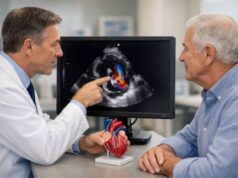
Diastolic heart failure is a form of heart failure where the heart’s squeeze may look normal, but the heart does not relax and fill well. Many clinicians now call it HFpEF (heart failure with preserved ejection fraction—heart failure despite “normal” squeeze). People often describe the early experience as puzzling: walking the same route suddenly feels harder, stairs demand more stops, and “catching your breath” takes longer than it used to.
This condition is common, especially with aging, high blood pressure, diabetes, obesity, and sleep apnea. It can be frustrating because symptoms may fluctuate day to day, and routine tests can look reassuring unless the right measurements are taken. Still, there is a lot you can do. With careful diagnosis, targeted medications, and practical daily habits, many people improve their stamina, reduce flare-ups, and lower the risk of hospitalization.
Table of Contents
- What it is and how it affects the body
- What causes it and who is at risk
- Symptoms, patterns, and complications
- How it’s diagnosed and what tests mean
- Treatments that work and what to expect
- Management, prevention, and when to seek urgent care
What it is and how it affects the body
Diastolic heart failure happens when the heart cannot fill without building up extra pressure. The left ventricle—the main pumping chamber—may still contract strongly, but it behaves like a stiff container: it accepts less blood during each beat unless pressure rises. That pressure has consequences. It can push backward into the lungs, making breathing feel tight during activity, after salty meals, or when lying flat. Over time, it can also enlarge and strain the left atrium, which raises the risk of atrial fibrillation.
A helpful way to picture it is this: in many other forms of heart failure, the pump is weak. In diastolic heart failure, the pump is often “strong but stiff.” Symptoms come from congestion and poor flexibility, not necessarily poor squeeze.
Why symptoms often show up with exertion first
When you exercise, your heart rate rises and the time between beats shortens. A stiff ventricle has less time to fill, so it compensates by increasing pressure. You may feel:
- Breathlessness on stairs or hills
- A sudden “ceiling” to your pace
- Rapid fatigue that improves slowly with rest
Many people feel fine at rest and are surprised by how limited they feel during activity. This is one reason the condition can be underestimated early.
What “preserved ejection fraction” actually means
Ejection fraction is a percentage estimate of how much blood the left ventricle pumps out with each beat. In HFpEF, that percentage is usually in the normal range. That can sound reassuring, but it does not measure filling pressures or how stiff the ventricle is. In other words, you can have a normal-looking squeeze and still have heart failure symptoms because the filling side is the bottleneck.
Why fluid shifts matter so much
People with diastolic heart failure are often sensitive to “small” changes that others tolerate easily:
- A few days of higher sodium intake
- Missing diuretic doses
- Short-term kidney strain
- Atrial fibrillation that speeds the heart rate
- Respiratory infections that increase oxygen demand
Those triggers can raise pressures quickly and create a flare—sometimes within 24–72 hours.
The practical takeaway is that diastolic heart failure is a pressure-and-flexibility problem. Treatment focuses on lowering filling pressures, improving vascular and metabolic drivers, stabilizing rhythm, and building enough fitness reserve that everyday demands do not overwhelm the heart’s filling capacity.
What causes it and who is at risk
Diastolic heart failure usually develops from long-term stress on the heart and blood vessels. Instead of one single cause, it is often the final common pathway of several forces: chronic high blood pressure, metabolic strain, inflammation, stiffening of the heart muscle, and reduced ability of blood vessels to relax on demand.
Common causes and contributing conditions
- Long-standing high blood pressure: The most common driver. The heart muscle thickens to push against higher pressure, and thick muscle tends to be less compliant.
- Obesity and low fitness: Extra body mass increases circulating blood volume and workload, while inactivity reduces the heart’s ability to adapt to demand efficiently.
- Diabetes and insulin resistance: These can promote fibrosis (scar-like tissue), microvascular dysfunction, and inflammation that reduce relaxation.
- Aging: Stiffening becomes more likely with age, especially when paired with hypertension or metabolic disease.
- Kidney disease: Fluid balance becomes harder to regulate, and blood pressure control often becomes more complex.
- Sleep apnea: Repeated oxygen drops and nighttime surges in blood pressure can strain the heart and worsen stiffness.
- Atrial fibrillation: Both a cause and a consequence. AF reduces coordinated filling and can trigger sudden symptom worsening.
- Valve disease: Aortic stenosis and significant mitral valve disease can raise filling pressures and promote remodeling.
- Less common causes: Infiltrative diseases (such as amyloidosis), hypertrophic cardiomyopathy, prior chemotherapy-related injury, and restrictive pericardial disease.
Risk factors that raise the odds
You are more likely to develop diastolic heart failure if you have:
- Persistent hypertension (even “mild” values over many years)
- Type 2 diabetes, prediabetes, or metabolic syndrome
- Central (abdominal) obesity
- Sedentary lifestyle and low cardiorespiratory fitness
- Chronic kidney disease or albumin in the urine
- Sleep apnea symptoms (snoring, daytime sleepiness, witnessed apneas)
- Older age
- Prior episodes of heart failure or fluid overload
- Family history of early cardiovascular disease
The “stacking” effect: why combinations matter
Many people do not develop HFpEF from a single factor. Risk rises sharply when several moderate factors coexist. For example:
- Hypertension + obesity + sleep apnea can stiffen the ventricle and raise lung pressures.
- Diabetes + kidney disease can make fluid balance fragile and worsen vascular stiffness.
- Atrial fibrillation + high blood pressure can accelerate left atrial enlargement and symptoms.
A useful prevention mindset is to aim for “risk deflation.” You may not eliminate every risk factor, but reducing several by 10–20% (blood pressure, weight, glucose variability, sodium intake, sleep disruption) can translate into a large improvement in filling pressures and symptom stability.
Another often-missed insight: HFpEF is not only a heart condition. It is frequently a whole-body condition involving the blood vessels, kidneys, lungs, muscles, and nervous system. That is why treatment works best when it addresses the entire profile, not just the heart.
Symptoms, patterns, and complications
Diastolic heart failure can feel inconsistent. People often have “good days and bad days,” with symptoms that flare after specific triggers. Recognizing patterns helps you act earlier and avoid spirals that lead to urgent care or hospitalization.
Typical symptoms
Many people notice exertional symptoms first:
- Shortness of breath on stairs, hills, or brisk walking
- Needing longer recovery after activity
- Reduced exercise tolerance compared with months or years prior
- Fatigue that feels disproportionate to effort
- Chest tightness or pressure with exertion (this still requires evaluation for coronary disease)
As congestion becomes more prominent, symptoms can include:
- Waking up short of breath or needing extra pillows
- Dry cough or wheeze that worsens when lying down
- Swelling in ankles, feet, or lower legs
- Rapid weight gain over a few days (often fluid)
- Abdominal fullness or reduced appetite from congestion
Common symptom patterns in daily life
People often notice predictable triggers:
- Salty meals or several days of processed foods
- Missed diuretic doses or inconsistent timing
- Heat exposure (causing dehydration, then rebound fluid shifts)
- Respiratory infections
- New or faster atrial fibrillation
- NSAID pain medicines (in some individuals, these can worsen fluid retention and kidney function)
- Poor sleep and untreated sleep apnea
A practical tip is to link symptoms to context. If breathlessness reliably worsens after two restaurant meals or a week of poor sleep, those are not “small” issues in HFpEF—they are physiologic triggers.
Complications clinicians watch for
- Atrial fibrillation: Left atrial pressure and enlargement increase risk. AF can also cause sudden deterioration because the heart loses coordinated filling.
- Pulmonary hypertension: Elevated left-sided pressures can raise pressures in the lung circulation, worsening breathlessness and limiting exercise.
- Right-sided heart strain: Over time, persistent lung pressure elevation can strain the right ventricle.
- Kidney injury during decongestion: Diuretics are often necessary, but aggressive fluid removal can stress kidneys if not monitored carefully.
- Repeated hospitalizations for fluid overload: Often preventable with early adjustments, clear self-monitoring, and trigger control.
- Reduced mobility and deconditioning: People may unconsciously narrow their activity to avoid symptoms, which lowers fitness and can worsen HFpEF over time.
When symptoms suggest urgent danger
Seek emergency evaluation for:
- Chest pain or pressure lasting more than a few minutes
- Severe shortness of breath at rest or inability to lie flat
- Fainting, near-fainting, or new confusion
- Rapid, irregular heartbeat with dizziness or weakness
- New one-sided weakness, facial droop, or trouble speaking
Because HFpEF often overlaps with coronary disease risk, new exertional chest pressure or unexplained breathlessness should be taken seriously. The goal is not alarm—it is speed. Early evaluation prevents missed heart attacks, dangerous rhythm issues, and severe fluid overload.
How it’s diagnosed and what tests mean
Diagnosing diastolic heart failure is about proving two things: (1) you have symptoms or signs of heart failure, and (2) those symptoms relate to abnormal filling pressures, not a different primary cause such as lung disease alone, severe anemia, or an untreated thyroid disorder. Clinicians also look for drivers—hypertension, atrial fibrillation, valve disease, and ischemia—because treatment depends on what is pushing pressures up.
Clinical evaluation: what the story and exam reveal
A careful history often asks:
- How far can you walk before breathlessness begins?
- Do symptoms worsen when lying flat or at night?
- Any rapid weight changes over days?
- Does salt intake or missed diuretics predict flare-ups?
- Do you have palpitations or irregular pulse episodes?
- What is your home blood pressure trend?
The exam looks for fluid overload (leg edema, lung crackles, elevated neck veins), abnormal heart sounds, and rhythm irregularity.
Key tests and why they matter
- ECG: screens for atrial fibrillation, prior silent injury, conduction problems, or strain patterns.
- Blood tests: kidney function and electrolytes (medication safety), anemia screening, thyroid function, and sometimes biomarkers that rise with heart stretch.
- Chest imaging: can show congestion or alternative lung explanations.
- Echocardiogram: the central tool. It assesses:
- Ejection fraction (often preserved)
- Left ventricular thickness and remodeling
- Left atrial size (often enlarged when pressures have been elevated over time)
- Valve function
- Measures of diastolic function and estimated filling pressures
- Pulmonary pressure estimates
Many people have symptoms with exertion while resting pressures look borderline. In those cases, clinicians may use exercise-focused testing to reveal pressure rises during activity.
How clinicians decide “this is HFpEF”
Because HFpEF can mimic lung disease and deconditioning, many clinicians use structured approaches that combine:
- Symptoms and clinical signs
- Echocardiographic markers (left atrial enlargement, elevated filling pressure estimates, ventricular thickening)
- Biomarkers, when appropriate
- Evidence of congestion or hemodynamic strain
When uncertainty remains, additional tools may include:
- Exercise stress echocardiography focused on filling pressures
- Cardiopulmonary exercise testing (helps separate heart limitation from lung limitation)
- Cardiac MRI (useful when infiltrative disease, scarring, or unusual cardiomyopathy is suspected)
- In select cases, invasive hemodynamic testing to directly measure filling pressures, especially when symptoms are significant and diagnosis will change management
What a good diagnostic outcome looks like
Instead of a vague label, a useful diagnosis answers:
- What is driving the pressure problem? (blood pressure, AF, obesity, valve disease, ischemia, amyloid, kidney disease)
- How congested are you right now?
- What are the measurable targets for the next 8–12 weeks? (blood pressure range, weight stability, symptom thresholds, rhythm plan, kidney lab monitoring)
Clear diagnosis sets up clear treatment. In HFpEF, that clarity prevents a common trap: treating only symptoms without addressing the drivers that keep pressures high.
Treatments that work and what to expect
Treatment for diastolic heart failure aims to do four things: relieve congestion, reduce the chance of hospitalization, treat the conditions that create high filling pressures, and rebuild functional capacity safely. Unlike some other heart failure types, HFpEF is highly individualized. The “best” plan depends on blood pressure, kidney function, rhythm status, diabetes, body weight, and symptom pattern.
1) Decongestion: treating fluid overload
Diuretics (water pills) are often the main symptom-relief tool when swelling or lung congestion is present. The goal is a stable “dry weight,” not aggressive dehydration. Effective decongestion usually includes:
- A consistent dosing schedule
- A plan for what to do if weight rises quickly
- Periodic monitoring of kidney function and electrolytes
- Attention to sodium intake swings that undermine stability
2) Event-reducing therapy in many HFpEF patients
In modern HFpEF care, certain medications are commonly used because they reduce heart failure hospitalizations in many patients:
- SGLT2 inhibitors are frequently used, including in people without diabetes in some settings, depending on clinician judgment and approval status.
- Other agents may be used selectively based on phenotype, blood pressure, kidney function, and potassium levels.
No single medication works for everyone, and tolerability matters. For example, someone prone to low blood pressure, recurrent dehydration, or frequent urinary infections may need a tailored approach and closer monitoring.
3) Aggressive control of the drivers
HFpEF often improves most when the “pressure creators” are controlled:
- Blood pressure control: a high-yield target that reduces ongoing stiffening and pressure load.
- Rhythm management: atrial fibrillation can be the difference between mild limitation and repeated hospital visits. Rate control, rhythm strategies, and anticoagulation decisions (when indicated) are central.
- Ischemia management: if coronary disease is present, treating it can reduce symptoms and prevent events.
- Valve treatment: significant valve disease may need repair or replacement to reduce filling pressures.
4) Lifestyle as core therapy
HFpEF is unusually responsive to non-pharmacologic improvements when they are consistent:
- Aerobic training improves exercise tolerance and reduces symptom burden in many patients. Structured programs or cardiac rehabilitation can be especially helpful.
- Weight reduction can reduce blood pressure, inflammation, breathing workload, and metabolic stress. Even modest, sustained loss can change day-to-day function.
- Sleep apnea treatment often improves blood pressure stability and daytime stamina.
- Alcohol moderation and tobacco avoidance reduce rhythm and vascular stress.
What to expect over time
Many plans use a stepwise approach:
- Stabilize congestion and blood pressure.
- Start or optimize event-reducing therapy where appropriate.
- Address rhythm and sleep drivers.
- Build a gradual conditioning plan.
- Reassess symptoms and labs in 4–12 weeks, and repeat imaging when clinically useful.
Progress often looks like fewer flare-ups, less breathlessness on daily routes, and a more predictable energy level—rather than a “cure.” That is still a meaningful outcome, because stability is what prevents hospitalizations and preserves independence.
Management, prevention, and when to seek urgent care
Managing diastolic heart failure is largely about maintaining stability: stable volume, stable blood pressure, stable rhythm, and a stable routine that supports conditioning. The goal is to prevent the predictable triggers that raise filling pressures suddenly.
Daily self-checks that protect you
Many clinicians recommend a simple system:
- Morning weight (especially after medication changes or recent congestion)
- Home blood pressure several times per week (or daily if adjusting therapy)
- Symptom tracking: breathlessness on your usual walk, swelling, nighttime breathing
- Pulse awareness: note irregularity or rapid rate episodes
A practical alert is rapid weight gain over a few days paired with swelling or worse breathlessness. That combination often means fluid accumulation and deserves early contact with your clinician.
Food and fluid: focus on consistency
Rather than extreme rules, many people do best with predictable patterns:
- Avoid large sodium spikes (restaurant meals, processed snacks, cured meats) that trigger congestion.
- If you have recurrent fluid overload, your clinician may set a sodium target and sometimes a fluid plan tailored to kidney function and diuretic needs.
- Balance hydration carefully. Dehydration can worsen kidney function and blood pressure, but overhydration can worsen congestion. Aim for steady intake unless your clinician instructs otherwise.
Exercise: build reserve safely
A realistic approach for many people is:
- Start with low-impact activity (walking, cycling, swimming) at a pace you can sustain.
- Increase time before intensity. Aim for consistency first.
- Add strength training 2–3 times per week if safe, because stronger muscles reduce the heart’s workload during daily tasks.
- Consider supervised cardiac rehabilitation if symptoms are limiting or confidence is low.
In HFpEF, improved conditioning often translates directly into better quality of life.
Sleep, stress, and rhythm prevention
Treating sleep apnea (if present) and protecting sleep time reduces blood pressure surges and rhythm stress. If you have palpitations, a fluttering sensation, or episodes of sudden breathlessness, ask about rhythm monitoring—AF is common and treatable, but it must be recognized.
When to seek urgent care
Go to emergency care for:
- Chest pain or pressure, especially with sweating, nausea, or severe breathlessness
- Severe shortness of breath at rest, pink frothy sputum, or inability to lie flat
- Fainting, near-fainting, new confusion, or severe weakness
- Stroke warning signs (face droop, arm weakness, speech difficulty)
- Rapid, irregular heartbeat with dizziness or faintness
- A sudden cold, painful, pale leg or foot (possible acute ischemia)
Call your clinician soon if:
- Your walking distance drops noticeably over days to weeks
- Swelling increases or weight climbs rapidly
- You need more pillows or wake up short of breath
- Home blood pressure is consistently higher than your usual range
- Medication side effects make adherence difficult
Prevention is not about perfection. It is about early correction. In HFpEF, small early adjustments—sodium consistency, medication timing, early diuretic guidance, treating AF promptly, and steady conditioning—often prevent big setbacks.
References
- 2023 ACC Expert Consensus Decision Pathway on Management of Heart Failure With Preserved Ejection Fraction: A Report of the American College of Cardiology Solution Set Oversight Committee 2023 (Practice Guideline)
- 2022 AHA/ACC/HFSA Guideline for the Management of Heart Failure: A Report of the American College of Cardiology/American Heart Association Joint Committee on Clinical Practice Guidelines 2022 (Guideline)
- Dapagliflozin in Heart Failure with Mildly Reduced or Preserved Ejection Fraction 2022 (RCT)
- Empagliflozin in Heart Failure with a Preserved Ejection Fraction 2021 (RCT)
- Recommendations for the Evaluation of Left Ventricular Diastolic Function by Echocardiography and for Heart Failure With Preserved Ejection Fraction Diagnosis: An Update From the American Society of Echocardiography 2025 (Practice Guideline)
Disclaimer
This article is for educational purposes only and does not provide medical advice, diagnosis, or treatment. Diastolic heart failure can range from mild and stable to serious and life-threatening, and it often overlaps with other conditions such as coronary artery disease, lung disease, kidney disease, and heart rhythm disorders. Seek emergency care for chest pain, severe shortness of breath, fainting, confusion, stroke warning signs, or a rapid irregular heartbeat with weakness or dizziness. For individualized testing, medication choices, and safe activity planning, consult a qualified healthcare professional who can evaluate your symptoms and results in context.
If you found this article helpful, please share it on Facebook, X (formerly Twitter), or any platform you prefer, and follow us on social media. Your support through sharing helps our team continue producing high-quality content.