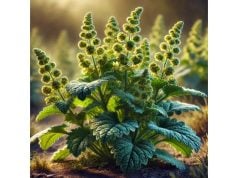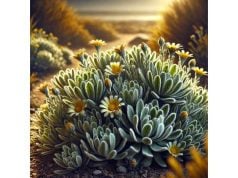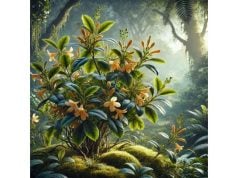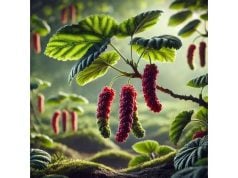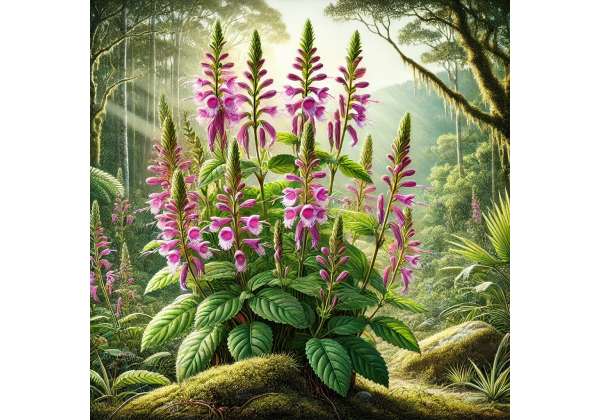
Dicliptera is a genus of medicinal plants used in several traditional healing systems, but it is not a single standardized herb with one agreed formula or dose. That distinction matters. Different species such as Dicliptera chinensis, Dicliptera bupleuroides, and Dicliptera paniculata can contain different compounds and may be used for different goals. Modern lab and animal studies suggest promising anti-inflammatory, antioxidant, antimicrobial, and tissue-protective effects, yet most evidence is still preclinical.
In practical terms, Dicliptera is best approached as a research-backed traditional plant category, not a proven clinical treatment. The most useful way to evaluate it is by asking three questions: which species is being used, which plant part and extract type is being used, and what outcome is actually supported. If you keep those three points in view, Dicliptera becomes easier to use safely and much harder to overhype.
Key Insights
- Dicliptera species show early evidence for anti-inflammatory, antioxidant, and antimicrobial activity, but most results come from lab and animal studies.
- Species and extract type matter because the reported compounds and effects vary across Dicliptera chinensis, Dicliptera bupleuroides, and Dicliptera paniculata.
- A common preclinical dose range is 200 to 400 mg/kg in rat anti-inflammatory studies, which is not a validated human dose.
- Avoid self-prescribing during pregnancy, breastfeeding, or for children because human safety data are not established.
- Use extra caution if you take prescription anti-inflammatory medicines or other drugs, since interaction data are limited.
Table of Contents
- What Is Dicliptera and Why Species Matter
- Key Compounds and Medicinal Properties
- What Benefits Does Dicliptera Show
- How Dicliptera Is Used
- How Much Dicliptera and When
- Side Effects, Interactions, and Who Should Avoid It
- What the Evidence Actually Says
What Is Dicliptera and Why Species Matter
Dicliptera refers to a genus in the Acanthaceae family, not one single herb with a uniform chemical profile. That is the first and most important point for readers who are trying to understand its health benefits, dosage, or side effects. In real-world herbal practice and in published studies, different Dicliptera species are collected in different regions, processed in different ways, and tested for different purposes. That means you cannot safely assume that a result from one species automatically applies to another.
This matters because many online herb summaries treat genus names as if they were a single product. With Dicliptera, that shortcut can create confusion. One paper may study aerial parts extracted with methanol. Another may study a petroleum ether fraction. A third may focus on a purified polysaccharide. Each of those materials can behave differently, even if they all carry the Dicliptera name.
Species-level identification matters for three practical reasons:
- Different compounds dominate in different species. Some reports emphasize phenolic acids and flavonoids, while others highlight fatty acids, sterols, or polysaccharides.
- Different plant parts are used. Aerial parts, leaves, or whole-plant preparations can produce different effects.
- Different extraction methods change potency. Water, alcohol, methanol, and fractionated extracts do not represent the same herbal preparation.
A second reason species identity matters is quality control. A recent pharmacognostic study on Dicleptera chinensis focused on microscopic features, quality standards, and basic screening tools that help confirm identity and purity. That type of work is less dramatic than a “benefits” headline, but it is essential. If the wrong plant is used, even the best dosage guidance becomes unreliable.
For consumers, the safest mindset is to treat Dicliptera like a category of related medicinal plants rather than a single supplement. Before use, ask for:
- The exact species name on the product or raw herb.
- The plant part used.
- The extract type or preparation method.
- The strength or concentration if it is an extract.
- A quality or contaminant test if available.
That level of detail may feel strict, but it prevents most common mistakes. It also helps you match expectations to evidence. Dicliptera may be promising, but any useful conclusion starts with correct identification.
Key Compounds and Medicinal Properties
The phrase “key ingredients” for Dicliptera is best understood as reported phytochemicals, because the genus has no single standardized active ingredient. Across published studies, researchers have identified a mix of compounds that can plausibly explain the medicinal properties often discussed in traditional use.
In Dicliptera bupleuroides, researchers reported phenolic acids and flavonoids such as:
- Caffeic acid
- Gallic acid
- Sinapic acid
- Quercetin
- Myricetin
These compounds are widely studied in plant medicine because they can influence oxidative stress and inflammatory pathways. In practical terms, they may help explain why some Dicliptera extracts show antioxidant activity in lab assays and anti-inflammatory effects in animal models.
Other studied Dicliptera materials also contain:
- Sterols such as beta-sitosterol
- Phenolic compounds such as vanillic acid
- Fatty acids and related lipophilic compounds
- Polysaccharides in Dicliptera chinensis preparations
- Broader phytochemical classes such as alkaloids, saponins, tannins, and glycosides in screening tests
Each group contributes a different medicinal profile:
Phenolic acids and flavonoids
These are often linked with antioxidant and anti-inflammatory behavior. They may help reduce free-radical activity in lab systems and can interact with enzyme pathways relevant to inflammation. They are also common markers used to compare extract quality.
Sterols and lipophilic compounds
These are frequently discussed in the context of membrane effects, inflammation modulation, and general bioactivity. In Dicliptera studies, some lipophilic compounds were highlighted in docking models against inflammatory enzymes.
Polysaccharides
Polysaccharides are a different class of plant compounds, and they are often studied for immune and tissue effects rather than direct antimicrobial action. In Dicliptera chinensis, a polysaccharide preparation was studied for protective effects on irradiated salivary gland cells, which makes it one of the more clinically interesting directions in current Dicliptera research.
Why this matters for medicinal use
When people ask about “medicinal properties,” they usually want a short list. For Dicliptera, the most accurate summary is:
- Antioxidant potential
- Anti-inflammatory potential
- Antimicrobial potential
- Tissue-protective or recovery-support potential in specific models
The key limitation is that these properties depend on the species and extract. A water infusion made at home is not the same as a concentrated lab fraction used in a docking or animal study. This is why product labels and preparation methods matter just as much as the plant name itself.
What Benefits Does Dicliptera Show
Dicliptera benefits are best described as promising but preliminary. The strongest claims in the literature come from laboratory assays, cell studies, and animal models. That does not make the herb useless. It means the realistic outcomes should be framed carefully.
Here are the main benefit areas currently supported by preclinical research.
Anti-inflammatory support
This is one of the most consistent themes. In Dicliptera bupleuroides research, extracts were tested in both enzyme assays and rat inflammation models. The studies reported inhibition of inflammatory pathways and meaningful reductions in inflammation markers in the animal models, especially at higher test doses.
From a practical perspective, this supports Dicliptera’s traditional reputation as a plant used in inflammatory conditions. It does not yet prove it works as a substitute for standard anti-inflammatory medicine in humans.
Antioxidant activity
Several isolated compounds and fractions from Dicliptera species have shown antioxidant activity in common lab assays. This is often the first signal that a plant may have broader protective effects, since oxidative stress is linked with inflammation and tissue damage.
Antioxidant results are useful, but they are also easy to overread. A strong antioxidant signal in a test tube does not automatically translate to a strong clinical effect after digestion, metabolism, and elimination in the body.
Antimicrobial and antibacterial activity
This is another important area. Studies on Dicliptera species reported antibacterial and antifungal effects in vitro. A more recent study on Dicliptera paniculata combined GC-MS compound identification with molecular docking and antibacterial testing, which gives a more complete picture than a simple disk test alone.
The practical takeaway is that Dicliptera contains compounds worth further antibiotic discovery research. The current evidence does not support using it as a stand-alone treatment for serious infections.
Tissue-protective potential in radiation-related damage
A notable Dicliptera chinensis study examined a polysaccharide extract in an irradiated salivary gland cell model and found improved cell growth activity and lower apoptosis after radiation exposure. This is a specialized use case, but it is an example of where Dicliptera research is becoming more targeted and biologically specific.
What benefits are still unproven
No strong human clinical evidence currently supports broad claims such as:
- Guaranteed pain relief
- Cancer treatment
- Infection cure
- Universal detox effect
- Standardized immune boosting
Dicliptera may eventually prove useful in some of these areas, but the current benefit profile is still in the evidence-building stage. If you use it, the most honest expectation is supportive use under guidance, not a replacement for diagnosis or standard care.
How Dicliptera Is Used
Dicliptera use depends heavily on the species, tradition, and format. In ethnomedicinal contexts, some Dicliptera species have been used for inflammatory complaints, wound-related applications, and general supportive care. In research settings, however, most work uses defined extracts or isolated fractions, which are very different from household herbal preparations.
That gap between traditional use and research method is where many readers get confused. To use Dicliptera responsibly, it helps to separate traditional preparation forms from research materials.
Common use formats in traditional and modern practice
- Dried herb infusion or decoction
This is the most familiar herbal route, but the exact plant part and strength vary widely. - Powdered plant material
Sometimes used in capsule form or mixed with other herbs, though quality control becomes more important. - Extracts and fractions
These include alcohol extracts or more concentrated preparations. Research often uses methanol or solvent fractions, which are not the same as consumer tinctures. - Topical use in traditional contexts
Some species are associated with wound-related or localized use, but preparation methods are not standardized across regions.
Practical steps for safer use
If you are considering Dicliptera in a real-world herbal routine, use a stepwise approach:
- Confirm the species name
“Dicliptera spp.” is too broad if you are buying a product. - Choose a simple form first
A plain single-herb preparation is easier to track than a multi-herb blend. - Start low and monitor
Because there is no established human dosing standard, caution is more important than speed. - Track your response for one to two weeks
Watch digestion, skin reactions, sleep, and symptom changes. - Stop if symptoms worsen
Especially if you notice rash, nausea, unusual fatigue, or medication changes.
Best use cases for Dicliptera right now
Based on current evidence, the most reasonable role for Dicliptera is as a traditional support herb with emerging preclinical data, especially in areas related to inflammation and oxidative stress. It is less appropriate as a self-prescribed treatment for infections, cancer, or severe chronic disease.
A useful rule is this: the more serious the condition, the less suitable it is to rely on an herb with limited human trials. Dicliptera can still be valuable, but its strongest role today is complementary and carefully selected, not primary or universal.
How Much Dicliptera and When
There is no universally accepted human dosage for Dicliptera spp., and this is one of the most important safety points in the article. Unlike better-studied herbs, Dicliptera does not yet have a widely accepted clinical dosing range based on human trials. Most published doses are from lab assays or animal research, and those numbers should not be converted directly into self-treatment plans.
What the published dose data actually show
Research provides several kinds of dose information, but each type answers a different question:
- In vitro concentrations
These are lab concentrations such as 100 micrograms/mL in enzyme or cell assays. They show biological activity, not a usable oral dose for a person. - Animal doses
In anti-inflammatory rat models, Dicliptera bupleuroides extracts were tested at 200 and 400 mg/kg, with stronger effects at the higher dose in some outcomes. These are preclinical research doses, not human recommendations. - Isolated-compound concentrations
Some studies report MIC values or cell viability results for individual compounds like vanillic acid. These are useful for drug discovery work but not direct herbal dosing guidance.
How to think about timing and duration
Since there is no validated human protocol, timing should be conservative:
- Use short trial windows rather than long unsupervised use.
- Take one preparation at a time so you can identify side effects.
- Avoid combining with multiple new supplements during the same week.
- Reassess after 7 to 14 days instead of escalating quickly.
A practical dosing framework without overpromising
If a clinician or qualified herbal practitioner suggests Dicliptera, ask them to define:
- The species
- The form (tea, powder, tincture, extract)
- The strength
- The starting amount
- The duration
- The stop criteria
That discussion is more important than any generic number online.
Common dosing mistakes
- Assuming a dose from one Dicliptera species applies to all species
- Using concentrated extracts like teas
- Copying animal-study mg/kg doses into human use
- Ignoring the extract type
- Continuing despite side effects because the herb is “natural”
For now, the most evidence-based statement is simple: Dicliptera has meaningful preclinical dosing data, but human dosing remains unstandardized. If you want to use it, cautious, supervised use is far safer than improvisation.
Side Effects, Interactions, and Who Should Avoid It
Dicliptera side effects are not well defined in humans, which creates a common blind spot. When an herb has limited clinical trials, the absence of reported side effects does not mean it is automatically safe. It usually means the herb has not been studied enough in real-world patients.
Likely side effects to watch for
Because Dicliptera extracts contain multiple bioactive compounds, the most realistic early side effects are the same ones seen with many medicinal herbs and concentrated extracts:
- Digestive upset such as nausea, cramping, or loose stools
- Headache or lightheadedness
- Skin irritation or rash if used topically or after handling fresh material
- Allergic reactions, especially in people sensitive to plant products
These are precautionary expectations, not proven rates. There are no reliable human incidence numbers yet.
Interaction concerns
Published Dicliptera studies frequently focus on inflammation, oxidative stress, or bioactive fractions. That is useful scientifically, but it also means interaction risk is largely unknown. Until better data exist, use caution if you take:
- Prescription anti-inflammatory medicines
- Blood thinners or antiplatelet medicines
- Immunomodulating drugs
- Chemotherapy or radiation-related supportive medicines
- Drugs with a narrow safety margin
The reason for caution is not that Dicliptera is proven dangerous with these medicines. The issue is uncertainty. Bioactive herbs can alter enzyme activity, immune signaling, or tissue response, and those effects may matter more when you are on complex prescriptions.
Who should avoid Dicliptera unless a clinician approves it
- Pregnant people
- Breastfeeding people
- Children and adolescents
- People with severe liver or kidney disease
- People preparing for surgery
- Anyone with a history of serious herb allergies
These groups are listed because safety margins are narrower and high-quality human safety data for Dicliptera are lacking.
Quality and contamination safety
One useful point from pharmacognostic work is that quality testing matters. A study on Dicleptera chinensis included heavy metal screening and standardization parameters, which highlights a practical truth: safety depends on the actual material, not just the plant name. Even a promising herb can become risky if it is misidentified, contaminated, or poorly stored.
The safest approach is to treat Dicliptera as a potentially useful but still developing herb category. Use clearly identified material, start cautiously, and stop early if something feels wrong.
What the Evidence Actually Says
The evidence on Dicliptera is encouraging, but it is still in an early stage. If you read the literature closely, the strongest pattern is not “proven clinical herb.” The real pattern is good preclinical signal, limited human translation.
What is strong in the current evidence
Dicliptera research is stronger than many people assume in a few ways:
- Chemical characterization is improving
Recent studies use HPLC, GC-MS, microscopy, and pharmacognostic methods, which improves plant identification and compound mapping. - Biological testing is more targeted
Instead of only broad folk-use descriptions, newer papers test specific pathways such as COX-2 inhibition, bacterial targets, or radiation-related cell injury. - Species-specific work is growing
Research on Dicliptera chinensis, Dicliptera bupleuroides, and Dicliptera paniculata helps move the field away from vague genus-level claims.
This is a good sign. It means Dicliptera research is becoming more useful for real decision-making.
What is still weak or missing
Several major gaps remain:
- Few human clinical trials
- No standardized human dosage
- Limited long-term safety data
- Limited interaction studies
- Variable preparations across studies
These gaps matter because they limit what can be recommended confidently. A rat study can suggest potential. It cannot confirm effectiveness in people with mixed health conditions and multiple medications.
How to interpret Dicliptera claims online
A practical way to judge claims is to sort them into three buckets:
- Reasonable: “Dicliptera shows preclinical anti-inflammatory and antimicrobial activity.”
- Cautious but possible: “Certain Dicliptera extracts may have supportive value when used carefully.”
- Overstated: “Dicliptera cures infections or cancer” or “Dicliptera has a proven standard dose.”
If you use Dicliptera with this evidence lens, you will avoid most misinformation.
Bottom line for readers
Dicliptera is a promising medicinal plant genus with real laboratory and animal evidence for bioactivity. It is especially interesting for anti-inflammatory and antimicrobial research, and some Dicliptera chinensis work points to tissue-protective potential. At the same time, human evidence remains limited, and dosing is not standardized.
That combination calls for a balanced view: interest and caution at the same time. Dicliptera is worth watching and may be worth using in carefully selected situations, but it should be used with informed expectations and professional guidance.
References
- Pharmacognostic characterization of Dicleptera chinensis by scanning electron microscopy, light microscopy, and analytical techniques 2024 (Pharmacognostic Study) ([PubMed][1])
- HPLC and GC Characterization of Dicliptera bupleuroides Aerial Parts and Evaluation of Its Anti-Inflammatory Potential in Vitro, in silico and in Vivo Using Carrageenan and Formalin Induced Inflammation in Rat Models 2023 (Preclinical Study) ([PubMed][2])
- Identification of phytoconstituents from Dicliptera paniculata and study of antibacterial activity guided by molecular docking 2024 (Preclinical Study) ([PubMed][3])
- Evaluation of The Antioxidant, Antimicrobial, and Anticancer Activities of Dicliptera bupleuroides Isolated Compounds Using In Vitro and In Silico Studies 2021 (Preclinical Study) ([PubMed][4])
- Dicliptera chinensis-derived polysaccharide enhanced the growth activity of submandibular gland cells in vitro after radiotherapy 2024 (Preclinical Study) ([PubMed][5])
Disclaimer
This article is for educational purposes only and does not provide medical advice, diagnosis, or treatment. Dicliptera species have limited human clinical research, and their safety, dosing, and interactions are not well established. Do not use Dicliptera as a substitute for professional care, especially for infections, cancer, inflammatory disease, or radiation-related complications. If you are pregnant, breastfeeding, taking prescription medicines, or managing a chronic condition, speak with a licensed healthcare professional before using any Dicliptera preparation.
If you found this guide useful, please share it on Facebook, X, or your preferred platform to help others make safer, evidence-aware herbal decisions.