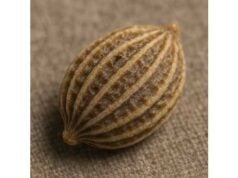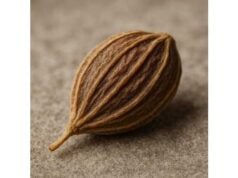
Fragrant, slightly bittersweet, and unmistakably “dill,” dill seeds are the dried fruits of Anethum graveolens. They add depth to pickles, rye breads, curry blends, and digestive teas, and they bring more than aroma to the table. Per 100 g, dill seeds supply meaningful amounts of calcium, iron, fiber, and several B vitamins, along with volatile oils rich in carvone and limonene that drive their flavor. While a teaspoon or two is a tiny portion by weight, these seeds punch above their size in nutrient density and culinary versatility. They toast well, bloom quickly in warm fat, and complement tangy, fermented, and fatty foods. This guide walks you through what makes dill seeds special—from nutrition and potential health benefits to buying, storing, and cooking—so you can use them confidently and safely at home.
Essential Insights
- Typical culinary serving is 1–2 teaspoons (2–4 g) once daily; provides flavor with minimal calories and very low glycemic load.
- Notable nutrients per 100 g include calcium (~1,500 mg), iron (~16 mg), fiber (~21 g), and potassium (~1,100–1,200 mg).
- Pollen–food cross-reactivity can trigger oral allergy symptoms in people sensitized to mugwort or birch; start with small amounts.
- Avoid high-dose extracts or essential oil in pregnancy and during breastfeeding; stick to food-level amounts.
- Individuals with spice allergies or those using glucose-lowering therapies should monitor for symptoms and discuss with a clinician.
Table of Contents
- Dill seeds overview
- Dill seed nutrition profile
- Dill seeds health benefits
- Risks, allergies and interactions
- Selecting quality, sustainability and storage
- Preparation, cooking and nutrient retention
- Portions, comparisons and FAQs
Dill seeds overview
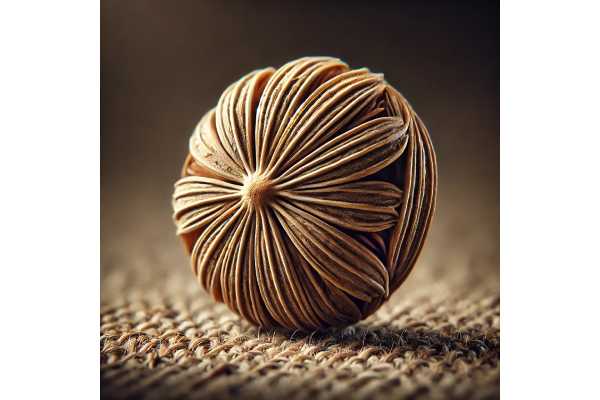
Dill seeds are the oval, ridged, dry fruits of the dill plant (Anethum graveolens), an annual herb in the Apiaceae family that also includes coriander, cumin, and fennel. The seeds taste warmer and more assertive than feathery dill leaves (“dill weed”). Their aroma is led by carvone, limonene, and related terpenes—the same family of compounds that gives caraway and spearmint their characteristic scent. In kitchens across Central and Eastern Europe, they season pickling brines, borscht, potato dishes, and rye breads. In South Asia (often labeled “sowa”), they appear in panch phoron and fish masalas. In the Middle East, they pair well with yogurt, beans, and preserved lemons.
From a nutrition perspective, dill seeds are unusually mineral-dense for a spice. A large, analytical portion (100 g) delivers calcium and iron amounts on par with dairy and legumes respectively, plus substantial fiber and potassium. Of course, real-world use is far smaller: 1 teaspoon weighs about 2.1 g, adding only a few calories but a notable bump in flavor and trace micronutrients. For people aiming to lower sodium without losing savoriness, blooming whole seeds in oil can provide an aromatic base that reduces the need for salt.
Whole versus ground matters. Whole seeds keep their volatile oils locked in; they store better and release aroma when crushed or toasted. Ground dill seed disperses quickly in doughs, spice rubs, and soups, but it stales faster. Brief toasting (30–60 seconds) intensifies complexity and softens bitterness. Because the seeds are part of the same botanical family as celery, coriander, and caraway, their flavors overlap and they can substitute in a pinch, though dill reads sweeter than cumin and more lemony than caraway.
In traditional uses, dill seed infusions have been sipped after meals as a gentle digestive. Modern research focuses instead on lipid and glycemic markers when concentrated extracts are used. Culinary amounts, however, are best thought of as a flavor-first, micronutrient-supporting addition to a balanced diet.
Dill seed nutrition profile
Serving context. Numbers below are per 100 g of dill seeds to highlight density. Typical culinary uses are 2–4 g per day (about 1–2 tsp), which proportionally scales values down. Percent Daily Values (%DV) use current adult reference DVs (e.g., Calcium 1,300 mg; Iron 18 mg; Potassium 4,700 mg; Fiber 28 g; Magnesium 420 mg; Zinc 11 mg; Copper 0.9 mg; Manganese 2.3 mg; Selenium 55 µg; Vitamin C 90 mg; Thiamin 1.2 mg; Riboflavin 1.3 mg; Niacin 16 mg; Vitamin B6 1.7 mg; Vitamin A 900 µg RAE).
Macros & Electrolytes (per 100 g)
| Nutrient | Amount | %DV |
|---|---|---|
| Energy | 305 kcal | — |
| Water | 7.7 g | — |
| Protein | 16.0 g | — |
| Total fat | 14.5 g | — |
| Carbohydrate | 55.2 g | — |
| Dietary fiber | 21.1 g | 75% |
| Sodium | 20 mg | 1% |
| Potassium | 1,186 mg | 25% |
Carbohydrates (per 100 g)
| Component | Amount | Notes |
|---|---|---|
| Total carbohydrate | 55.2 g | Majority as starch; sugars data limited for seeds |
| Dietary fiber | 21.1 g | Mostly insoluble; contributes to low net carbs |
| Estimated net carbs | ~34 g | Total carbs − fiber |
Fats & Fatty Acids (per 100 g)
| Fatty acids | Amount | Comment |
|---|---|---|
| Saturated fatty acids | 0.73 g | Low for a seed |
| Monounsaturated fatty acids | 9.41 g | Dominant fraction; smooth, mellow flavor |
| Polyunsaturated fatty acids | 1.01 g | Omega-6 predominates; omega-3 negligible |
Vitamins (per 100 g)
| Vitamin | Amount | %DV |
|---|---|---|
| Vitamin C (ascorbic acid) | 21 mg | 23% |
| Thiamin (B1) | 0.40 mg | 33% |
| Riboflavin (B2) | 0.30 mg | 23% |
| Niacin (B3) | 2.8 mg | 18% |
| Vitamin B6 | 0.30 mg | 18% |
| Vitamin A (RAE) | 3 µg | 0% |
Minerals (per 100 g)
| Mineral | Amount | %DV |
|---|---|---|
| Calcium | 1,516 mg | 117% |
| Iron | 16.3 mg | 91% |
| Magnesium | 256 mg | 61% |
| Phosphorus | 277 mg | 22% |
| Potassium | 1,186 mg | 25% |
| Zinc | 5.2 mg | 47% |
| Copper | 0.78 mg | 87% |
| Manganese | 1.8 mg | 78% |
| Selenium | 12.1 µg | 22% |
Bioactives/Phytonutrients (qualitative)
Dill seed’s aroma is driven by carvone (a monoterpene ketone) and limonene, with smaller contributions from anethofuran, dill ether, and phenylpropanoids (e.g., dillapiole depending on cultivar and origin). These constituents vary with plant part, climate, and storage. They are responsible for flavor and may contribute to functional effects observed in extract trials.
Glycemic & Acid–Base Metrics
A 1-teaspoon portion (~2.1 g) contains roughly 1.2 g carbohydrate with ~0.4 g fiber, yielding ~0.8 g net carbs—too low to materially impact glycemia for most people. Glycemic index has not been established for dill seeds; expected glycemic load of a culinary portion is ~0.
Footnote: Values reflect unfortified, raw dill seeds (not dill leaves). Branded spice blends may include added salt or anti-caking agents; check labels if sodium is a concern.
Dill seeds health benefits
Flavor-first, nutrient-dense seasoning. Because spices are used in small amounts, their most reliable “benefit” is helping you cook and enjoy wholesome food with less sodium and added sugar. Dill seeds contribute concentrated aroma that makes vegetables, pulses, fish, and fermented foods more satisfying. That payoff—eating better, more often—drives real-world health impact.
Mineral support in tiny doses. Per 100 g, dill seeds are rich in calcium (≈1,500 mg) and iron (≈16 mg). Even though a teaspoon delivers only small fractions of those totals, regular culinary use layers in trace amounts that can add up across the week. For those limiting dairy, including calcium-dense seeds and greens in meals is a practical strategy.
Fiber and digestive comfort. About 21 g of fiber per 100 g positions dill seeds among higher-fiber spices. You do not eat them by the handful, but adding seeds to breads, legumes, and roasted vegetables modestly increases fiber per serving. Traditional after-meal sips of dill seed tea likely persist because warm liquids plus trace volatile oils can feel soothing for gas and post-meal fullness. While that comfort is real for many, it should not be confused with a treatment for gastrointestinal disease.
Lipids and glycemia—what the research actually studied. Modern trials have evaluated dill extracts or capsules (often ~500–1,500 mg/day, for 6–12 weeks) in adults with dyslipidemia or metabolic risk. Pooled analyses of randomized trials suggest small but favorable changes in LDL cholesterol and insulin resistance indices; effects on total cholesterol, triglycerides, HDL, or fasting glucose are mixed. Translating that evidence to the kitchen: it supports curiosity about dill’s bioactives but does not justify taking high-dose products without medical guidance. Culinary quantities of seeds are primarily for flavor.
Sodium-reduction helper. If you are cutting back on salt, dill seeds are a high-impact tool. Bloom ½–1 teaspoon in a tablespoon of oil at the start of cooking; fold the fragrant oil into beans, cucumbers, potatoes, carrots, yogurt sauces, or salmon. The boosted aroma can let you reduce added salt by 25–50% while maintaining satisfaction—especially when paired with acids (vinegar, lemon) and heat (black pepper, chili).
Synergy with fermented foods. Dill seed’s lemon-anise profile harmonizes with lactic acidity. In pickles and kraut, the combination may help you eat more fermented vegetables, an easy path to higher dietary fiber and diverse plant intake, both linked to cardiometabolic and digestive health.
Bottom line: dill seeds are culinary nutrition—they help you cook flavorful, plant-rich meals and supply small but meaningful amounts of minerals and fiber. Concentrated supplements remain an area of study; do not conflate capsules with the safety profile of a spice jar.
Risks, allergies and interactions
Cross-reactivity in pollen–food allergy. Dill belongs to the Apiaceae family, and some people sensitized to mugwort or birch pollen develop oral symptoms (itchy mouth, lip swelling, throat tickle) when they eat related spices such as celery, coriander, caraway, anise, fennel—and, occasionally, dill. This pattern is often called pollen-food allergy syndrome (PFAS) or oral allergy syndrome. Reactions are typically mild and limited to the mouth, but rare severe reactions are possible. If you have hay fever and notice symptoms with celery, carrot, or certain spices, try heat-treated dishes first (cooking denatures many culprit proteins) and consult an allergy professional.
Spice allergies and labeling. “Spices” may appear on labels without individual listing in some regions, though many producers now name common ones. If you are allergic to celery, coriander, or caraway, use caution with dill seed until you confirm tolerance.
Essential oil vs. culinary seed. Dill essential oil (steam-distilled from seeds) is not the same as culinary seeds. Concentrated oils can irritate skin or mucosa and should not be ingested or used therapeutically without qualified supervision. Individuals with eczema or very sensitive skin can react to undiluted oils; always keep essential oils away from children.
Pregnancy and lactation. Safety data for high-dose extracts or essential oil in pregnancy or breastfeeding are insufficient. Culinary amounts of dill seed as a spice are generally considered acceptable, but avoid medicinal-level doses unless advised by your clinician.
Blood glucose and blood pressure medications. Extract studies that modestly improved insulin resistance raise a theoretical risk of additive glucose-lowering when combined with antidiabetic drugs. Culinary use is unlikely to cause hypoglycemia; still, people tightly titrated on medications should introduce any herbal supplement (not culinary spice) cautiously. Similarly, those on antihypertensives should monitor normally; dill seed at food levels is not a substitute for prescribed therapy.
Contaminants and hygiene. Like all dried spices, dill seeds can be susceptible to microbial contamination if processed or stored improperly. Buy from reputable suppliers, store airtight in a cool, dark place, and avoid sprinkling directly from the jar over steaming pots (rising moisture speeds spoilage).
Who should limit or avoid.
- Anyone with known PFAS or spice allergy involving Apiaceae family members.
- Pregnant or breastfeeding individuals considering extracts or essential oil (stick to culinary use).
- People with diagnosed food allergies until tolerance is confirmed with a clinician.
If you ever experience wheeze, throat tightness, faintness, or widespread hives after eating spices, seek urgent medical care.
Selecting quality, sustainability and storage
Buying tips. Choose whole seeds when possible: they retain volatile oils better than pre-ground. Look for even, tan-brown seeds with a ridged surface and a strong, sweet-anisey aroma when crushed. Avoid jars with visible dust or powder at the bottom (a sign of age or rough handling). If ground seed suits your recipe, buy small amounts and use within a few months.
Origin and variety. You may encounter European dill and Indian “dill” (often Anethum sowa). Both are culinary; their oils can differ slightly in carvone or dillapiole ratios, shifting flavor from citrus-bright to warmer-resinous. Let your nose guide you: buy what smells vivid and pleasant.
Quality cues at home. Fresh dill seed smells lively—lemon-anise with a gentle sweetness. A flat, dusty, or musty aroma means the oils have volatilized or oxidized. Rub a seed between your fingers; if the scent blooms readily, quality is good.
Sustainability considerations. Spices travel long distances. Favor producers that prioritize traceability, fair labor, and low-pesticide supply chains. Whole seeds packaged soon after drying typically require fewer stabilizers. Organic certification does not guarantee quality or safety but can reduce pesticide exposure in conventionally treated crops.
Storage. Light, heat, oxygen, and moisture are the enemies. Keep seeds in airtight glass or metal, away from the stove, and out of direct light. For maximum aroma, use within 12–18 months (whole) or 3–6 months (ground). If you buy in bulk, decant a working jar and seal the rest. Do not refrigerate in humid climates unless the container is truly airtight; temperature swings can introduce condensation.
Food safety at a glance.
- Avoid cross-contamination: use a clean spoon (don’t shake over steam).
- If you grind at home, clean grinders thoroughly to prevent flavor and allergen carryover from other spices or nuts.
- For pickling, use fresh spices; old seeds can taste bitter or dull and compromise your brine’s character.
Good sourcing and smart storage protect flavor, which is the main reason you reach for dill seeds in the first place.
Preparation, cooking and nutrient retention
Maximize aroma with heat. Volatile oils carry dill seed’s flavor and dissipate with prolonged high heat. For best results:
- Bloom ½–1 teaspoon in 1 tablespoon neutral oil or ghee over medium heat for 30–60 seconds until fragrant.
- Add aromatics (onion, garlic) and vegetables or legumes.
- Finish with an acid (vinegar, lemon) and a pinch of salt to lift the lemony top notes.
When to use whole vs. ground.
- Whole seeds give bursts of flavor and texture—ideal in pickles, pilafs, roasted potatoes, and rye breads.
- Lightly crushed seeds (mortar, rolling pin) release more oil but keep some texture—great in salad dressings and yogurt dips.
- Fresh-ground (spice mill) disperses evenly in doughs or soups but stales faster; grind only what you need.
Pairing guide. Dill seed loves cucumber, cabbage, carrot, potato, beets, lentils, chickpeas, salmon, mackerel, yogurt, mustard, lemon, black pepper, caraway, coriander, and bay. Use it where you’d use caraway but want a brighter finish.
Bitterness control. If a dish tastes harsh, it is usually over-toasted spice or insufficient salt/acid. Remedy by adding acid, a touch of sweetness (e.g., grated carrot), or a fat to coat bitter compounds. Straining out over-toasted seeds can also help.
Nutrient retention in real-world cooking. Mineral content is heat-stable; the aromatic oils are not. Short toasting and late addition preserve aroma. In baking, encapsulating ground seed in dough helps retain flavor through the oven. In pickling, whole seeds slowly infuse brine; flavor intensifies over days while the seeds themselves remain edible.
Dill seed tea (culinary infusion). For a gentle after-meal sip, steep ½–1 teaspoon crushed seeds in 250 ml just-off-boil water for 5–10 minutes; strain. The infusion is mild and primarily for comfort and flavor. Do not use essential oil in place of seeds.
Salt-saving base for vegetables. Heat oil, bloom dill seed with cracked coriander and black pepper, toss with steamed green beans or carrots, and finish with lemon. You will often need 30–50% less salt for the same perceived savor.
Small shifts—when you toast, when you add acid, whether you grind—have outsized effects on flavor. Practice once or twice and the technique becomes second nature.
Portions, comparisons and FAQs
How much should I use? For most dishes, start with ½ teaspoon (whole or lightly crushed) per 2–4 servings. For bolder flavor—pickles, rye bread, hearty bean stews—use 1–2 teaspoons. Daily culinary use of 1–2 teaspoons (2–4 g) is a sensible, food-level pattern for healthy adults.
Do dill seeds fit low-carb or low-glycemic eating? Yes. A teaspoon has ~0.8 g net carbs and essentially zero glycemic load. They add flavor without pushing carbs.
How do dill seeds compare to dill weed (leaves)? Leaves taste fresher and grassy-lemon; seeds are warmer and more caraway-like. Leaves bring vitamin C and folate at higher water content; seeds concentrate calcium, iron, fiber, and stable aroma compounds. They are not interchangeable, but they complement each other.
What about cumin, caraway, or fennel—can I swap?
- Caraway is the closest stand-in (also carvone-rich), but it’s earthier.
- Fennel seed is sweeter and licorice-forward; use smaller amounts if substituting.
- Cumin is smoky-savory and not a flavor twin—use only if you’re changing the dish’s direction.
For quick swaps, start at ½ the amount and adjust.
Are supplements of dill seed extract recommended? Evidence for capsules shows mixed effects across lipid and glycemic markers, with some favorable shifts in LDL and insulin resistance at ~500–1,500 mg/day in research settings. That does not translate into blanket recommendations. If you are curious, talk with your clinician, especially if you take diabetes, blood pressure, or lipid medications. Culinary use is the default.
Any kitchen pitfalls? Over-toasting makes seeds acrid; add them early but briefly. Grinding far ahead of time dulls flavor. Old seeds can taste woody; buy small amounts and refresh yearly.
Who should go easy? People with pollen-food allergy syndrome related to mugwort or birch, and anyone with a known spice allergy. Those who are pregnant or breastfeeding should avoid concentrated extracts or essential oil and stick to culinary amounts.
Quick ways to start using dill seeds
- Toss warm new potatoes with butter, crushed dill seed, lemon zest, and parsley.
- Stir into yogurt with grated cucumber, garlic, and a squeeze of lemon for a speedy dip.
- Add to cabbage slaw with mustard, honey, and cider vinegar.
- Bloom in olive oil with coriander and pour over roasted carrots or chickpeas.
- Fold into rye or multigrain bread dough for aromatic crumb.
Spices are tiny levers with big effects. Use dill seeds to make simple, nutritious food taste like something you want to eat again tomorrow.
References
- The effects of Anethum graveolens (dill) supplementation on lipid profile and glycemic control: a systematic review and meta-analysis of randomized controlled trials 2022 (Systematic Review)
- Nutrition Facts for Dill Seed 2024
- An International Delphi Consensus on the Management of Pollen-Food Allergy Syndrome 2024 (Guideline)
- Pollen Food Syndrome 2024 (Guideline)
- Chemical composition of the dill essential oils (Anethum graveolens L.) grown in Bulgaria 2019
Disclaimer
This article is for general education only and is not a substitute for personalized medical advice, diagnosis, or treatment. Nutrient values are typical for dill seeds and vary by source, cultivar, and processing. If you have food allergies, take prescription medications, or are pregnant or breastfeeding, discuss any significant dietary changes or use of herbal extracts with a qualified healthcare professional.
If you found this guide useful, please consider sharing it on Facebook, X (Twitter), or your favorite platform to support our work creating reliable, reader-first nutrition resources.