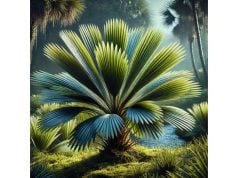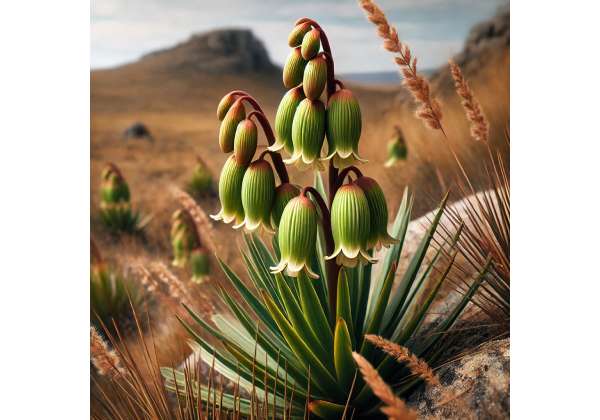
Dipcadi is a genus of bulb-forming plants, not a single herb, and that distinction matters for anyone looking at health uses. Different species are used in different regions, and the evidence is uneven: some reports focus on wild edible use, while others examine phytochemicals and early laboratory activity in species such as Dipcadi erythraeum and Dipcadi glaucum. That means Dipcadi is best approached as a traditional plant group with emerging research, not as a proven supplement with standardized dosing.
What makes Dipcadi interesting is the overlap between food use and medicinal use. Some species have been described as wild edible plants, and laboratory studies have identified flavonoids, phenolic compounds, and other phytochemicals that may help explain traditional use. At the same time, there is no established human therapeutic dose, and safety data are still limited. This guide focuses on practical, evidence-aware use, with clear boundaries on what is known and what is still uncertain.
Key Insights
- Dipcadi species are not interchangeable, and most medicinal findings come from only a few studied species.
- Early research suggests useful phytochemicals, including flavonoids and phenolic compounds, with possible antioxidant and other bioactive effects.
- No validated human medicinal dosage range (mg/day) has been established for Dipcadi.
- Avoid self-prescribing concentrated extracts, especially during pregnancy, breastfeeding, or while taking prescription medicines.
Table of Contents
- What is Dipcadi and why species matter
- Key compounds and nutrients in Dipcadi
- Does Dipcadi offer real benefits
- How to use Dipcadi in practice
- How much Dipcadi and when
- Side effects and who should avoid it
- What the evidence actually says
What is Dipcadi and why species matter
Dipcadi is a genus in the asparagus family (Asparagaceae), and it includes many species spread across parts of Europe, Africa, and the Indian subcontinent. This is the first key point to understand: when people say “Dipcadi” in herbal content, they are often compressing a genus-level topic into a single plant profile. That shortcut can be misleading because species within the same genus may differ in traditional use, chemical composition, and safety.
For health-focused readers, the practical takeaway is simple: always identify the exact species. The best-known medicinal and phytochemical reports are concentrated around Dipcadi erythraeum, while recent nutritional and cytotoxicity work has also looked at Dipcadi glaucum. If a product or herbal note says only “Dipcadi,” it is missing important information you need for safe decision-making.
Dipcadi plants are bulbous monocots, which means they grow from underground bulbs and often have seasonally visible leaves and flowering stalks. In traditional contexts, bulbs are especially important because they are the plant part most often discussed for edible or medicinal use. That said, bulb-forming plants are also one of the easiest groups to confuse in the wild, especially outside expert botanical work.
Why the “species matter” point is more than academic:
- Research is species-specific: A lab study on D. erythraeum does not automatically apply to D. glaucum or D. serotinum.
- Traditional use is regional: Communities may use one local species as food and another as medicine.
- Chemistry can vary: Even closely related plants can differ in flavonoids, alkaloids, and other metabolites.
- Identification is hard: Taxonomic studies show Dipcadi classification can be complex, and some widespread species are still being re-evaluated.
This taxonomic complexity is not a reason to dismiss Dipcadi. It is a reason to be precise. In practical herbal writing, the safest and most useful approach is to treat Dipcadi as a genus with several species of interest, rather than a single standardized herb. That approach also helps explain why dosage guidance is weak: the evidence base is fragmented across species, plant parts, and study methods.
If you are reading labels, research abstracts, or traditional medicine summaries, look for the full botanical name first. It tells you far more than the word “Dipcadi” alone and protects you from overgeneralized health claims.
Key compounds and nutrients in Dipcadi
The strongest “key ingredients” discussion for Dipcadi comes from phytochemical studies on specific species, especially Dipcadi erythraeum, and from a newer nutritional and phytochemical analysis of Dipcadi glaucum. Together, these studies suggest that Dipcadi species can contain a useful mix of plant secondary metabolites and, in some cases, meaningful food-level nutrients.
In D. erythraeum, one important phytochemical study identified a phenolic-rich extract with multiple compounds, including a notable group of C-glycosyl flavonoids. This matters because flavonoids and related phenolic compounds are often the first place researchers look when a traditional plant shows antioxidant or anti-inflammatory potential in early testing. The same study also reported phenolic acid derivatives and other compounds, which supports the idea that Dipcadi chemistry is not based on one “active ingredient,” but on a broader phytochemical profile.
A practical way to think about this is:
- Flavonoids and phenolics are the leading candidates for many of the plant’s bioactive effects.
- Compound diversity may be more important than any single isolated molecule.
- Species and extraction method influence what is found and how much is present.
For D. glaucum, the recent nutritional work adds another layer. It does not just discuss phytochemicals; it also reports proximate composition values for leaves and bulbs, including protein, ash, carbohydrate content, and calorific value. That positions Dipcadi differently from many herbal supplements. Some species may have a role as wild edible plants with nutritional value, not only as medicinal extracts.
The same D. glaucum study also reported the presence of several phytochemical classes, including:
- Alkaloids
- Tannins
- Flavonoids
- Terpenoids
- Saponins
- Steroids
This broad chemical profile helps explain why Dipcadi appears in both culinary and folk medicine discussions. It also explains why safety questions matter. A plant can be nutrient-rich and still require careful use, especially when concentrated extracts are involved.
One important caution for readers: “key ingredients” in Dipcadi are still being mapped. Unlike established botanicals with monographs and standardized extract markers, Dipcadi does not yet have a universally accepted signature compound used for dosage standardization. You may see phytochemical lists in papers, but not the kind of consistent manufacturing specifications you would expect from mainstream supplements.
So the best interpretation is balanced: Dipcadi species show promising phytochemical diversity and, in some cases, nutritional value, but the chemistry is still research-stage. That is useful for understanding potential benefits, yet it is not enough to support confident supplement-style dosing or species substitution.
Does Dipcadi offer real benefits
Dipcadi may offer benefits, but the word may is doing important work here. The current evidence points to a mix of traditional use, nutritional potential in some species, and early laboratory findings. It does not yet support strong clinical claims in humans.
The most realistic benefit categories are:
- Nutritional support from species used as wild edible plants
- Phytochemical-based potential from flavonoids and phenolics
- Early bioactivity signals in laboratory models, including cancer cell line testing
Where the benefits look most plausible
For Dipcadi glaucum, the strongest practical value may be nutritional. The 2025 study describes it as a wild edible species and reports notable protein and mineral-linked ash values in both leaves and bulbs. That supports the idea that some Dipcadi species may function more like traditional food plants with added phytochemical value rather than classic medicinal herbs.
For Dipcadi erythraeum, the strongest evidence is phytochemical and preclinical. Researchers identified a flavonoid-rich profile and reported moderate cytotoxic activity in certain human cancer cell lines at a defined laboratory concentration. This is interesting, but it is not the same as proven anticancer benefit in people. Cell-line results are a starting point, not a treatment outcome.
Benefits often mentioned in herbal summaries
Review papers on D. erythraeum commonly summarize additional reported activities such as antioxidant, antimicrobial, anti-inflammatory, analgesic, antidiabetic, and anticancer effects. These categories are useful for research direction, but they should be read as preclinical or early-stage evidence, not as confirmed medical uses.
A good way to interpret these claims:
- Traditional use suggests where to investigate
- Phytochemical studies suggest what compounds may be involved
- Lab studies test plausibility
- Human trials are needed before clinical recommendations
Dipcadi is currently strongest in steps 1 to 3, and weak in step 4.
What users should expect in real life
If someone is interested in Dipcadi for wellness, the most defensible expectation is modest and indirect:
- It may contribute useful plant compounds when a known edible species is used as food
- It may have bioactive potential worth following in research
- It should not be expected to produce fast, predictable, supplement-like outcomes
In other words, Dipcadi is better framed as an emerging traditional plant topic than a proven remedy. That framing protects people from disappointment and reduces the risk of using concentrated preparations based on hype.
The key advantage of this cautious approach is that it leaves room for future evidence. Dipcadi could become more important as research improves, but at present, the benefits are best treated as promising but not clinically established.
How to use Dipcadi in practice
Because Dipcadi is a genus, “how to use it” depends on the species and the context. Some references describe certain species as wild edible plants, while phytochemical studies often use laboratory extracts made with solvents and methods that do not translate directly to home use. That means practical use should stay conservative and species-specific.
The safest principle is this: food use and medicinal extract use are not the same thing.
Practical use categories
1) Traditional food use
Some Dipcadi species, especially those documented as edible, may be used as local wild foods. In this case, use should follow established regional preparation practices rather than internet shortcuts. The bulb is often the most discussed plant part, but edible use still depends on exact species identification and local knowledge.
2) Traditional folk medicine use
Folk use reports exist for some species, especially D. erythraeum, but these reports do not provide modern standardization. If a traditional use is being considered, it should be treated as cultural knowledge that still needs dosage and safety validation.
3) Research extract use
Many published findings come from methanol or other solvent extracts, LC-MS profiling, or cell-based assays. These are research tools, not home remedies. A lab extract showing activity at a certain concentration does not tell you how to prepare or dose a tea, decoction, powder, or capsule safely.
A practical decision framework
If you are evaluating Dipcadi for personal use, use this checklist:
- Confirm the species name (for example, D. erythraeum or D. glaucum)
- Clarify the goal (food use, traditional use, or research interest)
- Avoid concentrated extracts unless supervised by a qualified professional
- Do not substitute species just because they share the genus name
- Stop if there is uncertainty about identification, preparation, or tolerance
Common mistakes to avoid
- Using “Dipcadi” as if it were one standardized herb
- Copying in vitro research doses into oral use decisions
- Assuming edible use means medicinal extracts are automatically safe
- Foraging bulb plants without expert identification
- Combining with medications based on broad “natural” claims
For most people, the most responsible use of Dipcadi right now is educational: learn the species, understand the chemistry, and follow emerging evidence. If a specific edible species is traditionally used as food in your region, it should still be approached as a food-first plant, not a high-dose supplement.
That may sound cautious, but it is the best way to preserve the plant’s value while avoiding avoidable harm from overgeneralized herbal advice.
How much Dipcadi and when
This is the most important section for safety, and the answer is straightforward: there is no validated human medicinal dosage range for Dipcadi. No standard oral dose in mg/day has been established for the genus, and there are no widely accepted clinical protocols for timing, duration, or dose adjustments by age or body weight.
That gap exists for several reasons:
- Most published work is preclinical
- Studies focus on different species
- Plant parts and extraction methods vary widely
- Human clinical trials are lacking
What the existing numbers do and do not mean
You may see numeric values in Dipcadi studies, but many of them are not usable as human dose guidance. For example:
- Cell-line studies may report activity at concentrations such as 100 micrograms per milliliter
- Cytotoxicity screening may report LC50 values in mg/ml for extracts
These numbers are useful for laboratory comparison, but they are not oral dosage recommendations for people. They cannot be safely converted into a home-use dose.
Practical dosage guidance for now
Until human data exists, the safest approach is:
If used as a traditional edible species
- Treat it as a food, not a medicinal extract
- Use only correctly identified species with established local culinary use
- Start with a small amount and monitor tolerance
If considered for medicinal use
- Do not self-dose concentrated powders, tinctures, or extracts
- Do not use “standardized” claims unless the label clearly identifies species and constituents
- Avoid long-term daily use because safety duration data is missing
Timing and duration
There is also no validated timing guidance such as “before meals” or “at bedtime” for Dipcadi medicinal use. Since evidence is limited, there is no basis for:
- loading doses
- cycling schedules
- symptom-targeted timing
- long-course preventive use
If someone is determined to try a traditionally used edible form, the most conservative rule is to use it occasionally and in food context, not as a daily therapeutic routine.
Bottom line on dosage
Dipcadi currently has a research profile, not a dosing profile. A clear, safe way to state this is:
- Human medicinal dose: Not established
- Human timing protocol: Not established
- Human duration guidance: Not established
That may feel unsatisfying, but it is far better than giving a false dose range. In herbal medicine, uncertain dosing is one of the strongest reasons to pause and wait for better evidence.
Side effects and who should avoid it
Side effects and safety are where Dipcadi requires the most caution. The main issue is not that Dipcadi has been proven dangerous in humans. The issue is that human safety data is very limited, while the genus contains many species and several papers already highlight a complex phytochemical profile. That combination increases uncertainty.
Likely side effects and tolerability concerns
Based on what is known about plant extracts and bulb-based traditional plants, the most plausible short-term side effects are:
- stomach upset
- nausea
- loose stools
- abdominal discomfort
- sensitivity reactions in susceptible individuals
These are not confirmed incidence rates for Dipcadi, but they are reasonable concerns whenever a plant with mixed phytochemicals is used outside normal food amounts.
The D. glaucum study adds an important safety nuance. It reported brine shrimp cytotoxicity assay values and concluded the tested extracts were non-toxic under that assay threshold, but it also noted concerns about potential toxicity in ruminants and recommended further safety research. That is not a human toxicity warning by itself, but it is a sign that Dipcadi should not be treated as automatically benign.
Drug interactions and medical context
Direct Dipcadi drug interaction studies are lacking. However, interaction risk should still be taken seriously because:
- some reviews summarize antidiabetic and anti-inflammatory activity claims
- phytochemicals can affect absorption or metabolism
- concentrated extracts are more likely to create unpredictable effects than food use
Until interaction studies exist, the safest assumption is that medicinal use may interfere with prescription treatment plans.
Who should avoid medicinal Dipcadi use
The following groups should avoid medicinal use of Dipcadi, especially extracts, powders, or concentrated preparations:
- Pregnant or breastfeeding people
- Children and adolescents
- People with liver or kidney disease
- People taking prescription medicines
- People with a history of plant or bulb allergies
- People undergoing cancer treatment
- People managing diabetes with medication
This is a precaution-first recommendation because dose and interaction data are not established.
Identification risk is a real safety issue
With Dipcadi, safety is not only about chemistry. It is also about correct identification. Bulbous plants can be confused, and taxonomy in this genus is still being refined in modern phylogenetic work. Misidentification is one of the easiest ways to turn a traditional plant topic into a harmful one.
Safety rules worth following
- Do not forage or use wild bulbs without expert identification
- Do not use medicinal doses during pregnancy or while breastfeeding
- Do not combine with prescription medicines without clinician review
- Stop use immediately if symptoms appear
- Do not use lab-study results as a home safety guide
A cautious approach does not reduce Dipcadi’s value. It makes its use more responsible and better aligned with the current evidence.
What the evidence actually says
The evidence for Dipcadi is promising but early, and it is best summarized as ethnobotanical use plus preclinical science. There is enough research to justify interest, but not enough to support strong health claims, standardized dosing, or routine supplement use.
What is reasonably well supported
- Dipcadi is a real, well-defined genus with many accepted species and a broad native range.
- Taxonomic and phylogenetic work shows the genus is complex, which reinforces the need for species-level precision.
- Species such as D. erythraeum and D. glaucum have documented phytochemical and nutritional investigations.
- Laboratory studies identify flavonoids, phenolics, and other compounds that plausibly explain traditional medicinal interest.
What remains weak or uncertain
- Human clinical efficacy
- Human dose ranges
- Long-term safety
- Drug interactions
- Standardized extract quality markers for consumer products
This is the key reason Dipcadi content online can become confusing. A review may summarize many pharmacological possibilities, while a primary study may only test a single extract in vitro. Both are useful, but they answer different questions.
The most important evidence quality issue
Dipcadi research is often discussed at the genus level, while the actual data is generated at the species and extract level. That mismatch leads to overstatement. For example, one species may be nutritionally valuable as a wild edible plant, while another is studied for flavonoid-rich extracts. Those findings should not be blended into one generic “Dipcadi works for everything” message.
Best evidence-based conclusion for readers
A practical, evidence-aware conclusion is:
- Dipcadi deserves attention as a traditional plant genus with bioactive potential
- The most relevant findings are still preclinical and species-specific
- Food use and medicinal extract use should be kept separate
- No human therapeutic dose can be recommended yet
- Safety and identification need more attention than most summaries give them
This makes Dipcadi a strong candidate for future research, especially in areas like phytochemical standardization, toxicology, and controlled human studies. Until then, it is best treated as an emerging topic rather than a proven herbal therapy.
That balanced view is not a limitation. It is the clearest way to use the current evidence responsibly.
References
- Dipcadi Medik. | Plants of the World Online | Kew Science 2026 (Taxonomy and distribution) ([Plants of the World Online][1])
- Molecular phylogenetic reconstruction improves the taxonomic understanding of Indian Dipcadi (Asparagaceae) and reveals a new species from the bank of Hiranyakeshi River, Maharashtra, India – PubMed 2024 (Primary Research) ([PubMed][2])
- A Review on Phytochemical Screening and Pharmacological Studies of the Plant Dipcadi erythraeum Webb and Berthel 2024 (Review) ([ijpsdronline.com][3])
- C-glycosyl flavonoids-rich extract of Dipcadi erythraeum Webb & Berthel. bulbs: Phytochemical and anticancer evaluations 2019 (Primary Research) ([japsonline.com][4])
- Nutritional Composition, Phytochemical Constituents and Cytotoxicity of Dipcadi glaucum (Burch. ex Ker Gawl.) Baker 2025 (Primary Research) ([DergiPark][5])
Disclaimer
This article is for educational purposes only and does not provide medical advice, diagnosis, or treatment. Dipcadi research is still limited, and no standardized human medicinal dose has been established. Do not use Dipcadi as a substitute for professional care, and do not self-treat serious conditions with wild plants or concentrated extracts. If you are pregnant, breastfeeding, taking medication, or managing a medical condition, speak with a qualified healthcare professional before using any Dipcadi species.
If you found this article useful, please share it on Facebook, X (formerly Twitter), or your preferred platform to help others access evidence-aware herbal information.