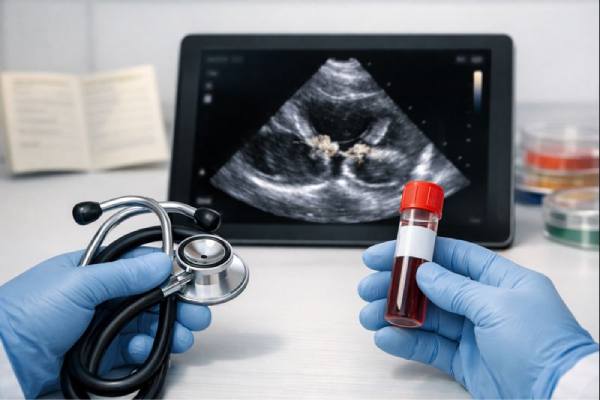
Diphtheritic endocarditis is an uncommon but serious infection of the heart valves caused by Corynebacterium diphtheriae, the bacterium best known for causing diphtheria. While diphtheria is often thought of as a throat illness, the same organism can enter the bloodstream—sometimes from skin infections—and attach to a heart valve, forming infected clumps that can damage the valve and send fragments to the brain, lungs, or other organs. Because it is rare, diagnosis can be delayed unless clinicians connect the dots between risk factors, blood cultures, and heart imaging. Treatment is usually urgent and hospital-based, combining antibiotics and—when toxin-producing diphtheria is involved—diphtheria antitoxin (a medicine that blocks toxin damage). This article explains what diphtheritic endocarditis is, why it happens, how to recognize warning signs, and what effective care and prevention look like.
Table of Contents
- What diphtheritic endocarditis is
- Causes and who is at risk
- Symptoms and serious complications
- How it’s diagnosed fast and safely
- Treatment: what happens in the hospital
- Recovery, prevention, and when to get urgent care
What diphtheritic endocarditis is
Endocarditis means infection of the heart’s inner lining and, most importantly, the heart valves. In diphtheritic endocarditis, the organism involved is Corynebacterium diphtheriae. The infection typically forms vegetations (infected clumps of bacteria, platelets, and inflammatory material) on a valve. Those clumps can erode valve tissue, interfere with valve opening and closing, and break off and travel through the bloodstream.
Why this condition is easy to misunderstand
Many people associate diphtheria with a thick gray membrane in the throat and with vaccination campaigns. Endocarditis caused by C. diphtheriae can occur in a few different clinical “styles,” and not all look like classic respiratory diphtheria:
- Toxin-producing (toxigenic) strains may cause systemic toxin effects, including heart muscle injury and rhythm problems, along with infection.
- Non-toxigenic strains do not produce diphtheria toxin, but they can still invade tissue, enter blood, and cause severe endocarditis—especially when the bacteria gain access through skin wounds.
Because the term “diphtheritic endocarditis” is sometimes used loosely, a practical way to think of it is: endocarditis due to C. diphtheriae, with an additional layer of urgency if toxin-mediated illness is suspected.
How bacteria reach the heart valves
For endocarditis to develop, two things usually happen:
- Bacteria enter the bloodstream. This can follow throat infection, skin ulcers, injection-related wounds, or other breaks in the skin barrier.
- A valve surface allows attachment. Damaged or abnormal valves, prosthetic valves, and some congenital heart defects provide rough surfaces where bacteria can stick and grow.
Once established, the infection can behave aggressively. Valve destruction can progress quickly, and embolic events (pieces breaking off) can cause stroke, limb ischemia, or organ infarcts.
Why clinicians take it seriously even when rare
C. diphtheriae endocarditis is uncommon, but it can carry high morbidity because it combines three threats:
- Mechanical valve damage (leading to heart failure)
- Spread through the bloodstream (emboli, abscesses)
- Possible toxin effects (especially in toxigenic infection)
That combination is why rapid diagnosis, early antibiotics, and timely surgical consideration matter.
Causes and who is at risk
The direct cause is infection of a valve by Corynebacterium diphtheriae. The more important question is why the bacterium had an opportunity to invade. Risk factors generally fall into three categories: exposure, entry point, and valve vulnerability.
Exposure and transmission context
C. diphtheriae spreads through close contact, respiratory droplets, and contact with infected skin lesions. In settings with lower vaccination coverage or crowding, toxin-producing diphtheria can re-emerge. In many higher-income regions, reported endocarditis cases increasingly involve non-toxigenic strains linked to skin infections and social vulnerability. The exposure story matters because it changes two key decisions:
- Whether diphtheria antitoxin is needed
- Whether public health steps (isolation, contact management) must start immediately
Entry points: how bacteria get into blood
Common “doors” for bloodstream invasion include:
- Skin breakdown: chronic ulcers, infected eczema, impetigo, abscesses, or neglected wounds
- Injection-related wounds: repeated punctures, nonsterile equipment, or deep tissue infections
- Respiratory infection: sore throat or membrane illness consistent with diphtheria
- Medical-device routes: less common, but any intravascular line can be a source of bacteremia
A practical clinical pearl is that skin sources can look deceptively mild. A small ulcer or a cluster of sores may be enough to seed bacteremia in the right circumstances.
Valve vulnerability: who is more likely to develop endocarditis
Endocarditis risk rises when bacteria encounter surfaces that are easier to colonize, such as:
- Prior endocarditis
- Prosthetic heart valves or valve repairs
- Known valvular disease (e.g., significant regurgitation)
- Certain congenital heart conditions
- Cardiac implantable electronic devices (in selected infection patterns)
Even without known valve disease, endocarditis can occur, especially when bacteremia is heavy or prolonged.
Host factors that worsen severity
These factors do not “cause” the infection, but they increase the likelihood of severe disease or complications:
- Delayed medical care because early symptoms seem nonspecific
- Poor baseline nutrition or immune stress
- Diabetes or kidney disease (wound healing and infection control are harder)
- Ongoing substance use that makes treatment adherence difficult
- Lack of up-to-date diphtheria vaccination, which increases risk of toxigenic disease
If a patient has risk factors for both diphtheria exposure and endocarditis (for example, skin lesions plus a new heart murmur or persistent fever), clinicians tend to widen the work-up early rather than waiting for “classic” signs to appear.
Symptoms and serious complications
Symptoms can unfold in two overlapping tracks: endocarditis symptoms from bloodstream infection and valve involvement, and diphtheria-related symptoms (especially with toxigenic strains). Not everyone has both. Some people present with fever and fatigue only; others arrive with stroke symptoms or heart failure.
Common endocarditis symptoms
Many cases begin with nonspecific complaints that linger:
- Fever or chills (sometimes low-grade)
- Marked fatigue, weakness, or “flu-like” illness that does not resolve
- Night sweats
- Loss of appetite or unintentional weight loss
- New or changing heart murmur (often found on exam, not felt by the patient)
People may also notice symptoms from valve dysfunction:
- Shortness of breath with exertion, then at rest
- Swelling in legs or abdomen
- Chest discomfort, reduced exercise tolerance, or persistent cough
Clues pointing toward diphtheria involvement
If toxigenic diphtheria is in the picture, additional clues may include:
- Severe sore throat with difficulty swallowing
- Neck swelling (“bull neck” appearance in more severe cases)
- Hoarseness
- A tightly adherent throat membrane (when present, it is a major red flag)
- Skin lesions that look like chronic ulcers or crusted sores in exposed areas
Importantly, toxin effects can cause heart problems that mimic or compound endocarditis. A person may develop rhythm changes, heart block, or heart muscle weakness, which can worsen shortness of breath and fatigue.
Complications that make this condition dangerous
Diphtheritic endocarditis can lead to:
- Stroke or transient neurologic events from emboli traveling to the brain
- Pulmonary emboli (more common with right-sided endocarditis)
- Kidney or spleen infarcts causing flank pain or abdominal pain
- Septic shock with low blood pressure and organ dysfunction
- Heart failure from valve destruction or severe regurgitation
- Conduction problems and arrhythmias, especially when toxin-mediated myocarditis overlaps
- Persistent bacteremia despite antibiotics, signaling deep infection or abscess
Warning signs that need urgent assessment
Seek emergency evaluation if any of these occur:
- Sudden weakness, facial droop, difficulty speaking, or vision changes
- Severe shortness of breath, chest pressure, or fainting
- A cold, painful limb or new severe limb weakness
- Confusion, severe drowsiness, or rapidly worsening illness
- Throat symptoms with breathing difficulty or a suspected adherent membrane
A key practical point: the combination of persistent fever plus a new murmur, or fever plus stroke-like symptoms, should prompt a same-day work-up for endocarditis—regardless of whether “diphtheria” seems likely at first glance.
How it’s diagnosed fast and safely
Diagnosis requires confirming endocarditis and identifying C. diphtheriae as the cause—while also determining whether the strain is toxin-producing. Because time matters, clinicians often run these steps in parallel rather than sequentially.
Start with blood cultures, ideally before antibiotics
Blood cultures are central. Clinicians typically obtain multiple sets from separate sites before starting antibiotics when feasible. This improves the chance of identifying the organism and measuring persistent bacteremia. If the patient is unstable, treatment may start immediately after cultures are drawn.
When C. diphtheriae is found, the lab may also pursue:
- Species confirmation (to distinguish from other corynebacteria that can be contaminants)
- Susceptibility testing to guide antibiotic choice
- Toxin testing (or referral for tox gene/toxin assays), because toxin status affects management urgency and public health actions
Heart imaging to document valve involvement
Echocardiography is the main tool:
- Transthoracic echocardiogram is often the first test.
- Transesophageal echocardiogram provides better views of valves and is frequently used when suspicion is high, a prosthetic valve is present, or initial imaging is nondiagnostic.
Imaging helps determine:
- Vegetation size and mobility (embolism risk)
- Valve destruction or perforation
- Abscess formation
- Need for urgent surgical consultation
Assess for emboli and organ complications
Depending on symptoms and findings, clinicians may order imaging of the brain, chest, abdomen, or limbs. This is not “extra testing for curiosity.” It directly affects treatment decisions, including surgery timing and anticoagulation choices in selected scenarios.
Differentiate endocarditis from diphtheria myocarditis
This distinction matters because myocarditis changes monitoring and risk:
- ECG and continuous rhythm monitoring look for conduction block and arrhythmias.
- Cardiac biomarkers and repeat echocardiography may be used if myocarditis is suspected.
- Clinical timing can help: toxin-mediated myocarditis often appears after initial respiratory symptoms, but overlap is possible.
Infection control and public health steps
When respiratory diphtheria is possible, clinicians may implement droplet precautions and coordinate with public health early. This protects staff and close contacts and helps secure access to diphtheria antitoxin when needed.
A helpful way to summarize diagnosis is: confirm endocarditis, identify the organism accurately, define toxin status when relevant, and map complications that change urgency and treatment strategy.
Treatment: what happens in the hospital
Because diphtheritic endocarditis can deteriorate quickly, treatment is usually hospital-based and coordinated by an endocarditis team (often cardiology, infectious diseases, cardiac surgery, microbiology, and sometimes public health). Management typically includes antibiotics, supportive care, and sometimes urgent valve surgery. If toxigenic diphtheria is suspected, antitoxin becomes time-critical.
Antibiotics: fast start, then refine
Initial therapy is often started after blood cultures are drawn. Because C. diphtheriae endocarditis is rare, clinicians may begin broad coverage for infective endocarditis and narrow once cultures and susceptibilities return. Practical realities include:
- The best antibiotic depends on susceptibility results, allergy history, kidney function, and whether a prosthetic valve is involved.
- Treatment duration is typically measured in weeks, not days, because bacteria within vegetations are harder to eradicate.
- Persistent positive cultures after antibiotics begin are a danger signal and may push the team toward surgery or reassessment of source control.
If skin lesions are the likely entry point, wound care and drainage of abscesses are part of “antibiotic success,” not an optional add-on.
Diphtheria antitoxin: when it matters
Antitoxin does not kill bacteria. It binds toxin that has not yet attached to tissues. That timing detail is crucial: delays reduce benefit. Antitoxin is generally considered when clinical features suggest toxin-mediated disease (especially respiratory diphtheria) or when toxigenic strains are confirmed or strongly suspected. Clinicians balance:
- Potential benefit in preventing ongoing toxin injury
- Need for appropriate monitoring for reactions
- Rapid coordination with public health systems that control antitoxin access in many regions
Monitoring for heart failure and rhythm problems
Treatment includes continuous assessment for:
- Worsening valve function and fluid overload
- Arrhythmias or conduction block
- Embolic events (new neurologic symptoms, limb pain, organ pain)
- Kidney injury (from infection, low blood pressure, or medications)
Supportive care may involve oxygen, diuretics for fluid overload, and careful blood pressure support in sepsis.
When surgery becomes part of treatment
Valve surgery is considered when there is:
- Heart failure from valve destruction or severe regurgitation
- Large or very mobile vegetations with recurrent emboli
- Abscess formation or structural complications
- Persistent bacteremia despite appropriate antibiotics
- Prosthetic valve involvement with uncontrolled infection
Even when surgery is needed, antibiotics remain essential before and after the procedure.
A realistic expectation is that care is intensive early on, with frequent reassessment. The goal is not only survival, but preserving heart function and preventing neurologic or systemic complications.
Recovery, prevention, and when to get urgent care
Recovery depends on three main factors: how quickly treatment began, whether the valve suffered major damage, and whether toxin-mediated complications occurred. Many patients need weeks of antibiotics, repeat imaging, and a structured follow-up plan to reduce relapse risk and protect long-term heart health.
What recovery commonly involves
After stabilization, the care plan often includes:
- Completing the full antibiotic course, sometimes via outpatient parenteral antibiotic therapy when safe and supported
- Repeat blood cultures if symptoms recur or if initial clearance was slow
- Follow-up echocardiography to assess valve function and confirm infection resolution
- Rehabilitation for deconditioning, and neurologic rehab if stroke occurred
If a valve was repaired or replaced, patients also need education on anticoagulation (when applicable), dental and skin infection prevention, and symptom monitoring for valve dysfunction.
Vaccination and prevention basics
Vaccination does not prevent all C. diphtheriae infections, but it protects against toxin-mediated diphtheria and reduces severe outcomes. Prevention steps often include:
- Ensuring the patient’s diphtheria vaccination is up to date with recommended boosters
- Evaluating and treating close contacts when diphtheria exposure is suspected
- Addressing skin health: prompt treatment of sores, ulcers, and abscesses
- Harm-reduction strategies for people who inject drugs, including access to sterile equipment and wound care
- Managing chronic conditions that impair healing (diabetes, kidney disease)
For people at higher risk of endocarditis in general (for example, prior endocarditis or prosthetic valves), clinicians may also review which procedures warrant antibiotic prophylaxis based on guideline recommendations and individual risk.
Practical self-monitoring after discharge
Patients and families can watch for:
- Return of fever, chills, or night sweats
- New shortness of breath, swelling, or sudden fatigue
- New confusion, severe headache, weakness, or speech trouble
- New skin sores that spread or do not heal
- Palpitations, fainting, or episodes of marked dizziness
When symptoms change quickly, it is safer to treat them as urgent rather than “wait and see.”
When to seek urgent or emergency care
Go to emergency care immediately for:
- Stroke-like symptoms (weakness, facial droop, difficulty speaking)
- Severe shortness of breath, chest pressure, fainting, or blue lips
- A cold, painful, numb limb or sudden inability to move a limb normally
- Rapidly worsening throat symptoms with breathing difficulty
- High fever with confusion or signs of shock (very low blood pressure, extreme weakness)
A strong recovery plan is proactive: it anticipates complications, supports medication completion, and reduces the chance of reinfection by addressing the source—especially skin disease and barriers to timely care.
References
- 2023 ESC Guidelines for the management of endocarditis 2023 (Guideline)
- Guidelines for Diagnosis and Management of Infective Endocarditis in Adults: A WikiGuidelines Group Consensus Statement 2023 (Guideline/Consensus)
- Clinical management of diphtheria: guideline, 2 February 2024 2024 (Guideline)
- Clinical Guidance for Diphtheria | Diphtheria | CDC 2025 (Clinical Guidance)
- Cluster of Nontoxigenic Corynebacterium diphtheriae Infective Endocarditis and Rising Background C. diphtheriae Cases-Seattle, Washington, 2020-2023 2024 (Outbreak Report)
Disclaimer
This article is for educational purposes only and does not provide medical advice, diagnosis, or treatment. Diphtheritic endocarditis is rare but potentially life-threatening, and it requires urgent evaluation, blood cultures, heart imaging, and specialist-directed therapy. If you or someone you care for develops stroke-like symptoms, fainting, severe shortness of breath, sudden limb pain/coldness/numbness, or rapidly worsening throat symptoms with breathing difficulty, seek emergency care immediately. For personalized guidance about testing, antibiotics, antitoxin eligibility, surgery, vaccination, and follow-up, consult a licensed clinician.
If you found this article useful, please share it on Facebook, X (formerly Twitter), or any platform you prefer, and follow us on social media. Your support by sharing helps our team continue producing high-quality, reliable health content.