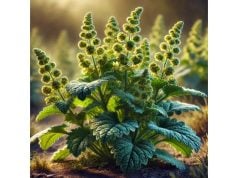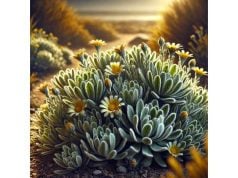
Diplotaxis is a genus of peppery leafy plants in the mustard family, best known through species used as wild rocket or wall rocket in Mediterranean diets. Unlike a single standardized herb, Diplotaxis includes multiple species, and that detail shapes everything from taste to nutrient content to safety. Some species are eaten as salad greens, while others are studied for their glucosinolates, phenolic compounds, and antioxidant activity. This gives Diplotaxis a strong position as a food-based wellness plant, but it also means medicinal claims should be handled carefully. The most useful way to approach Diplotaxis is as a group of edible and bioactive plants with good nutritional potential, promising laboratory findings, and limited human clinical dosing data. In practice, it is most reliable as a nutrient-rich leafy food, while concentrated extracts remain a research topic rather than a routine self-care supplement.
Quick Overview
- Diplotaxis leaves can provide fiber, minerals, and protective phytochemicals such as glucosinolates and flavonoids when used as food.
- The strongest real-world benefit is nutritional support from regular leafy-green intake, while most medicinal effects are still based on preclinical studies.
- A practical food-use portion is about 20 to 40 g fresh leaves per serving (roughly 1 to 2 cups), but a standardized medicinal extract dose is not established.
- Nitrate and glucosinolate levels vary by species, growing conditions, and storage, so potency and tolerance can differ from batch to batch.
- Pregnant or breastfeeding people, children, and anyone considering concentrated extracts should avoid medicinal use without clinician guidance.
Table of Contents
- What is Diplotaxis and which species are used
- Key compounds in Diplotaxis leaves
- Diplotaxis benefits and realistic outcomes
- How to use Diplotaxis
- How much Diplotaxis per day
- Side effects and who should avoid it
- What the evidence actually shows
What is Diplotaxis and which species are used
Diplotaxis is a genus in the Brassicaceae family, the same broader plant family that includes cabbage, broccoli, mustard, and arugula-type greens. In everyday food language, Diplotaxis species are often grouped under “rocket” or “wild rocket,” but botanically they are not all the same plant. That distinction is important because people often search for “Diplotaxis benefits” as if it were one herb with one chemical profile. In reality, the genus includes many species, and the best-studied one for food use is Diplotaxis tenuifolia.
Several Diplotaxis species have edible or traditional use value, including:
- Diplotaxis tenuifolia (wild rocket, perennial wall rocket)
- Diplotaxis erucoides (wall rocket)
- Diplotaxis muralis (annual wall rocket)
- Diplotaxis simplex and Diplotaxis harra in regional traditional use and phytochemical research
This species-level view solves a common confusion. When one paper reports high antioxidant compounds in D. tenuifolia and another reports a different nutrient pattern in D. muralis, those findings are not contradictory. They reflect real differences between species, cultivation methods, harvest stage, and extraction methods.
Diplotaxis plants are mostly known for their pungent, spicy flavor and their use as leafy vegetables. That flavor comes largely from glucosinolates and their breakdown products, which are also the compounds that drive much of the health interest. The leaves are the main food part, but research studies may examine methanolic extracts, dried material, or isolated compounds, which do not behave the same way as fresh salad leaves.
A useful way to think about Diplotaxis is as a food-first medicinal genus. It sits between culinary greens and herbal medicine:
- As food, it offers fiber, minerals, vitamins, and phytochemicals.
- As a research topic, it shows promising antioxidant and bioactive properties.
- As a medicinal herb, it is still underdeveloped because human dosing and long-term safety data are limited.
Another practical point is that the growing environment matters. Light intensity, fertilizer practices, and storage conditions can change the levels of glucosinolates, phenolics, and other compounds. So even within D. tenuifolia, two batches may differ in both taste and phytochemical strength.
For readers and supplement shoppers, the takeaway is simple: always look for the full botanical name and, ideally, the plant part used. “Diplotaxis” by itself is too broad to support precise health claims, dosage advice, or direct comparison between products.
Key compounds in Diplotaxis leaves
The key ingredients in Diplotaxis are not a single “magic compound.” They are a layered mix of glucosinolates, phenolic compounds, flavonoids, carotenoids, vitamins, and minerals that work together as part of the plant’s nutritional and defensive chemistry. This is one reason Diplotaxis is better described as a functional food than a standardized herbal extract.
1) Glucosinolates and isothiocyanate precursors
Glucosinolates are the signature compounds in many Brassicaceae plants, and Diplotaxis species are especially valued for them. These sulfur-containing compounds are stored in plant cells and break down during chopping or chewing, producing pungent compounds such as isothiocyanates. This process explains the sharp, peppery taste of wild rocket and related species.
In Diplotaxis and rocket greens, glucosinolate profiles vary by species, but commonly discussed compounds include:
- Glucoerucin
- Glucoraphanin
- Glucobrassicin
- Related indole and aliphatic glucosinolates
These compounds are central to the plant’s flavor profile and are also the reason many studies explore antioxidant, anti-inflammatory, and metabolic effects.
2) Phenolic compounds and flavonoids
A major 2024 review of the genus identified phenolic compounds in multiple Diplotaxis species, with frequent reports of:
- Kaempferol glycosides
- Quercetin glycosides
- Isorhamnetin glycosides
- Phenolic acid derivatives
These compounds contribute antioxidant capacity and may help explain some preclinical findings related to inflammation and cell protection. A newer 2026 study on D. tenuifolia also showed that extraction method can dramatically change measured phenolic and flavonoid levels, which is important for anyone trying to compare studies or products.
3) Vitamins and antioxidant nutrients
Wild rocket (D. tenuifolia) is also valued for antioxidant nutrients that matter in diet quality, including:
- Vitamin C
- Carotenoids
- Tocopherols (including vitamin E compounds)
A useful insight from recent cultivation research is that these compounds are not fixed. Light exposure can shift levels of flavonoids, carotenoids, and tocopherols in the leaves, which means farming and post-harvest handling can affect the final nutritional quality.
4) Minerals and food-value nutrients
Diplotaxis species, especially edible ones, also contribute food-level nutrients such as:
- Calcium
- Potassium
- Magnesium
- Iron
- Fiber
Recent work on D. muralis strengthens the food-use case by showing a broad nutritional profile and meaningful mineral content, while also highlighting species differences within the genus.
The big practical lesson is this: Diplotaxis benefits come from a compound network, not one isolated active ingredient. That makes it excellent for diet-based use, but harder to standardize for supplement-style claims. It also explains why one study can emphasize glucosinolates while another emphasizes phenolics or antioxidants. They are all describing different parts of the same phytochemical system.
Diplotaxis benefits and realistic outcomes
Diplotaxis has real health value, but the strongest benefits are nutritional and preventive, not drug-like. It is best viewed as a phytochemical-rich leafy green with promising medicinal potential, rather than a proven treatment for specific diseases. This framing keeps expectations realistic and matches the current evidence.
The most reliable benefit category: food-based health support
When used as an edible leafy green, Diplotaxis can support health in familiar, evidence-aligned ways:
- Adds fiber to meals
- Contributes minerals such as calcium, potassium, and magnesium
- Supplies antioxidant compounds
- Increases intake of Brassicaceae phytochemicals
This matters because consistent dietary patterns often produce bigger long-term benefits than short-term supplement experiments. A peppery leaf that people enjoy eating regularly can be more useful than a strong extract taken briefly.
Likely bioactive benefits from phytochemicals
Research on Diplotaxis species points to several promising biological activities, especially in laboratory and preclinical models. These include:
- Antioxidant effects
- Anti-inflammatory activity
- Antibacterial activity
- Hypoglycemic and hypolipidemic potential
- Antiproliferative and cytotoxic effects in some models
These findings are encouraging, but they do not automatically translate into clinical outcomes in humans. A common mistake in herb content is to list all laboratory activities as if they were established benefits. With Diplotaxis, that would overstate the evidence.
What users may notice in everyday use
For people eating Diplotaxis as wild rocket or similar greens, the benefits are usually practical and indirect:
- Diet quality improves because meals gain a nutrient-dense leafy component.
- Flavor improves because the peppery taste can replace heavy sauces or excess salt.
- Phytochemical intake rises through regular Brassicaceae consumption.
These are quiet but meaningful outcomes. They are not dramatic, and that is exactly why they are realistic.
Where caution is needed
Some articles describe Diplotaxis as if it were a targeted medicinal herb for diabetes, cancer, or infection. That goes too far. The more accurate position is:
- Potential: Strong and scientifically interesting
- Clinical proof: Limited
- Best current use: Food-based, routine dietary inclusion
One useful insight is that Diplotaxis sits in the same conversation as “functional foods.” It is not only about avoiding disease. It is also about building a nutrient pattern that supports general metabolic and cardiovascular health over time.
So yes, Diplotaxis offers benefits, but the most credible promise is not a cure. It is a combination of nutrient density, phytochemical richness, and regular use as part of a high-quality diet. That makes it valuable without relying on exaggerated claims.
How to use Diplotaxis
The best way to use Diplotaxis is as a food, especially if the species is one of the edible rocket types such as Diplotaxis tenuifolia or Diplotaxis muralis. This approach aligns with both traditional dietary use and the strongest modern evidence, which focuses on nutritional composition and phytochemical content in leaves.
Best practical forms of use
1) Fresh leaves in salads
This is the most common use. Fresh Diplotaxis leaves add a peppery flavor and pair well with foods that soften the bite, such as:
- olive oil
- lemon
- yogurt-based dressings
- beans or lentils
- cooked grains
- eggs
- cheese or nuts in small amounts
Using Diplotaxis in mixed salads also improves adherence. People are more likely to keep eating a healthy food when it tastes good.
2) Lightly cooked greens
A quick sauté or gentle wilting can reduce bitterness and make larger portions easier to eat. Light cooking may slightly reduce some heat-sensitive compounds but can improve tolerance in people who get stomach irritation from raw greens.
3) Pesto, sauces, and spreads
Diplotaxis can be blended into sauces or herb spreads. This is a practical way to use the leaves regularly, especially for people who do not enjoy strongly bitter salads.
4) Soup or grain finish
Adding chopped leaves near the end of cooking preserves flavor and keeps the greens from turning dull or overly soft.
Forms that need caution
Concentrated extracts and powders
Most “medicinal” findings in Diplotaxis research come from lab extracts, often prepared with solvents not used in home kitchens. That means concentrated powders, tinctures, or capsules marketed as Diplotaxis extracts should be treated cautiously unless they clearly state:
- species name
- plant part
- extraction method
- standardization markers
Without that information, a product may be impossible to compare with published research.
Wild foraging without identification
This is a real risk. Brassicaceae plants can look similar, and genus-level naming is not enough for safe use. If foraging is involved, species identification must be confirmed by someone experienced.
Practical use strategy that works
A simple, sustainable pattern is to use Diplotaxis as a regular leafy green in rotation with other greens:
- Use small amounts first to assess taste and tolerance.
- Increase gradually over one to two weeks.
- Rotate with spinach, lettuce, kale, or herbs.
- Prefer fresh leaves over concentrated products.
This approach gives you the likely benefits of Diplotaxis without overreaching into uncertain extract use. It also fits how the plant is most commonly used in food traditions and modern markets: as a flavorful, bioactive green rather than a high-dose remedy.
How much Diplotaxis per day
There is no established medicinal dose for Diplotaxis species in humans, so the safest and most useful dosage guidance is based on food use, not extract therapy. That is an important distinction. Research papers may report extract concentrations or laboratory assay values, but those numbers do not convert directly into a safe home dose.
Practical food-use dosage range
For edible Diplotaxis leaves such as wild rocket, a reasonable daily food range is:
- 20 to 40 g fresh leaves per serving (about 1 to 2 cups loosely packed)
- Up to 50 to 70 g in a larger mixed salad or cooked portion if well tolerated
This is not a therapeutic prescription. It is a practical culinary range that fits routine meals and helps you get the plant’s nutrients and phytochemicals without pushing into concentrated intake.
Timing and frequency
Diplotaxis does not require a strict time of day. The best timing is the one that supports consistency:
- With meals is ideal for tolerance and habit-building
- Lunch or dinner often works best because the peppery flavor pairs well with savory foods
- Use 3 to 7 times per week depending on preference and rotation with other greens
There is no evidence-based reason to take Diplotaxis on an empty stomach or to use “cycling” schedules.
Dosage variables that change the experience
The same gram amount can feel very different depending on the form:
- Raw leaves keep the strongest bite and are usually more pungent.
- Cooked leaves taste milder and are easier to eat in larger portions.
- Baby leaves are often softer and less intense than mature leaves.
- Strongly grown leaves can taste sharper because cultivation conditions affect phytochemicals.
This is one reason people sometimes think a plant “stopped working” or became “too strong.” The difference may come from the batch, not the person.
What about supplements or extracts
At this time:
- Medicinal extract dose: Not established
- Standardized capsule dose: Not established
- Long-term supplemental dosing: Not established
If a product lists a Diplotaxis extract in milligrams, that number alone is not enough. Without species, extract type, and marker compounds, the label does not meaningfully tell you what you are taking.
A sensible dosing rule
Use Diplotaxis like a functional green, not like a drug. Start with food amounts, stay consistent, and avoid concentrated products unless you have a clear clinical reason and professional guidance. That approach matches the current evidence and avoids the biggest problem in herb use: treating preclinical chemistry as if it were a confirmed human dosing protocol.
Side effects and who should avoid it
Diplotaxis is generally best tolerated when used as an edible leafy green, but “safe as food” does not mean “safe in any amount” or “safe as a concentrated extract.” The side effects and risks depend on the species, the amount used, and whether you are eating leaves or taking a processed preparation.
Common side effects from food use
Most side effects are mild and digestive, especially when someone suddenly adds a large amount of peppery greens to the diet. Possible issues include:
- stomach irritation
- bloating
- mild nausea
- reflux or heartburn
- loose stools in sensitive people
These effects are more likely with large raw servings, very pungent leaves, or concentrated preparations.
Compound-related safety issues
Diplotaxis, like other rocket greens, contains glucosinolates and can also contain variable nitrate levels. These compounds are part of why the plant is interesting nutritionally, but they also explain why moderation matters.
Key practical safety points:
- Levels vary by species and growing conditions, so one batch may be much stronger than another.
- Storage and handling affect chemistry, especially in cut leaves.
- Concentrated intake increases uncertainty, especially if the product is not standardized.
This does not mean people should avoid Diplotaxis. It means the plant should be used in a food context unless there is a good reason to do otherwise.
Drug interactions and special cases
Direct interaction studies for Diplotaxis supplements are limited, so caution is mainly based on common-sense clinical practice and the plant’s phytochemical profile.
Be cautious if you:
- take prescription medicines regularly
- have a gastrointestinal condition that reacts to pungent foods
- are on a medically restricted diet
- are being treated for a chronic disease and want to use extracts
If your care team monitors your intake of leafy greens, keep your intake consistent rather than alternating between none and very large servings.
Who should avoid medicinal use
The following groups should avoid medicinal or concentrated Diplotaxis products unless supervised by a qualified clinician:
- Pregnant people
- Breastfeeding people
- Children
- People with complex medication regimens
- People preparing for surgery
- People with known allergies to mustard-family plants
For these groups, ordinary food use may still be possible, but the safer rule is to stay with normal culinary amounts and avoid self-prescribed extracts.
A practical safety mindset
Diplotaxis is a strong example of a plant that can be both nutritious and overused. The same compounds that make it valuable also make it variable. If you use it as part of meals, watch your tolerance, and avoid high-dose products, the risk profile remains much more manageable. If you treat it like a concentrated medicinal herb without clear dosing data, uncertainty rises quickly.
What the evidence actually shows
The evidence on Diplotaxis is good enough to support regular food use and scientific interest, but not strong enough to support standardized medicinal claims. That is the most accurate summary. The genus has a growing research base, yet the strongest data still comes from phytochemical analysis, nutritional profiling, agronomy, and preclinical work rather than human clinical trials.
What is well supported
Several points are consistently supported across recent papers:
- Diplotaxis species contain meaningful amounts of glucosinolates and phenolic compounds.
- Edible species such as D. tenuifolia and D. muralis have useful nutritional profiles.
- Species differ in composition, so the genus should not be treated as chemically uniform.
- Growing conditions affect the final levels of health-related compounds in leaves.
This last point is especially important and often overlooked. In many herbs, people focus only on species identity. With Diplotaxis, cultivation factors such as light intensity and fertilizer practices can significantly influence phenolics, carotenoids, tocopherols, and likely flavor intensity. That means “Diplotaxis quality” is partly an agricultural question, not only a botanical one.
What remains limited
The weak points in the evidence are exactly the areas many readers care most about:
- human clinical trials
- standardized medicinal doses
- long-term extract safety
- direct drug interaction data
- therapeutic outcomes for specific diseases
That does not make Diplotaxis unhelpful. It simply means the strongest use case is dietary, not medicalized self-treatment.
Why online claims often overreach
A common pattern in herb articles is to combine:
- a review listing many possible bioactivities,
- a lab study using a strong extract, and
- a food-use tradition,
and then present the result as a proven health remedy. With Diplotaxis, that shortcut is especially risky because the genus includes multiple species and highly variable growing conditions.
A better reading of the evidence is:
- Food value: Strong
- Phytochemical interest: Strong
- Preclinical medicinal potential: Promising
- Human therapeutic proof: Limited
The most useful conclusion for readers
If your goal is better everyday nutrition, Diplotaxis is a smart choice. If your goal is a targeted medicinal effect, the evidence is not mature enough for confident dosing or product comparisons. In other words, Diplotaxis already has a clear role on the plate, while its role in clinical herbal medicine is still being defined.
That balanced approach is not a downgrade. It is what makes the advice practical, credible, and safe.
References
- Diplotaxis Genus: A Promising Source of Compounds with Nutritional and Biological Properties – PMC 2024 (Systematic Review)
- Chemical Composition, Nutritional Profile, and Bioactive Properties of Diplotaxis tenuifolia, a Health-Promoting Food – PMC 2026 (Primary Research)
- Diplotaxis muralis as an Emerging Food Crop: Chemical Composition, Nutritional Profile and Antioxidant Activities | MDPI 2025 (Primary Research)
- Improvement of the Quality of Wild Rocket (Diplotaxis tenuifolia) with Respect to Health-Related Compounds by Enhanced Growth Irradiance – PMC 2024 (Primary Research)
- Nitrates and Glucosinolates as Strong Determinants of the Nutritional Quality in Rocket Leafy Salads – PMC 2014 (Review)
Disclaimer
This article is for educational purposes only and is not medical advice. Diplotaxis species are mainly supported as edible, nutrient-rich plants, while medicinal dosing and long-term extract safety are not well established in humans. Do not use Diplotaxis extracts to self-treat chronic or serious conditions. If you are pregnant, breastfeeding, taking prescription medicines, or managing a medical condition, speak with a qualified healthcare professional before using Diplotaxis beyond normal food amounts.
If this guide helped you, please share it on Facebook, X (formerly Twitter), or your preferred platform.