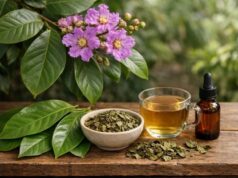
Borage (Borago officinalis) is a bright, star-flowered herb traditionally used in European herbalism and still appreciated today for two distinct roles: as a gentle culinary plant (especially the flowers) and as a source of borage seed oil in supplements. The supplement form matters because the oil is valued for gamma-linolenic acid (GLA), an omega-6 fatty acid involved in building healthy cell membranes and supporting balanced inflammatory signaling. For many people, that translates into interest in skin comfort, dryness, and inflammatory flares that show up in joints or general aches.
At the same time, borage is a herb that rewards careful product choice. The leafy plant can naturally contain pyrrolizidine alkaloids (PAs), compounds associated with liver risk when consumed in significant amounts or over long periods. That is why most modern “internal-use” products focus on borage seed oil that is tested to be PA-free or PA-controlled. In this guide, you will learn what borage is, what it contains, what it may help with, how to use it practically, and how to make safer decisions about dosing, timing, and who should avoid it.
Essential Insights for Borage
- Borage seed oil is a concentrated source of GLA and may support skin barrier comfort in some people.
- Effects are typically gradual; a fair trial is often 6–12 weeks with consistent use.
- Common adult ranges are roughly 1,000–5,000 mg borage oil per day (or the label’s GLA-equivalent), depending on product strength.
- Choose products labeled PA-free or tested for pyrrolizidine alkaloids to reduce avoidable liver risk.
- Avoid if pregnant or breastfeeding, if you have liver disease, or if you use blood thinners unless a clinician approves.
Table of Contents
- What is borage used for
- Key ingredients in borage
- Does borage oil help skin
- Borage for inflammation and joints
- How to use borage safely
- How much borage oil per day
- Side effects, interactions, and evidence
What is borage used for
Borage is an annual herb in the Boraginaceae family, known for fuzzy leaves and small, vivid blue flowers shaped like five-pointed stars. It has a long history as a “comforting” plant—used traditionally in ways that overlap with today’s interest in skin support, respiratory soothing, and stress-related tension. In modern wellness, borage is best thought of as two separate products that share a name:
- Culinary borage (flowers and sometimes young leaves): The flowers are often used as a garnish in salads, desserts, or drinks. The taste is mild and cucumber-like. This use is about flavor and food culture more than targeted health outcomes.
- Borage seed oil (supplement form): The oil is pressed from the seeds and standardized by many manufacturers for its fatty acid profile, especially gamma-linolenic acid (GLA). This is the form most people mean when they search for “borage benefits.”
Those two forms differ in both what they deliver and how you should assess safety. The seed oil is where you see most research interest for skin and inflammation, while leafy preparations raise more questions about pyrrolizidine alkaloids (PAs), which can be relevant to liver safety.
People most commonly explore borage oil for:
- Dry, reactive, or uncomfortable skin that tends to flare (especially when stress, weather, or harsh cleansers make it worse)
- Support during inflammatory “aches and stiffness” patterns
- General wellness support when they want an essential-fatty-acid source beyond standard diet
It helps to set expectations early: borage oil is not a fast-acting pain reliever or an overnight skin fix. If it helps, it usually does so gradually—often over weeks—because fatty acids work by changing the building blocks available to cell membranes and signaling molecules.
If your main goal is inflammation balance, borage oil is often discussed alongside broader fatty-acid strategies, including the balance between omega-6 and omega-3 intake. That bigger picture matters because adding one oil without adjusting anything else can sometimes lead to underwhelming results, even if the product is high quality.
Key ingredients in borage
Borage’s “key ingredients” depend on which part you use. The plant contains a mix of minerals, mucilage-like compounds, and polyphenols, but the most sought-after bioactive components in supplements come from the seed oil. Understanding this split prevents a common mistake: expecting the same benefits from borage tea or leaves that people associate with borage oil capsules.
Borage seed oil: the fatty-acid profile
The defining compound is gamma-linolenic acid (GLA), an omega-6 fatty acid. In the body, GLA can be converted into dihomo-gamma-linolenic acid (DGLA), which is involved in producing signaling molecules that can support a more balanced inflammatory response. That is why GLA-rich oils are often positioned for skin barrier comfort and inflammatory patterns.
Borage seed oil also contains:
- Linoleic acid (LA): another omega-6 fatty acid important for skin barrier lipids
- Oleic acid: a monounsaturated fat common in many plant oils
- Minor constituents: tocopherols (vitamin E family) and plant sterols, depending on processing
If you want to understand where borage oil fits in nutrition, it helps to read it as a specific tool within omega-6 intake rather than a generic “anti-inflammatory oil.” A helpful background overview is omega-6 fatty acids and dosing basics, because the goal is usually targeted omega-6 support (GLA and DGLA pathways), not simply “more omega-6.”
Borage herb: polyphenols and traditional soothing compounds
The leaves and flowers contain various phenolic compounds and soothing plant constituents that contributed to traditional uses (for example, mild demulcent-style support). However, leafy parts may also contain pyrrolizidine alkaloids (PAs). This safety issue is a key reason modern internal-use products focus on seed oil that is purified and tested.
Why “key ingredients” should change your choice
- If you are targeting skin barrier support or inflammation signaling, borage seed oil is usually the practical choice.
- If you are using borage as a garnish or seasonal culinary herb, the flowers are typically the simplest way to enjoy it.
- If you are considering teas or frequent use of the leaves, it is worth pausing and prioritizing safety, sourcing, and frequency.
In short: borage is not one product. It is a plant with different parts that belong in different contexts—and your results depend on matching the part and form to your goal.
Does borage oil help skin
Skin is the most common “real-world” reason people try borage oil. The logic is straightforward: the skin barrier relies on the right balance of lipids, and essential fatty acids help form that barrier. When the barrier is compromised, skin can feel dry, tight, itchy, or easily irritated. Borage seed oil is interesting here because its GLA content may support the body’s ability to produce DGLA-derived signaling molecules that are involved in maintaining calmer inflammatory tone in the skin.
What skin benefits are realistic
If borage oil helps, it usually shows up as:
- Less “tight and dry” feeling after bathing or in cold weather
- Improved comfort during mild flare patterns (for example, when stress or detergents trigger itching)
- Smoother texture and reduced roughness over time
These effects are typically gradual. Many people need 6–12 weeks to judge results because skin turnover and barrier remodeling take time. A useful way to evaluate it is to track one or two consistent markers (itch intensity, need for extra moisturizer, or the number of “bad skin days” per week) rather than relying on memory.
How borage oil fits with topical care
Oral oils rarely outperform good basics. If you are not already doing foundational barrier support, start there:
- Use a fragrance-free cleanser and lukewarm water
- Moisturize within 3 minutes of bathing
- Avoid harsh exfoliants during flares
- Patch-test new topicals
Borage oil is best viewed as an add-on to these basics. In many routines, that combination is what makes the difference: topical barrier care reduces ongoing irritation, and dietary fatty acids support the “inside-out” lipid supply.
Borage oil vs other GLA sources
A common comparison is evening primrose oil, another GLA-containing supplement. Some people choose borage oil because it is often higher in GLA per gram, while others prefer evening primrose based on personal tolerance. If you want a structured comparison point, evening primrose oil benefits and dosing can help you understand how these two are similar and where they differ.
Who is most likely to benefit
Borage oil tends to make the most sense when:
- Dryness and irritation are persistent and clearly linked to barrier stress
- You want a non-stimulant, non-sedating supplement approach
- You can commit to a consistent trial and keep other variables stable
If your skin symptoms are severe, infected, or rapidly worsening, treat that as a medical issue first. Supplements can be supportive, but they should not delay evaluation when red flags are present.
Borage for inflammation and joints
Interest in borage for joints and inflammation is largely an extension of its GLA content. In simple terms, GLA can be converted to DGLA, which participates in pathways that may support a more balanced inflammatory response. People usually seek borage oil for joint comfort when stiffness and tenderness seem to track with broader inflammatory load—sleep loss, chronic stress, dietary triggers, or overtraining.
What benefits are plausible
For joint and inflammation goals, realistic outcomes (when they occur) often look like:
- Slightly easier morning movement and less “warm-up time”
- Reduced intensity of mild aches after activity
- A modest decrease in flare frequency rather than complete symptom disappearance
These are meaningful, but they are not the same as treating an inflammatory disease. If you have a diagnosed inflammatory condition, borage oil should be considered a supportive strategy—best discussed with a clinician—rather than a replacement for medical treatment.
How to use it in a “stack” without overdoing it
If you are building an inflammation-support routine, it helps to avoid piling on many supplements at once. Instead, choose one primary tool and track it. Many people pair borage oil with foundational steps:
- Protein adequacy and fiber-rich meals
- Regular low-impact movement
- Sleep consistency
- Stress reduction practices that are realistic enough to maintain
Some people prefer botanical anti-inflammatory tools with a different mechanism, such as boswellia. If you are comparing options, boswellia research and uses can provide a useful contrast: boswellia is typically used more like a targeted anti-inflammatory extract, while borage oil is more of a fatty-acid strategy.
Timing and patience
Joint and inflammation outcomes tend to require time. A fair trial is often 8–12 weeks, especially if you are also correcting lifestyle drivers that can otherwise drown out subtle supplement effects.
A practical decision rule
Borage oil is most worth trying when:
- You also care about skin barrier support (dual-purpose value)
- Your diet is low in fatty fish and you are also planning an omega-3 strategy
- You can commit to consistency and avoid chasing quick fixes
If you are prone to easy bruising, use blood thinners, or are planning surgery, borage oil deserves extra caution and a clinician’s input due to the broader “oil supplement” category and potential additive effects on bleeding risk when combined with other agents.
How to use borage safely
Using borage safely starts with one principle: match the form to your goal, and choose products designed for internal use. For most health purposes, that means borage seed oil from a reputable manufacturer—not leaf powders, not frequent homemade teas, and not “mystery blends.”
Choose the right form
- Borage seed oil capsules or liquid: The most common internal-use form for skin and inflammation goals.
- Topical borage oil (cosmetic use): Sometimes used in skincare products. This can be helpful for dry-feeling skin, but it should not replace medically necessary treatments.
- Culinary flowers: Best for occasional use as food. This is typically a lifestyle enjoyment choice rather than a “dose-based” therapy.
Look for PA-aware quality signals
Because pyrrolizidine alkaloids (PAs) are the primary safety concern for borage herb, quality matters. Prefer products that:
- State “PA-free,” “tested for pyrrolizidine alkaloids,” or similar quality language
- Provide third-party testing or batch verification (when available)
- Clearly label the source as borage seed oil (not “borage herb”)
If a product is vague—especially “proprietary blends” or unlabeled plant parts—consider that a reason to choose a different brand.
How to take it in daily life
Most people find borage oil easier to tolerate when:
- Taken with food, especially a meal that contains some fat
- Split into two smaller doses (morning and evening) if digestive upset occurs
- Paired with a consistent routine (same time each day) for 6–12 weeks
If you are also working on fatty-acid balance, avoid making too many changes at once. Add borage oil first, stabilize for a week, and then adjust other oils or omega-3 intake if needed.
Common mistakes to avoid
- Expecting immediate results: This is a weeks-to-months supplement for most goals.
- Using leaf tea daily for long periods: The safety profile is not the same as purified seed oil.
- Stacking multiple oils at high doses: More is not always better, especially if you are sensitive to digestion or prone to easy bruising.
- Skipping the basics: For skin, topical barrier care still matters; for joints, movement and sleep still matter.
If you treat borage oil like a carefully chosen ingredient in a wider routine—rather than a stand-alone cure—you are more likely to get a clear answer about whether it helps you.
How much borage oil per day
Borage oil dosing can be confusing because labels may list total oil (mg or g), GLA content (mg), or both. Two products can look similar but deliver very different amounts of GLA. A reliable approach is to decide whether you want to dose by “oil grams” or by “GLA milligrams,” then stick to one strategy.
Common adult ranges
Across many products, typical adult use often falls in the broad range of:
- 1,000–5,000 mg (1–5 g) borage seed oil per day, depending on concentration and goal
Some people prefer to think in GLA instead:
- Roughly 200–1,000 mg GLA per day is a common target range seen on supplement labels and in clinical-style dosing discussions, with higher amounts sometimes used under supervision
Because product strength varies, the “right” dose is the one that matches the label’s GLA content and your tolerance.
Timing and splitting doses
- With food: Taking borage oil with meals improves tolerance for many people.
- Split dosing: If you notice burping, nausea, or loose stools, split the daily amount into two doses.
- Consistency: Daily use is typically more meaningful than occasional use, especially for skin goals.
How long to try it
A fair trial depends on your goal:
- Skin barrier and dryness: 6–12 weeks is a reasonable minimum
- Inflammation and joint comfort: 8–12 weeks is often more realistic
If you see no benefit by the end of a well-controlled trial (consistent dose, consistent skincare or movement habits), it is reasonable to stop.
How omega-3 balance affects results
Many people get better outcomes when borage oil is used as part of a balanced fatty-acid plan rather than as the only change. If your diet is low in omega-3 sources, improving that baseline may make your response more noticeable. A helpful overview is omega-3 fatty acids and practical use, especially if you are trying to support inflammation balance.
When to use extra caution with dose
Start low and move slowly if you:
- Have a sensitive stomach
- Are prone to headaches with oil supplements
- Use blood thinners or anti-platelet medications
- Have a history of liver issues (and only use PA-tested products with clinician guidance)
For most adults, the best dosing strategy is simple: begin at the lower end of the label’s range, track one outcome, and adjust only if you can clearly attribute changes to the supplement.
Side effects, interactions, and evidence
Borage oil is generally tolerated by many adults, but “natural” does not mean risk-free. The two big issues to understand are digestive tolerance and product safety related to pyrrolizidine alkaloids (PAs). Evidence for benefits also varies by condition and is best described as promising in some areas, mixed overall, and highly product-dependent.
Common side effects
The most typical side effects are mild and digestive:
- Burping or aftertaste
- Nausea or stomach upset
- Loose stools, especially at higher doses
These often improve when the dose is taken with meals or split into two smaller doses.
Pyrrolizidine alkaloids and liver safety
PAs are naturally present in many Boraginaceae plants and are a primary reason borage leaf products require caution. While reputable borage seed oil products are often processed and tested to minimize these compounds, quality varies. This is why “PA-tested” labeling is not marketing fluff—it is a meaningful safety signal for internal use.
Stop use and seek medical evaluation promptly if you develop possible liver-related symptoms such as unusual fatigue, dark urine, jaundice (yellowing of skin or eyes), persistent nausea, or right-upper abdominal discomfort.
Interactions and who should avoid borage
Avoid borage oil (or use only with clinician guidance) if you are:
- Pregnant or breastfeeding
- Living with liver disease or unexplained elevated liver enzymes
- Taking anticoagulant or antiplatelet medications (for example, warfarin or similar agents), due to the broader “oil supplement” category and additive bleeding concerns in some contexts
- Preparing for surgery (discuss supplement timing with your care team)
If you have a seizure disorder, be cautious with any supplement oil unless your clinician confirms it is appropriate, especially if you have had past supplement sensitivities.
What the evidence actually says
- Skin (eczema and barrier comfort): Research is mixed. Some people experience meaningful improvements in dryness or itch patterns, while others do not. Differences in study design, baseline diet, and product composition likely contribute.
- Inflammation and joints: There is biologic rationale for GLA pathways, and some clinical findings suggest potential benefit for inflammatory patterns, but results are not uniform and should not be oversold.
- Other traditional uses: Evidence is thinner, and many claims come from historical practice rather than strong clinical trials.
A balanced take is this: borage seed oil can be a reasonable, time-limited experiment for skin comfort and inflammation support when you use a PA-tested product, dose conservatively, and track outcomes. If it helps, keep it as part of a broader routine. If it does not, you have learned something useful—and you can move on without escalating risk.
References
- NATURAL HEALTH PRODUCT BORAGE OIL 2025 (Monograph)
- Fatty Acid Profile and Some Useful Biological Aspects of Borage, Calophyllum, and Prickly Pear Seed Oils: Implications for Health and Dietary Use 2025 (Review) ([pmc.ncbi.nlm.nih.gov][1])
- Clinical Efficacy of Nutritional Supplements in Atopic Dermatitis: Systematic Review 2023 (Systematic Review) ([derma.jmir.org][2])
- Pyrrolizidine Alkaloids—Pros and Cons for Pharmaceutical and Medical Applications 2023 (Safety Review) ([pmc.ncbi.nlm.nih.gov][3])
Disclaimer
This article is for educational purposes only and does not provide medical advice, diagnosis, or treatment. Herbal products and supplements can vary widely in purity, strength, and labeling accuracy. Borage may contain pyrrolizidine alkaloids, which are associated with liver risk, so product selection and medical context matter. If you are pregnant or breastfeeding, have liver disease, take blood thinners, have a chronic medical condition, or use prescription medicines, consult a licensed clinician before using borage or borage seed oil. Stop use and seek medical care if you develop symptoms that could suggest an adverse reaction, including signs of possible liver injury such as jaundice, dark urine, persistent nausea, or unusual fatigue.
If this guide helped you, consider sharing it on Facebook, X (formerly Twitter), or any platform where friends and family look for practical health information.