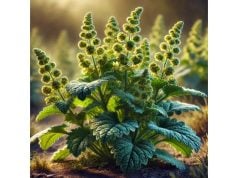
Disporum is a small genus of woodland plants sometimes called fairy bells, and it sits in an unusual space between ornamental botany and traditional herbal use. In East Asia, some species and local plant forms have a history of use in folk and regional medicine, especially for fatigue, injury recovery, and inflammatory complaints. At the same time, modern research on Disporum is still early, fragmented, and highly species-specific, which makes careful identification more important than many people realize.
That combination is what makes Disporum worth a closer look. It offers promising bioactive compounds in lab studies, clear ethnobotanical relevance in some communities, and practical traditional dosage records for certain species. But it also comes with limits: no standard human dosing across the genus, few safety studies, and real risk of confusion between species. This guide explains what Disporum is, what is known so far, how it is used, and where caution is essential.
Key Insights
- Disporum use is species-specific, and traditional records most often focus on plants such as Disporum cantoniense rather than the entire genus.
- Early lab research on Disporum viridescens suggests anti-inflammatory activity, but this does not yet prove clinical benefit in humans.
- A traditional decoction range reported for Disporum cantoniense root and rhizome is 9 to 15 g per day, not a standardized dose for all Disporum species.
- Avoid use during pregnancy, breastfeeding, and in children unless a qualified clinician specifically recommends it.
- Do not use wild-harvested or unlabeled material if the species identity is uncertain.
Table of Contents
- What Is Disporum and Why It Matters
- Key Compounds and Active Ingredients
- What Benefits Might It Support
- How Disporum Is Used
- How Much and When to Use
- Side Effects Interactions and Who Should Avoid
- What the Evidence Actually Shows
What Is Disporum and Why It Matters
Disporum is a genus of perennial woodland plants found mainly in Asia, with a center of diversity in East and Southeast Asia. These plants are often recognized by their arching stems, bell-like flowers, and rhizomatous growth. In herbal discussions, the first thing to understand is that Disporum is a genus, not a single herb. Different species can look similar, grow in different regions, and have different traditional uses.
That matters because many herb articles treat plant genera as if all members behave the same way. With Disporum, that shortcut can be misleading. Current taxonomic work continues to refine species boundaries, and recent revision work from Thailand even added new species to the documented flora there. In practical terms, this means a product labeled only as “Disporum” may not tell you enough to judge its traditional use profile, expected compounds, or safety.
Another important point is naming drift. Older scientific and herbal literature may place Disporum under older family concepts, while newer botanical classification treats it within Colchicaceae. If you search the literature, you may see mixed terminology. That does not always mean the source is wrong, but it does mean you should read labels and species names closely.
For herbal users and clinicians, Disporum matters for three reasons:
- Traditional relevance: Some species are used in regional medicine systems, especially for weakness, injuries, and inflammatory complaints.
- Research interest: Lab studies have identified bioactive compounds with anti-inflammatory signaling effects.
- Identification risk: Species confusion can affect both usefulness and safety.
A practical mindset helps here. Think of Disporum less like a single standardized supplement and more like a botanical group with uneven evidence. If someone is exploring it, the key questions are:
- Which species is being used?
- Which plant part is used?
- Is the preparation traditional or commercial?
- Is the intended use supported by tradition, lab data, or both?
These questions make the rest of the article easier to understand. They also explain why dosage and safety advice for Disporum must stay conservative. The benefits may be real for certain species and preparations, but the evidence base is not broad enough to justify casual, one-size-fits-all recommendations.
Key Compounds and Active Ingredients
When people search for “key ingredients” in Disporum, they usually mean two things: the plant chemicals that may produce biological effects, and the compounds most often reported in research. The best way to answer that is to be specific about species and plant part.
A commonly cited lab study on Disporum viridescens leaves used bioactivity-guided isolation and found a range of compounds, including a newly characterized phenylpropanoid and multiple known constituents. The study also highlighted active compounds that reduced nitric oxide production in an inflammatory cell model. That gives us an early mechanistic clue: some Disporum leaf compounds may influence inflammatory signaling pathways.
Based on available research, the main chemical groups discussed around Disporum include:
- Phenylpropanoids
- Lignans
- Glycosides
- Other small phenolic and related compounds identified during isolation work
Why these matter:
- Phenylpropanoids and lignans often show antioxidant or anti-inflammatory behavior in lab systems.
- Glycosides can affect absorption and metabolism, and they often serve as storage or transport forms of active molecules in plants.
- Compound mixtures may work differently from isolated compounds, which is one reason traditional decoctions and lab extracts do not always produce the same effects.
There are also two practical cautions people miss when reading “active ingredient” lists:
1) Species chemistry is not interchangeable
A compound isolated from D. viridescens leaves does not automatically mean the same level exists in D. cantoniense root or rhizome. Plant chemistry changes with:
- Species
- Plant part (leaf vs root/rhizome)
- Harvest season
- Drying and extraction method
2) Lab activity does not equal human benefit
Many herbal compounds look promising in cell models because they affect nitric oxide, cytokines, or enzyme pathways. That is useful, but it is still a long way from showing symptom relief in humans. For Disporum, this gap is especially important because clinical trials are lacking.
From a practical herbal perspective, the “key ingredients” story for Disporum is best framed this way:
- The genus contains chemically interesting species
- Some compounds show anti-inflammatory pathway effects in early research
- There is no standardized active marker used across commercial products
- The most useful information is still tied to species-level identification
If you are comparing products, a label that lists only “Disporum extract” is weak. A stronger label should state the species, plant part, extraction ratio, and preferably a quality standard. Without that, “key ingredients” becomes a marketing phrase rather than a meaningful quality measure.
What Benefits Might It Support
Disporum is often discussed for health benefits in broad terms, but a more accurate approach is to separate traditional uses from research-supported possibilities. This avoids overstating what we know and helps you decide what is realistic.
Traditional and ethnobotanical uses
In ethnobotanical records from Southwest China, Disporum cantoniense appears among plants used by local healers, with the root and rhizome used for issues such as rheumatism, traumatic injury, and labor-related weakness. This is valuable information because it reflects real-world community use over time, not just lab screening.
Traditional materia medica database entries for D. cantoniense also describe uses linked to patterns such as fatigue, weakness, dryness-related cough, and swelling. Whether someone uses those concepts in a traditional East Asian framework or a modern wellness framework, the recurring theme is support for recovery and depletion states.
Potential benefits suggested by early research
The strongest modern mechanistic signal comes from lab research on D. viridescens leaves, where compounds reduced inflammatory markers in a microglial cell model. This suggests possible relevance for:
- Inflammatory regulation
- Cell signaling related to immune activation
- Neuroinflammation pathways (in a preclinical, mechanistic sense)
That does not mean Disporum is a proven treatment for arthritis, brain health disorders, or pain. It means the plant chemistry contains leads worth further study.
Practical benefit categories people ask about
Here is a realistic summary of what Disporum may support, based on current evidence and tradition:
- Traditional recovery support: Particularly in formulas or decoctions used after exertion or injury
- Inflammation-related complaints: Based on early lab mechanisms, not human proof
- Respiratory dryness and weakness patterns: Reported in traditional use records for some species
- General tonic-style use: In specific regional traditions, usually tied to roots or rhizomes
What to expect in real life
If someone chooses to use a traditional Disporum preparation, the most realistic outcomes to watch for are gradual, supportive effects such as improved comfort, improved appetite or energy, or less perceived strain during recovery. It is not the kind of herb with well-established, rapid, dose-response effects in clinical medicine.
A useful rule is this: Disporum may be more appropriate as a traditional support herb than as a stand-alone problem solver. People looking for clear, evidence-based outcomes for a defined condition should understand that the evidence is still too limited for strong medical claims.
That does not make it useless. It simply means benefit claims should stay anchored to tradition and early pharmacology, not modern clinical certainty.
How Disporum Is Used
How Disporum is used depends heavily on region, species, and intended purpose. In traditional records, the most common medicinal forms involve roots and rhizomes, not necessarily the leaves that appear in some phytochemistry papers. That difference is easy to overlook and is one reason people get confused when comparing studies with traditional practice.
Common forms of use
For medicinal use, Disporum has most often been documented in forms such as:
- Decoction (boiled water extraction)
- Combined herbal formula (used with other herbs, not alone)
- External wash in some ethnobotanical contexts
- Dried root or rhizome material prepared for household or local healer use
In one ethnobotanical record, Disporum cantoniense is described as being used both to wash and drink after decoction. This is a good reminder that traditional use is often more flexible than modern supplement labels. A single plant may be used internally and externally depending on the complaint.
Choosing the right preparation matters
Different preparation methods extract different compounds:
- Decoction tends to pull out water-soluble compounds and is the traditional choice for roots and rhizomes.
- Alcohol tincture may extract a different profile, but this form is not the standard traditional reference for many Disporum uses.
- Powdered capsules are convenient but can be weak on transparency if species and plant part are not clearly stated.
- Standardized extracts would be ideal for modern dosing, but they are not widely established for Disporum.
Practical use cases people usually mean
When people search “Disporum uses,” they are often looking for one of these:
- A tonic-style herb for weakness or recovery
- A traditional herb for musculoskeletal discomfort
- A plant with anti-inflammatory potential
- A niche East Asian medicinal botanical
The best use case, based on current information, is still careful traditional use of a clearly identified species, ideally guided by a practitioner familiar with East Asian herbal medicine. This is especially true if the user is combining it with other herbs or medications.
Product quality and identification checklist
Before using any Disporum product, check for:
- Exact species name (for example, Disporum cantoniense)
- Plant part used (root, rhizome, leaf)
- Form (decoction cut, powder, extract)
- Batch quality or source transparency
- Clear dosing instructions with units
If those details are missing, the product is harder to evaluate and easier to misuse. With Disporum, quality control is not a bonus feature. It is the difference between a traditional herb and an unknown plant powder.
How Much and When to Use
This is the section where Disporum requires the most caution. There is no widely accepted, evidence-based modern dose for “Disporum” as a genus, and there are no well-established clinical dosing guidelines for supplements. Most dosage information comes from traditional practice and species-specific records.
Traditional dosage range
For Disporum cantoniense (root and rhizome), a traditional medicinal database entry reports a dosage range of:
- 9 to 15 g (typically as dried material in decoction form)
This is the most useful practical range available for common herbal reference purposes, but it should not be treated as a universal dose for every Disporum species or product.
How to interpret that range
A 9 to 15 g range usually assumes a few things:
- The plant material is correctly identified
- The form is a traditional decoction cut, not a concentrated extract
- The user is taking it in a traditional preparation context
- The material quality is reasonably consistent
If someone uses a powdered extract instead of whole dried root or rhizome, the dose will differ. Extract products should state the extract ratio (such as 5:1 or 10:1), but many do not. Without that information, trying to convert a traditional gram dose into capsules is mostly guesswork.
Practical dosing approach for cautious use
If a qualified practitioner has recommended a Disporum species and form, a conservative approach often looks like this:
- Confirm species and plant part
- Use the lower end of the traditional range first
- Monitor for digestion, skin, and tolerance issues
- Increase only if needed and only within the recommended range
- Reassess after 1 to 2 weeks
Timing and duration
There are no strong clinical timing studies for Disporum, so timing is usually practical:
- Take with food if you are sensitive to herbs or prone to nausea
- Split the daily amount into 1 to 2 servings if using a decoction
- Use short-term first, rather than continuous long-term use
- Pause and review if symptoms do not improve
When not to self-dose
Avoid self-dosing if:
- You do not know the exact species
- You are using a concentrated extract with no extraction ratio
- You are pregnant, breastfeeding, or taking multiple medications
- You are using it for a serious condition (for example, severe pain, fracture, bleeding, or persistent cough)
The key point is simple: Disporum dosage is still traditional and context-based, not standardized like a modern OTC drug. Respecting that limit is the best way to use it safely.
Side Effects Interactions and Who Should Avoid
Safety information for Disporum is limited, and that shapes every recommendation in this section. There are traditional indications and some lab studies, but there is very little published human safety data, no standardized side-effect reporting, and no clear interaction studies for the genus. Because of that, the safest approach is a conservative one.
Possible side effects
No large clinical studies tell us the most common side effects of Disporum in humans. Based on general herbal use patterns and limited documentation, the most reasonable side effects to watch for are:
- Digestive upset (nausea, stomach discomfort, loose stools)
- Allergic reactions (itching, rash, mouth irritation)
- Headache or lightheadedness in sensitive users
- Skin irritation if used externally in a wash
These are not confirmed incidence rates. They are practical warning signs that should prompt stopping the herb and reassessing.
Interaction concerns
There are no well-defined drug interaction trials for Disporum, but caution is sensible because some plant compounds show anti-inflammatory pathway effects in lab studies. Theoretical interaction concerns are strongest with:
- Anti-inflammatory drugs
- Blood-thinning medications
- Immune-active medications
- Diabetes medications (if an herbal formula affects appetite or metabolism indirectly)
This does not mean Disporum definitely interacts with these drugs. It means there is not enough evidence to assume it is interaction-free.
Who should avoid Disporum
Until better safety data exist, these groups should generally avoid self-use unless supervised by a qualified clinician:
- Pregnant people
- Breastfeeding people
- Children and adolescents
- People with serious liver or kidney disease
- People with multiple chronic conditions and complex medication regimens
- Anyone using an unlabeled or wild-collected product with uncertain identity
The last point is especially important. Recent taxonomic work shows that Disporum diversity is still being clarified in some regions. Misidentification is not a minor issue. It can change the chemical profile and therefore the risk profile.
Safety habits that make a difference
If Disporum is being used in a traditional context, these habits reduce risk:
- Use single-ingredient material first before combining with many herbs
- Start with a short trial
- Keep a simple symptom log
- Stop immediately if symptoms worsen
- Seek medical care for severe or persistent symptoms
In short, the biggest Disporum safety issue is not one known toxic reaction. It is uncertainty: uncertain species, uncertain dose equivalence, and uncertain interactions. Good identification and careful use are the best protections.
What the Evidence Actually Shows
The evidence for Disporum is real, but it is uneven. That is not a criticism of the plant. It is simply the current state of research. Most of what we know comes from three lanes of evidence:
- Taxonomy and plant identification studies
- Ethnobotanical documentation
- Preclinical chemistry and cell research
Each lane answers a different question, and none of them alone can support strong medical claims.
1) Taxonomy and identification evidence is stronger than many people expect
Recent taxonomic and morphological work on Disporum is useful because it improves species identification. This may sound purely academic, but it is essential for herbal safety and consistency. If species boundaries are unclear, then benefits, dosage, and side effects become harder to interpret.
This is one of the most important practical insights in the Disporum literature: good botany is part of good herbal medicine.
2) Ethnobotanical evidence supports traditional relevance
Ethnobotanical studies show that Disporum species, especially Disporum cantoniense in some regions, are used by local healers for specific complaints such as rheumatism and traumatic injury. This supports cultural legitimacy and helps preserve traditional knowledge.
But ethnobotanical evidence has limits:
- It documents use, not proof of efficacy
- Preparations vary by healer and region
- Dosing and diagnosis frameworks are often context-dependent
So ethnobotany tells us what has been used and why, but not yet what works best in controlled modern settings.
3) Preclinical chemistry provides mechanistic clues
The most relevant lab evidence shows that compounds from D. viridescens leaves can inhibit inflammatory signaling markers in microglial cells. This is promising because it gives a plausible mechanism behind some traditional anti-inflammatory or recovery-related uses.
Still, preclinical results do not answer key clinical questions:
- What dose helps humans?
- Which species and plant part work best?
- What are the common side effects?
- How long is safe to use?
Bottom line for users and practitioners
The current evidence supports a balanced conclusion:
- Disporum is a legitimate traditional medicinal plant group
- Some species show promising bioactive chemistry
- Human evidence is not yet strong enough for disease claims
- Species identification and preparation method matter more than usual
If you want an herb with deep clinical research and standardized dosing, Disporum is not there yet. If you are interested in a traditional botanical with emerging pharmacology and are willing to use it carefully, it is a reasonable herb to study with proper guidance.
That is the best way to view Disporum today: a plant group with meaningful traditional use and credible early science, but still waiting for the kind of human research that turns a promising herb into a clearly defined clinical tool.
References
- Naturalis Institutional Repository: Taxonomic revision of Disporum (Colchicaceae) from Thailand including four new species 2024 (Taxonomy) ([repository.naturalis.nl][1])
- Diversity and traditional knowledge of medicinal plants used by Shui people in Southwest China 2023 (Ethnobotanical Study) ([PMC][2])
- Micromorphological differentiation of Korean Disporum species using light and scanning electron microscopy 2021 (Morphology Study) ([PubMed][3])
- Medicinal Plant Images Database 2026 (Database entry) ([sys01.lib.hkbu.edu.hk][4])
- Chemical constituents isolated from Disporum viridescens leaves and their inhibitory effect on nitric oxide production in BV2 microglial cells 2014 (Preclinical Study) ([PubMed][5])
Disclaimer
This article is for educational purposes only and does not replace medical advice, diagnosis, or treatment. Disporum species are not standardized medicines, and published human safety and dosing data are limited. Herbal effects can vary by species, plant part, preparation method, and product quality. If you are pregnant, breastfeeding, have a chronic condition, or take prescription medications, speak with a qualified healthcare professional before using Disporum. Seek urgent medical care for severe symptoms, injuries, bleeding, breathing problems, or worsening pain.
If you found this guide helpful, please share it on Facebook, X, or your preferred platform to help others learn about Disporum safely and accurately.