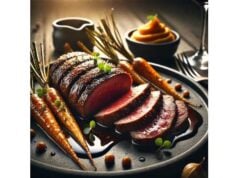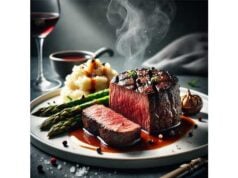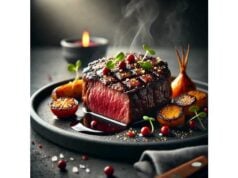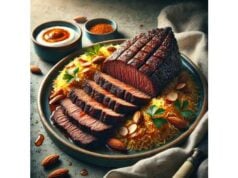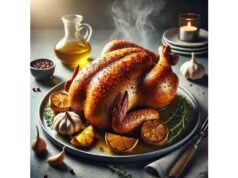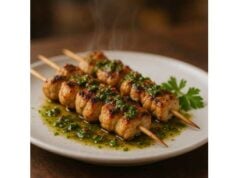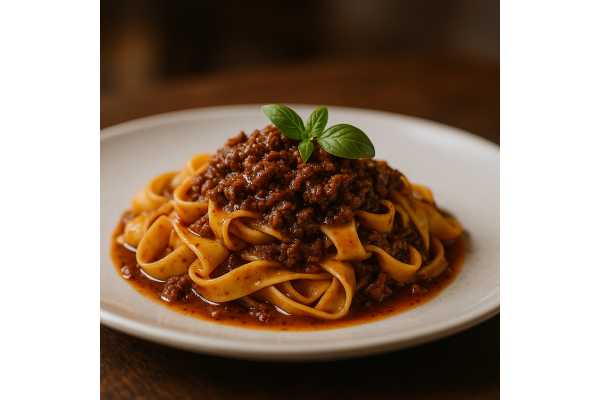
Donkey meat is a niche red meat with a lean profile, a gentle beef-like flavor, and a surprisingly favorable ratio of unsaturated to saturated fats. In culinary terms, it behaves like other working-animal meats: tender in young animals, richer and more structured in older ones—excellent for quick sears when cut thin and outstanding in slow, moist braises. Per 100 grams, donkey typically delivers around 22–23 g of high-quality protein and meaningful amounts of iron, zinc, and vitamin B12. That combination supports red blood cell formation, immune function, and muscle maintenance. Because the meat is naturally low in total fat and cholesterol compared with many conventional red meats, it fits well in balanced, Mediterranean-leaning menus when portion sizes are sensible. Although availability varies by region, you’ll see it fresh, cured, or dried in specialty butchers and traditional markets. This guide walks you through what to know—from nutrition to safe handling, smart preparation, ethical sourcing, and practical portions—so you can decide whether donkey belongs on your table and, if so, how to cook it well.
Top Highlights
- Lean red meat providing ~22–23 g complete protein and notable iron and zinc per 100 g.
- Favorable unsaturated fat profile versus many common red meats when trimmed and cooked properly.
- Food safety matters: cook whole cuts to 63 °C (145 °F, 3-minute rest) and ground meat to 71 °C (160 °F).
- Typical serving: 85–100 g cooked (about 1 palm), enjoyed 1–2 times weekly within a varied diet.
- People with alpha-gal syndrome, hemochromatosis, or gout should limit or avoid donkey meat.
Table of Contents
- Donkey meat: detailed overview
- Donkey meat nutrition profile
- Donkey meat: evidence-based benefits
- Donkey meat: risks, allergies and interactions
- Selecting quality, sustainability and storage
- Cooking donkey meat and nutrient retention
- Donkey portions, comparisons and FAQs
Donkey meat: detailed overview
What it is and how it tastes. Donkey meat is an equid red meat—culinarily closer to beef than to game—known for a mild, clean flavor with a faint sweetness when cooked quickly and a deep, savory richness in slow stews. Younger animals yield finer fibers and quick-cooking cuts; older working animals have thicker muscle fibers and connective tissue that reward low-and-slow methods.
Where it’s eaten. Consumption is highly regional. You will encounter donkey in pockets of the Mediterranean, Central Asia, parts of Africa, and East Asia. It appears both as fresh muscle cuts (loin, round, shank) and as traditional products such as air-dried, cured, or confited meats.
Why cooks choose it.
- Lean protein: Typically ~22–23 g protein per 100 g raw, with low total fat when trimmed.
- Micronutrients: Notable iron, zinc, and vitamin B12 per 100 g.
- Fat quality: A higher proportion of monounsaturated and polyunsaturated fats than many conventional red meats, particularly when animals are pasture-raised and cuts are well-trimmed.
- Culinary flexibility: Slices and strips take well to hot-and-fast sears (stir-fries, plancha, skewers), while collagen-rich cuts shine in braises, pressure-cooker stews, and sous-vide.
Cuts and best uses.
- Quick-cook: Loin steaks, tender medallions, thinly sliced leg.
- All-purpose: Top/bottom round, sirloin tip for schnitzel, Milanese, kebabs.
- Slow-cook: Shank, shoulder, neck, brisket-like portions for ragù, tagine, or bourguignon-style stews.
- Cured/dried: Regional specialties (e.g., air-dried fillets) with concentrated flavor—watch the sodium content.
Availability and labeling. Depending on local regulations, donkey may be sold labeled by species, breed, or simply as “equid meat.” Buy from transparent vendors who can document origin and veterinary oversight, especially for imported products.
Ethical and cultural notes. Attitudes toward equid meat vary. Some communities prize it; others decline it for cultural or religious reasons. If you choose to eat donkey, consider producers that prioritize welfare standards, traceability, and legal, sustainable trade.
At-a-glance pros and cons.
- Pros: Lean, nutrient-dense, versatile, distinctive yet approachable flavor.
- Cons: Limited availability, variable tenderness, and the need for careful sourcing and safe cooking.
Donkey meat nutrition profile
Below are typical values for raw, lean donkey meat, per 100 g. Actual composition varies by cut, age, sex, diet, and post-slaughter handling. % Daily Values (%DV) use adult reference intakes (e.g., protein 50 g, iron 18 mg, zinc 11 mg, vitamin B12 2.4 µg, potassium 4700 mg, phosphorus 1250 mg, sodium 2300 mg).
Macros & Electrolytes (per 100 g, raw)
| Component | Amount | %DV |
|---|---|---|
| Energy | 130–150 kcal | — |
| Protein | 22.0–23.0 g | 44–46% |
| Total fat | 2.5–4.0 g | 3–5% |
| Carbohydrate | 0 g | 0% |
| Sodium | ~60 mg | 3% |
| Potassium | ~340 mg | 7% |
| Phosphorus | ~250 mg | 20% |
| Cholesterol | ~65–75 mg | —* |
*No current U.S. %DV established for cholesterol.
Fats & Fatty Acids (per 100 g, raw)
(Representative distribution; varies by muscle and ageing.)
| Fatty acid group | Approx. grams | Notes |
|---|---|---|
| Saturated fatty acids (SFA) | ~1.1–1.4 g | Lower share than many conventional red meats when well-trimmed |
| Monounsaturated (MUFA) | ~1.1–1.4 g | Oleic acid predominant |
| Polyunsaturated (PUFA) | ~0.9–1.2 g | Meaningful n-6 and n-3; PUFA:SFA ratio often ≥0.6–0.7 |
Protein & Amino Acids
- High biological value protein with all essential amino acids.
- Collagen content is higher in working muscles (shank/shoulder), which influences tenderness and benefits from moist, slow cooking.
Vitamins (per 100 g, raw)
| Vitamin | Amount | %DV |
|---|---|---|
| Vitamin B12 (cobalamin) | ~1.9 µg | ~79% |
| Vitamin B3 (niacin)** | ~4–6 mg | 25–38% |
| Vitamin B6 (pyridoxine)** | ~0.3–0.4 mg | 18–24% |
Values with double asterisks are typical for lean red meats of similar profile; actual amounts vary and should be verified on product labels where available.
Minerals (per 100 g, raw)
| Mineral | Amount | %DV |
|---|---|---|
| Iron | ~3.0–4.0 mg | 17–22% (men), 17–22% of 18 mg DV |
| Zinc | ~3.0–4.0 mg | 27–36% |
| Phosphorus | ~250 mg | 20% |
| Magnesium | ~24 mg | 6% |
Allergens & Intolerance Markers
- Contains the mammalian carbohydrate alpha-gal (galactose-α-1,3-galactose); people with alpha-gal syndrome may react to donkey meat.
- No gluten, lactose, or carbohydrate by nature; spice blends or marinades may add allergens.
Contaminants/Residues & Food Safety Notes
- As with other red meats, Trichinella is controlled through official testing in equids in many jurisdictions and by proper cooking in the kitchen.
- Veterinary drug residues are regulated; purchase from vendors with documented veterinary oversight and legal traceability.
Footnote: Numbers derive from recent research on the composition of donkey meat and equid meats; specific retail products may display different nutrition panels. Where a %DV exists, it is shown; otherwise, “—” indicates not applicable.
Donkey meat: evidence-based benefits
1) Supports oxygen transport and energy metabolism. Donkey is an efficient way to obtain heme iron, vitamin B12, and zinc in the same portion. Heme iron is well absorbed compared with plant iron, B12 supports red blood cell formation and neurologic function, and zinc contributes to immune defenses and protein synthesis. For individuals with marginal intakes—such as endurance athletes, menstruating adults, and older adults with reduced appetite—an 85–100 g cooked serving can meaningfully contribute to daily needs.
2) High-quality protein for muscle maintenance. With ~22–23 g protein per 100 g raw (~26–28 g cooked per 120 g portion), donkey offers a concentrated source of essential amino acids. Regular, moderate servings alongside resistance exercise support muscle protein synthesis and help preserve lean mass during weight management or healthy aging.
3) Favorable fat profile among red meats. When trimmed, donkey meat is low in total fat and exhibits a higher proportion of MUFA and PUFA than many conventional red meats. That profile, combined with lower saturated fat per serving, helps fit donkey into heart-conscious eating patterns that emphasize vegetables, legumes, whole grains, nuts, and olive oil.
4) Satiety and weight management. Lean, high-protein foods enhance fullness and can help maintain a lower calorie intake at subsequent meals. Prepared simply (grilled medallions, lean stews, skewers), donkey slots naturally into lower-calorie menus without sacrificing flavor or texture.
5) Culinary versatility that encourages balanced eating. Because donkey takes well to both quick sears and slow moist cooking, it adapts to vegetable-forward dishes—think pepper-and-onion stir-fries, tomato-rich ragù over whole-grain pasta, or legume-based tagines—making it easier to build balanced plates rather than meat-centric ones.
6) Nutrient density versus processed options. Choosing fresh donkey over cured meats reduces sodium and nitrite exposure. If you do enjoy cured specialties, balance your week with more fresh, minimally processed meals.
How it compares (snapshot).
- Vs beef (typical retail 80/20 mince): donkey is leaner with less saturated fat per cooked serving when cuts are trimmed.
- Vs chicken breast: chicken is leaner still and lower in iron and B12; donkey offers more heme iron and a red-meat flavor profile that some prefer in stews and grills.
- Vs bison: both are lean; relative fat quality and micronutrients are comparable, with donkey often slightly higher in iron.
Bottom line: Within a varied dietary pattern, donkey meat can provide dense protein and key micronutrients with a favorable fat balance, especially when portions are sensible and cooking is gentle.
Donkey meat: risks, allergies and interactions
Foodborne risks
- Undercooking: As with other red meats, doneness is a safety issue. Cook whole cuts to 63 °C (145 °F) and rest 3 minutes; cook ground donkey to 71 °C (160 °F). Use a thermometer—color is not a reliable guide.
- Parasites (Trichinella): Equids can harbor Trichinella. Many jurisdictions mandate official testing in horses and related species; proper cooking also inactivates the parasite. Avoid raw or undercooked preparations unless your local rules specifically allow and you fully trust the supply chain.
- Cross-contamination: Keep raw juices away from ready-to-eat foods; sanitize knives, boards, and hands after handling.
Allergies and intolerances
- Alpha-gal syndrome (red-meat allergy): Donkey, as a mammalian meat, contains alpha-gal. People with known or suspected alpha-gal syndrome should avoid donkey and other mammalian meats unless cleared by an allergist.
- Sulfites or spices: Some cured or marinated products may contain sulfites, paprika, mustard, or other allergenic ingredients—check labels.
Medication, medical, and dietary considerations
- Hemochromatosis or iron overload: Limit high-iron meats; choose smaller portions or lower-iron proteins.
- Gout/hyperuricemia: Red meats contribute purines; moderate intake and prioritize hydration and vegetables.
- Dyslipidemia and hypertension: Fresh, lean donkey fits better than cured, salty versions. If watching saturated fat and sodium, prefer trimmed, fresh cuts and keep portions modest.
- Pregnancy, older age, or immunocompromise: Follow strict food safety (thermometer-verified doneness; rapid chilling of leftovers).
Ethics and authenticity
- Veterinary drug residues and traceability: Buy from suppliers with verifiable veterinary records and species authentication.
- Fraud concerns: In regions where equid meat is uncommon, mislabeled meats can occur; reputable, transparent sellers reduce risk.
When to seek medical advice
- Delayed hives, abdominal pain, flushing, or anaphylaxis hours after eating red meat may signal alpha-gal syndrome—seek care promptly.
- Persistent gastrointestinal illness after undercooked meat warrants evaluation.
Selecting quality, sustainability and storage
How to choose good donkey meat
- Color & surface: Fresh lean should be a deep, rosy red without browning; fat (if present) should be ivory-white. A slightly darker hue than beef is normal for older animals.
- Texture: Firm and resilient to the touch; avoid sticky surfaces or excessive purge in the package.
- Smell: Clean and meaty; sour or sweet-acrid notes indicate spoilage.
- Marbling & cut: For quick-cooking, choose finer-grained cuts (loin, sirloin) with modest marbling. For braises, embrace connective tissue (shank, shoulder).
Label literacy & sourcing
- Species/breed: Where required, labels should state species; some producers note breed or region.
- Husbandry: Seek farms that disclose feed (pasture vs intensive), welfare certifications, and veterinary oversight.
- Cured products: Read ingredient lists for salt, nitrites, and potential allergens (e.g., spices).
- Traceability: Favor sellers who provide batch numbers and slaughterhouse details. This supports residue control, species authentication, and ethical trade.
Sustainability and welfare
- Donkeys excel in marginal environments and can use low-input forage. Smaller-scale, pasture-based systems may reduce resource intensity compared with high-input feedlot beef, though impacts vary by region and management.
- Ethical concerns center on live-animal transport, slaughter standards, and the global trade in donkey skins. Choose suppliers committed to humane handling, legal compliance, and transparent supply chains.
Storage and handling
- Refrigeration: 0–4 °C (32–40 °F). Use fresh steaks/chops within 3–5 days, ground meat within 1–2 days.
- Freezing: −18 °C (0 °F) or below. Whole cuts: 6–12 months; ground: 3–4 months. Wrap tightly to prevent freezer burn.
- Thawing: Prefer refrigerator thawing (overnight to 24 hours depending on thickness). For quick thaw, use sealed-bag cold-water method (change water every 30 minutes); cook immediately after.
- Leftovers: Cool quickly; refrigerate within 2 hours (1 hour in hot weather). Reheat to 74 °C (165 °F).
Smart shopping tips
- Buy only what you can cook or freeze within two days.
- If tenderness is a concern, plan ahead with marinating or a low-and-slow method.
- For cured products, balance your week’s sodium by pairing with fresh, unsalted sides.
Cooking donkey meat and nutrient retention
Match method to cut
- Quick-sear (2–4 minutes per side): Loin medallions, thin leg steaks, or strips for stir-fries. High heat develops browning while keeping the interior rosy and juicy.
- Moist-heat braise (1.5–3 hours simmering or 45–90 minutes pressure-cook): Shank, shoulder, neck—collagen converts to gelatin, yielding silky sauces.
- Sous-vide (60–63 °C / 140–145 °F, 1–3 hours for steaks; 12–24 hours for braises then sear): Excellent control over doneness and juiciness. Finish with a hot pan or grill.
Safety temperatures (thermometer-verified)
- Whole cuts: 63 °C (145 °F) with a 3-minute rest.
- Ground meat and fresh sausages: 71 °C (160 °F).
- Leftovers and casseroles: 74 °C (165 °F).
Techniques that preserve nutrients and quality
- Gentle heat: Overcooking raises moisture loss and can degrade heat-sensitive compounds. Pull steaks at target temperature and rest; keep braises at a low simmer.
- Moisture management: Salting 30–60 minutes before cooking improves water retention. For very lean cuts, a light oil rub or yogurt-based marinade adds juiciness.
- Antioxidant herbs: Rosemary, thyme, garlic, and black pepper in marinades can limit oxidative off-flavors during high-heat cooking.
- Slice across the grain: Especially for leg and round; thin slicing shortens fibers and boosts tenderness without extra fat.
Step-by-step: quick seared medallions (serves 2)
- Pat 300–350 g donkey loin dry. Salt 1% by weight (3–3.5 g salt) and rest 30 minutes.
- Heat a heavy pan until very hot. Add a thin film of oil.
- Sear 2–3 minutes per side to an internal 63 °C (145 °F); rest 3 minutes.
- Deglaze with 60 ml dry wine or stock; add a teaspoon of mustard and a knob of butter to finish.
- Serve with lemony greens and boiled potatoes.
Step-by-step: pressure-cooker ragù (serves 4–6)
- Brown 800 g diced shoulder in batches.
- Sauté onion, carrot, celery; add garlic, tomato paste, and a pinch of chili.
- Return meat with 400 g crushed tomatoes, 250 ml stock, bay leaf, and thyme.
- Pressure-cook 45 minutes; natural release 10 minutes.
- Shred, season, and toss with whole-grain pasta or creamy polenta.
Cured/dried specialties
- Slice paper-thin and serve within a balanced plate: ample raw vegetables, citrus, and unsalted nuts. Limit portions to 20–30 g as a flavor accent due to sodium.
Donkey portions, comparisons and FAQs
How much is a sensible portion?
- Cooked weight: 85–100 g (about a deck of cards or the palm of your hand).
- Weekly frequency: For most healthy adults, 1–2 servings per week fits comfortably into balanced menus that prioritize plants, legumes, whole grains, fish, and olive oil. Adjust for your energy needs, health goals, and guidance from your clinician or dietitian.
Who might emphasize moderation or avoidance?
- People with alpha-gal syndrome, hemochromatosis, or gout.
- Those on sodium-restricted diets should favor fresh over cured products.
- Anyone recovering from foodborne illness or with immune compromise should follow strict safety practices.
Side-by-side comparisons (per 100 g, typical raw values)
- Donkey vs beef (round): Similar protein; donkey often lower in total and saturated fat and higher in iron per 100 g.
- Donkey vs chicken breast: Chicken is leaner but lower in heme iron and B12; donkey provides red-meat flavor when recipes call for it.
- Donkey vs bison: Both lean; micronutrient differences are small and depend on cut and feed.
- Donkey vs pork (loin): Pork may be slightly higher in fat; donkey often higher in iron and comparable in B12.
Best uses by goal
- Iron focus: Stews and braises (shank/shoulder) paired with vitamin-C-rich vegetables (peppers, tomatoes) to support absorption.
- Calorie control: Thin medallions or skewers with big vegetable sides; limit added fats.
- Meal prep: Pressure-cooked ragù or shredded shoulder keeps well and reheats without drying out.
FAQs
- Is donkey meat “gamey”? Generally no—flavor is closer to beef than to wild game. Older animals have deeper taste that benefits from spices and long cooking.
- Is it halal or kosher? Religious rulings vary by tradition and interpretation. Consult your community’s guidance.
- Can I eat it rare? For safety, target 63 °C (145 °F) for whole cuts with a 3-minute rest; higher for ground.
- What about organs? Liver and heart are nutrient-dense but can be high in certain nutrients (e.g., vitamin A in liver). Enjoy sparingly and from traceable, well-inspected sources.
- Where do I buy it? Specialty butchers, regional markets, or farms with direct-to-consumer sales; prioritize suppliers offering species verification and veterinary documentation.
Take-home message: Treat donkey like a lean, high-value red meat. Keep portions modest, cook safely, pair with plants, and buy from responsible producers.
References
- Factors affecting the quality and nutritional value of donkey meat: a comprehensive review 2024 (Systematic Review)
- Effects of Ageing on Donkey Meat Chemical Composition, Fatty Acid Profile and Volatile Compounds 2022
- Cook to a Safe Minimum Internal Temperature | FoodSafety.gov 2024 (Guideline)
- Control of Trichinella – Food Safety – European Commission 2025 (Guideline)
- About Alpha-gal Syndrome | Alpha-gal Syndrome | CDC 2025 (Guideline)
Disclaimer
This article provides general nutrition, culinary, and food-safety information for educational purposes. It is not a substitute for personalized medical advice, diagnosis, or treatment. Always consult a qualified healthcare professional or registered dietitian about dietary choices, allergies (including alpha-gal syndrome), and specific health conditions. Follow local food-safety regulations and product labels.
If you found this guide useful, please consider sharing it on Facebook, X (formerly Twitter), or your favorite platform to help others cook and eat well. Thank you for your support.