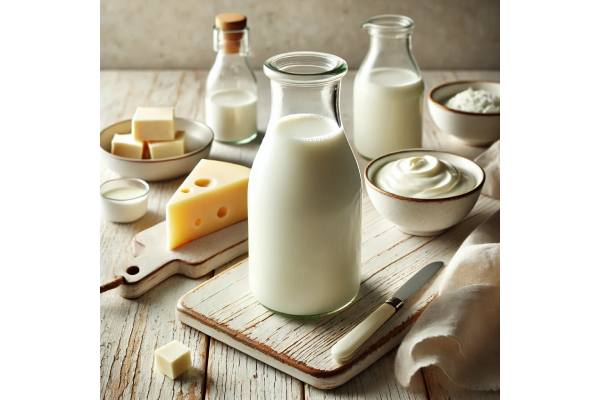
Donkey milk has reappeared in modern diets after centuries of niche use. Its mild, slightly sweet taste and very low fat content set it apart from common ruminant milks. It is naturally rich in lactose, provides modest protein, and supplies distinctive bioactive proteins—especially lysozyme—that shape both flavor and functionality. Culinary-wise, donkey milk behaves more like mare or human milk than cow’s: it is light, less creamy, and better suited to drinking, cultured products, frozen desserts, and delicate sauces than to cheesemaking. Health interest often centers on its digestibility, lower casein proportion, and the presence of antimicrobial components. At the same time, it remains a true mammalian milk: it contains milk proteins that can trigger allergy in susceptible people and requires pasteurization and cold handling just like other fresh dairy. This guide brings together what matters most—nutrition numbers you can use, potential benefits and limitations, how to choose and store it safely, and ways to cook with donkey milk while preserving its quality.
At a Glance
- Typically 45–55 kcal per 100 g with ~1.5–2.0 g protein, ~1.0–1.3 g fat, and ~6.0–6.5 g lactose.
- Safety first: use pasteurized donkey milk; keep at ≤4°C and discard if left out for 2 hours.
- A practical serving is 200 ml (about 200 g), up to several times per week as part of a balanced diet.
- People who should limit or avoid: those with cow’s-milk allergy (cross-reactivity occurs), infants without medical oversight, and anyone advised to avoid unpasteurized dairy.
Table of Contents
- Donkey Milk: Detailed Overview
- Donkey Milk Nutrition Profile (Per 100 g)
- Evidence-Based Health Benefits
- Risks, Allergies and Interactions
- Selecting, Quality, Sustainability and Storage
- Preparation, Cooking and Nutrient Retention
- Portions, Comparisons and FAQs
Donkey Milk: Detailed Overview
Donkey milk (Equus asinus) is a low-fat, high-lactose milk with a protein pattern dominated by whey proteins and a lower proportion of caseins than cow’s milk. That composition influences digestibility, taste, and kitchen behavior. With only about one third to one half the fat of cow’s milk, donkey milk feels lighter on the palate and in the stomach, and its sweetness comes primarily from lactose rather than added sugar.
How it is produced
Most commercial donkey milk comes from small dairies. Yields per animal are modest and highly dependent on breed, stage of lactation, diet, and handling. Because volumes are small, products are often sold frozen or UHT pasteurized to extend shelf life. Pasteurization (or validated heat steps) is essential for food safety.
What makes it different nutritionally
Compared with cow’s milk, donkey milk typically contains: less fat (≈0.5–1.3 g/100 g vs 3.2–3.8 g/100 g), less protein (≈1.4–2.0 g/100 g vs 3.2–3.6 g/100 g), and more lactose (≈5.8–6.5 g/100 g vs 4.6–4.9 g/100 g). Its mineral pattern usually shows potassium as the most abundant element, with calcium present at levels lower than cow’s milk but generally higher than human milk. Notably, donkey milk supplies measurable selenium and vitamin C relative to other dairy species.
Bioactive profile in plain terms
Two proteins stand out. Lysozyme, an enzyme that can disrupt bacterial cell walls, is present in donkey milk at much higher levels than in ruminant milks. Lactoferrin, an iron-binding glycoprotein with antimicrobial and immune-modulating roles, is present at intermediate levels—typically below human milk but above cow’s. These molecules influence shelf life, flavor, and possibly tolerance for some consumers, yet they do not sterilize milk or eliminate the need for pasteurization and clean handling.
Culinary characteristics
Donkey milk’s low fat and modest casein limit curd formation and yield; it is not ideal for hard cheeses. It excels in fresh drinking milk, yogurt-like cultured beverages (when properly formulated), panna cotta, puddings, light custards, smoothies, iced lattes, and gelato/sorbet hybrids where freshness and subtle dairy sweetness matter more than creaminess. In savory cooking, it lightens béchamel or blended soups, but it will not thicken or emulsify like cream.
Bottom line
Use donkey milk where you want clean dairy flavor and lightness. Respect cold-chain discipline, and treat it as you would any fresh, high-moisture milk regarding safety and storage.
Donkey Milk Nutrition Profile (Per 100 g)
Values below summarize typical pasteurized donkey milk. Natural variation occurs by breed, feed, and lactation stage. % Daily Value (%DV) uses adult reference DVs.
Macros & Electrolytes
| Nutrient | Amount (per 100 g) | %DV |
|---|---|---|
| Energy | ~47 kcal | — |
| Water | ~90.5 g | — |
| Protein | ~1.7 g | 3% |
| Total Fat | ~1.2 g | 2% |
| Saturated Fat | ~0.5 g | 3% |
| Monounsaturated Fat | ~0.4 g | — |
| Polyunsaturated Fat | ~0.1 g | — |
| Cholesterol | ~8.6 mg | — |
| Total Carbohydrate | ~6.3 g | 2% |
| Total Sugars (mostly lactose) | ~5.9 g | — |
| Dietary Fiber | 0 g | 0% |
| Sodium | ~14 mg | 1% |
| Potassium | ~47 mg | 1% |
Carbohydrates
| Component | Amount |
|---|---|
| Lactose | ~5.8–6.5 g |
| Starch | 0 g |
| Added Sugars | 0 g |
Fats & Fatty Acids (selected)
| Component | Amount |
|---|---|
| Saturated Fat (total) | ~0.5 g |
| Monounsaturated Fat (total) | ~0.4 g |
| Polyunsaturated Fat (total) | ~0.1 g |
| Trans Fat | 0 g (naturally negligible) |
Protein & Amino Acids (selected)
| Component | Amount |
|---|---|
| Protein (total) | ~1.7 g |
| Whey fraction | Higher than casein (species-typical) |
| Casein fraction | Lower than in cow’s milk |
Vitamins
| Vitamin | Amount (per 100 g) | %DV |
|---|---|---|
| Vitamin C | ~5.7 mg | 6% |
| Riboflavin (Vitamin B2) | Small amounts (variable) | — |
| Vitamin A, D, E, K | Trace to low (variable) | — |
Minerals
| Mineral | Amount (per 100 g) | %DV |
|---|---|---|
| Calcium | ~69 mg | 5% |
| Phosphorus | ~41 mg | 3% |
| Magnesium | ~7 mg | 2% |
| Potassium | ~47 mg | 1% |
| Sodium | ~14 mg | 1% |
| Selenium | ~10.7 µg | 19% |
Bioactives / Phytonutrients
| Compound | Typical Content | Notes |
|---|---|---|
| Lysozyme | ~1.0 g/L (≈100 mg/100 g) | Enzyme with antimicrobial activity; heat-stable relative to many milk proteins. |
| Lactoferrin | Tens to low hundreds mg/L | Iron-binding glycoprotein; levels vary by breed and lactation stage. |
Allergens & Intolerance Markers
- Contains milk proteins (whey and caseins) capable of triggering IgE-mediated allergy in susceptible individuals.
- Lactose content is relatively high per volume; those with lactose intolerance may need to limit serving size.
Glycemic & Acid–Base Metrics
| Metric | Value |
|---|---|
| Estimated Glycemic Load (GL) per 100 g | ≈3 (from ~6.3 g lactose, GI ~46) |
| PRAL (acid load) | Low to moderate (species-typical for fresh milk) |
Notes: Values are representative midpoints from recent analytical studies of pasteurized donkey milk. Brand- and batch-specific labels may differ.
Evidence-Based Health Benefits
Digestibility and tolerance in some individuals
Donkey milk’s protein pattern features a higher whey-to-casein ratio than cow’s milk, with comparatively less αs1-casein. In practice, many people report that donkey milk feels lighter and digests more easily than richer ruminant milks. In clinical and observational reports, a substantial subset of children with cow’s-milk protein allergy (CMA) tolerate donkey milk when medically supervised and when products are heat-treated and formulated appropriately. Tolerance is not universal, though, and allergy testing plus dietitian oversight are essential for infants and children.
A naturally low-fat, lower-calorie dairy option
Per 100 g, donkey milk typically provides around 47 kcal with roughly 1.2 g fat. That can be useful for people seeking a light dairy beverage or a base for smoothies and hot drinks without the creamy heft of cow’s milk. For those monitoring saturated fat, donkey milk’s saturated fat per cup is a fraction of whole cow’s milk. Pairing it with nuts, seeds, or olive oil elsewhere in the day helps keep the overall fat pattern heart-friendly.
Bioactive proteins with antimicrobial properties
Lysozyme and lactoferrin contribute to donkey milk’s distinctive profile. Lysozyme levels are markedly higher than in cow’s milk, and in lab settings, donkey milk and its fractions have shown activity against selected bacteria. These proteins are part of milk’s natural defense system; they may affect flavor stability and could support a favorable microbiological profile when good hygiene and heat processing are in place. They are not a substitute for pasteurization, and their presence does not make raw milk safe.
Micronutrients of interest
Donkey milk contributes modest calcium and phosphorus and, notably, meaningful selenium for the volume consumed. It also contains vitamin C at levels closer to human milk than to cow’s milk. In meals where fruit or vegetables are lower than ideal, these nutrients marginally support antioxidant defenses and mineral intake.
Where donkey milk fits best
As a people-first strategy, think of donkey milk as a light dairy alternative in beverages, breakfast bowls, and desserts where freshness and sweetness matter more than creaminess. It pairs well with high-fiber foods (oats, whole-grain toast, berries) and with unsaturated fat sources (nuts, seeds, olive oil) to anchor overall dietary quality. For children and adults without dairy allergy who prefer lighter dairy, it can add variety; for those with CMA, any trial must be clinician-directed.
In summary
The main advantages are palatability, lightness, and unique bioactives; the main caveats are variability, cost, limited availability, and the need for strict safety practices identical to other fresh milks.
Risks, Allergies and Interactions
Allergy and cross-reactivity
Donkey milk contains milk proteins capable of causing IgE-mediated reactions. Case reports document allergic reactions—including to lysozyme itself—in sensitized individuals. Cross-reactivity with cow’s-milk proteins can occur; tolerance rates reported in small series are not guarantees for individuals. Children with suspected or confirmed CMA require specialist evaluation, and any use of donkey milk in infancy should be dietitian-led with medically appropriate formulas when needed.
Raw milk hazards
Like other raw milks, raw donkey milk can harbor pathogens. The antimicrobial components of donkey milk do not eliminate risk. Pasteurization or validated heat treatment is essential, especially for infants, pregnant individuals, older adults, and immunocompromised people. Treat donkey milk exactly like other fresh dairy: buy pasteurized, keep it cold, and discard any milk left at room temperature for more than 2 hours (1 hour in hot conditions).
Lactose intolerance
Because donkey milk’s lactose content is relatively high per volume, individuals with lactose intolerance may experience symptoms if portions are large or consumed on an empty stomach. Strategies include smaller servings, pairing with meals, or selecting low-lactose dairy alternatives when needed.
Medication and condition considerations
- Low-tyramine profile: as a fresh milk with minimal aging, donkey milk is generally low in biogenic amines compared with aged cheeses.
- For people with fat malabsorption, donkey milk’s low fat may be more comfortable, but that does not address lactose-related symptoms.
- For those on mineral-restricted diets (e.g., severe kidney disease), donkey milk contributes modest potassium and phosphorus; portion control remains key.
Quality variability and adulteration risk
Because donkey dairies are small and geographically scattered, quality systems vary. Purchase from producers with transparent safety testing and clear pasteurization labels. Beware of mislabeled or adulterated products; reputable suppliers provide batch numbers and storage guidance.
Bottom line on safety
Choose pasteurized products, maintain the cold chain, watch for allergy, and right-size portions if lactose is an issue. These steps mitigate the principal risks and allow you to evaluate whether donkey milk suits your needs.
Selecting, Quality, Sustainability and Storage
How to select thoughtfully
- Label cues: look for “pasteurized” (or safe heat-treatment language), production date, and a use-by date.
- Ingredient list: pure donkey milk and added vitamin D (if fortified) are typical; avoid products with added sugars if you want the naturally light profile.
- Packaging: opaque, well-sealed cartons or bottles protect vitamin C and flavor from light; frozen formats are common due to limited supply.
- Provenance: small dairies often share details about breed and feed; consistency and hygiene matter more than breed claims.
Quality markers at home
- Appearance: opaque white, uniform. Separation is uncommon; gentle inversion can re-homogenize slight layering in minimally processed milks.
- Aroma and taste: fresh, slightly sweet; off-odors (sour, yeasty) indicate spoilage.
- Texture: lightweight, not creamy; the mouthfeel sits between skim cow’s milk and diluted evaporated milk.
Sustainability considerations
- Yield and land use: donkeys produce less milk per animal than cows or goats, which influences price and availability. On the other hand, donkeys are hardy, can utilize marginal lands, and often require fewer inputs.
- Transport and energy: frozen distribution adds energy cost; choose local producers where possible.
- Food waste: small containers reduce waste; plan how you will use an opened bottle within the safe window.
Storage and shelf life
- Refrigeration: keep at ≤4°C (≤40°F). Once opened, aim to finish within 3–5 days for pasteurized fresh milk.
- Freezing: acceptable; expect slight changes in flavor and possible light precipitation of proteins after thawing. Thaw in the refrigerator; shake well before use.
- Light protection: store away from direct light to protect vitamin C and subtle flavors.
- Clean handling: pour what you need into a clean cup rather than drinking from the bottle; recap promptly.
Buying formats and forms
- Fresh pasteurized: closest to natural flavor; shortest shelf life.
- UHT: extended shelf life; slightly cooked flavor; ideal for pantry storage.
- Powder: convenient and stable; check that reconstitution instructions target safe solids and that the product is intended for beverage use (not only cosmetics).
- Fermented: cultured drinks may add probiotics; ensure products are pasteurized before fermentation or use controlled starter cultures.
Preparation, Cooking and Nutrient Retention
Best uses in the kitchen
- Direct drinking: chilled, it offers a clean, faintly sweet taste.
- Smoothies: combine with fruit, oats, or nut butter for body; its lactose lifts sweetness without added sugars.
- Light desserts: panna cotta, rice pudding, semolina puddings, and gelato-style ices benefit from donkey milk’s delicate profile.
- Savory applications: whisk into puréed vegetable soups, thin béchamel for baked vegetables, or use as the liquid for quick polenta when you prefer a lighter finish.
Heat handling tips
- Gentle heat preserves texture and vitamin C better than vigorous boiling. Warm slowly and avoid prolonged simmering.
- For sauces, start with a roux or starch slurry to support emulsion and prevent “thin” results—the low fat means it behaves more like skim milk.
- Acid considerations: when adding citrus or wine, integrate off heat and buffer with a little starch or fat if curdling is a risk.
Retaining nutrients
- Vitamin C is light and heat sensitive. Keep milk cold, minimize light exposure, and add it late in cooking when possible.
- Minerals and proteins are relatively stable; the main quality losses are flavor and a slight cooked note after high-heat processing.
How to substitute in recipes
- For drinking or cold uses, donkey milk can often substitute one-for-one for low-fat cow’s milk; expect a sweeter taste.
- For baked goods, pair donkey milk with a little extra fat (butter or oil) to replicate tenderness achieved by higher-fat milks.
- For yogurt-style products, choose commercial fermented versions designed for donkey milk or use proven starter cultures and recipes—its low casein content requires careful formulation.
Food safety when cooking
- Start with pasteurized milk.
- Keep hot dishes with milk above 60°C (140°F) until served; cool leftovers quickly and refrigerate.
- Reheat to steaming hot; avoid repeated heating and cooling cycles that encourage microbial growth.
Portions, Comparisons and FAQs
Smart portioning
A practical serving is about 200 ml (≈200 g). That delivers roughly 90–110 kcal, ~3–4 g protein, ~2–3 g fat, and ~12–13 g lactose. Frequency can be several times per week depending on your overall dietary pattern, budget, and goals. If you are sensitive to lactose, try smaller servings (100–150 ml) with meals and assess comfort.
How donkey milk compares (per 100 g, typical values)
- Donkey milk: ~47 kcal; ~1.7 g protein; ~1.2 g fat; ~6.3 g carbs (mostly lactose); calcium ~69 mg.
- Cow’s milk (whole): ~61–64 kcal; ~3.2 g protein; ~3.4 g fat; ~4.8 g carbs; calcium ~120–130 mg.
- Goat’s milk (whole): ~69 kcal; ~3.6 g protein; ~3.7 g fat; ~4.5 g carbs; calcium ~130 mg.
- Plant milks: vary widely; many are fortified with calcium and vitamin D—read labels for protein and added sugars.
Who might consider donkey milk
- People who prefer a light, low-fat dairy flavor in beverages and desserts.
- Those exploring alternatives due to taste or culinary needs rather than seeking high protein or calcium.
- Select patients with CMA under medical supervision and only with pasteurized products designed for infant or pediatric use.
Frequently asked questions
- Is donkey milk lactose-free? No. It is relatively high in lactose; consider portion control if you are lactose intolerant.
- Does it contain probiotics? Plain pasteurized milk does not; only cultured products contain live microbes, and strains vary.
- Is it suitable for cheesemaking? Generally poor yields due to low casein and fat; fresh, acid-set cheeses are possible but uncommon.
- Can I give it to infants? Not without clinical oversight. For infants with CMA, clinicians usually recommend hypoallergenic formulas; donkey milk, if used, must be part of a supervised plan.
Practical shopping checklist
- Pasteurized?
- Storage: fresh, UHT, or frozen?
- Label clarity: nutrition facts, best-before date, batch code
- Producer transparency: hygiene, testing, and handling guidelines
References
- Milk from Halari Donkey Breed: Nutritional Analysis, Vitamins, Minerals, and Amino Acids Profiling 2023.
- Vitamins in Human and Donkey Milk 2021.
- Characterisation of Zamorano-Leonese Donkey Milk as an Alternative Food 2022.
- Potential Hazards Associated with Raw Donkey Milk: A Review 2019.
- Current Guidelines and Future Strategies for the Management of Cow’s Milk Allergy 2021.
Disclaimer
This article is educational and is not a substitute for personalized medical advice, diagnosis, or treatment. Always consult a qualified healthcare professional—especially for infants and children, during pregnancy, or if you have food allergy, lactose intolerance, or immune compromise—before introducing donkey milk or changing your diet. If you found this guide helpful, please consider sharing it on Facebook, X, or your preferred platform to support our work in creating clear, evidence-based nutrition content.