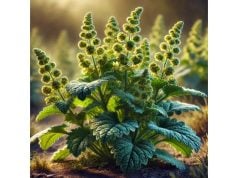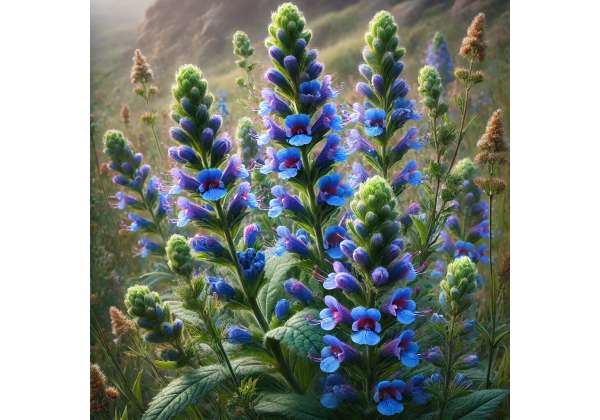
Dragonhead (Dracocephalum spp.) is a medicinal herb group in the mint family that includes several species used across Eurasia, especially Moldavian dragonhead (Dracocephalum moldavica) and Dracocephalum kotschyi. It is valued for its aromatic aerial parts, polyphenol-rich extracts, and long traditional use in digestive, respiratory, and topical herbal care. What makes Dragonhead especially interesting is that the evidence is split: modern research strongly supports its rich phytochemistry and promising lab activity, while human clinical evidence is still limited and species-specific. That means Dragonhead can be a useful herb to learn about, but it should be used with more precision than many online guides suggest. In this article, you will find a practical, evidence-aware overview of the genus, its key compounds, realistic health benefits, how to use different forms, what dosage numbers actually mean, and where safety decisions matter most.
Quick Overview
- Dragonhead species are rich in polyphenols, especially rosmarinic acid and flavonoid compounds linked to antioxidant and anti-inflammatory activity.
- Human evidence is limited, but one clinical trial in D. kotschyi used 75 mg extract capsules three times daily for 4 weeks for IBS symptoms.
- A 90-day rat safety study on a standardized D. moldavica extract tested 250 to 1000 mg/kg bw/day, which should not be used as a human self-dose.
- Avoid essential oil internal use unless supervised, and stop use if rash, stomach upset, or worsening symptoms occur.
- People who are pregnant, breastfeeding, using multiple prescription medicines, or preparing for surgery should avoid self-prescribing Dragonhead extracts.
Table of Contents
- What is Dragonhead and which species matter
- Dragonhead key ingredients and actives
- Does Dragonhead help with anything
- How to use Dragonhead
- How much Dragonhead per day
- Dragonhead side effects and who should avoid it
- What the evidence actually says
What is Dragonhead and which species matter
Dragonhead is not a single herb. It is a genus of plants, Dracocephalum, in the Lamiaceae family, the same broad family that includes mint, sage, and rosemary. That family link matters because Dragonhead species often share the aromatic character and polyphenol-rich chemistry people associate with other medicinal mints. In traditional medicine systems across parts of Europe and Asia, different Dracocephalum species have been used for digestion, colds, fever, wound care, headaches, and general weakness.
The first practical point for readers is species identification. “Dragonhead” on a label may refer to very different plants depending on region and product type. The two species most often discussed in modern herbal and research contexts are:
- Dracocephalum moldavica (Moldavian dragonhead), widely used in traditional medicine and increasingly studied for extracts, food applications, and cosmetic ingredients.
- Dracocephalum kotschyi, an Iranian species with a strong traditional reputation and one of the better-known human clinical trials in the genus.
Other species such as D. heterophyllum, D. foetidum, D. subcapitatum, and D. polychaetum also appear in ethnomedicine and pharmacology literature. This broad use is one reason the genus attracts interest. It is not just one herb with one folk claim. It is a medicinal plant group with repeated use patterns across cultures.
At the same time, species-level differences are important. Some articles mix findings from one species and apply them to all Dragonhead products. That can be misleading. A tea made from aerial parts, an essential oil, a hydroalcoholic extract, and a standardized powdered extract may all come from the same genus, but they are not chemically identical. Benefits, potency, and tolerability can differ by species, harvest conditions, and extraction method.
A second point people often miss is that Dragonhead is used in both health and culinary contexts. Some species are added to tea blends, yogurt, or foods for aroma and taste, while others are used more directly in traditional remedies. That overlap can make the herb feel automatically safe, but culinary use does not guarantee that concentrated extracts are suitable for everyone.
If you want to use Dragonhead in a practical way, start with three label checks:
- The full botanical name (not just “Dragonhead”).
- The plant part used (aerial parts, essential oil, or extract).
- The extract type or standardization details, if any.
Those three details will tell you far more about a product than a long list of marketing claims.
Dragonhead key ingredients and actives
Dragonhead’s medicinal potential comes from a complex mix of phytochemicals, not one “magic” ingredient. Across the genus, researchers have identified a very large number of bioactive compounds, with phenolic compounds standing out as the most important group for likely health effects. This is why Dragonhead is usually discussed in relation to antioxidant, anti-inflammatory, and antimicrobial activity.
A useful way to understand Dragonhead chemistry is to focus on the main compound families.
Phenolic acids
Phenolic acids are central to Dracocephalum species. The best-known example is rosmarinic acid, a compound widely distributed in the mint family and repeatedly reported in Dragonhead species, including D. moldavica and D. kotschyi. Rosmarinic acid is often used as a marker of quality in research extracts because it is both chemically measurable and biologically relevant.
In practical terms, rosmarinic acid is one reason Dragonhead extracts are often studied for:
- Oxidative stress modulation.
- Inflammation-related pathways.
- Antimicrobial and membrane-level effects in lab models.
Flavonoids and flavonoid glycosides
Flavonoids are the other major category. Dracocephalum species contain many flavones and their glycosides, including compounds related to:
- Luteolin
- Apigenin
- Diosmetin
- Acacetin
A commonly discussed flavonoid glycoside in Dragonhead literature is tilianin (acacetin-7-O-glucoside), especially in D. moldavica and other species. These compounds are often linked to anti-inflammatory and vascular-protective research interest, though most evidence remains preclinical.
Essential oil components and aromatics
Some Dragonhead species also contain volatile compounds in their essential oils, which contribute to aroma and may add antimicrobial activity. However, essential oil composition can vary a lot by geography and growing conditions. That variability is one reason whole-herb tea and concentrated essential oil should never be treated as interchangeable.
What the numbers tell us
Modern reviews on the genus describe hundreds of identified metabolites, and species-specific reviews of D. moldavica note a large compound diversity in the aerial parts. In one cultivar-based analysis of D. moldavica extracts, rosmarinic acid was reported as a major measured polyphenol, which helps explain why this herb repeatedly shows antioxidant activity in lab testing.
For consumers, the key insight is simple: Dragonhead products work, if they work at all, because of a polyphenol profile, not because of one isolated ingredient. That means product quality depends on species, harvest, extraction, and standardization. A well-labeled extract with a known marker compound is much more predictable than a generic “dragonhead powder” listing no details.
Does Dragonhead help with anything
Yes, Dragonhead appears to help in some contexts, but the best answer depends on whether you mean traditional use, laboratory evidence, or human clinical benefit. Those are different levels of evidence, and Dragonhead is a good example of why that distinction matters.
Traditional uses that show a consistent pattern
Across Dracocephalum species, traditional uses cluster around a few themes:
- Digestive complaints, including stomach discomfort and bowel symptoms.
- Respiratory and cold-related support.
- Fever and headache support.
- Topical or wound-related folk uses in some regions.
- General weakness or recovery support.
This repeated pattern across regions is meaningful. It suggests Dragonhead was not a niche remedy used once in one place. It has a broad ethnomedicinal footprint, which often signals a plant worth studying in more detail.
Modern findings that look promising
Preclinical research on Dragonhead species supports several biological activities:
- Antioxidant activity
- Anti-inflammatory effects
- Antimicrobial effects
- Potential metabolic and cardioprotective effects in animal or mechanistic models
- Antispasmodic activity in some species-level studies
These findings fit the chemistry. Polyphenol-rich plants frequently show this profile in lab work, and Dragonhead is no exception.
Where human evidence is strongest right now
Human evidence is still limited, but one area stands out: D. kotschyi and IBS symptoms. A double-blind randomized clinical trial in diarrhea-predominant IBS used a dried extract capsule and found improvements in symptom severity and quality of life measures over the treatment period. This does not prove all Dragonhead products help digestion, but it is an important signal because it is a real controlled trial in people.
Realistic outcomes versus hype
What is realistic:
- Dragonhead may be a useful adjunct herb for mild digestive support, especially when used in a standardized product and matched to the right species.
- It may provide gentle support in wellness formulas aimed at inflammation or oxidative stress.
- It has credible research value for future topical, digestive, and metabolic applications.
What is not realistic:
- Treating serious infections, autoimmune disease, or cancer on your own with Dragonhead.
- Assuming a tea, an essential oil, and a concentrated extract produce the same effects.
- Taking one positive study in D. kotschyi and applying it to every Dracocephalum supplement.
The main advantage of Dragonhead is not that it is a cure-all. Its real advantage is that it is a chemically rich, traditionally grounded herb genus with early human evidence in one species and strong preclinical rationale for further use. That makes it interesting, but still a herb that should be used with clear expectations.
How to use Dragonhead
The best way to use Dragonhead depends on the species and the product form. Most practical use falls into four categories: whole herb, tea or infusion, extract capsules, and topical or cosmetic formulations. The mistake to avoid is treating all of these as equivalent.
Common forms of Dragonhead products
- Dried aerial parts
These are used for teas, infusions, and sometimes culinary applications. This is the most traditional format and often the gentlest entry point. - Hydroalcoholic or dry extracts
These are used in capsules or tablets. They are more concentrated and are the main form used in some research settings. - Essential oil
This form is highly concentrated and chemically different from a tea or whole-herb extract. It should be treated as a specialized product, not a general wellness herb. - Standardized powdered extracts
These are increasingly used in food, nutraceutical, and cosmetic applications. They may be more predictable when the label includes marker compounds or extract specifications.
Practical use by goal
For general digestive or calming herbal use
A tea made from the aerial parts is often the most conservative option. This aligns with traditional use patterns and tends to be easier to tolerate than concentrated extracts.
For targeted supplement use
Choose a capsule only if the label clearly identifies:
- Species name (for example, D. moldavica or D. kotschyi).
- Extract type (water extract, hydroalcoholic extract, dry extract).
- Standardization marker, if available.
For skin or cosmetic use
Use products made for skin, not raw herbal powders or essential oils meant for diffusers. Cosmetic Dragonhead extracts are increasingly used in skin formulations, but the base ingredients still matter for tolerability.
A practical quality checklist
Before buying or using any Dragonhead product, check:
- Botanical identity is listed in Latin.
- Plant part is specified.
- Route of use is clear (oral, topical, aromatic).
- Concentration or extract ratio is given.
- Batch or manufacturer details are present.
Common mistakes to avoid
- Using essential oil internally without professional guidance.
- Buying a product labeled only “dragonhead” with no species name.
- Mixing Dragonhead with many other concentrated herbs at the same time.
- Using it to delay medical care for persistent bowel symptoms, fever, or infection signs.
- Assuming “natural” means safe for pregnancy or chronic medication use.
Dragonhead works best when it is used as a matched herb: the right species, the right form, and the right goal. If you use it that way, it is much easier to judge whether it is helping and much less likely you will run into avoidable side effects.
How much Dragonhead per day
There is no single standardized daily dose for Dragonhead (Dracocephalum spp.), and that is the most important dosing point to understand. Dosing depends on the species, extract type, strength, and goal. Most online “one-size-fits-all” dose advice ignores this and can be misleading.
Human dosing data that is actually published
For D. kotschyi, one randomized IBS trial used a capsule containing:
- 75 mg of dry extract per capsule
- Taken three times daily
- Before breakfast, lunch, and dinner
- For 4 weeks (with follow-up after stopping)
That gives a total of 225 mg dry extract per day in that specific clinical study. This is a useful reference point, but it should not automatically be treated as a universal Dragonhead dose. It reflects one species, one extract, one condition, and one protocol.
A newer safety-focused paper on a standardized D. moldavica extract also mentions a separate human study using 100 mg/day for 12 weeks in a cosmetic context, with good tolerability. That is helpful as a tolerability example, but it is still a specific branded extract and not a general dose rule for the genus.
Animal doses are not self-use doses
You may also see high dose ranges in safety papers. For example, a 90-day rat study on a powdered aqueous D. moldavica extract tested:
- 250 mg/kg bw/day
- 500 mg/kg bw/day
- 1000 mg/kg bw/day
The study reported no major toxic effects at those levels in that animal model and identified a NOAEL at the highest tested dose. These are valuable safety data, but they are not instructions for human use.
Practical dosing approach for consumers
If you are using Dragonhead outside a research setting, use this framework:
- Start with the product label
The label should guide dose for that exact extract or tea product. - Use the lowest effective amount
More is not automatically better with polyphenol-rich herbs. - One form at a time
Do not combine tea, capsules, and essential oil use at the same time when first testing tolerance. - Set a time window
Use for a defined period, then reassess symptoms. - Stop if symptoms worsen
Persistent digestive pain, blood in stool, fever, or prolonged diarrhea needs medical evaluation.
For most users, the safest dosing strategy is not “maximum tolerated.” It is specific, low, and monitored. Dragonhead can be useful, but the right dose is the one that matches the exact product and the actual reason you are taking it.
Dragonhead side effects and who should avoid it
Dragonhead is often described as well tolerated, but the safety profile is still incomplete for many species and many product types. A recent genus review makes this clear: toxicity data are still limited, and much of the literature focuses on cell studies and animal experiments rather than robust human safety trials. That does not mean Dragonhead is unsafe. It means the safest approach is a cautious one.
Likely side effects
Side effects depend on the product form.
Tea or whole-herb use
Most issues are mild, such as:
- Stomach upset
- Nausea
- Bitter aftertaste
- Mild headache in sensitive users
These effects are more likely if the tea is very strong or taken on an empty stomach.
Extract capsules
Concentrated extracts may increase the chance of:
- Digestive discomfort
- Loose stools
- Heartburn
- Mild dizziness or sensitivity reactions
The risk is usually higher when products are poorly labeled or combined with other supplements.
Essential oil and concentrated topical products
Essential oils and fragranced topicals can cause:
- Skin irritation
- Burning or stinging
- Allergic rash
- Eye irritation if handled poorly
This is one reason essential oil should not be treated like a tea extract.
Who should avoid self-prescribing Dragonhead
Avoid unsupervised use, especially extracts, if you are:
- Pregnant or breastfeeding
- Giving it to a child
- Managing a chronic liver or kidney condition
- Using multiple prescription medicines
- Preparing for surgery or a dental procedure
- Trying to treat severe bowel symptoms without a diagnosis
These cautions are based on a combination of limited direct safety evidence and standard herbal risk management. The issue is not that Dragonhead is known to be dangerous in these groups. The issue is that the data are not strong enough to assume safety.
A note on interaction risk
Direct interaction studies are limited. Still, caution is reasonable because Dragonhead extracts contain active polyphenols and, in some products, volatile compounds. If you take medicines for:
- Digestive disorders
- Blood pressure
- Mood or sleep
- Blood thinning or clotting
it is smart to review the herb with a clinician or pharmacist first.
When to stop and get help
Stop Dragonhead and seek medical care if you notice:
- Persistent vomiting or severe diarrhea
- Rash, swelling, or breathing symptoms
- Blood in stool
- Severe abdominal pain
- Fever or dehydration symptoms
Dragonhead is best used as a supportive herb, not as a substitute for diagnosis. Safety improves a lot when people use the right product for a mild problem and stop early if the pattern changes.
What the evidence actually says
The evidence on Dragonhead is encouraging, but it is not uniform. Some parts of the science are already strong, while others are still early. Understanding that split helps you use the herb wisely and avoid overclaiming.
Where the evidence is strong
1) Phytochemistry
This is the strongest area. Dragonhead species have been studied extensively for polyphenols and related metabolites. Reviews now describe large numbers of identified compounds and repeated patterns across species, especially phenolic acids and flavonoids. This gives Dragonhead a solid biochemical foundation for why it may have medicinal effects.
2) Preclinical activity
In vitro and animal studies consistently support:
- Antioxidant activity
- Anti-inflammatory effects
- Antimicrobial effects
- Some metabolic and organ-protective signals, depending on species and model
These findings are not proof of clinical efficacy, but they are coherent and species-relevant.
3) Early safety data for some extracts
A 90-day repeated-dose rat safety study on a standardized D. moldavica extract provides a stronger toxicology baseline than many herbs have. That improves confidence for future clinical work, especially for well-defined extracts.
Where the evidence is still weak
1) Human trials
Human clinical evidence remains thin. The D. kotschyi IBS trial is valuable, but one trial does not establish broad effectiveness across the genus.
2) Product standardization
Many commercial products do not clearly state species, extract ratio, or marker compounds. Without that, even good research is hard to apply to real-world buying decisions.
3) Species mixing
A common problem in herbal writing is combining data from D. moldavica, D. kotschyi, and other Dracocephalum species as if they are the same. They are related, but they are not identical.
4) Long-term safety and interactions
There is still a shortage of well-designed human studies on long-term use, drug interactions, and use in pregnancy, children, and older adults with multiple conditions.
The best evidence-based conclusion
Dragonhead is a promising medicinal herb genus, not an evidence-complete one. It has:
- Strong traditional credibility
- Strong phytochemical support
- Good preclinical signals
- Limited but meaningful human evidence in at least one species
That makes Dragonhead a sensible herb to consider for supportive use, especially when the product is well identified and your goal is modest and realistic. It also means claims should stay grounded. The smartest way to use Dragonhead today is to combine traditional wisdom with modern caution: choose the right species, use a clear product, keep dosing conservative, and pay attention to how your body responds.
References
- A Comprehensive Review of the Phenolic Compounds in Dracocephalum Genus (Lamiaceae) Related to Traditional Uses of the Species and Their Biological Activities – PMC 2025 (Review) ([PMC][1])
- Dracocephalum moldavica L.: An updated comprehensive review of its botany, traditional uses, phytochemistry, pharmacology, and application aspects – PubMed 2024 (Review) ([PubMed][2])
- A double-blind randomized clinical trial of Dracocephalum kotschyi Boiss. in the patients with diarrhea-predominant irritable bowel syndrome – PMC 2022 (RCT) ([PMC][3])
- Evaluation of the Cytotoxic, Antioxidative and Antimicrobial Effects of Dracocephalum moldavica L. Cultivars – PMC 2023 (In Vitro Study) ([PMC][4])
- An Evaluation of Genotoxicity and 90‐Day Repeated‐Dose Oral Toxicity in Rats of DracoBelle Nu sd – PMC 2025 (Toxicology Study) ([PMC][5])
Disclaimer
This article is for educational purposes only and is not medical advice. Dragonhead (Dracocephalum spp.) includes multiple species, and products vary widely in composition, potency, and quality. Many health claims are based on traditional use or laboratory studies, and only a limited number of human trials are available. Do not use this information to diagnose, treat, or replace professional care. Speak with a qualified clinician before using Dragonhead extracts if you are pregnant, breastfeeding, taking prescription medicines, or managing a chronic health condition.
If this guide helped you, please share it on Facebook, X, or your preferred platform to help others use Dragonhead more safely and with better expectations.