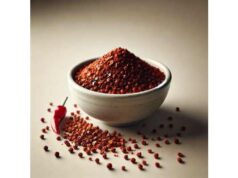
Dried orange peel turns a commonly discarded byproduct into a flavorful, nutrient-dense ingredient. When the bright outer zest of the orange is carefully dried and sometimes gently ground, the result is a versatile seasoning that concentrates much of the fruit’s aroma, fiber, and plant compounds. Small amounts can lift sweet and savory dishes, add depth to herbal teas, and bring citrus notes to spice blends without extra sugar or liquid.
Beyond taste, dried orange peel contains notable levels of vitamin C, pectin, and citrus flavonoids, as well as essential oils such as limonene. These compounds have been studied for potential roles in supporting metabolic health, gut function, and antioxidant defenses. At the same time, drying and concentrating the peel raises reasonable questions about pesticide residues, sensitivities, and safe intake levels. This guide explains what dried orange peel really offers, how to choose and use it wisely, and when a more cautious approach is appropriate.
Orange Peel Essential Insights
- Dried orange peel is rich in dietary fiber, vitamin C, and citrus flavonoids, providing concentrated nutrients in very small portions.
- Regular culinary use may support gut health, metabolic markers, and antioxidant capacity as part of an overall plant-forward diet.
- A practical everyday serving is about ½–1 teaspoon (1–3 g) of dried orange peel, used in foods or infusions several times per week.
- High-dose powders, extracts, or essential oils from orange peel can trigger digestive upset and light-sensitive skin reactions in susceptible people.
- Individuals with citrus allergies, a history of photosensitive rashes, or complex medication regimens should avoid unsupervised high-dose orange peel supplements.
Table of Contents
- Dried Orange Peel Background and Uses
- Dried Orange Peel Nutrition and Key Phytochemicals
- Evidence Based Benefits of Dried Orange Peel
- Allergy Risks, Sensitivities and Drug Interactions
- Choosing Dried Orange Peel, Quality and Storage
- Using Dried Orange Peel in Cooking and Protecting Nutrients
- Dried Orange Peel Serving Sizes, Comparisons and Questions
Dried Orange Peel Background and Uses
Oranges have been valued for centuries as refreshing fruits and sources of vitamin C, yet their peels were often seen as waste. Over time, cooks, herbalists, and food producers realized that the peel contains much of the orange’s aroma and a significant share of its bioactive compounds. Drying the peel makes it storable, portable, and easy to incorporate into a wide range of preparations.
Dried orange peel is usually made from the colored outer layer of the peel (the zest) of sweet oranges. This outer layer holds tiny oil glands that are rich in essential oils, giving off a warm, sweet, and slightly floral fragrance. Some products also include a portion of the white pith, which adds fiber and flavonoids but can increase bitterness. The peel is washed, cut or grated, then dried through air-drying, dehydrators, or low-temperature ovens before being sold as strips, flakes, granules, or fine powders.
Culinarily, dried orange peel appears in several roles:
- In baking, it adds depth to cakes, cookies, breads, and holiday desserts.
- In savory dishes, it brightens marinades, rubs, stews, and tagines.
- In beverages, it lends citrus notes to herbal teas, mulled drinks, and infused water.
- In confectionery, it forms the base for candied orange peel and chocolate-coated treats.
Beyond home kitchens, dried orange peel is used in commercial spice blends, flavored teas, breakfast cereals, and functional foods. Because it is strongly aromatic, small quantities can replace some sugar or salt while maintaining flavor intensity.
From a traditional perspective, orange peel has been used to support digestion, ease feelings of heaviness after meals, and promote a comfortable appetite. Modern processing has extended this into powders and standardized extracts that appear in supplements and wellness drinks. These products may contain higher concentrations of certain peel compounds than you would typically get from cooking-level use, which increases both potential benefits and the need to pay attention to safety.
Dried orange peel also plays a role in reducing food waste. Large juice-processing operations generate tons of peel; drying and upcycling this material into food ingredients, fibers, and nutraceuticals helps capture value and reduces environmental impact. For consumers, choosing dried peel and related products can therefore support both personal nutrition and more sustainable food systems.
Dried Orange Peel Nutrition and Key Phytochemicals
Although used in teaspoons rather than cups, dried orange peel is surprisingly rich in nutrients and bioactive compounds. Removing water during drying concentrates many components, so gram for gram the peel can contain more fiber and certain plant chemicals than the juicy segments.
A 100 g portion of fresh orange peel (larger than most people would eat in one sitting) has been reported to contain around 45 mg of vitamin C and more than 10 g of fiber, alongside modest amounts of calcium, potassium, and magnesium. When that peel is dried, these nutrients become more concentrated by weight. In practical terms, 1–2 teaspoons of dried orange peel (about 1–3 g) still contribute a noticeable amount of vitamin C and fiber for very few calories.
Fiber is one of the standout features. Orange peel is particularly high in pectin, a soluble fiber that forms gels in the gut. Pectin can help:
- Slow the absorption of sugars, smoothing post-meal blood glucose.
- Bind bile acids, which may support healthy cholesterol levels.
- Feed beneficial gut bacteria that ferment fibers into short-chain fatty acids.
Insoluble fiber from the peel adds further bulk, supporting regular bowel movements.
Dried orange peel is also a notable source of citrus flavonoids, especially in the sweet orange species commonly eaten as fruit. Compounds such as hesperidin, narirutin, nobiletin, and tangeretin have been identified in high concentrations in the peel. These flavonoids act as antioxidants and interact with enzymes and signaling pathways related to inflammation, lipid metabolism, and vascular function.
Other important constituents include:
- Essential oils: Limonene is the dominant component, giving orange peel its characteristic fragrance. Smaller amounts of other terpenes add complexity. These oils have been studied for digestive, microbial, and mood-related effects.
- Phenolic acids and other polyphenols: These support antioxidant capacity and may influence cellular stress responses.
- Carotenoids: Pigments with antioxidant function, contributing to the peel’s color and potential skin- and eye-related benefits.
The exact levels of nutrients and phytochemicals depend on:
- Orange variety and growing conditions.
- Which layer of the peel is used.
- Drying temperature and duration.
- Storage time and protection from light and oxygen.
Some vitamin C and volatile oils are lost during drying and storage. However, many flavonoids and pectins remain relatively stable, and certain processing methods can even enhance the extractability of polyphenols. Dried orange peel should therefore be viewed as a compact source of fiber and citrus-specific plant compounds, delivering meaningful contributions when used regularly over time.
Evidence Based Benefits of Dried Orange Peel
Interest in dried orange peel goes beyond culinary uses because its fiber and citrus-specific phytochemicals have been studied in relation to several health outcomes. Much of the research uses orange peel powders, extracts, or peel-enriched foods, which are conceptually similar to dried peel used in cooking but not identical. The findings should therefore be interpreted as supportive, not definitive.
Research on citrus peels as a group consistently shows high antioxidant activity and potential protective effects in models of oxidative stress. For orange peel specifically, studies report strong free radical scavenging capacity and beneficial effects on markers of lipid peroxidation and inflammatory signaling in cell and animal experiments. This antioxidant and anti-inflammatory profile is largely attributed to flavonoids such as hesperidin and polymethoxyflavones, together with phenolic acids and limonene.
Metabolic health is another key area of investigation. Experimental work suggests that citrus peel components can:
- Improve blood lipid profiles by lowering total and LDL cholesterol and sometimes raising HDL cholesterol.
- Modulate enzymes involved in fat processing and storage.
- Enhance insulin sensitivity and glycemic responses in models of impaired glucose regulation.
In human studies, isolated citrus flavanones derived from peel (including hesperidin) have been associated with modest reductions in LDL cholesterol and improvements in some vascular function markers in people with elevated cardiometabolic risk. While these trials do not use dried orange peel from the spice jar, they highlight the potential of peel-derived compounds to support heart and metabolic health when used alongside other lifestyle measures.
Orange peel may also influence the gut environment. Its pectin and polyphenols act as fermentable substrates for gut bacteria, encouraging beneficial species and leading to the production of short-chain fatty acids. These metabolites help maintain the intestinal barrier, modulate immune responses, and may contribute to improved blood sugar control and appetite regulation. Emerging research on peel-enriched foods suggests favorable effects on gut microbial composition and several metabolic indicators.
Brain and cognitive health have come under scrutiny as well, with reviews highlighting the potential of citrus peel flavonoids to support cerebral blood flow, protect neurons from oxidative damage, and modulate signaling pathways related to learning and memory. Some human trials using standardized citrus peel extracts have reported improvements in specific cognitive performance measures in older adults, although evidence remains limited and not specific to everyday dried peel used in cooking.
Finally, orange peel components have been explored for skin-related benefits. Essential oils and flavonoids from the peel demonstrate antimicrobial, antioxidant, and barrier-supporting properties in laboratory studies, which may contribute to healthy skin when used appropriately in topical products and as part of a nutrient-rich diet.
Overall, the best-supported roles for dried orange peel are as a supplemental source of fiber and citrus phytochemicals that can contribute to antioxidant defenses, gut health, and cardiometabolic markers. It is not a stand-alone therapy, but rather a useful component of a varied, plant-based eating pattern.
Allergy Risks, Sensitivities and Drug Interactions
For most people, dried orange peel used in cooking is low risk. Still, because it concentrates certain compounds, and because some individuals are sensitive to citrus, it is important to understand potential downsides.
One concern is digestive tolerance. While the fiber in orange peel is generally beneficial, sudden large increases can cause gas, bloating, or changes in bowel habits, especially in people unaccustomed to high-fiber diets. In addition, strong orange peel infusions or large amounts of peel powder taken alone may irritate a sensitive stomach or worsen reflux in some individuals. Introducing peel gradually and consuming it with meals rather than on an empty stomach can help reduce these effects.
Allergic reactions to citrus peel are relatively uncommon but documented. People who handle citrus professionally may develop contact dermatitis from peel components like limonene and related terpenes. In food settings, sensitive individuals could experience itching, hives, or swelling after consuming or handling orange peel. Rarely, respiratory symptoms or more serious reactions occur. Anyone with a history of significant citrus allergy, unexplained reactions to citrus-scented products, or prior rashes after handling oranges should approach dried orange peel cautiously and seek medical advice if symptoms arise.
Another issue is phototoxicity, or light-induced skin reactions. Certain citrus species contain furocoumarins, compounds that can make skin more prone to damage when exposed to ultraviolet light after contact with the plant. This is more commonly associated with expressed peel oils and with particular citrus types, but it is still prudent to avoid applying concentrated orange peel oils or high-strength preparations directly to skin before sun exposure. Culinary use of dried peel in food is extremely unlikely to cause phototoxic reactions on its own.
Pesticide residues present a separate safety consideration. Citrus crops can be treated with plant protection products, and residues often concentrate in the peel. Regulatory limits are designed with safety margins, but people who consume peel frequently or use it in infusions may wish to choose organic or low-residue sources, wash fresh oranges thoroughly before drying their own peel, and discard any fruit with visible surface coatings or damage.
Regarding medication interactions, citrus peel components may influence metabolic and detoxification pathways. In theory, this could alter how some drugs are processed, although current evidence suggests that culinary amounts of dried orange peel have a low likelihood of major interactions. Still, caution is warranted for:
- Individuals taking multiple medications with narrow safety margins.
- People using peel-based supplements in doses much higher than typical culinary quantities.
In these cases, professional guidance is recommended before starting high-dose orange peel products.
During pregnancy and breastfeeding, modest amounts of orange peel used in familiar foods are generally considered compatible with a normal diet. However, concentrated peel supplements, essential oils taken by mouth, or very strong infusions lack robust safety data and should not be used without individualized medical advice. Similarly, for children, small amounts of peel in family meals are normally acceptable, but supplement-level exposures are unnecessary and potentially problematic.
In summary, everyday culinary use of dried orange peel is safe for most people, but higher doses and concentrated extracts should be approached with the same caution you would apply to any potent herbal preparation.
Choosing Dried Orange Peel, Quality and Storage
Selecting good dried orange peel and storing it properly maximizes flavor, preserves beneficial compounds, and minimizes unwanted contaminants. Because peel quality varies widely between brands and home-dried batches, a few practical guidelines are helpful.
When buying dried orange peel, start with appearance and aroma. Quality peel should have a bright, orange to yellow-orange color rather than a dull brownish tone. Significant browning may indicate excessive heat during drying or prolonged storage, both of which degrade aroma and some nutrients. When you open the container, the scent should be clearly citrusy, with a warm sweetness. If the smell is faint, dusty, or stale, much of the essential oil content has likely been lost.
Texture also matters. Flakes or granules should be dry and free-flowing, without clumping or visible moisture. Powder should feel light and pour easily. Moisture encourages spoilage and off-flavors, and in the worst cases can support microbial growth. Containers that are tightly sealed and made from non-reactive materials, such as glass jars or food-grade tins, are generally preferable to thin plastic bags for long-term storage.
Checking labels is another step in assessing quality. Ideally, the ingredient list should be simple: just dried orange peel. Some blends combine peel with salt, sugar, or other flavorings, which may be fine if you are buying a specific seasoning but less useful if you want a versatile, unsweetened ingredient. Certifications such as organic or low-residue may be worth seeking if you plan to use peel regularly or in infusions where water extracts more compounds from the plant material.
For those interested in sustainability, orange peel is an appealing choice. It is often produced as an upcycled ingredient from juice-processing byproducts, turning potential waste into valuable food. Reviews of orange peel valorization describe how this byproduct can supply essential oils, polyphenols, and pectin for use in foods, supplements, and biomaterials, aligning with circular economy goals and reducing environmental impact. Choosing products that highlight upcycled or byproduct-based sourcing can support these efforts.
At home, storage conditions strongly influence how long dried orange peel retains its flavor and nutritive value. Keep it in airtight containers in a cool, dark place away from stovetops, ovens, and direct sunlight. Heat and light accelerate oxidation of essential oils and degradation of sensitive compounds. Opening the container only briefly and resealing promptly helps limit exposure to air and moisture.
If you dry your own orange peel, select sound, fresh fruit. Wash oranges thoroughly under running water, scrubbing gently with a brush. If available, choosing fruit with lower pesticide use may be especially prudent when you intend to consume the peel. Peel thin strips of zest, avoiding too much white pith if you want a milder flavor. Dry the strips in a low-temperature oven or dehydrator until they are completely brittle, then cool and store in airtight containers. Properly dried peel can maintain acceptable quality for many months, though aroma will gradually fade.
By paying attention to these details, you ensure that dried orange peel complements your diet with both flavor and beneficial compounds, without unwanted degradation or contamination.
Using Dried Orange Peel in Cooking and Protecting Nutrients
Dried orange peel is a small ingredient with wide-reaching culinary applications. Used skillfully, it can elevate everyday dishes while preserving a good share of its valuable components. Understanding how it behaves in heat, liquid, and fat helps you get the most from it.
A basic principle is that dried peel is more concentrated than fresh zest. A general starting point is to substitute roughly equal volumes and then adjust to taste, but some finely ground products may be stronger, so it is wise to begin with less. Because the texture is firm and somewhat fibrous, orange peel often benefits from some form of hydration: embedding it in moist batters, simmering it in liquid, or grinding it very finely.
Common kitchen uses include:
- Stirring a small amount into cake, muffin, or bread batters for a gentle citrus aroma.
- Adding to spice rubs for poultry, fish, or plant-based proteins, often combined with herbs like thyme, rosemary, or coriander.
- Simmering in sauces, stews, or vegetable braises, then removing larger pieces before serving.
- Steeping in hot water along with other botanicals to make herbal teas or mulled beverages.
- Mixing with sugar, salt, or chili flakes to create custom seasoning blends.
From a nutrient perspective, moderate heat is not necessarily harmful. Many flavonoids and pectins are reasonably stable during typical cooking times, and mild heating can even make some polyphenols more accessible by softening plant cell structures. However, very high temperatures or extended cooking can degrade vitamin C and drive off volatile essential oils.
To balance flavor and nutrient retention, consider:
- Adding some dried peel early in cooking for depth, and a smaller amount near the end for bright aroma.
- Avoiding direct exposure to very hot, dry pans without liquid, which can scorch the peel and produce bitter, burnt notes.
- Using lids during simmering to capture volatile aromatics, especially when preparing infusions or braises.
When making teas or infusions, a brewing time of around 5–10 minutes in hot water generally yields a pleasant flavor without overwhelming bitterness. Longer steeping may extract more pectin and bitter compounds; some people appreciate this thicker mouthfeel, while others prefer a lighter drink. Adding a small amount of honey or other natural sweetener can balance bitterness if needed.
Combining dried orange peel with a small amount of healthy fat during cooking, such as olive oil or a plant-based spread, can help disperse fat-soluble aroma compounds and enhance the overall sensory effect. In salads or grain dishes, whisking a pinch of finely ground peel into an oil-based dressing is an effective way to integrate flavor while preserving delicate components.
In terms of food safety, normal cooking times and temperatures for dishes that include dried orange peel are sufficient to inactivate surface microorganisms present on properly dried products. It remains important, however, to store peel correctly and to discard any that shows signs of mold, off-odors, or insect contamination.
When used with intention, dried orange peel becomes more than a leftover ingredient; it is a tool for building layers of flavor, improving dietary fiber and phytochemical intake, and making plant-forward meals more enjoyable and satisfying.
Dried Orange Peel Serving Sizes, Comparisons and Questions
Portion size is a practical concern with dried orange peel. Because it is so concentrated, more is not always better, and there is a sensible range that balances culinary pleasure with nutritional contribution and safety.
For most adults, using around ½–1 teaspoon of dried orange peel per day, spread across meals, is a reasonable target. This amount provides extra fiber and phytochemicals without overwhelming dishes or significantly raising the risk of side effects. People who tolerate peel well and have a particular interest in its functional aspects might occasionally use up to 2 teaspoons per day as part of recipes, though there is little evidence that steadily increasing intake beyond this range adds meaningful benefits.
Children generally require less. A small pinch mixed into family dishes, or a modest amount in shared baked goods or tea, is usually sufficient. There is no need for children to consume orange peel supplements, and doing so may increase the risk of digestive upset or allergic reactions.
Compared with related citrus ingredients, dried orange peel has some distinctive features:
- Fresh orange zest offers brighter, fresher aroma and slightly more vitamin C per gram, but it is less convenient and has a shorter shelf life. Dried peel trades some of this vividness for practicality and stability.
- Orange juice provides hydration, vitamin C, and natural sugars but little fiber. Peel delivers fiber and flavonoids with negligible sugar content, making it complementary rather than interchangeable.
- Other citrus peels, such as lemon or grapefruit, share similar classes of compounds but differ in flavor intensity, bitterness, and specific flavonoid profiles. Orange peel tends to be sweeter and less sharply bitter than many others, which can make it more versatile.
When people first learn about the nutritional potential of citrus peel, they often raise similar questions.
One common question is whether dried orange peel can replace medications for cholesterol, blood pressure, or blood sugar. The answer is no. While peel-derived compounds may modestly help these markers when combined with broader lifestyle changes, they do not substitute for prescribed therapies. Stopping or reducing medication solely because you have added orange peel to your diet could be dangerous.
Another question is whether dried orange peel promotes weight loss. Its fiber and impact on gut bacteria may support appetite regulation and metabolic health, and peel-enriched foods have shown promising effects in research settings. However, weight management still depends primarily on overall energy balance, food pattern, and activity level. Dried peel is best seen as one helpful component within a well-structured plan.
People also ask if it is safe to eat the whole peel of an orange. It can be eaten if thoroughly washed and prepared, but the texture is tough and the pith quite bitter. Drying and grinding the peel, or using it in small pieces within cooked dishes, is usually more pleasant. Choosing fruit from sources with careful pesticide management is especially important when eating peel.
Finally, there is curiosity about whether orange peel can “detox” the body. While peel compounds can support the body’s own antioxidant defenses and detoxification pathways, detoxification is an ongoing, complex biological process handled mainly by the liver and kidneys, not something that a single food can dramatically accelerate. Consistent, moderate use of dried orange peel should be thought of as a way to support overall dietary quality rather than as a cleansing shortcut.
Taken together, these considerations suggest that dried orange peel is most valuable when used regularly in small amounts, embedded in well-balanced meals, and chosen and stored with care.
References
- A Narrative Review of the Effects of Citrus Peels and Extracts on Human Brain Health and Metabolism 2022 (Systematic Review)
- Unveiling the Chemistry of Citrus Peel: Insights into Nutraceutical Potential and Therapeutic Applications 2024 (Systematic Review)
- Upcycled Orange Peel Ingredients: A Scoping Review on Phytochemical Composition, Extraction Techniques, and Biorefinery Strategies 2025 (Scoping Review)
- Bioactive Compounds of Citrus Fruits 2022 (Review)
- Safety Assessment of Citrus Peel-Derived Ingredients as Used in Cosmetics 2021 (Safety Review)
Disclaimer
The information in this article is intended for general educational purposes only and is not a substitute for personalized medical advice, diagnosis, or treatment. Dried orange peel and related citrus products can interact with individual health conditions, sensitivities, and medications in ways that may differ from person to person. Always consult a qualified healthcare professional before making significant changes to your diet, starting any new supplement, or altering prescribed therapies. If you experience symptoms such as rash, breathing difficulty, severe digestive upset, or unusual reactions after consuming citrus products, seek medical attention promptly.
If you found this article useful, you are welcome to share it with others on Facebook, X (formerly Twitter), or any platform you prefer. Sharing thoughtful, evidence-informed resources helps more people access balanced nutrition information and supports our continued efforts to produce high-quality health content.