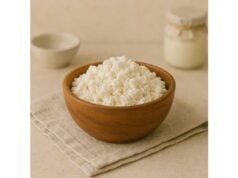
Drinkable yogurt gives you classic yogurt’s tang and nutrients in a smooth, sippable form you can take anywhere. It’s naturally rich in complete protein, calcium, phosphorus, riboflavin, and vitamin B12, with live cultures that can support comfortable lactose digestion. Because it’s a fermented dairy food, plain varieties typically have a gentler impact on blood sugar than many sweet beverages. It also plays well in the kitchen: shake-and-go breakfasts, savory ayran with herbs, fruit-lassi snacks, creamy dressings, and quick marinades for tender meats or tofu.
Not all bottles are equal. Some are high in added sugars or flavorings; others are fortified with vitamin D or boosted with extra protein. This guide explains what drinkable yogurt is, how to read labels, what a 100 g serving provides nutritionally, who benefits most, who should be cautious, and the smartest ways to buy, store, and use it—so you get more nutrition and fewer compromises from each sip.
Fast Facts
- Plain drinkable yogurt supports gut comfort and offers calcium (≈180 mg) and protein (≈5 g) per 100 g.
- Check labels and choose options with ≤10 g sugars per 100 g; some bottles are heavily sweetened.
- A typical serving is 200 ml (≈200 g), enjoyed 3–7 times weekly alongside varied foods.
- Avoid if you have a confirmed milk allergy; people with severe lactose intolerance, galactosemia, or on certain antibiotics should limit or time intake.
Table of Contents
- Drinkable Yogurt: What It Is
- Drinkable Yogurt Nutrition Profile (per 100 g)
- Proven Health Benefits of Drinkable Yogurt
- Risks, Allergies and Interactions to Know
- How to Select, Check Quality, Store Sustainably
- Prep Ideas, Cooking Uses and Nutrient Retention
- Portions, Comparisons and FAQs
Drinkable Yogurt: What It Is
Drinkable yogurt is cultured milk that has been fermented by yogurt starter bacteria (most commonly Lactobacillus delbrueckii subsp. bulgaricus and Streptococcus thermophilus), then processed to a thinner, pourable texture. Depending on the brand and region, it may be called “yogurt drink,” “yogurt smoothie,” “lassi” (sweet or salted), or “ayran” (savory, salted, often with mint). Many products add extra probiotic strains (for example Lactobacillus rhamnosus or Bifidobacterium animalis), fruit purées, sweeteners, flavorings, or protein concentrates.
How it differs from spoonable yogurt
- Texture: Spoonable yogurt gels in the cup; drinkable yogurt is blended or formulated to flow.
- Protein: Standard drinkable yogurts provide roughly 4–6 g protein per 100 g (about 8–12 g per 200 ml), while “Greek-style” drinkable yogurts are strained or milk-protein–enriched and often reach 8–10 g per 100 g.
- Sugars: Plain versions contain the milk sugar lactose; flavored bottles can include added sugars.
- Fortification: Some lines add vitamin D and sometimes extra calcium.
Drinkable yogurt vs kefir
These beverages look similar but aren’t identical. Kefir is fermented with kefir “grains” (a complex mix of bacteria and yeasts) that can create a broader microbe spectrum and a slight natural fizz. Drinkable yogurt uses classic yogurt cultures with optional added probiotics. For taste and texture, kefir is tangier and thinner; drinkable yogurt ranges from lightly thick to smoothie-like depending on ingredients.
How it’s made, in brief
- Pasteurized milk is inoculated with starter cultures and sometimes additional probiotic strains.
- Fermentation proceeds (commonly 37–45°C) until pH and taste targets are reached.
- The set yogurt is broken and homogenized to a smooth, pourable consistency; fruit, sweeteners, protein concentrates, or stabilizers may be blended in.
- The product is cooled, filled, and kept refrigerated. Ultra-high-temperature (UHT) shelf-stable bottles exist in some markets; these are heat-treated after fermentation, which extends shelf life but inactivates live cultures.
Who it’s for
- Everyday convenience: quick breakfast, snack, or post-exercise option.
- People with mild lactose intolerance: live cultures can help digest lactose; many tolerate yogurt better than milk.
- Kids and older adults: easy protein, calcium, and B vitamins in a drinkable format (choose low-sugar bottles).
What to watch
- Added sugars vary widely; flavored bottles can rival soft drinks in sugar.
- Salted or savory styles (e.g., ayran) can carry more sodium.
- “Heat-treated after fermentation” labels mean no live cultures remain.
Drinkable Yogurt Nutrition Profile (per 100 g)
Assumptions for tables: plain, low-fat drinkable yogurt (unflavored), approximate composition per 100 g. Values reflect typical U.S. database entries for “yogurt, plain, low fat” and will vary by brand, fat level, and fortification. Use labels for exact data.
Macros and Electrolytes (per 100 g)
| Nutrient | Amount | % Daily Value |
|---|---|---|
| Energy | 63 kcal | — |
| Water | 86 g | — |
| Protein | 5.2 g | 10% |
| Total Carbohydrate | 7.0 g | 3% |
| Total Sugars | 7.0 g | — (mostly lactose) |
| Dietary Fiber | 0 g | 0% |
| Total Fat | 1.6 g | 2% |
| Saturated Fat | 1.0 g | 5% |
| Sodium | 70 mg | 3% |
| Potassium | 234 mg | 5% |
Minerals (per 100 g)
| Mineral | Amount | % Daily Value |
|---|---|---|
| Calcium | 183 mg | 14% |
| Phosphorus | 144 mg | 12% |
| Magnesium | 17 mg | 4% |
| Zinc | 0.9 mg | 8% |
Vitamins (per 100 g)
| Vitamin | Amount | % Daily Value |
|---|---|---|
| Vitamin B12 (Cobalamin) | 0.57 µg | 24% |
| Riboflavin (B2) | 0.21 mg | 16% |
| Vitamin A (RAE) | 14 µg | 1% |
| Folate (DFE) | 11 µg | 3% |
| Vitamin B5 (Pantothenic Acid) | 0.57 mg | 11% |
| Vitamin B6 | 0.05 mg | 3% |
| Vitamin D | 0 µg (if unfortified) | 0% |
Fats and Fatty Acids (per 100 g)
| Lipids | Amount |
|---|---|
| Total Fat | 1.6 g |
| Saturated Fat | 1.0 g |
| Monounsaturated Fat | 0.43 g |
| Polyunsaturated Fat | 0.04 g |
| Cholesterol | 6 mg |
Additives and Fortification (what labels may show)
- Vitamin D (common in some markets): typically 1–2.5 µg per 100 g when fortified.
- Stabilizers such as pectin or starches to keep fruit in suspension.
- Milk protein concentrate or whey protein for higher-protein bottles.
Notes on sugars
In plain drinkable yogurt, nearly all sugar is lactose formed naturally in milk. Fruit-flavored bottles often add sucrose, fructose, or fruit purée concentrates; compare “Total Sugars” and “Added Sugars” lines on the label.
Glycemic profile
Plain yogurt generally has a low glycemic index compared with many sweet drinks. Sweetened bottles will raise the glycemic impact proportionally to added sugars.
Electrolyte balance and hydration
With ~86% water plus potassium and modest sodium, drinkable yogurt can support hydration and post-exercise recovery as part of a mixed snack.
Footnote: Percent Daily Values (%DV) use current U.S. DVs: protein 50 g; total fat 78 g; saturated fat 20 g; carbohydrate 275 g; sodium 2,300 mg; potassium 4,700 mg; calcium 1,300 mg; phosphorus 1,250 mg; vitamin B12 2.4 µg; riboflavin 1.3 mg; vitamin A 900 µg RAE; folate 400 µg DFE; vitamin D 20 µg.
Proven Health Benefits of Drinkable Yogurt
1) Comfortable lactose digestion
Live yogurt cultures carry the enzyme β-galactosidase (lactase), which remains active during digestion. For many people with lactose maldigestion, this improves lactose breakdown and reduces symptoms compared with milk. Plain drinkable yogurt is therefore one of the most tolerated dairy options for those with lactose intolerance. Choosing bottles labeled “live and active cultures” or adding strains such as Bifidobacterium can further support comfort for some individuals.
2) Blood sugar friendliness, especially when plain
Plain yogurt’s low glycemic impact makes it a smarter swap for many sweet beverages. Protein and fermentation both slow digestion. When paired with fiber (e.g., oats, chia, berries), drinkable yogurt fits well in meals that aim for steady energy. The caveat: added sugars in flavored bottles can overwhelm these advantages, so read labels and aim for ≤10 g sugars per 100 g or “no added sugar” options.
3) Bone support across the lifespan
Yogurt provides calcium, phosphorus, and high-quality protein—the raw materials for bone. Many drinkable yogurts are fortified with vitamin D, which helps calcium absorption and can lower parathyroid hormone when consumed regularly, a marker linked with bone turnover. In practice, 1 bottle (≈200 ml) of fortified drinkable yogurt can cover a meaningful share of daily calcium and vitamin D, making it a simple add-on for people with low sun exposure or limited dietary variety.
4) Cardiometabolic neutrality to modest benefit
Across prospective cohorts, total dairy intake is generally neutral to modestly protective for hypertension, coronary heart disease, and stroke when consumed in typical amounts as part of varied diets. Fermented dairy foods such as yogurt often show the most consistent favorable associations. In everyday terms, swapping a sugary soda or refined-grain snack for a plain drinkable yogurt nudges blood pressure and lipid-friendly eating patterns in the right direction without increasing risk.
5) Weight management and satiety
Protein plus fermentation’s tang deliver satiety. When you replace a low-protein snack or beverage with a plain or high-protein drinkable yogurt, people often report fewer cravings at the next meal. Greek-style drinkable yogurts can be particularly filling, helpful for active individuals and those managing appetite on fewer calories.
6) Microbiome and gut-barrier support
Several yogurt strains can produce bioactive compounds (e.g., short-chain fatty acid precursors, exopolysaccharides) and enhance the gut’s mucosal defenses. Benefits are strain- and product-specific and build over time; they complement—not replace—fiber-rich foods that feed beneficial microbes.
Practical takeaways
- Pick plain or no-added-sugar bottles for glycemic and dental health.
- For bone support, fortified bottles add vitamin D on top of calcium and protein.
- For satiety, choose Greek-style or protein-enriched options.
- Pair with fiber (fruit, oats, chia) to amplify benefits.
Risks, Allergies and Interactions to Know
Added sugars
Some drinkable yogurts contain 20–30 g added sugars per bottle. High sugar undermines blood-sugar control and dental health. Prefer plain, “no-added-sugar,” or fruit-only options. As a rule of thumb, aim for ≤10 g sugars per 100 g (or ≤20 g per 200 ml serving).
Milk allergy
Drinkable yogurt is unsafe for those with a confirmed cow’s milk allergy (CMA). Symptoms span hives to anaphylaxis. Avoid entirely unless an allergist advises otherwise.
Lactose intolerance
While many people with lactose intolerance tolerate yogurt better than milk, tolerance varies. Start with small servings (100–150 ml), choose live-culture bottles, or pick lactose-free drinkable yogurts. Strained, higher-protein styles are often lower in lactose per serving.
Histamine and biogenic amines
Fermented foods naturally carry biogenic amines (e.g., histamine). Sensitive individuals may notice flushing or headaches. If this occurs, reduce serving size or choose non-fermented dairy alternatives.
Kidney disease (phosphorus and potassium)
Yogurt provides meaningful phosphorus and potassium. People with advanced kidney disease on restricted mineral plans should confirm serving sizes with their renal dietitian.
Medication timing
- Antibiotics: If you use antibiotics, separate drinkable yogurt by 2–3 hours (both to avoid chelation with certain drugs and to reduce direct antibiotic kill of live cultures).
- Tetracyclines/fluoroquinolones: Calcium can reduce absorption; take these medications several hours apart from dairy.
- Levothyroxine and some osteoporosis medications: Also separate from calcium-rich foods by a few hours unless your clinician advises otherwise.
Food safety
Keep bottles refrigerated (≤4°C). After opening, use within 5–7 days or by the “use by” date, whichever comes first. Discard if the cap bulges, the bottle hisses on opening, or the aroma is yeasty or off. Shelf-stable UHT bottles are heat-treated and safe at room temperature until opened; once opened, refrigerate and use within a few days.
Infants and children
For infants ≥6 months, unsweetened plain yogurt can be a complementary food in small amounts, but avoid added sugars and salt. As a general safeguard, consult a pediatric professional for individualized guidance.
How to Select, Check Quality, Store Sustainably
Label reading in 30 seconds
- Sugars: Choose ≤10 g per 100 g (plain bottles will be ~7 g, primarily lactose).
- Protein: Standard ~5 g per 100 g; Greek-style or protein-enriched ~8–10 g per 100 g.
- Live cultures: Look for “live and active cultures” or listed strains.
- Vitamin D: Prefer fortified bottles if your dietary D is low.
- Sodium: Savory styles (e.g., ayran) may add salt; check if you monitor sodium.
- Ingredients: Milk + cultures should lead; fruit purée is fine; limit gums, artificial sweeteners, and colorings if you prefer simpler formulas.
Quality cues at purchase
- Cold chain intact (grab from the back of the case).
- Cap sealed, bottle intact, no bloating.
- Best before date leaves enough time for you to consume after opening.
Smart storage
- Refrigerate immediately at ≤4°C.
- Keep sealed; oxygen speeds flavor changes.
- After opening, use within 5–7 days; shake before pouring.
- Don’t leave out > 2 hours at room temperature (or > 1 hour if it’s very warm).
Sustainability tips
- Choose plain, larger bottles you portion at home to cut packaging per serving.
- Recycle HDPE/PET bottles where facilities exist.
- Buy from local producers when possible to reduce transport footprint.
- Minimize waste: freeze leftover plain drinkable yogurt in ice-cube trays for smoothies or marinades.
Who might choose which type
- Athletes/active adults: Higher-protein Greek-style bottles post-workout.
- Blood sugar management: Plain, no-added-sugar bottles paired with fiber-rich add-ins.
- Bone health focus: Fortified vitamin D options.
- Sensitive digestion: Live-culture plain bottles; trial small portions; consider lactose-free.
Prep Ideas, Cooking Uses and Nutrient Retention
Everyday ways to use drinkable yogurt
- Grab-and-go breakfast: Plain bottle + a banana and handful of nuts.
- Fruit-lassi riff: Blend plain drinkable yogurt with mango or berries; season lightly with cardamom.
- Ayran at home: Whisk plain drinkable yogurt with cold water (or club soda) to taste, a pinch of salt, and chopped mint or dill.
- Creamy dressings and sauces: Combine with lemon, garlic, and olive oil for a quick salad dressing; thin with water as needed.
- Marinades: The natural acidity and enzymes help tenderize chicken, lamb, or tofu; add spices and a little salt.
- Cold soups: Swirl into chilled cucumber or beet soup for creaminess and a protein lift.
- Overnight oats or chia pudding: Replace part of the milk to up protein and tang.
Nutrient and culture retention tips
- Heat kills live cultures: Add drinkable yogurt after cooking (off heat) or use it cold to keep cultures alive. If a recipe must be heated, keep temperatures below ~45°C to preserve more cultures, or accept that you’re using it for nutrition and texture, not probiotics.
- Acidity matters: High-acid fruit purées can thin yogurt; stabilizers (like pectin) help, but at home you can add oats or chia to maintain body.
- Pair with prebiotics: Team plain drinkable yogurt with fiber-rich foods (berries, oats, flax, inulin-containing foods) to support a healthy microbiome.
- Prevent curdling: When adding to warm sauces, temper first—mix a little hot liquid into the yogurt, whisk, then stir back in off heat.
Simple homemade drinkable yogurt (safe approach)
- Start with pasteurized plain yogurt (or ferment milk safely with a reputable starter following manufacturer instructions).
- Thin to taste with cold milk or water; add fruit, spices, or herbs.
- Keep cold, serve promptly, and refrigerate leftovers.
- For home fermentation, sanitize equipment, maintain fermentation temperatures, and chill immediately when the target tartness is reached.
Portions, Comparisons and FAQs
How much is a serving? How often?
- A practical serving is 200 ml (≈200 g).
- Most adults do well with 3–7 servings per week, tailored to calorie, protein, and calcium needs.
- Distribute across the day: breakfast, post-exercise, or as a snack paired with fruit and nuts.
Drinkable yogurt vs similar foods
- Kefir: Thinner, more tangy; fermented by bacteria and yeasts, potentially broader microbe diversity. Protein is often slightly lower per 100 g compared with Greek-style drinkable yogurt.
- Spoonable yogurt: Similar nutrition per 100 g when plain. Drinkable versions are simply thinned or formulated to pour.
- Milk: Similar calories per 100 g, but many people with lactose maldigestion tolerate yogurt better than milk due to live cultures.
- Plant-based “yogurt drinks”: Useful for those avoiding dairy, especially when fortified with calcium and vitamin D, but protein quality and probiotic evidence vary widely by brand and strain.
Who benefits most?
- People seeking convenient protein and calcium (teens, older adults, busy professionals).
- Active individuals needing a quick, portable recovery option.
- Those looking for a low-GI snack when plain and paired with fiber.
Who should limit or avoid?
- Milk allergy: Avoid entirely.
- Severe lactose intolerance or galactosemia: Use lactose-free options only under clinical advice.
- Advanced kidney disease: Coordinate portions with your renal dietitian (phosphorus, potassium).
FAQs
Does drinkable yogurt really help with lactose intolerance?
For many, yes. Live cultures help digest lactose during and after consumption, so symptoms are often milder than with milk. Individual tolerance still varies.
Will a flavored bottle derail my blood sugar goals?
It depends on added sugars. Choose no-added-sugar or ≤10 g sugars per 100 g, and pair with fiber to blunt spikes.
Is protein-enriched drinkable yogurt better?
If you need more protein (e.g., athletes, older adults), higher-protein bottles are useful. Otherwise, standard plain bottles already contribute meaningful protein.
Do I lose benefits if I cook with it?
Cooking above ~45°C inactivates live cultures, but you still keep protein and minerals. For probiotic benefits, add after cooking or use cold.
Can kids have drinkable yogurt?
Yes for children who tolerate dairy—prefer unsweetened versions and keep portions age-appropriate. For infants ≥6 months as a complementary food, choose plain and consult with a pediatric professional for individualized guidance.
References
- Yogurt, cultured fermented milk, and health: a systematic review 2021 (Systematic Review)
- Dairy Product Consumption and Cardiovascular Health: A Systematic Review and Meta-analysis of Prospective Cohort Studies 2021 (Systematic Review and Meta-analysis)
- Fortification of Yogurts with Vitamin D and Calcium Enhances the Inhibition of Serum Parathyroid Hormone and Bone Resorption Markers: A Double Blind Randomized Controlled Trial in Women over 60 Living in a Community Dwelling Home 2015 (RCT)
- Yogurt, in the context of a healthy diet, for the prevention and management of diabetes and obesity: a perspective from Argentina 2024 (Perspective/Review)
- Nutrition Facts for Low Fat Yogurt 2024 (Data resource)
Disclaimer
This article is for general education and is not a substitute for personalized medical advice, diagnosis, or treatment. Always seek the guidance of your physician, pharmacist, or registered dietitian regarding dietary changes, allergies, intolerances, or interactions with your medications. If you have kidney disease, diabetes, a milk allergy, or other medical conditions, ask a qualified professional for individualized recommendations.
If you found this guide useful, please consider sharing it with friends or colleagues on Facebook, X, or any platform you prefer. Your support helps us keep creating practical, trustworthy nutrition content.