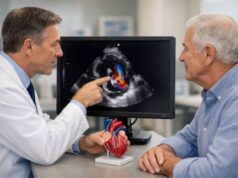
Drug-induced cardiomyopathy is a form of heart muscle weakness caused or triggered by a medication or drug exposure. In some people it develops slowly, after months or years of use; in others it appears quickly, sometimes after a new treatment is started or a dose is increased. The result can be a heart that cannot pump as strongly as it should, leading to fatigue, breathlessness, swelling, and reduced exercise tolerance. The most important point is also the most hopeful one: many cases improve when the offending drug is identified early and addressed. This article explains what happens inside the heart, which drugs are most often involved, who is at higher risk, what symptoms deserve attention, how clinicians confirm the diagnosis, and what treatment and day-to-day management usually look like.
Table of Contents
- What is drug-induced cardiomyopathy?
- Which drugs can damage the heart?
- Who is most at risk?
- What symptoms should you watch for?
- How is it diagnosed and monitored?
- Treatment, recovery, and preventing relapse
What is drug-induced cardiomyopathy?
Cardiomyopathy means the heart muscle has become abnormal in a way that reduces its ability to pump blood effectively. When it is drug-induced, the injury is linked to a medication (prescription or over-the-counter), a toxin, or an illicit drug. The pattern most people are talking about is a weak, enlarged left ventricle (often called “dilated” cardiomyopathy), but drug exposure can also lead to other patterns such as stiffening, inflammation, rhythm problems, or sudden pumping failure.
A practical way to think about drug-induced cardiomyopathy is by time course and reversibility:
- Early-onset, potentially reversible dysfunction: Some therapies disrupt how heart cells function without permanently destroying many cells. If caught early and managed properly, heart function can recover partially or fully over weeks to months.
- Cumulative, partly irreversible injury: Other drugs can cause progressive damage with total exposure (often “dose-related”). In these cases, recovery is still possible, but it may be incomplete and slower.
Another useful distinction is direct toxicity vs. indirect stress:
- Direct toxicity means the drug harms heart cells or their energy systems.
- Indirect stress means the drug raises blood pressure, triggers severe fast heart rhythms, causes repeated coronary spasms, or drives inflammation—each of which can eventually weaken the heart.
Because symptoms like tiredness and shortness of breath are common in many illnesses, drug-induced cardiomyopathy is often missed unless someone actively asks: “Could this be related to a medication or drug exposure?” That question—paired with a careful list of all substances taken in the last year—can change the course of the condition.
Which drugs can damage the heart?
Many substances have been linked to cardiomyopathy, but a smaller set accounts for most real-world cases. The risk depends on dose, duration, combinations, and personal susceptibility—so a drug on this list is not automatically dangerous for every patient. Still, knowing the usual culprits helps people and clinicians connect the dots sooner.
Cancer therapies (a major category)
Some anti-cancer drugs can weaken the heart during treatment or years later. Examples include:
- Anthracyclines (such as doxorubicin and epirubicin): risk often increases with higher cumulative doses. Injury can appear during therapy or long after treatment.
- HER2-targeted therapy (trastuzumab and related agents): can cause a drop in pumping function, sometimes reversible when therapy is paused and heart medications are started.
- Certain targeted therapies (some tyrosine kinase inhibitors, proteasome inhibitors, and VEGF-pathway agents): may raise blood pressure, alter heart-cell signaling, or increase clot risk.
- Immune therapies (immune checkpoint inhibitors): more often associated with myocarditis (inflammation), but severe cases can impair pumping function and resemble cardiomyopathy.
Non-cancer prescription and over-the-counter drugs
A few non-oncology drugs can harm the heart, especially at high doses or in susceptible people:
- Chronic high-dose alcohol exposure (often discussed separately, but it is a common drug-related cause of dilated cardiomyopathy).
- Stimulants used medically (amphetamines, methylphenidate): usually safe when properly prescribed, but can contribute to cardiomyopathy in rare cases or when combined with other risks.
- Some antiretroviral agents (older regimens were more strongly linked historically; modern therapy is safer overall, but drug interactions and metabolic effects still matter).
- Hydroxychloroquine or chloroquine (rare): can cause a distinct heart muscle disease, typically after long-term use.
- Certain antipsychotics and other drugs that strongly affect heart rhythm: cardiomyopathy can develop indirectly via persistent fast rhythms.
Illicit drugs and toxins
These often cause cardiomyopathy by repeated surges of stress hormones, high blood pressure, coronary artery spasm, and direct toxicity:
- Cocaine
- Methamphetamine and related stimulants
- Inhalants (some solvents and aerosols)
- Performance-enhancing substances (anabolic-androgenic steroids can contribute through blood pressure, sleep apnea, clot risk, and direct effects)
Why “combinations” matter
Many people tolerate one drug, but risk rises when exposures stack up—for example:
- Anthracycline plus trastuzumab
- A targeted therapy plus uncontrolled hypertension
- A stimulant plus heavy alcohol use and sleep deprivation
If you suspect a link, don’t stop a critical medication abruptly on your own—especially cancer therapy or psychiatric medication. The safer move is to raise the concern quickly, so the prescribing team and a heart specialist can decide on monitoring, dose changes, protective medications, or alternatives.
Who is most at risk?
Drug-induced cardiomyopathy is not purely “bad luck.” Certain factors make the heart more vulnerable, either by reducing reserve (the heart has less buffer) or by amplifying the drug’s harmful pathway. Risk is best viewed as layers: the more layers you have, the more carefully you should be monitored.
Treatment-related risk factors
These are often the strongest predictors:
- Higher cumulative dose (classic for anthracyclines and some toxins)
- Faster dosing schedules or high peak doses
- Combination regimens (two or more potentially cardiotoxic agents)
- Chest radiation (can stiffen or scar heart structures, increasing vulnerability)
- Drug interactions that increase blood levels of the cardiotoxic agent
- Long duration of exposure, especially with drugs linked to slow-onset injury
Personal and medical risk factors
These don’t guarantee harm, but they lower the threshold:
- Older age (and, in some settings, very young age)
- Prior heart disease (prior heart attack, valve disease, cardiomyopathy history)
- High blood pressure, especially if uncontrolled
- Diabetes or metabolic syndrome
- Chronic kidney disease
- Sleep apnea
- Smoking
- Family history of cardiomyopathy or sudden cardiac death
- Pregnancy or recent postpartum state (a high-circulation-demand period)
- Prior episode of therapy-related heart dysfunction
Lifestyle and exposure factors that compound risk
These are often overlooked but actionable:
- Heavy alcohol intake (especially daily, high-volume patterns)
- Stimulant exposure (prescribed misuse or illicit use)
- Persistent tachycardia (frequent fast heart rate from anxiety, thyroid disease, or stimulants)
- Poor nutrition and severe weight loss during prolonged illness (less resilience for heart muscle)
- Repeated dehydration (can worsen kidney function and raise drug concentration)
What “high risk” changes in practice
If you fall into a higher-risk group, the key differences are:
- Baseline heart assessment before starting the drug (often an echocardiogram).
- Scheduled monitoring during treatment (timing depends on the drug and risk tier).
- Lower threshold for starting protective heart medications if early decline is detected.
- More attention to blood pressure control (often targeting a consistent, well-controlled range rather than “close enough”).
A helpful takeaway: many risk factors are not fixed. Bringing blood pressure under control, avoiding illicit stimulants, moderating alcohol, treating sleep apnea, and reporting symptoms early can meaningfully reduce the chance that a medication exposure turns into lasting heart weakness.
What symptoms should you watch for?
Drug-induced cardiomyopathy can be sneaky. Early symptoms may be mild and easy to blame on stress, aging, anemia, infection, or the underlying disease being treated. Paying attention to patterns—especially new symptoms that persist for more than 1–2 weeks—can make the difference between a reversible dip in function and a long recovery.
Early, common symptoms
These often come from the heart’s reduced ability to meet the body’s demands:
- Shortness of breath with exertion (climbing stairs, carrying groceries)
- Unusual fatigue that doesn’t match your activity level
- Reduced exercise tolerance (you “run out of steam” sooner)
- Faster heartbeat or awareness of pounding heart
- Trouble sleeping flat or needing extra pillows
Signs of fluid retention
As pumping efficiency drops, fluid may accumulate:
- Swelling in ankles, feet, or legs
- Rapid weight gain over a few days (often from fluid, not fat)
- Bloating or loss of appetite
- Waking up short of breath or coughing at night
Rhythm-related symptoms
Some drug exposures trigger irregular rhythms that can themselves weaken the heart if persistent:
- Palpitations (fluttering, racing, skipping beats)
- Lightheadedness, near-fainting, or fainting
- Chest discomfort, especially if accompanied by shortness of breath
Complications to be aware of
Cardiomyopathy can lead to:
- Worsening heart failure (difficulty breathing, repeated hospital visits)
- Blood clots (especially if the heart chamber enlarges and flow slows)
- Arrhythmias (including atrial fibrillation or more dangerous ventricular rhythms)
- Kidney or liver stress from congestion and reduced circulation
When symptoms should be treated as urgent
Seek urgent medical care (or emergency care) if you have:
- Severe shortness of breath at rest
- Fainting, persistent chest pain, or new confusion
- Blue lips, severe weakness, or inability to lie flat due to breathlessness
- A racing heartbeat that doesn’t settle within minutes, especially with dizziness
If you are receiving a known cardiotoxic therapy, it can help to keep a simple log:
- Daily weight (same scale, morning)
- Resting heart rate
- Blood pressure if available
- Any new shortness of breath or swelling
Those small observations often provide the earliest clues that the heart is under strain.
How is it diagnosed and monitored?
Diagnosing drug-induced cardiomyopathy is part detective work and part structured testing. The goal is to confirm that the heart muscle is weakened or abnormal, rule out other common causes, and determine how urgently treatment is needed. Because many people take multiple medications, clinicians also try to identify the most likely offending agent and whether stopping or switching it is feasible.
The most important step: a complete exposure history
A useful medication history includes:
- All prescription drugs (including recent starts, dose changes, and infusions)
- Over-the-counter drugs and supplements
- Recreational drugs (even occasional use)
- Alcohol pattern (how many drinks per week, and how long)
- Timing: when symptoms began relative to exposure
That timeline often narrows the possibilities quickly.
Core tests clinicians use
Most evaluations include:
- Physical exam and vital signs: blood pressure, heart rate, oxygen level, swelling, lung sounds.
- Electrocardiogram (ECG): looks for rhythm issues, conduction delays, or clues of prior injury.
- Blood tests: often include kidney/liver function, electrolytes, thyroid testing if relevant, and heart stress markers (commonly BNP or NT-proBNP) and sometimes troponin.
- Echocardiogram (ultrasound of the heart): key tool to assess pumping strength, chamber size, valve function, and fluid status. Many centers also track “strain” measures that can detect subtle weakness before large changes appear.
- Cardiac MRI: helpful when clinicians suspect inflammation, scarring, or an unusual pattern (for example, myocarditis, infiltrative disease, or drug-specific injury patterns).
Ruling out other causes
Because treatment differs, clinicians often check for:
- Coronary artery disease (especially in people with chest pain or risk factors)
- Uncontrolled hypertension
- Viral or inflammatory causes
- Severe thyroid disease
- Persistent tachyarrhythmias that can weaken the heart over time
- Genetic cardiomyopathy (particularly with strong family history)
Monitoring during and after exposure
Monitoring frequency depends on the drug and your risk level, but the principles are consistent:
- Baseline testing before starting the drug (often echo plus blood pressure control).
- Scheduled surveillance during treatment—more frequent if risk is high or early changes appear.
- Post-treatment follow-up for drugs known to cause late effects, sometimes for years.
A practical tip: if you are on a therapy with known heart risk, ask your team:
- What is my baseline heart function?
- What symptoms should prompt a call?
- When is my next heart check, and what changes would alter the plan?
That clarity makes it easier to act early rather than react late.
Treatment, recovery, and preventing relapse
Treatment has two parallel goals: remove or reduce the cause and support the heart while it heals. The plan depends on severity, the necessity of the offending drug, and whether the injury pattern is typically reversible.
Step 1: Address the offending drug safely
This may involve:
- Stopping the drug if an alternative exists and the risk is high
- Pausing therapy with a reassessment timeline
- Dose reduction or switching to a less cardiotoxic formulation
- Adding protective therapy when continuation is necessary (common in oncology when the cancer benefit is large)
This decision should be made with the prescribing team (for example, oncology, rheumatology, psychiatry) plus cardiology. Abruptly stopping certain medications without a plan can be dangerous.
Step 2: Treat heart failure and support recovery
When pumping function is reduced, clinicians typically use guideline-based heart medications (tailored to blood pressure, kidney function, and symptoms). Common categories include:
- Beta-blockers to reduce stress hormones on the heart and control rate
- ACE inhibitors / ARBs / ARNIs to improve remodeling and lower strain on the heart
- Mineralocorticoid receptor antagonists to reduce fibrosis and improve outcomes in appropriate patients
- SGLT2 inhibitors (originally diabetes drugs) that can benefit many people with heart failure
- Diuretics if fluid overload is present (to reduce swelling and breathlessness)
Not everyone needs every medication immediately. A common approach is to start low, go slow, and adjust every 1–2 weeks.
Step 3: Manage triggers that slow healing
Recovery is harder when the heart is repeatedly stressed. Key priorities include:
- Tight blood pressure control
- Avoiding cocaine, methamphetamine, and non-prescribed stimulants
- Reducing or abstaining from alcohol during recovery
- Treating sleep apnea
- Correcting anemia, thyroid disorders, and electrolyte issues if present
Step 4: Rehab, activity, and daily management
Most people do best with measured activity rather than bed rest:
- Start with short, easy walks and build toward 150 minutes per week of moderate activity if tolerated.
- Add light strength training 2 days per week once symptoms are stable.
- Use a “talk test”: you should be able to speak in full sentences while exercising.
Daily habits that help:
- Weigh yourself each morning; report a rapid gain (often 1–2 kg over a few days) to your clinician.
- Keep sodium modest if you retain fluid (many patients aim under 2,000 mg/day, but personalize with your care team).
- Take medications consistently; missed doses are a common cause of relapse.
Step 5: What to expect for prognosis
Many people improve over weeks to months after the trigger is removed and heart therapy is optimized. Some recover fully; others stabilize with partial recovery. A smaller group progresses despite best care—often when injury is advanced at diagnosis or when the triggering drug cannot be stopped.
If you’ve had drug-induced cardiomyopathy once, treat future exposures as high stakes: you may need closer monitoring, earlier protective therapy, and careful review of medication choices to prevent recurrence.
References
- 2022 ESC Guidelines on cardio-oncology developed in collaboration with the European Hematology Association (EHA), the European Society for Therapeutic Radiology and Oncology (ESTRO) and the International Cardio-Oncology Society (IC-OS) – PubMed 2022 (Guideline)
- 2023 ESC Guidelines for the management of cardiomyopathies – PubMed 2023 (Guideline)
- Anthracycline Cardiotoxicity in Adult Cancer Patients: JACC: CardioOncology State-of-the-Art Review – PMC 2024 (Review)
- Interventions for prevention and treatment of trastuzumab-induced cardiotoxicity: an umbrella review of systematic reviews and meta-analyses – PubMed 2024 (Systematic Review)
Disclaimer
This article is for general education and does not replace medical care. Drug-induced cardiomyopathy can be serious and requires individualized evaluation, especially if you are receiving cancer therapy, have symptoms of heart failure, or use substances that can strain the heart. Do not stop or change prescription medications without speaking with your clinician. If you have severe shortness of breath, chest pain, fainting, or rapidly worsening swelling, seek urgent medical attention.
If you found this article useful, please share it on Facebook, X (formerly Twitter), or any platform you prefer, and follow us on social media. Your support through sharing helps our team keep producing clear, trustworthy health content.