Dry, gritty eyes after COVID-19 can be more than a minor annoyance. Many people describe burning, fluctuating blur, light sensitivity, and a tired “heavy eyelid” feeling that makes screens and reading harder than usual. The good news is that post-viral dry eye often improves with the right combination of lubrication, eyelid support, and environment changes—especially when you start early and stay consistent.
COVID-19 can tip the tear film out of balance in several ways: surface inflammation, changes in blinking and screen use during recovery, and disruption of the meibomian glands that supply the tear film’s protective oil layer. For some, symptoms linger for weeks or months, particularly if dry eye existed before infection or if masks, indoor air, or medications add to the strain. This article explains what is happening on the ocular surface and offers a practical, step-by-step plan to support recovery and know when to seek an eye exam.
Quick Overview
- Most post-viral dry eye improves with steady lubrication, eyelid care, and reduced tear evaporation over 2–12 weeks.
- A daily routine that supports the tear film’s oil layer often reduces burning and fluctuating blur more than “random drops” do.
- New severe pain, marked light sensitivity, or one-sided redness with worsening vision needs prompt evaluation to rule out infection or inflammation.
- Start with preservative-free artificial tears 4–6 times daily and pair them with warm compresses 5–10 minutes once or twice daily if eyelids feel oily or crusted.
Table of Contents
- What Post-Viral Dry Eye Feels Like
- How COVID-19 Can Disrupt Tears
- Risk Factors for Lingering Symptoms
- A Practical Two-Week Recovery Plan
- When to Get an Eye Exam
- Treatments Beyond Basic Home Care
What Post-Viral Dry Eye Feels Like
Post-viral dry eye is often less about “not enough tears” and more about unstable tears. A healthy tear film has three working layers: an inner mucin layer that helps tears spread, a watery layer that hydrates and clears debris, and a thin outer oil layer that slows evaporation. After a viral illness, the ocular surface can become reactive, and the tear film can break up faster than it should—so your eyes may feel dry even if they water.
Common symptoms include:
- Burning, stinging, or a sandy sensation, especially in wind, air-conditioning, or heated rooms
- Fluctuating blur that clears after blinking, then returns (often worst on screens)
- Watery eyes (reflex tearing) that paradoxically happen with dryness
- Light sensitivity and “tired eye” discomfort by afternoon
- Stringy mucus, mild redness, or eyelid margin irritation
A helpful distinction is whether symptoms are mostly surface discomfort (burning, grit, relief with drops) or sharp pain with light sensitivity (which can signal corneal involvement that deserves urgent evaluation). Dry eye typically causes irritation that improves with blinking or lubrication, while more serious surface disease tends to worsen and feels hard to ignore.
Another clue is how symptoms behave with different tasks. If your eyes feel relatively okay outdoors but flare indoors, evaporation is usually a major driver. If your eyes worsen during reading, gaming, or work calls, reduced blinking and incomplete blinking may be amplifying the problem. Many people recovering from COVID-19 also notice dry eye is tied to whole-body fatigue: when you are tired, you blink less completely, your tear film becomes unstable, and discomfort rises quickly.
Finally, recognize that dry eye can be uneven. One eye may feel worse due to subtle eyelid differences, sleeping position, prior contact lens wear, or asymmetry in meibomian gland function. Keeping a short daily symptom note (morning vs evening, screen time, environment) can reveal patterns that make treatment more targeted and less frustrating.
How COVID-19 Can Disrupt Tears
COVID-19 can set off dry eye through a mix of surface inflammation, evaporation stress, and gland dysfunction. Even when the infection is “over,” the ocular surface may remain sensitive while it re-stabilizes.
Key pathways clinicians think about include:
- Inflammation on the ocular surface
Viral illnesses can trigger immune signals that irritate the conjunctiva and eyelid margins. This can make the surface less tolerant to normal triggers (wind, screens, cosmetics) and can reduce the comfort “buffer” your tear film usually provides. - Meibomian gland disruption
The meibomian glands in your eyelids release oils that seal the tear film. When these glands become inflamed or sluggish, the tear film evaporates faster, causing burning and blur. Post-viral changes, changes in routine, and eyelid margin irritation can all contribute. - Blink changes during recovery
During illness and convalescence, people often spend more time on phones and laptops while resting. Screen use reduces blink rate and increases incomplete blinking, which prevents fresh oil from spreading across the tear film. - Mask and airflow effects
In some settings, air escaping upward from a mask can flow across the eyes, increasing tear evaporation. This is most noticeable when glasses fog or when you feel a stream of warm air toward the lower eyelids. - Medication and dehydration effects
Fever, reduced fluid intake, antihistamines, decongestants, some antidepressants, and acne medications can worsen dryness. Even temporary dehydration can increase tear film instability. - Nasal congestion and sleep quality
Mouth breathing and poor sleep can aggravate dryness. If you wake with burning eyes, consider whether your eyelids seal fully during sleep or whether a fan, heater, or CPAP airflow is drying the surface.
One reason post-COVID dry eye feels unpredictable is that multiple contributors can stack: a mildly inflamed ocular surface plus more screen time plus dry indoor air can become a noticeable problem quickly. The most effective approach is usually a layered plan: add moisture, reduce evaporation, improve eyelid oil flow, and reduce inflammatory triggers. You do not need every intervention at once, but you do need consistency long enough for the tear film to regain stability.
Risk Factors for Lingering Symptoms
Some people bounce back in a week or two, while others notice symptoms for months. Lingering dry eye does not automatically mean something dangerous is happening, but it often signals that the tear film was already near a tipping point—or that ongoing exposures are keeping the surface irritated.
Factors that commonly predict longer recovery include:
- Dry eye before COVID-19 (even if mild or seasonal)
- Contact lens wear, especially long hours or older lenses
- High daily screen time (often more than 4–6 hours without structured breaks)
- Perimenopause and menopause, or other hormonal shifts
- Allergies, eczema, asthma, or chronic sinus problems
- Autoimmune conditions (for example, rheumatoid arthritis or Sjögren’s syndrome)
- Blepharitis and meibomian gland dysfunction (oily lids, crusting, recurrent styes)
- Indoor air exposure (heating, air-conditioning, fans, low humidity offices)
- Refractive surgery history (LASIK, PRK, SMILE), which can reduce corneal sensitivity and destabilize the tear film
- Medications that reduce tear production or change tear quality
It also helps to understand the difference between two broad dry eye patterns:
- Evaporative dry eye: the oil layer is poor, tears evaporate quickly, and symptoms worsen in dry air and on screens. This often responds well to warm compresses, lid hygiene, and evaporation control (plus the right drop type).
- Aqueous-deficient dry eye: the watery layer is reduced, and eyes can feel persistently dry, especially on waking or in wind. This may require more frequent lubrication and, in some cases, treatments that reduce drainage or address inflammation.
Many post-viral cases are mixed, but evaporative drivers are especially common during recovery because blinking patterns and lid margin inflammation change.
If symptoms feel “random,” look for hidden triggers: sleeping near a vent, using a ceiling fan, returning to intense work calls without breaks, or restarting contact lenses too soon. Another overlooked factor is drop mismatch. Thin drops can feel soothing but may not last; thicker gels can blur vision; drops with preservatives can irritate if used frequently. A tailored routine usually works better than trying five products in five days.
A reasonable mindset is to treat recovery like physical therapy: gentle, consistent input over weeks tends to outperform short bursts of intense care followed by stopping.
A Practical Two-Week Recovery Plan
This plan is designed for typical post-viral dryness and irritation. If you have severe pain, marked light sensitivity, significant one-sided redness, or worsening vision, skip ahead to the section on when to get an eye exam.
Step 1: Stabilize lubrication (Days 1–14)
- Use preservative-free artificial tears 4–6 times daily.
- If you need drops more than 6 times daily, preservative-free is especially important.
- For nighttime dryness, consider a gel or ointment at bedtime (expect temporary blur).
Tip: Put drops where you will actually use them—desk, bedside, bag—so treatment is consistent rather than idealized.
Step 2: Support eyelid oil flow (Days 1–14)
If your lids feel oily, crusted, itchy at the lash line, or you have frequent styes, add:
- Warm compresses 5–10 minutes once or twice daily
- Follow with gentle lid massage (light pressure toward the lash line)
- Clean the lid margin with a dedicated lid cleanser or a simple gentle routine that does not sting
Warm compresses work best when they are truly warm for several minutes. Consistency matters more than intensity.
Step 3: Reduce evaporation and airflow triggers (Days 1–14)
- Aim for indoor humidity that feels comfortable; a humidifier near your workspace can help.
- Avoid fans aimed at your face and reduce car vent airflow toward the eyes.
- If mask use worsens symptoms, improve the top seal so air does not flow upward toward the eyes.
Step 4: Fix the screen-blink problem (Start immediately)
- Use the 20-20-20 pattern: every 20 minutes, look 20 feet away for 20 seconds.
- Add a “blink reset” during breaks: slow blink fully 10 times, ensuring eyelids meet gently.
- Raise screens slightly below eye level to reduce wide-eye exposure.
Step 5: Make contact lenses a short-term exception
If you wear contacts, consider a temporary break during the first 1–2 weeks of symptoms. If you must wear them, reduce hours, use preservative-free drops compatible with lenses, and stop if pain or redness increases.
Step 6: Address whole-body contributors
- Hydrate steadily and limit excess alcohol, which can worsen dehydration.
- Prioritize sleep; dry eye often spikes when sleep is poor.
- If you started a new antihistamine or decongestant, note whether symptoms worsened afterward and discuss alternatives with your clinician if needed.
Most people notice some improvement within 7–14 days when these steps are followed consistently. If you do not, it does not mean you failed—it often means the dryness is more inflammatory, more gland-related, or requires targeted treatment beyond basic home care.
When to Get an Eye Exam
Dry eye is common, but post-viral eye symptoms should still be evaluated when the pattern suggests more than routine dryness or when symptoms persist despite good home care. An eye exam can also prevent a cycle where discomfort leads to more rubbing, more inflammation, and slower recovery.
Seek urgent evaluation (same day or emergency care depending on severity) if you have:
- Moderate to severe eye pain, especially if it is increasing
- Marked light sensitivity that makes it hard to keep the eye open
- Worsening vision that does not clear with blinking or drops
- A new contact lens–related red eye (especially with pain or discharge)
- One-sided redness with swelling, significant discharge, or fever
- A white spot on the cornea (sometimes visible in the mirror) or the sensation that something is stuck and will not improve
These features can signal corneal inflammation, keratitis, uveitis, or infection—conditions that need timely treatment.
Schedule a prompt eye exam (often within 1–2 weeks) if:
- Symptoms persist beyond 2–3 weeks despite consistent lubrication and eyelid care
- You need drops hourly to function or nighttime pain wakes you repeatedly
- You notice frequent styes, lid crusting, or eyelid tenderness
- You have autoimmune disease, significant allergies, or a history of corneal problems
- Dryness began after COVID-19 and is paired with mouth dryness, joint pain, or swelling, which may point to systemic contributors
- You are unsure whether symptoms are dry eye versus allergy, medication effect, or another surface condition
What to expect at the visit:
- A discussion of triggers, daily routine, and medication history
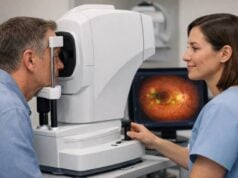
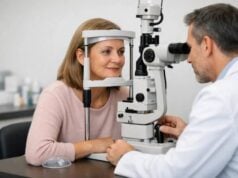
- A slit-lamp exam to look at the cornea, conjunctiva, and eyelid margins
- Assessment for blepharitis and meibomian gland dysfunction
- Sometimes tear breakup testing, surface staining, tear quantity testing, or measurements of tear osmolarity, depending on the clinic
Bring specifics to make the visit more efficient:
- How long symptoms have lasted and whether they are worse morning or evening
- Your typical daily screen time and whether symptoms fluctuate with it
- Which drops you use, how often, and whether any sting
- Whether you wear contacts and how many hours per day
- Whether symptoms worsened with masks, fans, heating, or air-conditioning
A targeted exam often saves time and money by narrowing the cause quickly and preventing you from cycling through products that do not match your dry eye type.
Treatments Beyond Basic Home Care
When home measures are not enough, the next step is not necessarily “more drops.” It is usually more targeted therapy based on whether the main driver is inflammation, gland dysfunction, tear drainage, or surface sensitivity.
Common next-level options include:
- Prescription anti-inflammatory drops
If inflammation is a major driver, clinicians may recommend prescription therapies that reduce surface inflammation over time. Some people need a short course of a stronger anti-inflammatory drop to calm a flare, followed by longer-term maintenance therapy. - Treatment for meibomian gland dysfunction
If glands are blocked or the oil is thick, in-office approaches (like gland expression or thermal therapies) may be considered. At home, warm compresses and lid hygiene remain the foundation, but escalation can help when the glands do not respond. - Punctal plugs or tear conservation
For people with low tear volume or rapid drainage, conserving tears can reduce symptoms. This is typically considered when the surface looks dry despite good lubrication. - Allergy and eyelid dermatitis management
If itching, seasonal flares, or eyelid skin irritation are prominent, treating allergy and protecting the eyelid skin barrier can reduce rubbing and inflammation that worsen dryness. - Specialty contact lenses for severe cases
In more severe ocular surface disease, scleral lenses can protect the cornea and maintain a fluid layer, but they are not a first-line solution. - Lifestyle and workspace adjustments that stick
The best treatment plan is one you can maintain. Many people improve most when they build a sustainable routine: preservative-free tears at set times, a warm compress routine tied to a daily habit, and screen breaks that are automatic rather than aspirational.
What recovery timelines usually look like
- Mild post-viral dryness: often improves within 2–6 weeks with consistent care
- Moderate dry eye with gland dysfunction: improvement may take 6–12 weeks, sometimes longer
- Severe or inflammatory dry eye: often improves gradually over months, and may need prescription therapy
A practical way to track progress is not just “how dry do my eyes feel,” but:
- How long you can use a screen before discomfort starts
- Whether blur clears quickly with blinking
- Whether you can get through a day with fewer drop doses
- Whether morning irritation and nighttime burning are easing
If symptoms are worsening instead of slowly improving, or if new red-flag symptoms appear, do not wait for the timeline to play out. Dry eye is common, but your eyes should not be in escalating distress. A clinician can confirm whether you are dealing with straightforward post-viral dry eye or something that needs a different approach.
References
- Dry Eye Syndrome Preferred Practice Pattern® 2024 (Guideline)
- Investigating the Impact of COVID-19 Infection on Dry Eye Parameters 2023
- The Ocular Surface Symptoms and Tear Film Parameters during and after COVID-19 Infection 2022
- Prevalence of dry eye during the COVID-19 pandemic: A systematic review and meta-analysis 2023 (Systematic Review)
- Face mask use and effects on the ocular surface health: A comprehensive review 2022 (Review)
Disclaimer
This article is for educational purposes and does not replace personalized medical advice, diagnosis, or treatment. Eye symptoms after COVID-19 are often manageable, but new or worsening pain, significant light sensitivity, one-sided redness with reduced vision, or contact lens–related symptoms can signal conditions that require urgent evaluation. If you are concerned about your symptoms or they are not improving with consistent home care, schedule an eye exam with a qualified clinician.
If you found this article useful, consider sharing it on Facebook, X (formerly Twitter), or any platform you prefer so others can recognize post-viral dry eye and get timely care.