Many women first notice dry eye in midlife, often around the menopausal transition. It can start subtly—eyes that feel gritty by evening, contact lenses that suddenly seem intolerable, or vision that blurs until you blink a few times. After menopause, changes in estrogen and androgen signaling can affect the tear film, eyelid oil glands, and the nerves that regulate tearing. At the same time, everyday factors—screen time, indoor heating, certain medications, and autoimmune conditions—can stack on top of hormonal shifts and make symptoms persistent.
The good news is that menopausal dry eye is usually manageable with a clear plan. The most effective approach combines symptom relief (so you can function day to day) with strategies that stabilize the tear film and calm inflammation over time. This article helps you recognize patterns that fit menopause-related dry eye, understand why it happens, and choose evidence-based steps that actually move the needle.
Essential Insights
- A menopause-related shift in tear quality is common, and symptoms often worsen with screens, fans, and low indoor humidity.
- Preservative-free lubricating drops and consistent eyelid care can improve comfort within 2–4 weeks for many people.
- Oral antihistamines, some antidepressants, and acne medications can worsen dryness, even if hormones are the original trigger.
- Eye pain, marked light sensitivity, or sudden vision loss is not typical dry eye and needs urgent evaluation.
- If symptoms persist beyond 2–3 weeks despite basic care, ask for a dry eye evaluation that includes eyelid oil gland function.
Table of Contents
- Why dry eye often starts after menopause
- What menopausal dry eye feels like
- How hormones change tears and eyelids
- Other causes that mimic menopause dry eye
- What helps most: a step-by-step plan
- Hormone therapy, supplements, and when to see a specialist
Why dry eye often starts after menopause
Dry eye after menopause is common for a simple reason: the ocular surface is not “standalone.” Your eyes rely on a delicate system—tear glands, eyelids, corneal nerves, and immune signaling—to keep the surface smooth and comfortable. Menopause can shift several parts of that system at once.
One change is tear film stability. Tears are not just water. A healthy tear film has three functional layers: an outer oil layer (to slow evaporation), a watery layer (for volume), and a mucin layer (to help tears spread evenly). Many postmenopausal people develop problems in the oil layer because the eyelid oil glands (meibomian glands) produce less oil, thicker oil, or oil that does not flow smoothly. When the oil layer is weak, tears evaporate faster, especially in windy or dry indoor air.
Another factor is inflammation. Menopause does not automatically “cause inflammation,” but hormonal shifts can change how the immune system behaves on the eye’s surface. Low-grade inflammation makes the tear film less stable and the surface nerves more sensitive. That is why dry eye can feel out of proportion to what you see in the mirror.
A third issue is nerve feedback. Corneal nerves help regulate tearing and blinking. If nerves become more sensitive (or less responsive), the system can misfire—producing reflex tearing that runs down the cheek while the eye still feels dry and irritated.
Finally, menopause rarely happens in isolation. Around the same stage of life, many people also experience:
- Increased screen time (or reduced blink completeness during focused work)
- More indoor heating and air-conditioning exposure
- New medications for sleep, mood, blood pressure, allergies, or bladder symptoms
- Higher likelihood of autoimmune diagnoses that can affect the tear glands
So while hormones can be a major driver, the most effective treatment plans treat menopause-related dry eye as a “stack” of contributors rather than a single switch that flipped.
What menopausal dry eye feels like
Menopausal dry eye can be surprisingly varied. Some people describe classic dryness and grittiness. Others mainly notice watery eyes, tired eyes, or fluctuating vision. Understanding the symptom pattern helps you choose the right fixes and know when to seek a deeper evaluation.
Common symptoms
- Burning, stinging, or a “hot” sensation
- Gritty, sandy, or foreign-body feeling
- Redness that worsens through the day
- Watery eyes, especially outdoors or in wind
- Blurry or fluctuating vision that clears after blinking
- Heavy eyelids or eye fatigue, especially late afternoon
- Sensitivity to smoke, fans, or air vents
- Contact lens intolerance (lenses feel dry sooner or start to “stick”)
A key detail: dry eye often worsens later in the day, particularly after hours of screens, driving, reading, or working in dry indoor air. That end-of-day pattern is a practical clue that evaporation and blink-related issues are involved.
Why dry eyes can water
When the ocular surface gets irritated, it can trigger reflex tearing from a different gland system than your baseline “maintenance tears.” Those reflex tears are often watery and do not stay on the eye long enough to fix the underlying dryness. People often interpret this as “I cannot have dry eye, my eyes water,” but watering can be a sign the surface is distressed.
How to tell if eyelids are part of the problem
If your symptoms are worse with wind, fans, or heated rooms—and if warm compresses feel soothing—there is a good chance the eyelid oil glands are involved. You may also notice:
- Oily or crusty lashes on waking
- Mild tenderness along the lid margin
- A history of styes or chalazia
- Makeup that seems to irritate the lid edge
Symptoms that are not typical
Dry eye should not cause severe eye pain, significant light sensitivity, or sudden loss of vision. It also should not cause thick yellow or green discharge. If you have:
- Moderate to severe pain
- New light sensitivity
- One-sided swelling with tenderness
- Sudden vision change that does not clear with blinking
you should seek prompt medical care rather than “trying more drops.”
The goal is not to self-diagnose perfectly. It is to recognize patterns that fit dry eye and to notice warning signs early.
How hormones change tears and eyelids
The ocular surface is hormone-responsive tissue. Estrogens, androgens, and other endocrine signals influence tear production, tear composition, eyelid oil glands, and even the way surface cells renew themselves. After menopause, the balance of these signals changes, and that can tilt the tear film toward instability.
Androgens and the eyelid oil glands
Androgens (including testosterone and related hormones) are especially important for meibomian gland function. These glands produce the oil layer that slows tear evaporation. When androgen signaling decreases, oil output and quality can worsen. The result is often evaporative dry eye, which tends to flare with screens, wind, fans, and low humidity.
Estrogen and complex effects
Estrogen’s relationship with dry eye is more complicated. Estrogen influences many tissues, including surface inflammation and tear components. Some people notice symptoms that track with hormonal swings during perimenopause, while others experience a steadier, chronic pattern after menopause. This complexity is one reason hormone therapy is not a universal “fix” for dry eye, even when symptoms started around menopause.
Blinking, lid position, and surface exposure
Menopause-related changes can also affect the surface indirectly through the eyelids. If the tear film is less stable, the eyes rely more on complete blinking to spread tears and replenish the oil layer. Incomplete blinks—common during screen use—leave dry patches on the cornea. Over time, that can increase irritation and make nerves more reactive.
Inflammation and sensitivity
A destabilized tear film becomes saltier (more concentrated), which can irritate surface cells and trigger inflammation. That inflammation further destabilizes tears. It becomes a loop:
- poor oil layer or low tear stability
- faster evaporation and irritation
- inflammation and nerve sensitivity
- worse symptoms and tear instability
This is why dry eye care often needs two tracks: comfort now (lubrication and protection) and breaking the inflammatory cycle (targeted therapy when appropriate).
Why “menopause dry eye” can look different in different people
Two people can have the same hormone stage and very different symptoms because other variables matter: eyelid oil gland health, screen habits, contact lens use, indoor humidity, and medication side effects. The practical takeaway is that hormones may set the stage, but daily conditions often decide whether dry eye stays mild or becomes disruptive.
Other causes that mimic menopause dry eye
When dry eye begins after menopause, it is tempting to blame hormones alone. But several other issues can mimic or amplify dryness, and addressing them often produces the fastest improvement.
Medications that can worsen dryness
Many common drugs reduce tear production, change mucus secretion, or increase evaporation. Examples include:
- Oral antihistamines and some decongestants
- Some antidepressants and anxiety medications (especially those with anticholinergic effects)
- Sleep aids with drying side effects
- Blood pressure medications such as diuretics (in some people)
- Acne treatments like isotretinoin
- Medications for bladder urgency with anticholinergic properties
Do not stop prescribed medications on your own. Instead, treat this as a clue: if dryness started or worsened after a medication change, it is worth discussing alternatives, dosing time adjustments, or additional eye-surface support with your clinician.
Autoimmune and inflammatory conditions
Certain autoimmune conditions can cause or worsen dry eye, sometimes through reduced tear gland function. Signs that warrant a more thorough evaluation include:
- Dry mouth alongside dry eyes
- Joint pain, unusual fatigue, rash, or swelling
- Persistent dry eye that does not improve with consistent basic care
Eyelid and skin conditions
Blepharitis (lid margin inflammation), rosacea, and meibomian gland dysfunction can dominate symptoms. You might see:
- Lid redness or crusting
- Frequent styes
- Burning that is worse in the morning or after makeup removal
Allergies and irritants
Allergies can coexist with dry eye and confuse the picture. A useful rule: itching is the hallmark of allergy, while burning and fluctuating vision are more typical of dry eye. Also consider irritants:
- Fragranced skincare, eyelash glue, lash serums, or certain makeup removers
- Smoke, strong cleaning agents, or workplace exposure to dust or chemicals
Contact lenses, eye surgery, and screen behavior
- Contact lenses can worsen evaporation and disrupt the tear film.
- Prior eye surgery can alter corneal nerves and tear feedback.
- Screen use reduces blink rate and increases incomplete blinks—an underappreciated driver of symptoms in midlife.
If your symptoms persist beyond a few weeks, the most helpful next step is not guessing—it is getting a dry eye evaluation that looks at tear stability, eyelid oil glands, and surface inflammation.
What helps most: a step-by-step plan
A good dry eye plan is structured, practical, and measurable. The goal is to improve comfort now while restoring tear stability over weeks. Most people do best with a consistent routine for 2–4 weeks before judging results.
Step 1: Start with safer, high-yield basics
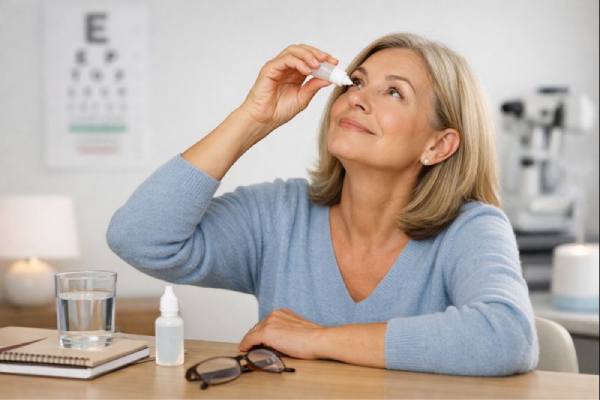
- Preservative-free artificial tears: Use 1 drop in each eye 2–4 times daily for 2 weeks. If you need drops more often than 4 times daily, preservative-free is especially important.
- Avoid routine redness-relief drops: Products that “whiten” the eye by constricting blood vessels can worsen irritation and cause rebound redness with frequent use.
- Night support if you wake dry: Consider a thicker gel or ointment at bedtime if morning dryness is prominent. Expect temporary blur.
Step 2: Treat the eyelids if evaporation is likely
If symptoms worsen with wind, fans, heated rooms, or screens, eyelid oil glands are often involved.
- Warm compress: comfortably warm (not hot) for 8–12 minutes, once daily.
- Gentle lid massage: immediately after warming, lightly sweep along the lid margin to encourage oil flow.
- Lid hygiene: if there is crusting or irritation at the lashes, use a gentle lid cleanser or wipe. Avoid aggressive scrubbing.
Step 3: Change the conditions that keep restarting dryness
- Blink practice during screens: every 20 minutes, look away and do 5 slow, complete blinks (upper and lower lids meeting). This directly supports tear spreading.
- Control airflow: redirect vents away from your face and avoid fans blowing directly at the eyes.
- Improve indoor moisture: if your home is very dry, adding humidity can reduce evaporation, especially overnight.
Step 4: Escalate when symptoms persist
If you have symptoms most days for more than 2–3 weeks despite basics, an eye care professional may recommend:
- Prescription anti-inflammatory drops or short, supervised steroid courses for flares
- Treatments targeting meibomian gland dysfunction (in-office expression, heat-based therapies, or other procedures)
- Tear conservation approaches such as punctal plugs in selected cases
- Evaluation for contributing conditions (allergy overlap, autoimmune disease, eyelid abnormalities)
A simple success marker: you should gradually need fewer “rescue” drops, and late-day burning should soften. If your routine is consistent and nothing changes, that is a sign the underlying driver needs professional assessment.
Hormone therapy, supplements, and when to see a specialist
Many people ask the most logical question: if menopause contributes to dry eye, will hormone therapy fix it? The honest answer is nuanced. Hormones influence the tear film, but dry eye is multifactorial. For some, menopausal hormone therapy may help certain symptoms; for others, it may have little effect on the eyes, and in a subset it may worsen dryness depending on formulation and individual biology.
How to think about hormone therapy and dry eye
- Menopausal hormone therapy is primarily prescribed for menopausal symptoms and long-term risk considerations, not as a first-line dry eye treatment.
- Eye symptoms alone are rarely a sufficient reason to start systemic hormone therapy.
- If you are already on hormone therapy and your eyes are worse (or better), that pattern is worth discussing with your prescribing clinician and eye care professional, especially if changes happened after starting or adjusting therapy.
Supplements and diet: what is reasonable
Dry eye marketing is loud, so it helps to stay grounded:
- Some people benefit from dietary strategies that reduce inflammation and support gland function, but results vary.
- If you try an omega-3 supplement, treat it as a time-limited experiment: commit to a consistent dose for 8–12 weeks, then reassess symptoms and drop use. Stop if it upsets your stomach or conflicts with your medical guidance.
- Hydration helps overall comfort, but “drink more water” alone rarely fixes chronic dry eye if evaporation and lid oil dysfunction are the drivers.
When it is time to see a specialist
Consider an eye care visit sooner (not later) if:
- Symptoms persist beyond 2–3 weeks despite preservative-free tears and basic lid care
- Your vision fluctuates frequently or contact lenses become intolerable
- You have recurrent styes, lid margin irritation, or rosacea features
- You have dry mouth, joint pain, unusual fatigue, or other systemic symptoms that raise concern for autoimmune disease
- You need frequent “rescue” drops (every hour or two) to get through the day
What to ask for at the visit
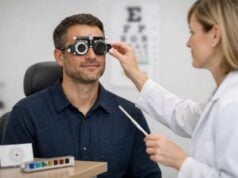
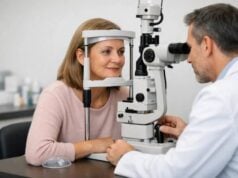
A productive evaluation often includes:
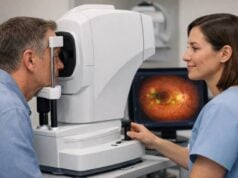
- Tear film breakup time or tear stability testing
- Eyelid oil gland assessment (quality and flow)
- Surface staining to identify irritation patterns
- A treatment plan with a timeline and a “next step” if you are not improving
Menopause-related dry eye is real, but it is also treatable. The most effective approach is not chasing one perfect product; it is building a plan that supports tears, improves eyelid oil function, and reduces the inflammation loop that keeps symptoms returning.
References
- Dry Eye Syndrome Preferred Practice Pattern® 2024 (Guideline)
- TFOS Lifestyle Report: Impact of environmental conditions on the ocular surface 2023 (Consensus Report)
- Hormones and dry eye disease 2023 (Review)
- Interventions for Dry Eye An Overview of Systematic Reviews 2024 (Overview of Systematic Reviews)
Disclaimer
This article is for general educational purposes and does not replace individualized medical advice, diagnosis, or treatment. Dry eye symptoms can overlap with infections, inflammation, medication side effects, and other eye conditions that require different care. Seek urgent evaluation if you have significant eye pain, marked light sensitivity, sudden vision loss, new severe one-sided swelling, or thick discharge. If you are pregnant, immunocompromised, have glaucoma, or use prescription eye medications, ask a qualified clinician before starting new eye drops—especially steroid drops or routine “redness relief” products.
If you found this article useful, please consider sharing it on Facebook, X (formerly Twitter), or any platform you prefer. Your support by sharing helps our team continue producing high-quality, practical health content.