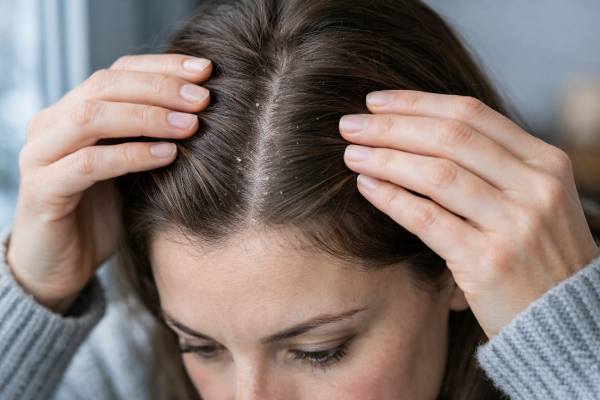
A dry, flaky scalp in winter can feel like a personal failure—yet it is often a predictable response to cold air, indoor heating, and changes in your wash and styling habits. When the scalp barrier loses water faster than it can hold it, the surface becomes tight, sensitive, and more prone to visible shedding of tiny skin cells. The result may look like dandruff, but winter “dry scalp” is often a different problem with a different solution. The most effective approach is rarely a single product. It is a seasonal strategy: gentler cleansing, smarter contact time, barrier-supporting leave-on care, and a few environmental tweaks that reduce the daily water loss driving the cycle. This guide breaks down the most common winter triggers, how to tell dry scalp from inflammatory scalp conditions, and practical prevention steps you can start immediately—without over-washing, harsh scrubbing, or buying an entire new routine you will not maintain.
Key Insights
- Lower humidity and indoor heat can increase scalp tightness and flaking by weakening the skin barrier and speeding moisture loss.
- Dry scalp flakes are often small and powdery, while dandruff flakes tend to be greasier and paired with redness or itch.
- Consistent, gentle routines outperform “strong” shampoos used sporadically, especially in winter.
- A short leave-on scalp step after washing can prevent recurrence better than repeated exfoliation.
Table of Contents
- Why winter dries the scalp
- Dry scalp versus dandruff and dermatitis
- Winter washing mistakes and fixes
- Barrier repair and leave-on scalp care
- Prevention at home, hats, heat, and humidity
- When flaking needs medical care
Why winter dries the scalp
Winter dryness is not just “cold weather.” It is a specific set of conditions that pushes your scalp into a dehydration loop: low outdoor humidity, heated indoor air, frequent temperature shifts, and habits that unintentionally strip the scalp’s protective oils. The scalp is skin—just denser with follicles and oil glands—so it follows the same rules as dry facial skin. When the outer layer (the stratum corneum) cannot hold onto water, it becomes rough and more fragile. Tiny cracks form between skin cells, irritants enter more easily, and the scalp sheds more visibly as it tries to restore balance.
A key driver is humidity. Cold air carries less moisture, and indoor heating often drops relative humidity to levels that feel comfortable for furniture but not for skin. If your scalp already runs “just slightly dry,” winter can push it into obvious flaking. If your scalp is sensitive, the same dryness can amplify itch even without obvious redness. This is why many people describe a winter pattern: fine white flakes on dark clothing, scalp tightness after washing, and a stinging sensation when applying products that felt fine in summer.
There is also a winter scalp paradox: some people feel both dry and oily at the same time. When the barrier is dehydrated, the scalp may increase sebum output as a compensation signal. That oil can make hair look greasy at the roots while the scalp underneath still feels tight. The result is confusing: you wash more often to “fix oil,” which can worsen dryness and trigger more flakes. For others, the opposite happens: less oil production in winter, more static, and fragile hair lengths that break easily—making the hair look thinner and rougher even when the follicles are fine.
Finally, styling choices matter more in winter. Hot water, aggressive towel rubbing, frequent blow-drying without protection, and heavy fragrance products can all irritate a winter-weakened barrier. Many people also scratch more in winter because itch feels sharper on dry skin. Scratching removes scale temporarily but creates micro-injury, which can increase inflammation and prolong flaking.
If you want a broader framework for thinking about scalp care like skincare—barrier first, actives second—see how scalp ingredients are used in “skinification” routines.
Dry scalp versus dandruff and dermatitis
One of the most common winter mistakes is treating dry scalp as dandruff. The two can look similar from a distance, but they behave differently and respond to different routines. A helpful rule of thumb is to look at flake type, scalp feel, and whether redness is present.
How dry scalp usually presents
Dry scalp tends to show:
- Small, light, “powdery” flakes that fall easily
- Tightness after washing, especially with hot water
- Mild itch that improves after moisturizing or reducing wash intensity
- Little to no visible redness (though scratching can create temporary pinkness)
Dry scalp often improves with a gentler cleanser, shorter wash time, and a barrier-supporting leave-on step.
How dandruff and seborrheic dermatitis usually present
Dandruff and seborrheic dermatitis tend to show:
- Greasy or waxy flakes that clump and stick to hair shafts
- Itch that can feel deeper and more persistent
- Redness in patches, especially along the hairline, behind ears, or at the crown
- A pattern that flares with stress, illness, or changes in weather
In these cases, the driver is often scalp inflammation plus a yeast–oil interaction. Barrier care still matters, but antifungal or anti-inflammatory strategies may be needed for control. If your flaking is greasy, recurrent, and paired with redness, this guide to seborrheic dermatitis triggers and shampoos can help you match the approach to the underlying pattern.
Other conditions that masquerade as “winter dryness”
Winter can also reveal scalp issues that were quietly present:
- Scalp psoriasis: thicker, more sharply bordered plaques; scale may look silvery; redness is often more distinct
- Contact dermatitis: burning, stinging, or sudden itching after a new product; may ooze or crust if severe
- Tinea capitis (fungal infection): more common in children; may involve broken hairs and patchy scaling
- Folliculitis: tender bumps or pustules; flaking may be secondary
If you are unsure, focus on what is safest while you observe: gentle cleansing, no harsh exfoliation, and no strong medicated shampoos daily. A week of barrier-friendly care should not worsen dandruff significantly, but harsh dandruff shampoos used aggressively can definitely worsen true dry scalp.
A quick self-check that often clarifies things
Ask yourself:
- Are the flakes mostly dry and dusty, or greasy and stuck-on?
- Is there persistent redness or a “hot” itchy feeling?
- Does the scalp feel worse after washing, or better?
- Did this start after a product change, travel, or a new hat routine?
Your answers do not replace a diagnosis, but they can prevent the most common misstep: escalating to stronger shampoos when the scalp is asking for gentleness.
Winter washing mistakes and fixes
In winter, the goal of washing is not “strip everything clean.” It is to remove sweat, pollution, and product buildup while preserving enough lipids to keep the barrier stable. The biggest winter washing mistake is overcorrecting: you see flakes, assume you need stronger cleansing, and end up with a scalp that flakes more because it is drier.
Mistake 1: hot water and long showers
Hot water feels soothing in winter, but it can extract lipids from the scalp surface and worsen tightness. A practical fix is to wash hair with lukewarm water and keep scalp contact time efficient:
- Massage shampoo into the scalp for 30–60 seconds
- Rinse thoroughly
- Repeat only if hair is heavily coated with styling products or oils
Mistake 2: using “medicated” or clarifying shampoos too often
Clarifying shampoos, heavy surfactants, and frequent anti-dandruff actives can be too harsh for a dry winter scalp—especially if you are not dealing with seborrheic dermatitis. If you need occasional deep cleansing, limit it to once every 1–2 weeks and focus on rehydration afterward.
Mistake 3: washing the hair lengths like they are the scalp
In winter, many people benefit from “scalp-first washing”:
- Shampoo primarily touches the scalp
- Conditioner primarily touches the lengths
- The scalp is rinsed thoroughly so no cleanser remains to irritate
If you have fine hair that gets greasy quickly, you can still wash more frequently; you just need a gentler shampoo and a shorter routine.
How often should you wash in winter?
There is no universal number. Frequency should match scalp oil level, activity, and styling routine. Many people do well with 2–4 washes per week in winter, while oily scalps may still prefer daily or near-daily washing with a mild cleanser. If you want a practical way to choose frequency based on scalp type rather than trends, see how often to wash hair for different scalp needs.
Technique upgrades that reduce flaking quickly
These small changes often make a big difference within 1–2 weeks:
- Use fingertip pads, not nails, to reduce micro-injury
- Avoid rough towel rubbing; blot or press water out instead
- Detangle gently and avoid aggressive brushing on a sensitive scalp
- If you blow-dry, aim warm—not scorching—and keep the nozzle moving
Finally, be cautious with dry shampoo in winter. It can be useful, but frequent use can build up powders that make dryness look worse and can irritate the scalp barrier. If you rely on it, plan periodic gentle cleansing and avoid spraying directly onto already inflamed areas.
Barrier repair and leave-on scalp care
If winter dry scalp keeps returning, shampoo alone is rarely enough. The missing step is often leave-on barrier support. Think of it like face care: you would not expect a cleanser to fix dry skin without a moisturizer. The scalp is no different, but scalp products must be lightweight enough not to make hair feel greasy or coated.
What “barrier repair” means for the scalp
A strong barrier does three things:
- Holds water inside the outer skin layer
- Maintains a balanced lipid matrix between skin cells
- Reduces penetration of irritants that trigger itch and inflammation
In winter, a leave-on step helps restore these functions between washes. It can also reduce the urge to scratch, which is one of the fastest ways to keep the cycle going.
Ingredients that tend to help winter dryness
Look for scalp-friendly versions of classic barrier ingredients:
- Humectants: glycerin, urea (often low percentages), panthenol, hyaluronic acid
- Barrier lipids: ceramides, cholesterol, fatty acids
- Soothing agents: niacinamide, colloidal oatmeal, allantoin
- Light occlusives: dimethicone or other silicones that reduce water loss without heavy oiliness
Ceramides are especially useful when the scalp feels tight and reactive, because they support the lipid “mortar” between skin cells. If you want a deeper explanation of why ceramides matter and how to use them without greasing the roots, see ceramides and scalp barrier dryness.
How to apply leave-on care without making hair oily
Application matters more than quantity:
- Apply to a damp scalp right after washing (when the barrier is most receptive).
- Use a few drops or a thin layer, then part hair in sections and distribute with fingertips.
- Focus on the areas that flake: crown, sides, behind ears, hairline.
- If your hair gets greasy easily, apply at night and wash as usual the next morning.
Oils: helpful or risky?
Oils can help some dry scalps by softening flakes and reducing tightness, but they can worsen flaking that is actually seborrheic dermatitis. If flakes are greasy and itch is prominent, heavy oils can feed the cycle for some people. A safer middle ground is a light, fragrance-free scalp serum or lotion rather than a thick oil soak.
Avoiding the “over-exfoliation trap”
When flakes bother you, it is tempting to scrub or use strong acids. In winter, exfoliation often backfires unless it is gentle and occasional. If you must remove scale, do it softly and then rebuild the barrier. The scalp that flakes less in February is usually the scalp that is moisturized more—not the scalp that is scrubbed harder.
Prevention at home, hats, heat, and humidity
Winter scalp prevention is often less about buying a new shampoo and more about changing the conditions your scalp lives in for 12 hours a day. Once you reduce the daily “water loss pressure,” products suddenly work better, and flaking becomes easier to control.
Humidity: the quiet lever that changes everything
Indoor heating can drop humidity to levels that dry out skin and hair. If you wake up with a tight scalp, dry eyes, or static-heavy hair, the air is likely part of the story. A humidifier can help many households when used thoughtfully:
- Aim for a moderate range (often around 40%–50% relative humidity)
- Clean it regularly to avoid mold and mineral buildup
- Place it in the bedroom if morning dryness is your main issue
You do not need tropical air. You need enough moisture that your scalp stops losing water overnight.
Hats, friction, and the “occlusion problem”
Hats protect from cold, but they can create friction and trap sweat:
- Wool hats can irritate sensitive scalps; consider a softer lining
- Tight beanies can cause itch from pressure and friction
- Sweaty hat wear followed by dry indoor heat is a classic flare pattern
A simple habit helps: let your scalp dry fully after being outside, and avoid leaving a damp hat on for long periods.
Heat styling and winter fragility
Hair shafts are more brittle in winter due to lower ambient humidity and increased static. When you add high heat, you can create breakage that mimics “thinning.” Protecting the lengths reduces overall distress even if the scalp is the main issue:
- Lower the heat setting when possible
- Use heat protectant consistently
- Avoid repeated passes on the same section
Scalp sun exposure still matters in winter
If your hair is thin at the part or crown, the scalp can burn even in cold weather—especially with snow glare and long outdoor days. Sunburned scalp can flake intensely and feel like “dry scalp that won’t heal.” If you spend time outdoors, how to protect the scalp from sun damage can help you prevent a problem that often gets overlooked in winter.
Diet, hydration, and “supportive basics”
Hydration is not a miracle cure, but it matters when dryness is systemic. Winter habits—more caffeine, less water, less omega-3 intake—can subtly worsen skin comfort. A practical approach is:
- Aim for steady fluids across the day
- Include healthy fats (fatty fish, olive oil, nuts)
- Avoid rapid dieting, which can dry skin and increase shedding
These steps do not replace topical care, but they reduce the background load that makes winter flare-ups feel relentless.
When flaking needs medical care
Most winter dry scalp improves with gentler washing and barrier support within 2–4 weeks. When it does not, the likely explanation is that the problem is not purely dryness—or that dryness is only one layer of a more inflammatory condition. Medical care is not a last resort; it is the fastest way to avoid months of trial-and-error when the scalp is sending clearer warning signs.
Signs it may not be simple dryness
Consider evaluation if you have:
- Persistent redness, burning, or pain rather than mild tightness
- Thick, stuck-on scale that reforms quickly after washing
- Oozing, crusting, swelling, or pustules
- Patchy hair loss, broken hairs, or significant tenderness
- Severe itch that disrupts sleep
If you are unsure what counts as “normal winter itch” versus something that deserves attention, when itchy scalp symptoms warrant evaluation can help you recognize patterns that are unlikely to resolve with cosmetic care alone.
What a clinician may check
A clinician will often look for:
- Seborrheic dermatitis (greasy flaking and inflammation)
- Psoriasis (thicker plaques and more defined borders)
- Contact dermatitis (reaction to fragrance, dyes, preservatives)
- Fungal infection (more common in children, but possible)
- Less common inflammatory scalp disorders if hair loss or scarring signs are present
They may also ask about new products, recent illness, and medication changes that can affect the scalp barrier.
Medical treatment options that are commonly used
Depending on the diagnosis, clinicians may recommend:
- Antifungal shampoos or topical antifungals for seborrheic dermatitis patterns
- Short courses of topical corticosteroid solutions or foams for inflammation
- Non-steroidal anti-inflammatory options for sensitive areas
- Keratolytic strategies for thick scale when appropriate
These treatments are often used in bursts, then tapered to maintenance, because winter-triggered conditions tend to relapse when routines stop abruptly.
How to avoid “overtreatment” while you wait
While you are waiting for an appointment, the safest plan is usually:
- Use a mild, fragrance-light shampoo
- Add a simple leave-on barrier step after washing
- Avoid harsh scrubs, strong acids, and picking at scale
- Stop any product that clearly worsens burning or redness
Winter scalp issues can be stubborn, but they are usually manageable once the true pattern is identified. The quickest path is aligning the treatment with the cause—dryness, inflammation, infection, or irritation—rather than treating every flake the same way.
References
- Transepidermal water loss (TEWL): Environment and pollution—A systematic review 2022 (Systematic Review)
- Clinical Benefits of Basic Emollient Therapy for the Management of Patients With Xerosis Cutis 2025 (Review)
- Basic Emollients for Xerosis Cutis in Atopic Dermatitis: A Review of Clinical Studies 2025 (Review)
- Child and Adult Seborrheic Dermatitis: A Narrative Review of the Current Treatment Landscape 2025 (Review)
- Your winter skin survival kit 2021 (Clinical Guidance)
Disclaimer
This article is for educational purposes only and does not provide medical advice, diagnosis, or treatment. Flaking and itch can come from dry scalp, dandruff and seborrheic dermatitis, psoriasis, allergic reactions, infections, and less common inflammatory scalp disorders that require different care. Seek medical evaluation if you have severe or persistent redness, pain, oozing, pus bumps, rapidly worsening symptoms, patchy hair loss, or no meaningful improvement after several weeks of consistent, gentle care. Do not use prescription-strength topical steroids or strong medicated scalp products without guidance from a qualified clinician.
If you found this guide useful, consider sharing it on Facebook, X (formerly Twitter), or your preferred platform so others can manage winter scalp flaking with clearer expectations and safer routines.