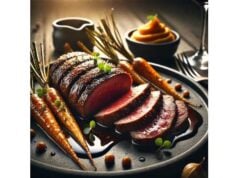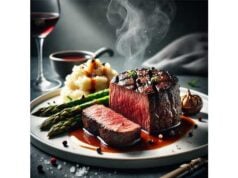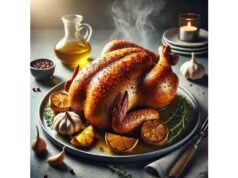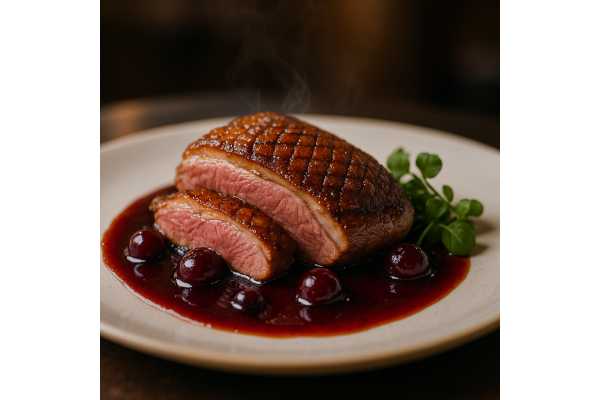
Duck delivers rich flavor, succulent texture, and nutritional value that sets it apart from other poultry. Whether you favor a crisp-skinned roast, a rosy pan-seared breast, or a silky confit, duck offers high-quality protein alongside notable amounts of iron, zinc, selenium, and B vitamins. Its fat—especially from the skin—is largely monounsaturated, making rendered duck fat prized for roasting vegetables and potatoes. At the same time, duck asks for mindful handling: safe cooking temperatures matter, storage rules apply, and traditional preparations like confit or pâté can be high in saturated fat and sodium. This guide walks you through duck from the butcher counter to your plate—how to choose it, cook it well, get the most nutrition, and enjoy it safely. You will also find clear tables for nutrients (per 100 g), realistic portions and comparisons, and practical answers to common questions so you can decide where duck fits in your week.
Top Highlights
- Good source of protein (≈23.5 g/100 g) plus iron, zinc, selenium, and B vitamins.
- Safety first: cook poultry to 74 °C/165 °F and avoid cross-contamination; raw duck can carry Campylobacter.
- Typical serving: 85–100 g cooked, enjoyed 1–2 times weekly in a balanced diet.
- Limit if following a low-purine or low-saturated-fat plan, or if advised to reduce sodium (e.g., confit, cured products).
Table of Contents
- Duck Meat: Detailed Overview
- Duck Nutrition Profile (per 100 g)
- Evidence-Based Benefits of Duck
- Risks, Allergies and Interactions
- Selecting Duck: Quality, Sustainability and Storage
- Cooking Duck and Nutrient Retention
- Portions, Comparisons and FAQs
Duck Meat: Detailed Overview
Duck is poultry, yet its meat behaves more like a lean red meat than chicken or turkey. Domestic breeds such as Pekin (mild, versatile), Muscovy (leaner breast, robust flavor), and Moulard (favored for magret and foie gras) dominate markets. Compared with chicken, duck muscles work harder—ducks fly and swim—so breast meat is darker with more myoglobin. That translates to a deeper color and savory taste when cooked properly.
Culinarily, duck is flexible. Whole birds roast beautifully; breasts pan-sear to a rosy medium with crisped skin (restaurant style); legs excel in low-and-slow methods like braising or classic confit; and ground duck enriches burgers and dumplings. Rendered duck fat is a chef’s staple for high-heat roasting and sautéing, creating crisp textures without smoke or off-flavors.
Nutritionally, duck offers high-quality complete protein, heme iron, zinc, selenium, and a suite of B vitamins (notably niacin, riboflavin, thiamin, and B12). Skinless cooked meat is moderate in fat, whereas skin-on preparations can be much higher. Duck fat is predominantly monounsaturated, with some saturated and polyunsaturated fats. That composition, paired with careful portioning and cooking techniques, allows duck to fit well within heart-conscious patterns that limit saturated fat and emphasize variety.
From a safety perspective, duck follows poultry rules: keep raw juices away from ready-to-eat foods, cook thoroughly, and chill promptly. Like other poultry, raw duck can harbor pathogens such as Campylobacter. Using a thermometer, resting cooked meat appropriately, and minding storage windows reduce risk without sacrificing flavor.
Finally, duck adds variety to weekly menus. It pairs with high-acid fruits (citrus, cherries), spices (five-spice, cumin), and bitters (radicchio, endive). It can be a strategic choice for those who want iron and B vitamins from food, or for cooks seeking flavorful “center-of-plate” options beyond chicken or beef.
Duck Nutrition Profile (per 100 g)
Reference form: Cooked, roasted domesticated duck, meat only, skinless (values per 100 g). Sensible rounding applied. % Daily Value (%DV) uses adult DVs (U.S.) where available.
Macros & Electrolytes (per 100 g)
| Nutrient | Amount | %DV |
|---|---|---|
| Energy | 201 kcal | — |
| Protein | 23.5 g | 47% |
| Total Fat | 11.2 g | 14% |
| Saturated Fat | 3.9 g | 20% |
| Carbohydrates | 0.0 g | 0% |
| Sodium | 65 mg | 3% |
| Potassium | 252 mg | 5% |
| Water | ~65 g | — |
Fats & Fatty Acids (per 100 g)
| Fatty Acids | Amount |
|---|---|
| Monounsaturated fatty acids (MUFA) | 3.86 g |
| Polyunsaturated fatty acids (PUFA) | 1.49 g |
| Omega-3 fatty acids (n-3) | 0.15 g |
| Omega-6 fatty acids (n-6) | 1.34 g |
| Trans fat | 0 g (not detected) |
Protein & Amino Acids (per 100 g)
| Amino Acid (select) | Amount |
|---|---|
| Leucine | 1.98 g |
| Lysine | 2.01 g |
| Isoleucine | 1.21 g |
| Valine | 1.23 g |
| Histidine | 0.62 g |
Vitamins (per 100 g)
| Vitamin | Amount | %DV |
|---|---|---|
| Thiamin (B1) | 0.26 mg | 22% |
| Riboflavin (B2) | 0.47 mg | 36% |
| Niacin (B3) | 5.07 mg | 32% |
| Pantothenic Acid (B5) | 1.5 mg | 30% |
| Vitamin B6 | 0.25 mg | 15% |
| Vitamin B12 | 0.40 µg | 17% |
| Vitamin E | 0.7 mg | 5% |
| Vitamin K | 3.8 µg | 3% |
| Folate | 14 µg | 4% |
| Vitamin D | 0.14 µg | 1% |
Minerals (per 100 g)
| Mineral | Amount | %DV |
|---|---|---|
| Iron | 2.71 mg | 15% |
| Zinc | 2.57 mg | 23% |
| Selenium | 22.4 µg | 41% |
| Phosphorus | 203 mg | 16% |
| Copper | 0.23 mg | 26% |
| Calcium | 16.8 mg | 1% |
| Magnesium | 20 mg (approx.) | 5–7% |
Glycemic & Acid–Base Metrics
- Carbohydrates: 0 g; dietary sugars: 0 g; starch: 0 g; glycemic load: 0.
- Potential renal acid load (PRAL): positive, typical for meats.
Notes
- Cholesterol is present (~89 mg/100 g), but there is no current %DV for cholesterol.
- Choline is present (~65 mg/100 g) but has an Adequate Intake (AI), not a %DV.
These values reflect skinless roasted meat. Skin-on portions and rendered fat significantly increase total fat and calories; sodium rises with curing or confit.
Evidence-Based Benefits of Duck
1) High-quality protein for maintenance and recovery
Duck provides complete protein with all essential amino acids. Per 100 g, it delivers ≈23.5 g protein—nearly half the daily value—supporting tissue repair, immune function, and maintenance of lean mass. The leucine content (≈2.0 g/100 g) is relevant for triggering muscle protein synthesis, especially in older adults who may have higher anabolic thresholds. Practically, an 85–100 g cooked portion supplies roughly 1.7–2.0 g leucine, often enough to “leucine-trigger” a meal when combined with another protein food or a dairy side.
2) Iron, zinc, and selenium for oxygen transport and defenses
Duck’s heme iron supports red-blood-cell formation and oxygen delivery. This can be helpful for those with higher iron needs (e.g., menstruating individuals) or athletes monitoring ferritin. Zinc and selenium contribute to antioxidant defenses (e.g., glutathione peroxidases) and immune function. Duck’s ~2.7 mg iron and ~2.6 mg zinc per 100 g complement plant sources whose nonheme iron is less bioavailable. Selenium intake from duck varies with feed, but ≈22 µg/100 g contributes meaningfully toward daily needs.
3) B vitamins for energy metabolism and neurological health
Niacin, riboflavin, thiamin, and vitamin B12 help enzymes convert food to energy and support the nervous system. Duck provides a dependable mix of these B vitamins; even modest portions add 20–35% DV for several B vitamins, and smaller but relevant amounts of B12. For those limiting red meat yet seeking B vitamins from animal foods, duck is a flavorful option.
4) Flexible fat profile—if you manage the skin
Rendered duck fat is rich in monounsaturated fatty acids (MUFA), valued for culinary uses and palatability. Skinless duck meat is moderate in total fat; careful trimming and cooking methods that render and discard excess fat can reduce saturated fat and calories while preserving flavor. Pairing duck with fiber-rich sides (grains, legumes, vegetables) brings balance.
5) Culinary diversity that supports dietary adherence
Enjoyment matters. Duck’s compatibility with fruit acidity (citrus, berry, stone fruit), warm spices (five-spice, cinnamon), and bitter greens allows satisfying dishes within calorie and saturated-fat boundaries. When people like what they eat, they are more likely to maintain overall healthy patterns.
Who especially benefits?
- Those needing more iron or zinc from food.
- Cooks seeking protein variety beyond chicken and beef.
- Individuals wanting flavorful meals that still fit prudent saturated-fat limits (choose skinless cuts; render fat).
How to make it work
- Favor skinless breasts or well-rendered legs; build plates with whole grains and vegetables.
- Keep portions in the 85–100 g cooked range; enjoy once or twice weekly alongside leaner proteins on other days.
Risks, Allergies and Interactions
Foodborne illness risk
Raw duck, like other poultry, can carry Campylobacter. Safe handling and thorough cooking minimize risk. Use separate cutting boards and utensils for raw duck; sanitize surfaces; and cook to a safe internal temperature of 74 °C/165 °F measured with a thermometer in the thickest part of the meat. Leftovers should be cooled quickly and refrigerated within two hours.
Saturated fat and sodium in traditional preparations
Classic confit, crispy skin, and cured or pâté products can be high in saturated fat and/or sodium. If you are managing LDL cholesterol or blood pressure, choose skinless cuts, render and drain fat, limit cured items, and balance the week with lean proteins (fish, legumes, chicken breast).
Allergies and cross-reactivity
Poultry-meat allergy is uncommon but documented. Some individuals sensitized to avian proteins (feathers/egg) can react to poultry meat (often called “bird-egg syndrome”). Symptoms range from oral itching to urticaria and, rarely, anaphylaxis. Anyone with suspected reactions to poultry or eggs should seek evaluation from an allergy specialist.
Purines and gout
Duck is a moderate-to-high purine food. Those with gout or hyperuricemia may be advised to limit portions and frequency, prioritize hydration, and emphasize low-purine proteins (e.g., dairy, legumes) alongside medical therapy.
Liver-based products and vitamin A
Duck liver and pâtés can be very high in vitamin A. Frequent large servings could exceed daily needs. Pregnant individuals should limit liver products due to potential teratogenic risk from excessive vitamin A and avoid chilled pâtés or rillettes due to Listeria risk.
Medication and condition considerations
- Cardiovascular risk management: Favor skinless meat; keep saturated fat low across the week.
- Immunocompromise or pregnancy: Follow strict food safety; avoid undercooked or chilled ready-to-eat pâtés.
- Kidney stones (uric acid) or gout: Moderate intake; discuss with your clinician or dietitian.
Bottom line: Duck can be enjoyed safely within a balanced pattern by minding temperature, storage, portion size, and preparation style.
Selecting Duck: Quality, Sustainability and Storage
How to choose
- Freshness signs: Plump, moist flesh; clean aroma; no sliminess. For whole birds, skin should be intact and pale cream to light yellow (Pekin) or slightly darker (Muscovy); avoid tears or excessive purge.
- Cuts:
- Breast (magret for Moulard): Best for pan-searing, roasting.
- Legs/Thighs: Ideal for braising and confit.
- Whole duck: Great for roasting with scored skin.
- Ground duck: Flavorful patties or dumpling fillings.
- Labels: Look for clear country of origin, processing date or “use by,” and humane or third-party welfare standards where available. If you prefer not to support force-feeding practices, avoid products labeled foie gras.
Sustainability pointers
- Ducks can be raised in integrated systems (e.g., on mixed farms or in rice paddies) that recycle nutrients and control pests. Buy from producers who articulate feed sourcing, water stewardship, and welfare standards.
- Choose local or regional supply chains when possible to reduce transport impacts. Frozen ducks can cut waste by extending shelf life.
Smart storage
- Refrigerate fresh duck at ≤4 °C/40 °F and cook or freeze within 1–2 days.
- Freeze well-wrapped cuts at −18 °C/0 °F; quality is best within 6–9 months for pieces, up to ~12 months for whole birds.
- Thaw safely in the refrigerator (best), in cold water (change every 30 minutes; cook immediately), or in the microwave (cook immediately).
- Leftovers keep 3–4 days refrigerated; reheat to 74 °C/165 °F.
- Rendered duck fat stores tightly covered in the refrigerator for several weeks or frozen for months; keep it clean (no crumbs) to prevent spoilage.
Shopping tips
- Weight guidance for whole ducks is typically 2.0–3.0 kg (4.5–6.5 lb). As a rule of thumb, plan ~350–450 g (12–16 oz) raw weight per person for whole-roast service, adjusting for appetite and sides.
- For meal prep, cook legs or confit in batches and portion the meat for salads, tacos, or grain bowls during the week.
Cooking Duck and Nutrient Retention
Preparation fundamentals
- Score the skin (on whole birds or skin-on breasts) with shallow crosshatches to help fat render. Avoid cutting into the meat.
- Salt early (up to 24 hours for whole birds) for even seasoning; dry the skin thoroughly before cooking for maximum crispness.
- Aromatics (garlic, citrus zest, bay, five-spice) complement duck’s richness without excess salt.
- Trim and reserve fat for later cooking; filter through a fine mesh or coffee filter to prolong storage.
Core methods
- Pan-seared duck breast (restaurant style)
- Start skin-side down in a cold, heavy pan; set heat to medium. As the pan warms, fat renders gradually and skin browns evenly. Spoon off rendered fat as needed (save it). Flip to briefly sear the meat side.
- For safety at home, cook duck to 74 °C/165 °F; professional kitchens sometimes serve rosy centers at lower temperatures, but that increases microbial risk. Rest 5–10 minutes before slicing to keep juices in the meat.
- Roasted whole duck
- Dry-brine, score skin, and roast on a rack to allow fat to drip. Prick thick skin areas (thighs) to help rendering. Rotate for even browning. Finish with a glaze (citrus, honey-soy) only in the last 10 minutes to avoid burning.
- Braised legs or confit
- Slow cooking tenderizes collagen-rich legs. For confit, cure lightly with salt and spices, then submerge in fat and cook low and slow until fork-tender. Before serving, crisp the skin under a broiler or in a hot pan.
- Stir-fry or ground duck
- Slice breast thinly across the grain for quick stir-fries; don’t overcrowd the pan. For burgers, blend ground duck with aromatics and binders; cook to a safe internal temperature.
Maximizing nutrition
- Render and drain fat to reduce total and saturated fat—particularly useful if you are watching cholesterol or calories.
- Use moist heat (braising) or moderate oven temperatures to limit B-vitamin losses compared with aggressive high heat.
- Pair with produce (citrus, cherries) and bitter greens for antioxidants and fiber; whole grains and legumes add magnesium, potassium, and additional protein.
- Mind sodium in cured products (confit, smoked duck); balance with low-sodium sides and seasonings.
Sauces and sides that work hard
- Orange, pomegranate, or sour cherry sauces bring acidity that cuts richness.
- Farro, barley, buckwheat, or wild rice add texture and minerals.
- Roasted carrots, fennel, cabbage, or Brussels sprouts play well with duck’s savory notes—tossed in a spoon of rendered fat for crisp edges if desired.
Food safety checkpoints
- Measure the coldest point (thickest part of the breast or deepest part of the thigh) with a thermometer; aim for 74 °C/165 °F.
- Keep raw juices contained; wash hands and boards immediately after prep.
- Chill leftovers quickly in shallow containers; reheat to 74 °C/165 °F.
Portions, Comparisons and FAQs
Practical portions
- Typical cooked serving: 85–100 g (3–3.5 oz) cooked duck meat.
- Frequency: 1–2 times weekly fits well for many people when combined with fish, legumes, and lean poultry on other days.
- For high-energy needs (athletes): Portions can increase to 120–150 g cooked, especially around training days; adjust other fats to maintain saturated-fat goals.
How duck compares (per ~100 g cooked, skinless unless noted)
- Duck (meat only): ~201 kcal, 23.5 g protein, 11.2 g fat (3.9 g saturated), iron ~2.7 mg, zinc ~2.6 mg.
- Chicken breast: ~165 kcal, 31 g protein, 3.6 g fat (1.0 g saturated), lower iron (~1 mg).
- Turkey breast: ~135–150 kcal, 29 g protein, 1–2 g fat, lower iron (~1 mg).
- Beef (sirloin, lean): ~210–230 kcal, 26 g protein, 10–12 g fat, higher iron (~2.5 mg).
- Salmon (Atlantic, farmed): ~208 kcal, 22 g protein, 13 g fat with omega-3s (~1.5–2 g EPA+DHA).
Who might limit duck?
- Individuals targeting low saturated fat or lower sodium (choose skinless, avoid cured items).
- Those advised to follow low-purine patterns (e.g., gout).
- Anyone with poultry allergy or cross-reactivity to avian proteins.
Budget and availability tips
- Buy whole ducks and break them down: breasts for quick dinners, legs for braise/confit, carcass for stock.
- Rendered fat offsets cost by replacing bottled oils for roasting potatoes or vegetables.
FAQs
Is duck “red meat” or “white meat”?
Duck is poultry (thus “white meat” in culinary classification), but its darker color and stronger flavor come from higher myoglobin. Nutritionally, it sits somewhere between chicken and lean beef, depending on cut and skin.
Can I serve duck breast medium-rare?
At home, the safest course is to cook to 74 °C/165 °F. Some culinary traditions serve duck breast with a rosy center; this carries increased risk, especially for vulnerable groups.
Is duck fat healthy?
It is high in MUFA and very flavorful. However, it still contains saturated fat and is energy-dense. Use it judiciously, and keep weekly saturated-fat intake within recommended limits.
What about confit?
Delicious but salty and rich. Enjoy small portions, crisp well to drain, and pair with generous vegetables and whole grains.
How do I keep skin crispy?
Dry thoroughly, score lightly, start skin-side down in a cold pan to render gradually, and finish at high heat. Rest before slicing.
Can duck fit into weight-management goals?
Yes—choose skinless portions, render and drain excess fat, keep servings modest, and load the plate with fiber-rich sides.
References
- Cook to a Safe Minimum Internal Temperature 2024 (Guideline)
- Cold Food Storage Chart 2023 (Guideline)
- Vitamin B12 – Health Professional Fact Sheet 2025 (Guideline)
- Saturated Fatty Acid and Trans-Fatty Acid Intake for Adults and Children: WHO Guideline – NCBI Bookshelf 2023 (Guideline)
- Systematic Review and Meta-Analysis of Campylobacter Species Contamination in Poultry, Meat, and Processing Environments in South Korea – PubMed 2023 (Systematic Review)
Disclaimer
This article is for general education and does not replace personalized medical or dietary advice. Always consult your healthcare professional or a registered dietitian for guidance tailored to your health conditions, goals, medications, and allergies. Follow current local food safety regulations and product labels.
If you found this guide useful, consider sharing it with friends or colleagues on Facebook, X, or your favorite platform—your support helps us continue creating practical, high-quality content. Thank you.