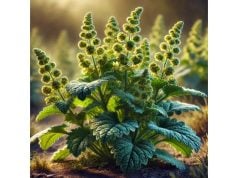
Duck potato, also called broadleaf arrowhead or wapato, is a wetland plant best known for its starchy edible tubers and long history of traditional use. It sits at an interesting crossroads between food and folk medicine: many people know it as a wild or cultivated carbohydrate source, while ethnobotanical records also describe uses for wounds, digestion, fever, and aches. That mix of practical food value and medicinal tradition is what makes it worth a closer look.
The most useful way to approach duck potato today is with balance. It has real strengths, including nourishment, culinary versatility, and a credible record of traditional use. At the same time, modern clinical evidence for medical dosing is limited, and some lab findings come from related Sagittaria species rather than Sagittaria latifolia itself. This guide explains what is known, what is promising, how to use it safely, and where caution matters most.
Quick Overview
- Duck potato tubers are a traditional starchy food and may support energy intake, satiety, and dietary variety when used like other root vegetables.
- Ethnobotanical records describe traditional uses for wounds, indigestion, headaches, and fever-related care, but modern clinical trials in humans are lacking.
- A practical food-based range is about 50 to 150 g of cooked tuber per serving, with larger amounts more likely to cause digestive heaviness.
- Avoid self-harvesting from polluted water bodies because aquatic plants can concentrate contaminants and carry surface microbes.
- Pregnant or breastfeeding people, young children, and anyone using duck potato for a medical condition should avoid medicinal-style use unless guided by a qualified clinician.
Table of Contents
- What duck potato is and what it contains
- Duck potato benefits and realistic outcomes
- How to use duck potato
- How much duck potato per day
- Side effects, interactions, and who should avoid it
- What the evidence actually shows
What duck potato is and what it contains
Duck potato is the common name for Sagittaria latifolia, an aquatic plant in the arrowhead family (Alismataceae). It grows in shallow water and wet soils, and it is recognized by its arrow-shaped leaves, white flowers, and underground tubers. In North America, it is also widely known as wapato or broadleaf arrowhead. Those tubers are the part most often used for food and, historically, for medicine.
A helpful detail for anyone researching this plant: “duck potato” and “arrowhead” can refer to more than one Sagittaria species. That matters because the scientific literature often mixes evidence from S. latifolia, S. trifolia, and S. sagittifolia. They are related, but they are not identical. If you are buying, harvesting, or evaluating research, the species name should always be checked.
In practical use, duck potato is best thought of first as a wetland root food with medicinal potential rather than a proven medical supplement. The tubers are rich in starch and have long been prepared much like potatoes. Traditional handling methods include roasting, boiling, and drying for storage. This food-first framing is important because it keeps expectations realistic and supports safer use.
The key compounds and constituent groups linked to Sagittaria species include:
- Starches and non-starch polysaccharides (major carbohydrate fractions)
- Dietary fiber
- Minerals and amino acids (reported in related Sagittaria tuber reviews)
- Phenolic compounds and organic acids
- Diterpenoids (including compounds studied for antimicrobial activity)
- Other bioactive fractions explored in lab studies, especially polysaccharides
For S. latifolia specifically, a notable lab study isolated antifungal diterpenoids from plant extracts, which supports the idea that the plant contains pharmacologically active molecules. That does not automatically translate into a home remedy that will treat infection, but it does show the plant is chemically active and worth scientific attention.
Two practical takeaways follow from this chemistry:
- Culinary and medicinal uses are not the same thing. A roasted tuber and a concentrated extract can behave very differently.
- Species-level accuracy matters. Many claims online come from studies on related Asian arrowhead species, not always broadleaf arrowhead.
If you keep those points in mind, you can use duck potato with a clearer understanding of what is traditional, what is plausible, and what still needs better human evidence.
Duck potato benefits and realistic outcomes
Duck potato is often described in bold terms, but the most reliable benefits are the practical ones: it is a useful traditional food, it expands dietary diversity, and it has a long record of ethnobotanical use. The stronger medicinal claims are best treated as emerging rather than established.
Food and nutrition advantages
As a starchy tuber, duck potato can serve many of the same roles as potato, taro, or other root vegetables. When cooked well, it can provide:
- Steady energy from complex carbohydrates
- Satiety support when included in a balanced meal
- Diet variety for people interested in traditional foods and wild edibles
- Culinary flexibility in soups, mash, roasts, and stews
This matters more than it may seem. In many traditional food systems, plants like duck potato were valuable not because they were marketed as “superfoods,” but because they were dependable, storable, and useful across seasons.
Traditional medicinal benefits
Ethnobotanical records for Sagittaria species, including S. latifolia, describe use in several settings. Recorded uses include preparations for:
- Wound cleaning and care
- Headaches
- Indigestion
- Fever-related bathing and supportive care
- Rheumatism and skin-related issues
- Mild laxative use in some traditions
These records are important because they preserve real historical practice. They also help modern researchers decide which plant compounds to study. Still, traditional use is not the same as modern proof of effectiveness. It tells us what communities used the plant for, not how well it works compared with current clinical treatments.
Emerging bioactive potential from Sagittaria research
Research on related Sagittaria species (especially S. trifolia and S. sagittifolia) has focused on polysaccharides and antioxidant activity. Lab and animal studies suggest possible effects in areas such as:
- Oxidative stress reduction
- Inflammation signaling
- Lipid and glucose metabolism support
- Immune modulation
- Coagulation-related effects (in modified polysaccharide studies)
These are interesting findings, but they come with two limits:
- They are often not studies of S. latifolia
- Many are in vitro or animal experiments, not human trials
Realistic outcomes for most users
For most people, the most realistic benefits of duck potato today are:
- A traditional, culturally meaningful food
- A starchy tuber option for seasonal or local cooking
- A plant with documented folk medicinal use and promising lab chemistry
- A topic for careful, evidence-aware herbal exploration, not self-treatment of disease
That framing protects you from hype while still respecting the plant’s value. Duck potato does not need exaggerated claims to be useful.
How to use duck potato
How you use duck potato depends on your goal. Most people should use it as a food first. Traditional medicinal uses exist, but modern standardized herbal products and dosing guidelines for Sagittaria latifolia are not well established.
1) Culinary use
This is the safest and most practical entry point. The tubers have been traditionally:
- Boiled
- Roasted
- Baked in embers
- Mashed
- Dried and stored, then re-cooked later
Modern kitchen use can follow the same logic. Wash thoroughly, peel if needed, and cook until fully tender. Texture and taste vary with size and harvest timing, but they are generally treated like a rustic potato.
Good uses include:
- Added to soups and broths
- Roasted with other root vegetables
- Mashed with a little fat and salt
- Sliced into stews
- Combined with grains or beans for a fuller meal
2) Traditional herbal-style use
Ethnobotanical records mention infusions and topical uses. If someone is exploring duck potato in a traditional herbal context, the key principle is do not assume a modern therapeutic dose exists.
Common forms described historically include:
- Root infusions (traditional internal or cleansing uses in specific communities)
- Leaf infusions (traditional bathing or small supportive uses)
- Topical washing or application for skin and wound-related care
Important caution: historical use does not mean a preparation is sterile, standardized, or appropriate for treating infections today. For any open wound, eye area issue, or persistent skin condition, modern medical care is safer.
3) Wild harvesting versus cultivated sources
Because duck potato grows in wetlands, sourcing matters more than with dryland herbs. If you harvest it yourself:
- Confirm species identity (do not rely on common name alone)
- Harvest from clean water only
- Avoid industrial, roadside, or runoff-heavy sites
- Clean tubers thoroughly
- Cook before eating
Aquatic plants can pick up contaminants from their environment. A clean-looking pond is not always a clean pond.
4) Powder, capsules, and extracts
These are far less standardized for duck potato than for well-known herbs. If you find a product labeled as arrowhead or Sagittaria:
- Check the exact species
- Check whether it is a food powder or an extract
- Avoid products with vague labels or no testing information
- Be cautious if the product makes disease-treatment claims
For most users, whole cooked tuber remains the most sensible form.
How much duck potato per day
There is no established clinical dosage for duck potato (Sagittaria latifolia) as a medicinal herb in humans. That is the most important dosing fact. Traditional use exists, and lab research is growing, but there is no widely accepted, evidence-based supplement dose like there is for some better-studied herbs.
The safest dosing approach is to separate food use from medicinal-style use.
Food-based serving range
For cooked duck potato tuber, a practical range is:
- 50 to 150 g cooked tuber per serving
- Often used 1 to 4 times per week, depending on the rest of the diet
This is a food portion, not a medical prescription. It is similar to how you would portion another starchy root in a meal. Start smaller if you have a sensitive stomach.
If using as a traditional preparation
Because there is no modern standardized dose, avoid concentrated or prolonged self-dosing. If someone still chooses a traditional-style preparation, keep these guardrails:
- Use small amounts
- Use it for short periods
- Avoid combining with multiple new herbs at once
- Stop if you notice digestive discomfort, rash, or unusual symptoms
Timing and meal context
Using duck potato as food usually works best:
- With meals, especially alongside protein and vegetables
- Earlier in the day if you prefer heavier starches at lunch rather than late dinner
- After cooking thoroughly, not raw
If you are using it as a starch replacement (instead of potato, rice, or bread), the timing is flexible. If you are watching blood sugar, pair it with fiber, protein, and movement after meals.
Variables that change how much is appropriate
The right amount can vary based on:
- Body size
- Activity level
- Digestive tolerance
- Overall carbohydrate intake
- Whether it is a side dish or main starch
- Health conditions (especially diabetes or kidney-related dietary restrictions)
What to avoid in dosing
Avoid these common mistakes:
- Treating duck potato extract studies as if they were food-serving guidance
- Copying doses from unrelated Sagittaria species without checking the species
- Assuming “natural” means unlimited use
- Using homemade preparations to self-treat infections or chronic disease
If your goal is health support, a conservative food-based approach is usually the best starting point. If your goal is treatment of a medical problem, use duck potato only as a complementary food unless a clinician advises otherwise.
Side effects, interactions, and who should avoid it
Duck potato is generally approached as a food, so serious side effects are uncommon when it is properly identified, cleaned, and cooked. The bigger risks usually come from source quality, overuse, or trying to use it as a substitute for proper medical treatment.
Possible side effects
Most side effects are mild and digestive:
- Bloating or heaviness after large servings
- Gas if you are not used to starchy tubers
- Digestive discomfort from undercooked tubers
- Nausea in sensitive individuals or with poorly prepared material
As with any plant food, allergy is possible, though it appears uncommon. Stop using it if you notice itching, rash, swelling, or breathing symptoms.
Source and contamination risks
This is the safety issue that deserves the most attention. Duck potato grows in aquatic environments, so self-harvested plants can be exposed to:
- Agricultural runoff
- Industrial contaminants
- Surface pathogens
- Stagnant-water contamination
Even if the plant is correctly identified, unsafe water can make the harvest unsafe. This is why cultivated or trusted-source tubers are often a better option than casual wild harvesting.
Interactions and special caution areas
There are no well-defined clinical drug interaction charts for S. latifolia, but a cautious approach is still smart.
Use extra caution if you are:
- Taking blood thinners or antiplatelet drugs
Research on related Sagittaria polysaccharides has explored coagulation effects in lab settings. That does not prove a food serving of duck potato will alter clotting, but it is enough to justify caution with concentrated preparations. - Managing diabetes
Duck potato is a starch source. It may fit well in a diabetes-friendly diet, but portion size matters. - Using multiple herbs or extracts
Combination use makes it harder to identify what caused a side effect.
Who should avoid medicinal-style use
Avoid using duck potato as a medicinal herb (beyond normal food use) unless supervised if you are:
- Pregnant
- Breastfeeding
- Giving it to infants or young children
- Preparing for surgery
- Immunocompromised
- Harvesting from uncertain water sources
- Using it to treat a wound, infection, or fever instead of seeking care
When to get medical help
Do not rely on duck potato alone for:
- Deep or infected wounds
- Persistent severe headache
- Ongoing abdominal pain
- Fever with dehydration or confusion
- Chronic inflammatory or metabolic conditions
Duck potato can be a supportive food. It is not a replacement for diagnosis or urgent treatment.
What the evidence actually shows
Duck potato has a strong traditional profile, but the modern evidence is mixed and highly species-dependent. The best way to read the science is to sort it into three tiers: ethnobotanical history, S. latifolia lab chemistry, and related-species preclinical research.
1) Ethnobotanical evidence is strong for traditional use
USDA ethnobotanical material on Sagittaria latifolia documents long-standing use of the tubers as food and records medicinal uses among Indigenous communities for wounds, headaches, indigestion, fever-related care, rheumatism, and laxative purposes. This is valuable evidence of traditional practice and cultural importance.
What it does not provide is modern proof of efficacy, standardized preparation, or safety data by dose.
2) S. latifolia has identified antifungal compounds in lab research
A peer-reviewed study on S. latifolia isolated antifungal diterpenoids from plant extract and reported activity against fungal pathogens in laboratory testing. One compound showed low microgram-per-milliliter inhibitory concentrations in vitro. That is a meaningful pharmacology signal.
Still, this is not the same as proving that a tea, tincture, or homemade extract is safe or effective for human fungal infections. Lab-isolated compounds and whole-plant home preparations are not interchangeable.
3) Related Sagittaria species show promising bioactivity
A review on Sagittaria trifolia tuber summarizes a broad range of constituents, including fiber, minerals, starches, non-starch polysaccharides, diterpenoids, and phenolic compounds. It also describes research suggesting antioxidant, hepatoprotective, hypoglycemic, lipid-regulating, and immunostimulatory potential, especially tied to polysaccharides.
More recent studies on related Sagittaria polysaccharides add detail:
- A 2023 open-access study on S. trifolia polysaccharide derivatives found measurable antioxidant and anticoagulant activity in vitro, including coagulation-time effects at defined concentrations.
- A 2025 mouse study on S. sagittifolia polysaccharide reported improvement in diabetic retinopathy markers and changes in inflammatory signaling.
These findings are promising, but they come with key limits:
- Mostly lab and animal data
- Often different species than duck potato
- Focus on purified fractions, not typical food use
- No established human clinical dose for S. latifolia
Bottom line on evidence quality
Duck potato is best supported as:
- A traditional edible wetland tuber
- A plant with documented ethnobotanical medicinal uses
- A chemically active genus with promising preclinical research
It is not yet supported as a clinically proven herbal treatment for specific diseases. The most evidence-aligned way to use it right now is as a carefully sourced food, with medicinal claims treated as preliminary unless stronger human research appears.
References
- BROADLEAF ARROWHEAD 2006 (Plant Guide) ([plants.usda.gov][1])
- LC-MS- and 1H NMR Spectroscopy-Guided Identification of Antifungal Diterpenoids from Sagittaria latifolia 2015 (Article record with DOI and abstract) ([Experts@Minnesota][2])
- Sagittaria trifolia tuber: bioconstituents, processing, products, and health benefits 2021 (Review) ([PubMed][3])
- Sulfated modification, basic characterization, antioxidant and anticoagulant potentials of polysaccharide from Sagittaria trifolia 2023 (Open Access Research Article) ([ScienceDirect][4])
- Sagittaria Sagittifolia Polysaccharide Ameliorates Diabetic Retinopathy in Mice via Inhibiting TLR4-Mediated Microglial Activation 2025 (Animal Study) ([PubMed][5])
Disclaimer
This article is for educational purposes only and does not replace medical advice, diagnosis, or treatment. Duck potato (Sagittaria latifolia) has important traditional uses and promising laboratory research, but modern clinical evidence in humans is limited, and there is no standardized medicinal dose. Do not use duck potato to self-treat infections, wounds, severe pain, fever, or chronic disease. If you are pregnant, breastfeeding, taking prescription medicines, managing a chronic condition, or considering wild-harvested plants, speak with a qualified healthcare professional before use.
If you found this article helpful, please share it on Facebook, X (formerly Twitter), or your preferred platform to help others learn about duck potato safely and accurately.