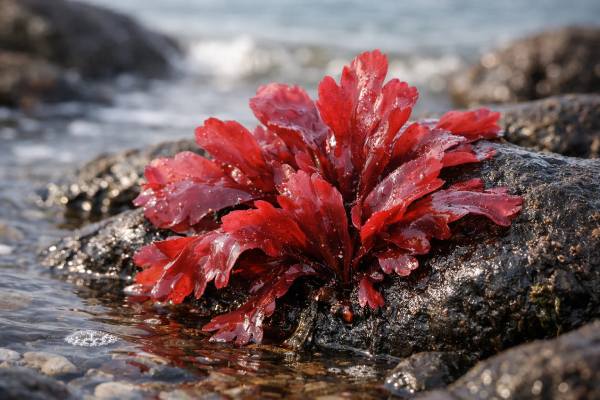
Dulse (Palmaria palmata) is a red sea vegetable traditionally harvested from cold North Atlantic waters and valued for its naturally salty, savory taste. Unlike many “superfood” trends, dulse has a long culinary history, and its appeal is practical: a small amount can add umami flavor while contributing minerals such as iodine, potassium, and iron. It is also notable among seaweeds for its relatively high protein content and for colorful pigments and antioxidant compounds that help the plant thrive in harsh marine conditions.
For health-minded readers, dulse sits at an interesting intersection of food and functional nutrition. It is most often used as flakes, whole dried strips, or powders mixed into meals, and it can be a helpful option for people who struggle to meet iodine needs—provided it is used carefully. Because iodine and other minerals can vary widely by product, understanding dosage and safety matters just as much as understanding benefits.
Essential Insights for Dulse
- Small servings can meaningfully boost iodine intake, but the iodine content can vary widely by product.
- A practical food range for many adults is about 1–5 g dried dulse per day, adjusted to the label and your total iodine intake.
- Overuse may trigger thyroid symptoms or digestive upset, especially if you already get plenty of iodine.
- Choose products that provide iodine values and contaminant testing, and avoid daily “unknown-dose” seaweed powders.
- Avoid or use only with clinician guidance if pregnant, managing thyroid disease, or taking thyroid medications.
Table of Contents
- What is dulse seaweed
- Key nutrients and compounds
- Dulse health benefits
- Best ways to use dulse
- How much dulse per day
- Side effects and interactions
- What the evidence shows
What is dulse seaweed
Dulse is a red macroalgae (often called a “sea vegetable”) that grows attached to rocks in cold, clean coastal waters, especially around the North Atlantic. When dried, it becomes a deep burgundy or purple-red strip or flake with a naturally briny flavor. Many people describe its taste as salty with a mild smokiness and a hint of sweetness—one reason it has become popular as a seasoning ingredient in plant-forward cooking.
From a nutrition perspective, dulse is different from many brown seaweeds (like kelps). It tends to be less extreme in iodine than some kelp varieties, while still providing a meaningful amount. It also stands out for higher protein content relative to many other seaweeds, plus a mix of minerals (potassium, magnesium, iron) and fibers that can support gut microbes. Because it is a whole food, dulse also delivers these nutrients in a matrix that includes complex carbohydrates, pigments, and minor bioactive compounds that are not found in isolated mineral supplements.
Dulse is sold in several forms, and the form affects how people use it—and sometimes how much they consume:
- Whole dried leaf (strips): Chewy when rehydrated, crisp when toasted.
- Flakes: Easy to sprinkle like salt or spice blends.
- Powder: Convenient for smoothies or sauces, but easier to overuse.
- Snack-style products: Often seasoned or roasted; iodine content may not be obvious.
It is worth treating dulse like a concentrated ingredient rather than a “free food.” A small pinch can change the flavor of a dish, and the same is often true nutritionally—especially for iodine. If you approach it like a seasoning, you are more likely to gain its benefits without drifting into excess.
Finally, quality matters more for seaweeds than for many land plants. Ocean conditions influence mineral uptake, and processing influences moisture and freshness. In practical terms, the best dulse products clearly identify the species, origin, and serving size, and they provide either mineral values or third-party testing information for iodine and contaminants.
Key nutrients and compounds
Dulse earns its “functional food” reputation less from one magic ingredient and more from the way several nutrients and bioactive compounds work together. Still, a few standouts explain most of the interest.
Iodine (variable, but central). Iodine is essential for thyroid hormone production, which influences energy, temperature regulation, and many aspects of metabolism. Seaweeds are among the most iodine-dense foods on earth, and dulse can meaningfully raise iodine intake even in small servings. The challenge is variability: iodine content depends on species, harvest location, season, and processing. This is why a label (or a tested product) matters more than a generic “seaweed is high in iodine” statement. If you want a broader primer on how iodine supports health and how to think about safe ranges, see iodine benefits and dosage considerations.
Minerals that shape daily physiology. Dulse commonly contributes:
- Potassium: Supports fluid balance, nerve signaling, and healthy blood pressure regulation.
- Magnesium: Involved in muscle function, stress response, and glucose metabolism.
- Iron: Supports oxygen transport; dulse can be a useful add-on for plant-based diets, though it should not be your only iron strategy.
- Calcium and trace elements: Smaller amounts, but part of the broader mineral “spectrum” seaweeds provide.
Protein and amino acids. Compared with many seaweeds, dulse can be relatively protein-rich on a dry-weight basis. That does not make it a primary protein source by calories, but it can contribute meaningful amino acids in a small serving, which is one reason it shows up in research and in food innovation as a potential protein ingredient.
Fibers and complex carbohydrates. Seaweed fibers are not identical to land-plant fibers. Dulse contains polysaccharides that may behave like prebiotics, feeding beneficial gut microbes and helping produce short-chain fatty acids that support the gut barrier and metabolic health. In real-world terms, this tends to translate to “gentle gut support” rather than dramatic effects—especially at seasoning-level doses.
Pigments and antioxidant compounds. As a red algae, dulse contains distinctive pigments such as phycobiliproteins (including phycoerythrin), along with polyphenols and other antioxidant molecules. These compounds help the algae handle UV exposure and oxidative stress in its environment. In humans, they are best viewed as supportive antioxidants—not as a replacement for an overall plant-rich diet.
Lipids in small amounts. Dulse is not a fatty food, but it can contain small amounts of beneficial fatty acids. These contributions are modest compared with fish, algae oils, or nuts and seeds, but they add to the overall “nutrient density per gram” profile that makes dulse interesting.
The main takeaway is simple: dulse is nutrient-dense, but it is also concentrated. If you treat it as a targeted ingredient—especially with iodine in mind—you can benefit from its minerals and bioactives without making it the center of your diet.
Dulse health benefits
Dulse is best thought of as a supportive food: it can strengthen nutritional foundations and add bioactive compounds, but it is unlikely to create dramatic “before and after” changes on its own. The most plausible benefits fall into a few categories.
1) Supporting iodine status and thyroid function (when iodine is low). In populations with low iodine intake—common in people who do not eat seafood and do not use iodized salt—small amounts of dulse may help close the gap. In that setting, improved iodine status can support normal thyroid hormone production, which affects energy level, temperature sensitivity, and metabolic rate. The key qualifier is “when iodine is low.” If you already get adequate iodine, adding seaweed daily is more likely to push you toward excess than toward benefit.
2) Cardiometabolic support through minerals and fibers. Dulse’s potassium and magnesium content may support healthy blood pressure regulation as part of a balanced diet. Its fibers and polysaccharides may also support healthier lipid and glucose handling by influencing gut microbes and digestion. These effects, when they occur, tend to be gradual and modest—more like a “nudge” than a medication-like result.
3) Antioxidant and inflammation-modulating potential. Red seaweeds contain pigments and antioxidant compounds that can help neutralize oxidative stress. In practical terms, that may be helpful for overall cellular resilience, recovery, and long-term health support—especially when paired with other antioxidant-rich foods. Think of dulse as a complement to a diet rich in colorful plants, not a substitute for them.
4) Micronutrient density for plant-forward diets. People who eat mostly plant-based diets sometimes struggle with iodine, and occasionally with iron. While dulse should not replace a well-designed nutrition plan (or medically indicated supplements), it can be a strategic ingredient: a measured amount provides minerals without adding many calories.
5) A “salt strategy” with nuance. Many people use dulse flakes to add savory flavor and reduce the need for table salt. This can be helpful, but it is not automatic: some seaweed products also contain sodium, and “salty taste” is not the same as “no sodium.” Still, using dulse as a flavor layer can help you rely less on salt-heavy sauces.
Where expectations go wrong. Dulse is often marketed as a detox tool, a rapid weight-loss aid, or a cure for thyroid issues. Those claims are not realistic. Seaweed can accumulate minerals (and sometimes contaminants), and the thyroid is sensitive to iodine swings. The healthiest approach is steady and measured: use dulse to enhance meals and fill specific nutritional gaps rather than to chase quick fixes.
One more practical note: if you already take an omega-3 supplement or focus on omega-3 foods, dulse can be an additional nutrient-dense accent—but it is not a primary omega-3 source. For a deeper look at omega-3s and how they are typically dosed, see omega-3 fatty acids benefits and usage.
Best ways to use dulse
Dulse is easiest to use when you think of it as a seasoning with benefits. The goal is to get consistent, modest intake rather than occasional “seaweed binges” that may overshoot iodine.
Common forms and how to use them
- Flakes: The most user-friendly option. Sprinkle on eggs, avocado toast, roasted vegetables, popcorn, grain bowls, or soups.
- Whole dried strips: Tear into pieces and add to stews and chowders, or toast briefly for a crisp snack.
- Powder: Blend into sauces, dips, salad dressings, or smoothies. Use extra caution with measurement because powders pack more into a spoon.
- Snack products: Convenient, but check whether they are mixed with salty seasonings that can make intake harder to track.
Simple preparation tips (taste and digestion)
- Start with a pinch. Dulse flavor is intense; most people need less than they think.
- Try toasting. A quick dry pan toast can bring out a “smokier” note and crisp texture. Watch closely to avoid burning.
- Rinse if it tastes overly briny. A brief rinse can mellow saltiness. Keep in mind that rinsing and soaking may also reduce mineral content, including iodine, in unpredictable ways—another reason not to rely on seaweed as your only iodine plan.
- Pair with acid and fat. Lemon, vinegar, olive oil, and sesame often help “round” seaweed flavors.
Practical use cases that fit real life
- For busy meals: Mix dulse flakes into hummus, yogurt-based dips, or tahini sauces.
- For soups and broths: Add small strips near the end of cooking to preserve flavor and texture.
- For plant-based cooking: Use dulse to add savory depth to lentils, beans, and roasted mushrooms.
- For “bacon-style” flavor: Some people pan-fry dulse with a little oil until crisp. This can be tasty, but it also makes it easier to eat more than intended—measure your starting amount.
Storage and handling
Keep dulse in an airtight container away from heat, humidity, and sunlight. Seaweed readily absorbs moisture; once it gets damp, it can lose crispness and develop off flavors. If you live in a humid climate, consider storing it in a sealed jar and using a clean, dry spoon every time.
The most sustainable habit is also the safest: use dulse often enough to enjoy it, but in small measured amounts that keep iodine intake steady and predictable.
How much dulse per day
Because dulse is usually eaten dried and in small amounts, “dosage” is best framed as a practical serving range plus a strategy for managing iodine variability. Think of your dulse routine as adjustable: you can scale up or down based on the product label, your overall diet, and whether you have thyroid risk factors.
A practical daily range for many adults (food use). For generally healthy adults who are not pregnant and do not have known thyroid disease, a common food-range approach is:
- Low starting amount: 0.5–1 g dried dulse per day (or every other day)
- Typical food range: 1–5 g dried dulse per day
- Seasoning-style intake: 1/4–1 teaspoon flakes daily, depending on density
This range is intentionally broad because iodine content can vary substantially. If your product label provides iodine per serving, use that number to guide intake. If it does not, avoid making dulse a daily supplement-like habit.
Why iodine is the limiting factor. Adults generally need iodine daily, but there is also a tolerable upper limit for chronic intake. With seaweed, it is possible to exceed that upper limit without realizing it—especially with powders, capsules, or “heaping spoon” habits. If you want to eat dulse frequently, choose a product that states iodine content clearly and stick to the listed serving size.
Timing and duration. Dulse does not require a special schedule. People often do best with:
- With meals: Helps with tolerance and reduces the chance of nausea.
- Consistent small servings: Better than sporadic large servings for thyroid steadiness.
- Periodic breaks if intake is unclear: If your iodine exposure is uncertain, use dulse a few times per week rather than daily.
Special populations and cautious dosing
- Pregnancy and breastfeeding: Iodine needs change, and both deficiency and excess can matter. Do not self-prescribe seaweed. Use clinician guidance and rely on tested prenatal strategies.
- Children: Smaller bodies need less iodine. If offered at all, use tiny seasoning-level amounts and avoid concentrated powders.
- Thyroid conditions: With hypothyroidism, Hashimoto’s, Graves’ disease, nodules, or goiter history, treat seaweed as a “medical-adjacent” food and use clinician guidance.
Comparing seaweeds to avoid surprises. One reason people accidentally overdo iodine is assuming all seaweeds behave the same. Some brown seaweeds (often sold as kelp) can be much higher in iodine than many red seaweeds. If you are deciding between options, you may find it helpful to read kelp benefits and safe use to understand why iodine management becomes more important with certain species.
If you ever notice new thyroid-like symptoms (unusual fatigue, palpitations, heat or cold intolerance, neck fullness, or unexpected weight changes) after increasing seaweed intake, reduce or stop dulse and seek medical guidance.
Side effects and interactions
Dulse is generally well tolerated as a food when used in modest amounts, but “generally” depends on dose, product quality, and individual thyroid sensitivity. The main risks fall into a few predictable categories.
Digestive side effects (most common). Seaweed fibers and minerals can be a change for the gut. Possible effects include:
- Bloating or gas, especially when starting
- Loose stools if you take a large amount at once
- Nausea or a “minerally” aftertaste if eaten on an empty stomach
Most people reduce these risks by starting with a small amount and keeping dulse with meals.
Thyroid-related effects (dose and susceptibility dependent). The thyroid can react to both iodine deficiency and iodine excess. If you suddenly increase iodine intake—especially with daily seaweed powders or supplements—some people may experience thyroid shifts. This matters most for those with:
- Hashimoto’s thyroiditis or Graves’ disease
- Thyroid nodules or goiter history
- Previous iodine sensitivity
- A family history of autoimmune thyroid disease
Medication interactions to consider
- Thyroid hormone replacement (levothyroxine): Iodine swings can complicate symptom tracking and lab stability.
- Anti-thyroid drugs: Additional iodine can interfere with treatment goals.
- Amiodarone and lithium: Both are known to affect thyroid function; adding variable iodine increases complexity.
- Warfarin: Seaweeds can contain vitamin K, which may affect anticoagulation stability in some cases. Consistency matters; sudden dietary shifts are the bigger problem than small steady intake.
Kidney and electrolyte considerations. Dulse can be relatively high in potassium. For most healthy people this is a benefit, but people with chronic kidney disease or those on potassium-sparing medications should be cautious.
Contaminants and quality risks. Seaweeds can accumulate heavy metals and other environmental contaminants depending on growing conditions. That does not mean seaweed is “unsafe,” but it does mean source and testing matter. Choose reputable brands that test for arsenic (including inorganic arsenic when relevant), cadmium, lead, and mercury, and avoid products with vague sourcing.
Who should avoid dulse or use only with clinician guidance
- Pregnant or breastfeeding individuals
- People with diagnosed thyroid disease, nodules, or unexplained thyroid symptoms
- Those taking thyroid-active medications (including amiodarone or lithium)
- Individuals with chronic kidney disease or medically managed potassium restrictions
- Anyone using concentrated seaweed supplements without labeled iodine content
If you are exploring seaweed for thyroid support, it can also help to understand that different seaweeds have different iodine profiles and different risk patterns. For context, see bladderwrack and thyroid considerations, which highlights why “seaweed for thyroid” needs a careful, individualized approach.
What the evidence shows
The most responsible way to evaluate dulse is to separate what is well supported (nutrient density and iodine impact) from what is promising but still developing (specific therapeutic outcomes).
Strongest evidence: nutrient contribution and iodine effects. It is well established that seaweeds can materially affect iodine intake, and that iodine intake influences thyroid function markers. In other words, dulse can “do something” measurable—especially if your baseline iodine intake is low or if your seaweed intake becomes frequent. This is not always a benefit; the direction depends on your starting point. For many people, the best use of dulse is simply as a measured iodine-containing food rather than a therapy.
Moderate evidence: cardiometabolic support is plausible, but outcomes vary. Seaweed fibers and bioactive compounds have mechanisms that plausibly support lipids, glucose handling, and inflammation balance. Some human research exists on seaweed ingredients and extracts, but the results tend to be modest and depend on dose, duration, and the specific preparation used. It is also hard to generalize from “seaweed extract in a trial” to “a pinch of dulse flakes on dinner,” because the doses and concentrations are different.
Early evidence: antioxidant and bioactive compounds are interesting. Lab studies often show antioxidant activity, and seaweed pigments and polysaccharides continue to draw research interest for immune and metabolic signaling. But translating these findings into clear clinical outcomes is still a work in progress. The safest interpretation is: these compounds may add supportive value, but they do not replace foundational habits like fiber intake from plants, adequate protein, sleep, and movement.
What to do with uncertainty: choose a food-first approach. If you enjoy dulse, the easiest “evidence-aligned” strategy is to use it as a seasoning or small food serving a few times per week, in a way that makes your diet more satisfying and nutrient-dense without chasing supplement-like doses.
How to choose a safer, more predictable product
- Look for species identification: Palmaria palmata should be stated clearly.
- Prefer labeled iodine content: This is one of the most practical safety features.
- Seek contaminant testing: Ideally a certificate of analysis or clear testing claims for heavy metals.
- Avoid mystery powders and mega-servings: If a serving size is large, the iodine risk rises quickly.
- Check freshness and storage: Bright color and clean ocean scent (not musty) are good signs; store airtight.
If you are comparing marine superfoods more broadly, it can be useful to contrast sea vegetables with microalgae products, which often have different nutrient profiles and different contamination concerns. A helpful comparison point is spirulina nutrition and immune benefits.
In short, the evidence supports dulse as a nutrient-dense sea vegetable that can meaningfully affect iodine intake. The evidence is less definitive for specific disease outcomes, which is why dosage, product choice, and personal thyroid context should guide how you use it.
References
- Iodine, Seaweed, and the Thyroid 2021 (Review)
- Dietary exposure to heavy metals and iodine intake via consumption of seaweeds and halophytes in the European population 2023 (Scientific Report)
- Seaweed Nutritional Value and Bioactive Properties: Insights from Ascophyllum nodosum, Palmaria palmata, and Chondrus crispus 2024
- Determination of the Nutrient and Toxic Element Content of Wild-Collected and Cultivated Seaweeds from Hawai‘i 2024
- Impact of habitual seaweed consumption on iodine nutrition and thyroid function: a non-randomized pre-post clinical study 2026
Disclaimer
This article is for educational purposes only and does not provide medical advice, diagnosis, or treatment. Seaweeds such as dulse can significantly affect iodine intake, and iodine changes may influence thyroid function—especially in pregnancy, in people with thyroid disorders, or in those taking thyroid-active medications. If you have a thyroid condition, are pregnant or breastfeeding, have kidney disease, or take prescription medications, speak with a licensed clinician before using dulse regularly or in concentrated forms. Seek medical care promptly for symptoms that could suggest thyroid dysfunction, allergic reaction, or heavy metal exposure.
If you found this guide helpful, consider sharing it on Facebook, X (formerly Twitter), or your favorite platform so others can make safer, more informed choices about sea vegetables.