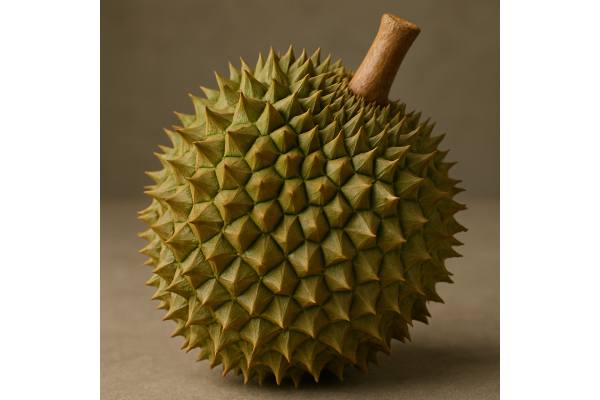
Durian divides opinion, but its nutrition profile and culinary range make it worth a closer look. Beneath the thorny husk sits a custard-like flesh that’s naturally sweet, rich, and aromatic, with varieties ranging from vanilla-almond to caramel-onion notes. A typical serving delivers potassium, vitamin C, B vitamins, and fiber—plus unique sulfur-containing compounds and polyphenols that researchers continue to study for antioxidant and anti-inflammatory activity. Durian is energy-dense and filling, so small portions go a long way. In the kitchen, it’s surprisingly versatile: eaten fresh, blended into smoothies, folded into sticky rice, or baked into pastries and custards. If you’re new to durian, start with a small amount from a reputable seller, store it carefully (the aroma is persistent), and learn how ripeness affects taste, texture, and handling. This guide explains the science, benefits, risks, and best practices—so you can enjoy durian with confidence and respect your health needs and preferences.
Quick Overview
- One 100 g portion provides ~147 kcal, ~27 g carbohydrates, ~5 g fat, ~1.5 g protein, ~3.8 g fiber, and ~436 mg potassium.
- Emerging research links durian’s polyphenols and sulfur compounds to antioxidant and anti-inflammatory effects; evidence in humans is still limited.
- Typical serving: 75–100 g (about 2–3 arils) once or twice per week fits many balanced diets.
- People with chronic kidney disease or on potassium-restricted diets should limit durian; avoid combining with alcohol due to potential enzyme interference.
- Those with banana or latex-fruit cross-reactivity should be cautious and consider allergy testing.
Table of Contents
- Durian, Defined: Detailed Overview
- Durian Nutrition Profile (per 100 g)
- Evidence-Based Health Benefits of Durian
- Risks, Allergies and Interactions
- Selecting Durian, Quality, Sustainability and Storage
- Preparation, Cooking and Nutrient Retention
- Portions, Comparisons and FAQs
Durian, Defined: Detailed Overview
Durian (Durio zibethinus and related species) is a large, spiny tropical fruit native to Southeast Asia. It’s often called the “king of fruits,” not for royalty or rarity, but because a single durian can weigh 1.5–3 kg and dominate a market stall with its scent. Inside the thick husk are five chambers that hold pale yellow to deep golden arils—soft, custard-like pods surrounding large seeds. The flesh is sweet and complex, with a texture somewhere between avocado and crème pâtissière, and flavor descriptors ranging from vanilla, almond, caramel, and butterscotch to savory, allium-like notes. Those savory aromas come from sulfur-containing volatiles—part of what makes durian instantly recognizable.
Durian is a climacteric fruit, meaning it continues to ripen after harvest. Depending on cultivar and harvest stage, ripening can take several days, during which sugars increase and texture softens. Common export cultivars include Monthong, Chanee, D24, and Musang King; each has distinct sweetness, bitterness, fat feel, and aroma balance. Monthong is mild and sweet with thick flesh; Musang King tends to be more bittersweet and intensely aromatic. Local and wild species (e.g., Durio dulcis) can differ in color, flavor, and fatty acid composition.
Nutritionally, durian is energy-dense for a fruit because its pulp contains not only carbohydrates but also meaningful amounts of fat—mostly a mix of monounsaturated and saturated fatty acids that contribute to a creamy mouthfeel. Per 100 g, durian typically provides ~147 kcal, ~27 g carbohydrate, ~5 g fat, ~1.5 g protein, and ~3.8 g fiber, along with potassium (~436 mg), vitamin C (~20 mg), and several B vitamins (notably thiamin and vitamin B6). The fruit also contains polyphenols, carotenoids, and distinctive sulfur-bearing compounds; these have become a focus of recent lab and cell-based research on antioxidant and anti-inflammatory activity. While such findings are promising, most outcomes remain preclinical, and human studies are limited.
Culturally and culinarily, durian shows up in everything from fresh desserts and sticky rice to crepes, mooncakes, gelato, and pastry creams. In savory cooking, it can be paired with coconut milk, sticky rice, and even salty ingredients like fried shallots to balance sweetness. Because the aroma can permeate other foods, airtight storage is essential. If you’re trying durian for the first time, start with small portions and a ripe—but not overripe—fruit or a reputable frozen pulp to get a clean, consistent flavor experience.
Durian Nutrition Profile (per 100 g)
Below are typical nutrient values for raw or frozen durian pulp per 100 g. Actual values vary by cultivar, ripeness, and growing conditions.
Macros and Electrolytes (per 100 g)
| Nutrient | Amount | % Daily Value (%DV) |
|---|---|---|
| Energy | 147 kcal | — |
| Water | 65 g | — |
| Carbohydrate | 27.1 g | — |
| Dietary Fiber | 3.8 g | 14% |
| Protein | 1.5 g | 3% (of 50 g) |
| Total Fat | 5.3 g | 7% (of 78 g) |
| Sodium | 2 mg | 0% (of 2,300 mg) |
| Potassium | 436 mg | 9% (of 4,700 mg) |
| Magnesium | 30 mg | 7% (of 420 mg) |
| Phosphorus | 39 mg | 3% (of 1,250 mg) |
Carbohydrates
| Component | Amount | Notes |
|---|---|---|
| Total Carbohydrate | 27.1 g | Mostly natural sugars plus starch; varies with ripeness. |
| Dietary Fiber | 3.8 g | A mix of soluble and insoluble fiber supporting satiety and gut function. |
Fats and Fatty Acids (overview)
| Component | Amount | Notes |
|---|---|---|
| Total Fat | 5.3 g | Contributes to creamy texture and sustained energy. |
| Dominant Fatty Acids | — | Palmitic (SFA), oleic (MUFA), linoleic (PUFA); proportions vary by cultivar. |
Protein and Amino Acids
| Component | Amount | Notes |
|---|---|---|
| Protein | 1.5 g | Not a high-protein fruit; complements other protein foods. |
Vitamins
| Vitamin | Amount | %DV |
|---|---|---|
| Vitamin C | ~20 mg | 22% |
| Thiamin (Vitamin B1) | ~0.37 mg | 31% |
| Riboflavin (Vitamin B2) | ~0.20 mg | 15% |
| Niacin (Vitamin B3) | ~1.1 mg | 7% |
| Vitamin B6 | ~0.32 mg | 19% |
| Folate (DFE) | ~36 µg | 9% |
| Vitamin A (RAE) | ~2 µg | 0% |
Minerals
| Mineral | Amount | %DV |
|---|---|---|
| Potassium | ~436 mg | 9% |
| Magnesium | ~30 mg | 7% |
| Phosphorus | ~39 mg | 3% |
| Iron | ~0.43 mg | 2% |
| Calcium | ~6 mg | 0% |
| Copper | ~0.20 mg | 22% |
| Manganese | ~0.30 mg | 13% |
| Zinc | ~0.28 mg | 3% |
Bioactives / Phytonutrients (qualitative)
- Polyphenols (e.g., flavonoids), carotenoids (trace), and distinctive volatile sulfur compounds.
- γ-glutamylcysteine and related sulfur-bearing molecules are of research interest for redox effects.
Glycemic and Acid–Base Metrics
- Durian contains fiber and modest fat, which can blunt rapid glycemic rises when eaten in typical portions. Pairing with protein or extra fiber further moderates post-meal glucose. (Values vary by cultivar and ripeness.)
Notes: Values are averages from commonly reported composition data for raw/frozen durian pulp. Cultivar, maturity, and postharvest handling influence results. Packaged durian snacks (e.g., chips, candies) often contain added sugars or oils and have different profiles.
Evidence-Based Health Benefits of Durian
1) Potassium supports blood pressure balance.
A 100 g portion of durian provides roughly 436 mg of potassium—about 9% of the daily value. Potassium helps counter sodium’s effect on blood pressure by facilitating vasodilation and assisting sodium excretion. People with normal kidney function typically benefit from including potassium-rich foods as part of a balanced diet featuring vegetables, fruits, whole grains, and lean proteins.
2) Antioxidant and anti-inflammatory potential.
Durian pulp contains polyphenols and unique sulfur-containing molecules under active investigation. Cell and lab studies report antioxidant activity (scavenging reactive oxygen species, supporting cellular defenses) and modulation of inflammatory pathways (e.g., reduced nitric oxide or cytokine signaling in stimulated immune cells). Early work also suggests durian extracts may influence intracellular glutathione, the body’s central antioxidant, aligning with the presence of γ-glutamylcysteine precursors in the fruit. While promising, these findings are primarily preclinical; they do not confirm disease treatment or prevention in humans. The practical takeaway: reasonable servings of durian can contribute to your overall antioxidant intake, but they should complement—not replace—vegetable-rich, whole-food patterns.
3) Fiber for digestive comfort and satiety.
At ~3.8 g per 100 g, durian provides fiber that supports regularity, feeds beneficial gut microbes, and increases fullness. Pairing durian with high-fiber foods (chia seeds, oats, or fresh berries) can further stabilize post-meal blood sugar and extend satiety—useful if you’re enjoying durian as a dessert or snack.
4) B vitamins for energy metabolism.
Durian is one of the fruit world’s better sources of thiamin (B1) and provides vitamin B6 and niacin as well. These vitamins support carbohydrate metabolism and neurotransmitter synthesis. In energy-demanding situations—athletic training, long hikes, or physically intensive work—a small durian portion can offer quick fuel alongside B-vitamin cofactors.
5) Culinary satisfaction can reduce “compensation” eating.
Because durian is intensely flavorful and creamy, mindful portions often satisfy dessert cravings with a relatively small amount (75–100 g). Savoring a portion slowly can help prevent overeating other sweets. When served with protein (e.g., Greek yogurt) or high-fiber add-ins (e.g., chia), it becomes more balanced and filling.
6) Nutrient substitution and plant-forward diversity.
In many cuisines, durian adds variety to fruit intake, which is valuable nutritionally and culturally. It can substitute for higher-sugar pastries in desserts and helps diversify phytochemical exposure alongside staples like mango, papaya, and banana. That said, it’s still energy-dense; mindful servings remain important.
What the evidence does not show yet: There are no high-quality clinical trials demonstrating durian cures or prevents specific diseases. Most benefits are inferred from composition and preclinical studies. Enjoy durian as part of a varied, plant-forward diet—not as a functional “fix” on its own.
Risks, Allergies and Interactions
Energy density and portion control.
Durian is richer in calories and fat than most fruits. Large portions can add up quickly if you’re monitoring energy intake for weight management or blood glucose. A practical starting point for most adults is 75–100 g (about 2–3 arils) per sitting.
Potassium load for kidney conditions.
Durian’s potassium (~436 mg per 100 g) is helpful for many people, but those with chronic kidney disease (CKD) or on potassium-restricted diets should limit or avoid it as advised by their clinician or renal dietitian. Medications that raise potassium (e.g., certain RAAS inhibitors or potassium-sparing diuretics) may require additional caution and lab monitoring.
Alcohol interaction—play it safe.
Laboratory research indicates durian extracts can inhibit aldehyde dehydrogenase (ALDH), the enzyme that clears acetaldehyde during alcohol metabolism. In theory, this could intensify unpleasant effects (flushing, nausea, palpitations) when durian and alcohol are consumed together. Although human data are sparse, the prudent approach is to avoid combining durian with alcoholic drinks and to wait at least several hours between them.
Allergies and cross-reactivity.
Fruit allergy patterns can be complex. Individuals with IgE-mediated banana allergy or latex-fruit syndrome sometimes react to botanically unrelated fruits through shared or cross-reactive proteins. Recent clinical data show that a substantial fraction of banana-allergic adults report reactions to other fruits—including durian. If you have a history of fruit allergy, especially to banana, avocado, kiwi, or latex, consult an allergist before trying durian. Oral symptoms (itching, lip swelling) warrant caution; systemic symptoms (hives, wheezing, dizziness) require emergency care.
Digestive sensitivity.
Because durian is rich and aromatic, some people experience bloating or discomfort if they eat large amounts, particularly when combined with heavy, fatty meals. Introduce small portions and assess your tolerance.
Medications and special populations.
- Diabetes: Durian can fit into carbohydrate budgets in modest portions. Pair with protein/fiber and monitor post-meal glucose.
- Pregnancy: Food safety and moderation matter most. Choose reputable sources, hygienic handling, and modest portions within total energy needs.
- Children: The texture and aroma may be intense. Offer very small amounts in age-appropriate contexts and watch for allergy symptoms.
Bottom line: Respect the aroma, the energy, and your own health context. When in doubt—especially for kidney disease, allergy history, or medication interactions—seek personalized advice.
Selecting Durian, Quality, Sustainability and Storage
How to choose a good durian (whole fruit):
- Look: Even color (light green to yellow-green, cultivar-dependent) with no blackened seams or mold. Hairline cracks at the seams can indicate ripeness but avoid fruits with leaking pulp.
- Smell: A ripe durian has a distinct but not overpowering aroma. If the smell is harsh or fermented, the flesh may be overripe.
- Stem: Freshly cut stems are moist and greenish at the cut face; a dry, shriveled stem suggests age.
- Sound and feel: Gentle tapping should yield a subtle, hollow resonance; thorns feel firm, not rubbery. Avoid fruits that feel water-logged or have soft spots.
When to buy frozen pulp or pre-processed products:
Frozen durian pulp offers reliable ripeness, consistent texture, and simpler storage—ideal for first-timers and for recipes. Freeze-dried durian preserves flavor but concentrates sugars and calories; chips are usually fried and salted, shifting the nutrition profile.
Storage and handling best practices:
- Whole fruit: Keep cool and ventilated. For mature unripe durians, cool storage (around the mid-teens °C) slows ripening; once ripe, plan to eat within several days.
- Opened fruit: Transfer arils to airtight containers to prevent odor transfer. Refrigerate and consume within 48–72 hours for best texture and flavor.
- Freezing: Spread arils on a lined tray to freeze individually, then move to airtight bags. Quality remains good for ~2–3 months. Thaw in the refrigerator to preserve texture.
- Odor control: Double-container the pulp, wipe container rims, and store away from odor-absorbing foods. Baking soda boxes help absorb residual smells.
Sustainability pointers:
Durian demand has climbed, expanding orchards in parts of Southeast Asia. Where you have a choice, prioritize producers that:
- Practice diverse planting and integrated pest management,
- Minimize postharvest losses with careful picking and temperature management,
- Use responsible water and soil practices, and
- Offer transparent sourcing (farm, region, and cultivar).
Food safety tips:
Buy from reputable sellers who maintain cold chains for pulp and frozen products. Avoid cracked fruits with exposed pulp sitting at ambient temperatures. At home, keep raw durian separate from ready-to-eat foods, wash hands and tools after handling the husk, and refrigerate leftovers promptly.
Preparation, Cooking and Nutrient Retention
How to open a durian safely
- Place the fruit stem-side up on a stable cutting board. Wear cut-resistant gloves or wrap a thick towel around the hand that holds the fruit.
- With a sturdy knife, make a shallow incision along a natural seam from the base (opposite the stem).
- Twist the knife gently to open the seam, then pull apart by hand.
- Remove arils with a spoon; discard or save seeds for roasting experiments (not typically eaten raw).
Best ways to enjoy fresh pulp
- Simple tasting: Chill lightly, then serve 75–100 g with unsweetened tea or sparkling water.
- Balanced dessert bowl: 75 g pulp + 100–150 g plain yogurt + chia or toasted oats; top with a squeeze of lime to brighten flavor.
- Sticky rice pairing: Combine with lightly salted coconut sticky rice; the salt balances sweetness and enhances aroma.
- Smoothies (small): 60–80 g pulp + ice + milk or a plant drink; add spinach or cucumber for freshness.
Cooking and baking ideas
- Custards and tarts: Blend pulp with eggs and milk, then bake gently to preserve aroma.
- Pancakes and crêpes: Spread thinly as a filling with a splash of citrus and a pinch of salt.
- Ice cream or semifreddo: Fold pulp into a neutral base; freeze slowly for a luscious texture.
Nutrient retention tips
- Vitamin C is heat-sensitive. Favor raw or minimally heated preparations if vitamin C matters to you.
- Aroma preservation: Avoid prolonged high heat; add pulp near the end of cooking or use it primarily in fillings and toppings.
- Glycemic balance: Pair durian with protein (yogurt, tofu), extra fiber (chia, oats), or nuts to moderate post-meal glucose.
- Portion mindfulness: Because durian is energy-dense, small servings provide flavor and satisfaction without excessive calories.
What not to do
- Don’t cook durian at high heat for long periods—aroma compounds can become harsh.
- Don’t leave opened fruit at room temperature; texture and safety decline quickly.
Portions, Comparisons and FAQs
Practical portions and frequency
- Standard portion: 75–100 g (about 2–3 arils).
- How often: 1–2 times per week fits many balanced eating patterns. Adjust based on energy needs, blood glucose goals, and kidney function.
- Who should limit: Individuals with CKD or on potassium-restricted diets; those with fruit/latex allergies or banana allergy (discuss with an allergist); anyone who notices intolerance symptoms.
- Children: Offer very small tastes, monitor for reactions, and avoid choking hazards (remove seeds and fibers).
Comparisons with similar fruits (typical per 100 g)
- Durian vs banana: Durian has more fat and calories but similar potassium; banana is higher in total carbohydrate and often lower in fat.
- Durian vs jackfruit: Ripe jackfruit is leaner, typically lower in fat, and less energy-dense; both are rich in potassium.
- Durian vs avocado: Avocado has much more fat (mostly monounsaturated) and less carbohydrate; both are creamy, but avocado is not sweet.
FAQs
Is durian “good for heart health”?
In moderation, durian can be part of a heart-conscious diet: it provides potassium and fiber. Keep portions modest, emphasize vegetables, legumes, whole grains, and healthy fats, and limit high-sugar or fried durian snacks.
Can people with diabetes eat durian?
Yes—within a planned carbohydrate budget. Start with ~75 g, pair with protein and fiber, and check how your glucose responds. The natural fat and fiber in durian can slow digestion, but portion control is still key.
Is durian low-FODMAP or keto-friendly?
Durian is not well characterized in FODMAP databases and is relatively high in carbohydrates, so it’s generally not a keto food. Those on therapeutic low-carb diets should keep portions very small or choose other options.
Why avoid alcohol with durian?
Lab studies suggest durian can inhibit aldehyde dehydrogenase (ALDH), an enzyme needed to metabolize acetaldehyde (a toxic alcohol by-product). Combining durian with alcohol may worsen flushing, nausea, and palpitations. Best practice: keep them separate.
How do I get rid of the smell in my fridge?
Use airtight containers, double-bag if needed, and place an open box of baking soda or coffee grounds nearby. Wipe shelves with diluted vinegar after storing durian.
Are the seeds edible?
Raw seeds are not eaten. Some cuisines boil or roast seeds after removing the husk and any bitter outer layers. If experimenting, ensure thorough cooking and consume sparingly.
References
- FoodData Central (Data portal; nutrition composition reference for raw/frozen durian).
- Antioxidant and anti-inflammatory activities of durian (Durio zibethinus) pulp – PubMed 2022 (In vitro/cell-based research).
- Chemical constituents and pharmacological effects of durian shells in ASEAN countries: A review – PubMed 2021 (Systematic review of composition and experimental pharmacology).
- Not Just a Banana: The Extent of Fruit Cross-Reactivity and Reaction Severity in Adults with Banana Allergy – PubMed 2023 (Cross-reactivity clinical study including durian).
- Inhibition of aldehyde dehydrogenase enzyme by Durian (Durio zibethinus Murray) fruit extract – ScienceDirect 2009 (Mechanistic study relevant to alcohol interaction).
Medical Disclaimer
This article is for general information only and is not a substitute for personalized medical advice, diagnosis, or treatment. Always consult your healthcare professional—especially if you have chronic kidney disease, diabetes, allergies, or take medications that affect potassium—before making dietary changes. If you experience symptoms of an allergic reaction (such as hives, wheezing, or dizziness) after eating durian, seek emergency care.
If you found this guide useful, please consider sharing it with friends or on Facebook or X. Your support helps us continue creating clear, trustworthy nutrition resources.