Dwarf mallow (Malva neglecta) is a gentle, mucilage-rich herb traditionally used to soothe irritated tissues rather than “force” strong effects. Its softening, coating action is why many people reach for it when a dry, scratchy throat, tickly cough, or mild stomach upset makes daily life uncomfortable. The leaves and flowers contain slippery polysaccharides (mucilage) along with polyphenols such as flavonoids and phenolic acids, which may contribute to its calming, antioxidant, and mild anti-inflammatory profile.
In practice, dwarf mallow is most often prepared as a tea or cold infusion for throat and digestive support, and it can also be used externally as a compress for minor skin irritation. The key to using it well is understanding what it does best: providing surface-level relief and comfort while the body heals. It is not a substitute for medical care when symptoms are severe, persistent, or accompanied by warning signs like fever, breathing difficulty, or dehydration.
Essential Insights
- May soothe oral and throat irritation with associated dry cough by coating mucous membranes.
- Often used for mild stomach and gut discomfort, especially when irritation is the main issue.
- Typical tea range: 1.5–2 g dried leaf per cup, up to 3 cups daily (about 4.5–6 g per day).
- Separate from oral medicines by about 2 hours; avoid medicinal use in children under 12 and during pregnancy or breastfeeding unless a clinician advises.
Table of Contents
- What is dwarf mallow?
- Key ingredients and actions
- What does it help with?
- How to use it safely
- How much dwarf mallow per day
- Side effects and who should avoid
- What the evidence says
What is dwarf mallow?
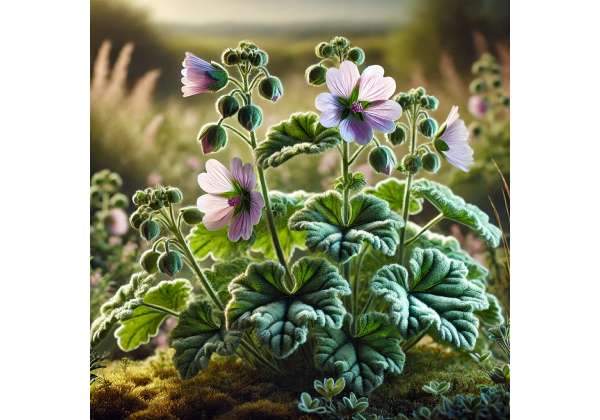
Dwarf mallow (Malva neglecta) is a low-growing member of the Malvaceae family, a plant family known for soothing, mucilage-rich herbs. Depending on where you live, it may be called cheeseweed, buttonweed, or simply mallow. It typically grows close to the ground with rounded, softly lobed leaves and small pale flowers. Because it can thrive in disturbed soils, it is often found in yards, field edges, and roadsides.
From a wellness perspective, the “personality” of dwarf mallow is defined by comfort and protection. Traditional use focuses on tissues that feel hot, dry, irritated, or inflamed—especially the mouth, throat, and upper digestive tract. When mixed with water, dwarf mallow’s mucilage swells and becomes slippery, forming a soothing layer that can reduce the friction and sting that make a sore throat or upset stomach feel worse. This is why many classic preparations emphasize slow sipping, frequent small doses, and gentle extraction methods.
Parts used and common forms
- Leaves (most common): Dried leaf is widely used for tea or liquid preparations.
- Flowers (sometimes): Often included for flavor and additional plant pigments and polyphenols.
- Fresh plant (culinary): In some traditions, young leaves are eaten as a soft green, though “food use” and “medicinal dosing” are not always the same.
A useful way to think about it
Dwarf mallow is not typically chosen for dramatic, fast-changing outcomes. It is chosen for symptom comfort: helping you speak more easily, swallow with less irritation, or settle a stomach that feels raw. If you need strong laxative effects, strong sedation, or rapid decongestion, this herb usually is not the right tool. But if the goal is to calm irritated linings and support hydration of mucous membranes, dwarf mallow is often a good fit.
Quality and identification matters
If you harvest it yourself, be cautious about location. Plants growing near roads or treated lawns may carry contaminants. If you purchase dried leaf, look for a clean, mild herbal aroma and a naturally green to gray-green color (not overly brown or dusty). Because the active “feel” comes from mucilage, overly old or poorly stored material may brew into a weak tea that lacks the characteristic slippery texture.
Key ingredients and actions
Dwarf mallow’s effects are best explained by what it contains and how those compounds behave in water. Unlike stimulant herbs that rely on volatile oils or sharp bitters, mallow is built around polysaccharides that change texture when hydrated.
Mucilage polysaccharides
Mucilage is a group of complex carbohydrates (polysaccharides) that swell in water and create a gel-like, slippery solution. This matters because it can:
- Coat irritated tissue in the mouth and throat, reducing the “dry scrape” sensation.
- Buffer mild irritation in the stomach and upper intestine by creating a temporary protective layer.
- Support softer stool consistency by holding water in the gut, which can be helpful when dryness and irritation are part of the constipation pattern.
A practical sign that you extracted mucilage well is texture: the infusion feels slightly thick or silky. Many people notice this most clearly with a cool or room-temperature preparation.
Flavonoids and phenolic acids
Alongside mucilage, dwarf mallow contains polyphenols such as flavonoid glycosides and phenolic acids. In plant physiology, these compounds often help protect the plant from stress, and in humans they are commonly associated with antioxidant and inflammation-modulating activity. For dwarf mallow, this may translate into a supportive role in calming irritated tissues and reducing oxidative stress locally, though the strength of these effects depends on preparation and dose.
Tannins and other minor constituents
Small amounts of tannins may contribute a mild tightening or astringent feel in some preparations, especially if brewed hot for a long time. Dwarf mallow is generally not considered a strongly astringent herb, but preparation style can tilt it in that direction. Minerals and plant pigments are also present, but they are typically not the primary “driver” of the demulcent action most people want.
How preparation changes what you get
- Cold infusion (maceration): Often emphasizes mucilage and a smoother mouthfeel.
- Hot infusion or gentle decoction: Pulls more polyphenols and can taste stronger, but may reduce the “silky” feel if overheated or boiled hard for long periods.
If you are comparing dwarf mallow to other soothing, mucilage-forward herbs, it helps to read about how mucilage behaves across plants—for example in slippery elm benefits and traditional uses—so you can choose the texture and intensity that best matches your symptoms.
What does it help with?
People usually search for dwarf mallow because they want relief that feels physical and immediate—less scratch, less burn, less irritation. It is most aligned with “surface comfort” and gentle support, not with treating severe infections or replacing medical therapy.
Throat irritation and dry cough
Dwarf mallow is commonly used when the throat feels dry, raw, or easily triggered into coughing—especially the “tickle cough” that worsens at night or after talking. The likely mechanism is demulcent: mucilage coats the mucosa, which can reduce irritation signals that set off coughing. For many people, the most noticeable benefit is short-term: relief that lasts while the coating effect persists. That is why frequent small sips can work better than a single large mug.
This can be especially helpful when dryness is the main problem, such as:
- Heated indoor air or seasonal dryness
- Voice overuse
- Post-viral throat sensitivity once the acute illness has mostly passed
Mouth and gum discomfort
Because it is mild and soothing, dwarf mallow tea is sometimes used as a gentle rinse. The goal is not “disinfecting” but calming irritated tissues. A lukewarm rinse can feel more comfortable than something strongly antiseptic or alcohol-based.
Mild stomach and gut discomfort
When stomach discomfort is driven by irritation (a raw feeling, sensitivity after meals, or mild heartburn-like discomfort), a mucilage-rich preparation may feel comforting. Dwarf mallow is not a strong antacid, and it is not a treatment for ulcers or significant reflux disease, but some people find it helpful as a supportive layer while they address triggers such as spicy foods, alcohol, or NSAID use.
Constipation patterns linked to dryness
Dwarf mallow may support bowel comfort when constipation is mild and associated with dryness or irritation. It is less appropriate for constipation driven by low motility, medication side effects, or significant pelvic floor dysfunction. If constipation is persistent, severe, or accompanied by weight loss or bleeding, medical evaluation matters.
Minor skin irritation and localized dryness
Traditional topical use includes compresses for minor irritation, chafing, and discomfort where a soft, hydrating layer feels helpful. Think of it as “calm and cushion,” not as an aggressive antimicrobial.
If you are building a gentle soothing strategy for cough and throat irritation, some people also compare dwarf mallow with other mild herbs used for similar symptoms, such as plantain leaf benefits and practical uses, which is also often chosen for its soothing and tissue-supportive profile.
How to use it safely
Dwarf mallow is versatile, but it works best when you match the form to the problem you are trying to solve. The main decision is whether you want a mucilage-forward preparation (often cooler and gentler) or a stronger brewed tea (often warmer and more aromatic).
1) Classic tea for throat comfort
A simple hot infusion can be a good starting point when you want warmth plus soothing.
- Add 1.5–2 g dried leaf (often about 1–2 teaspoons, depending on cut and density) to a mug.
- Pour hot water over it and steep 10–15 minutes.
- Strain and sip slowly.
For throat irritation, slower sipping often works better than drinking quickly. Many people prefer a warm (not scalding) temperature to avoid further irritation.
2) Cold infusion for maximum “slippery” feel
If your goal is the most noticeable coating texture, a cold infusion is worth trying.
- Add 1.5–2 g dried leaf to cool or room-temperature water.
- Let it sit 4–8 hours, stirring occasionally.
- Strain and sip.
This method can be especially pleasant for people who cannot tolerate hot drinks or who want a thick, soothing texture.
3) Gargle or mouth rinse
Use a strained infusion as a gentle rinse:
- Allow it to cool to lukewarm.
- Swish or gargle for 20–30 seconds, then spit.
- Repeat up to a few times daily.
If you have open sores, severe pain, or persistent mouth lesions, treat this as supportive comfort while you seek evaluation.
4) Topical compress
For minor irritation:
- Soak a clean cloth in a strained infusion.
- Apply as a compress for 10–15 minutes.
Stop if you notice itching, rash, or worsening redness.
5) Thoughtful combinations
Dwarf mallow is often paired with other gentle herbs for comfort. For example, blending it with a calming tea can support rest when coughing disrupts sleep. If that is your goal, consider reviewing chamomile tea benefits and safe dosage so you choose combinations that fit your body and medications.
How much dwarf mallow per day
Dosage for dwarf mallow varies by preparation, symptom pattern, and how concentrated the product is. Traditional guidance tends to focus on dried leaf prepared as tea, because it is easy to measure and hard to overdo.
A practical adult range for tea
For adults and adolescents 12 and older, a common approach is:
- 1.5–2 g dried leaf per cup, up to 3 times daily
- This totals roughly 4.5–6 g per day of dried leaf.
If you are sensitive, start at the lower end for the first day or two and see how your body responds. The main “dose limiter” for many people is not toxicity but digestion: too much mucilage at once may feel heavy or cause loose stools.
Timing: when it tends to work best
- For dry cough or throat tickle: take a cup in the evening and sip slowly, and consider a second cup earlier in the day if symptoms are frequent.
- For stomach irritation: many people prefer it between meals or when symptoms flare.
- For bowel comfort: consistency matters more than timing. A daily routine with adequate water intake tends to work better than sporadic use.
How long to use it
A reasonable self-care window is short:
- If throat irritation and cough do not improve within about a week, or if they worsen, seek medical advice.
- For digestive discomfort, if symptoms persist beyond a couple of weeks, it is safer to evaluate underlying causes than to keep rotating herbs.
Separation from medications
Because mucilage can coat the gut lining, it may slow or reduce absorption of oral medications and supplements. A practical safeguard is to take dwarf mallow about 2 hours before or after your medicines.
When you may want an alternative
If constipation is your main concern and you need a more predictable fiber strategy, you may do better with a well-studied bulk fiber such as psyllium husk fiber dosage guidance, along with hydration and diet changes. Dwarf mallow can still be supportive, but it is usually not the primary tool for stubborn constipation.
Side effects and who should avoid
Dwarf mallow is generally considered a mild herb, but “mild” does not mean “risk-free.” The most important safety issues involve allergies, appropriate self-care limits, and avoiding situations where you need medical evaluation rather than home treatment.
Possible side effects
Most side effects are uncommon and tend to be mild:
- Digestive changes: bloating, loosened stools, or a “too full” feeling if taken in large amounts.
- Allergic reactions: itching, rash, swelling, or throat tightness in people sensitive to plants in the Malvaceae family. Stop immediately and seek care if you have signs of a serious allergy.
Medication and supplement interactions
The main concern is absorption timing, not a direct chemical interaction. The slippery coating effect that makes dwarf mallow soothing can also reduce contact between your gut and what you swallow.
- Separate dwarf mallow from oral medications and supplements by about 2 hours.
- Be extra cautious with medicines where precise dosing matters (for example thyroid medication, some heart rhythm medications, or immunosuppressants). In those cases, it is wise to ask a clinician or pharmacist before using any mucilage-heavy herb regularly.
Who should avoid medicinal use
Avoid medicinal dosing unless a clinician advises otherwise if you are:
- Pregnant or breastfeeding: safety data is limited, and “food use” is not the same as repeated medicinal dosing.
- Under 12 years old: traditional monographs commonly restrict medicinal use in younger children due to limited data.
- Managing a condition that could worsen quickly: such as significant asthma, severe reflux, or chronic swallowing problems.
When to seek medical care
Do not rely on dwarf mallow alone if you have:
- Fever, shortness of breath, chest pain, or coughing up thick or bloody mucus
- Severe or persistent abdominal pain, vomiting, black stools, or dehydration
- Symptoms that persist beyond a reasonable self-care window
Combining with other herbs
Many people combine soothing herbs. If you are tempted to add a stronger ingredient like licorice, learn the safety profile first. licorice benefits and safety considerations is a good example of an herb that can be helpful but is not appropriate for everyone, especially with blood pressure concerns.
What the evidence says
Dwarf mallow sits in a common herbal category: plants with long-standing traditional use and clear plausible mechanisms (mucilage coating and soothing), but limited direct clinical trial evidence for dwarf mallow alone. Understanding that distinction helps you use the herb wisely and set expectations that match reality.
Where the evidence is strongest
- Traditional and regulatory recognition: European herbal monographs cover mallow leaf preparations from Malva sylvestris and/or Malva neglecta for throat irritation with dry cough and for mild gastrointestinal discomfort. This is not the same as “proven by large clinical trials,” but it signals that expert committees consider the traditional use plausible and generally safe when used appropriately.
- Mechanistic plausibility: Mucilage-rich herbs make sense for irritation-driven symptoms. Coating and hydration of mucous membranes is a straightforward mechanism for reducing the sensation that triggers coughing and discomfort.
Clinical evidence: limited but suggestive
Clinical trials rarely study dwarf mallow by itself. When human studies exist, they often involve multi-ingredient syrups or formulations that include mallow species alongside honey or other herbs. These trials can support the broader concept that mallow-containing demulcent products may reduce cough severity and improve comfort, but they do not prove that dwarf mallow alone will produce the same results.
Preclinical research: active compounds and biological activity
Laboratory and animal studies on Malva neglecta and related Malva species show antioxidant and anti-inflammatory activity, and identify polyphenols that may contribute to these effects. This is useful for understanding “what’s in the plant” and why it has been valued, but preclinical findings do not automatically translate into real-world clinical outcomes. Dose, preparation, and human physiology can change the picture.
How to interpret the gap
A sensible way to use the evidence is:
- Use dwarf mallow for comfort-focused goals (soothing, coating, mild irritation relief).
- Avoid using it as a stand-alone treatment for serious conditions (infections, asthma flare, persistent GI symptoms).
- Let the timeline guide you: if a mild symptom does not improve within days, or if warning signs appear, change course and seek evaluation.
If you treat dwarf mallow as a supportive tool—something that makes symptoms easier to tolerate while you rest, hydrate, and address triggers—it tends to fit the evidence base well.
References
- European Union herbal monograph on Malva sylvestris L. and/or Malva neglecta Wallr., folium 2018 (Guideline)
- Efficacy and safety of the syrup “KalobaTUSS®” as a treatment for cough in children: a randomized, double blind, placebo-controlled clinical trial 2021 (RCT)
- The Phytochemical Profile and Biological Activity of Malva neglecta Wallr. in Surgically Induced Endometriosis Model in Rats 2022
- Antioxidant and Antimicrobial Potential of Malva neglecta Wallr. Extracts Prepared by “Green” Solvents 2025
Disclaimer
This article is for educational purposes only and does not replace individualized medical advice, diagnosis, or treatment. Herbs and herbal preparations can cause side effects and may interact with medications, supplements, or medical conditions. If you are pregnant, breastfeeding, have a chronic condition, or take prescription medicines, consult a qualified healthcare professional before using dwarf mallow medicinally. Seek urgent care for severe symptoms such as breathing difficulty, chest pain, high fever, dehydration, or signs of a serious allergic reaction.
If you found this guide useful, consider sharing it with friends or family on Facebook, X (formerly Twitter), or your favorite platform so others can make safer, better-informed choices.