A dysrhythmia (also called an arrhythmia) is an abnormal heart rhythm—too fast, too slow, or irregular. Some dysrhythmias are harmless and temporary, like a brief flutter during stress or caffeine use. Others can reduce blood flow, raise stroke risk, or trigger sudden collapse. What makes this topic confusing is that the same sensation (a “skipped beat”) can come from a benign rhythm in one person and a dangerous rhythm in another. The practical goal is to understand the common causes, recognize warning signs, and know how doctors confirm what rhythm you have. Many dysrhythmias are very treatable with lifestyle changes, medications, or procedures that target the source of the abnormal rhythm. This article walks through what dysrhythmia means, who is at higher risk, what symptoms matter, how diagnosis works, and what treatment and day-to-day management look like.
Table of Contents
- What a dysrhythmia is and why it happens
- Common causes and major risk factors
- Symptoms, complications, and urgent warning signs
- How dysrhythmias are diagnosed
- Treatment options and what to expect
- Daily management, prevention, and when to seek care
What a dysrhythmia is and why it happens
Your heart beats because of an organized electrical system. A small cluster of cells (the “natural pacemaker”) starts an impulse, the signal travels through specialized pathways, and the heart muscle contracts in a coordinated sequence. A dysrhythmia happens when that signal starts in the wrong place, travels along an abnormal route, or fires at an inappropriate rate.
Clinicians often group dysrhythmias by speed and location:
- Fast rhythms (tachyarrhythmias): usually >100 beats per minute at rest.
- Slow rhythms (bradyarrhythmias): often <60 beats per minute at rest, when inappropriate for the situation.
- Supraventricular rhythms: start in the upper chambers (atria) or the junction region.
- Ventricular rhythms: start in the lower chambers (ventricles) and can be more dangerous.
They also describe rhythms by regularity and mechanism:
- Extra beats (premature atrial or ventricular contractions) can feel like a pause or thump and are common in healthy people.
- Re-entry circuits are “electrical loops” that can cause sudden-onset fast rhythms.
- Automaticity means a cluster of cells fires too readily, often during illness, fever, or stimulant use.
- Conduction blocks slow or interrupt the normal pathway, which can cause slow heart rates, dizziness, or fainting.
Why does a dysrhythmia matter? It depends on how it affects pumping and blood flow. A very fast rhythm can shorten filling time so the heart cannot pump enough blood, causing lightheadedness or shortness of breath. An irregular rhythm such as atrial fibrillation can allow blood to pool in the atria, raising the risk of clot formation and stroke. Very slow rhythms can starve the brain of blood, leading to fainting or falls.
A useful way to frame risk is to ask two questions:
- Is the rhythm itself dangerous? (Some ventricular rhythms require urgent treatment.)
- Is it a signal of a larger problem? (Electrolyte imbalance, thyroid disease, heart muscle disease, sleep apnea, or medication effects.)
Many dysrhythmias are manageable once the type is identified. That is why capturing the rhythm on a recording—rather than guessing from symptoms alone—is the most important step.
Common causes and major risk factors
Dysrhythmias are not one condition—they are a family of rhythm problems with different triggers. Some are driven by temporary stressors; others reflect structural heart disease or changes in the heart’s electrical pathways that develop with age.
Common reversible triggers
These can provoke or worsen dysrhythmias in otherwise stable hearts:
- Stimulants: high caffeine intake, nicotine, energy drinks, some decongestants, and illicit stimulants.
- Alcohol: especially binge drinking, which can trigger atrial fibrillation in some people.
- Sleep deprivation and stress: increase adrenaline tone and lower the threshold for palpitations.
- Illness and fever: raise heart rate and can unmask underlying rhythm tendencies.
- Dehydration: concentrates electrolytes and stresses circulation.
- Electrolyte abnormalities: low potassium or magnesium can trigger dangerous ventricular rhythms.
- Thyroid disorders: an overactive thyroid commonly drives fast rhythms and palpitations.
- Medication effects: some drugs slow conduction, while others prolong the QT interval (a measure on ECG that, when prolonged, raises risk for specific ventricular rhythms).
Heart-related conditions that raise baseline risk
These factors make dysrhythmias more likely and more clinically important:
- Coronary artery disease and prior heart attack: can create scar tissue that triggers ventricular rhythms.
- Heart failure or cardiomyopathy: changes the heart’s structure and electrical stability.
- Valve disease: particularly mitral valve problems that enlarge the left atrium and promote atrial fibrillation.
- High blood pressure: drives atrial enlargement and stiffening over time.
- Congenital heart disease or prior cardiac surgery: can leave electrical “tracks” for re-entry.
- Inflammation: myocarditis or systemic inflammatory conditions can provoke rhythm changes.
Lifestyle and health context that often gets overlooked
- Sleep apnea: strongly linked to atrial fibrillation and recurrent arrhythmias.
- Obesity and insulin resistance: increase atrial size and inflammation.
- Endurance athletics at extremes: can increase atrial fibrillation risk in some people, especially with long lifetime training loads.
- Family history: certain inherited channel disorders or cardiomyopathies increase risk of dangerous rhythms, sometimes with a normal exam until a trigger occurs.
Risk factors that increase urgency
Clinicians move faster when there is:
- Syncope (fainting) or near-fainting with palpitations
- Known structural heart disease
- A family history of sudden unexplained death
- New dysrhythmia after starting a QT-prolonging medication
- Very fast or very slow heart rates with symptoms
A practical takeaway: many dysrhythmias improve when you remove a trigger (stimulant, alcohol, sleep disruption) and treat the underlying driver (blood pressure, thyroid, sleep apnea). Even when a rhythm needs a procedure, addressing those drivers makes treatment more successful and relapse less likely.
Symptoms, complications, and urgent warning signs
Symptoms vary widely because dysrhythmias differ in speed, duration, and the person’s heart health. Two people can have the same rhythm and feel very different. Still, certain symptom patterns are helpful for identifying the likely type and level of risk.
Common symptoms
- Palpitations: fluttering, pounding, racing, or “skipping.”
- Shortness of breath: especially during episodes or with exertion.
- Chest discomfort: pressure or tightness, sometimes mistaken for indigestion.
- Lightheadedness or dizziness: often from reduced blood flow during a fast or slow rhythm.
- Fatigue and exercise intolerance: more common with persistent atrial fibrillation or frequent extra beats.
- Anxiety-like sensations: a dysrhythmia can trigger adrenaline surges that feel like panic.
Symptom timing can provide clues:
- Sudden start and sudden stop suggests a re-entry rhythm (like certain supraventricular tachycardias).
- Irregularly irregular pulse raises suspicion for atrial fibrillation.
- Brief thumps or pauses may be premature beats (often benign, but still worth assessing if frequent).
- Symptoms that wake you from sleep can point toward sleep apnea–related triggers.
Complications to understand
- Stroke risk: primarily linked to atrial fibrillation and atrial flutter, because blood can pool and clot in the atria.
- Heart failure worsening: fast or persistent rhythms can weaken pumping over time (sometimes called tachycardia-induced cardiomyopathy).
- Sudden cardiac arrest: can occur with certain ventricular dysrhythmias, particularly in people with structural heart disease or inherited electrical disorders.
- Falls and injuries: fainting from a slow rhythm or pauses can be as dangerous as the rhythm itself.
Warning signs that need urgent evaluation
Seek urgent medical care (or emergency care) if you have:
- Fainting, near-fainting, or new confusion
- Chest pain that lasts more than a few minutes, especially with sweating, nausea, or shortness of breath
- Severe shortness of breath at rest
- A sustained rapid heartbeat (especially >150 beats/min) with weakness or dizziness
- A very slow heartbeat with symptoms (severe fatigue, dizziness, or collapse)
- New palpitations in someone with known heart disease, especially after a recent medication change
A helpful “home description” for clinicians
When episodes occur, record:
- Start time, end time, and what you were doing
- Whether the rhythm felt regular or irregular
- Associated symptoms (dizziness, chest discomfort, breathlessness)
- Any triggers (alcohol, poor sleep, illness, new medication)
- Heart rate if you can measure it (watch, monitor, or pulse count)
That short record often speeds diagnosis. The key is not to self-diagnose from sensations, but to recognize when symptoms are benign annoyances versus a signal to capture the rhythm and act quickly.
How dysrhythmias are diagnosed
The diagnosis of a dysrhythmia is strongest when clinicians can see it on an electrical recording during symptoms. Because episodes may come and go, the “right test” depends on how often events happen and how severe they are.
Core evaluation
Most workups include:
- History and physical exam: including triggers, family history, and medication review.
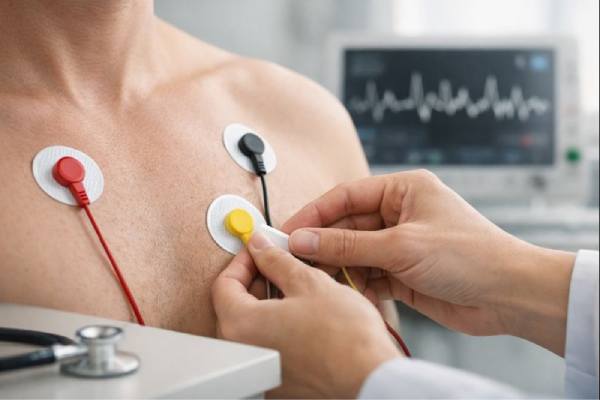
- 12-lead ECG: a snapshot of the heart’s electrical pattern at one moment. It can diagnose many rhythms immediately and reveal risk clues (conduction delay, prior heart injury, QT prolongation).
- Blood tests: commonly include electrolytes (potassium, magnesium), thyroid function, kidney function, and sometimes markers of heart strain or injury depending on the scenario.
Monitoring to “catch it in the act”
If the rhythm is intermittent, clinicians choose a monitor based on episode frequency:
- Holter monitor (24–48 hours): best when symptoms happen daily.
- Patch monitor (7–14 days): useful when symptoms are weekly.
- Event monitor (weeks): patient-activated recordings for less frequent episodes.
- Implantable loop recorder (months to years): used when symptoms are rare but concerning (unexplained fainting, suspected atrial fibrillation after stroke).
Wearable devices can be helpful for detection, but they are not a full substitute for medical-grade evaluation. They can, however, provide time-stamped clues that guide the next test.
Imaging and risk assessment
To understand why a dysrhythmia is happening and how risky it is, clinicians often add:
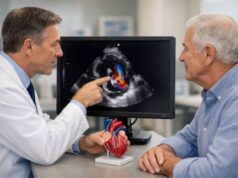
- Echocardiogram: checks heart structure, pumping function, valve disease, and chamber size.
- Stress testing: considered when symptoms relate to exertion or when coronary disease is suspected.
- Cardiac MRI: used in selected cases to look for scar, inflammation, or cardiomyopathy patterns.
- Sleep apnea assessment: often recommended when atrial fibrillation recurs or when nighttime symptoms dominate.
Specialized testing
- Electrophysiology (EP) study: an invasive test where catheters map electrical pathways. It is most often used when a procedure (ablation) is being considered, when diagnosis is unclear, or when risk is high.
How clinicians decide “how serious”
They assess:
- Type of rhythm (atrial vs ventricular; sustained vs brief)
- Heart structure and function
- Symptom severity and hemodynamic effect (blood pressure drop, fainting)
- Stroke risk factors if atrial fibrillation/flutter is present
- Medication and electrolyte context, including QT prolongation risk
A practical tip: if your symptoms are sporadic, ask for a plan that matches your episode pattern. Many people bounce between normal tests because the rhythm is never captured. Getting the right monitor length is often the turning point from uncertainty to a clear, treatable diagnosis.
Treatment options and what to expect
Treatment is tailored to the specific dysrhythmia, your symptoms, and whether there is underlying heart disease. The aim is usually one or more of the following: stop episodes, prevent complications (especially stroke), improve quality of life, and reduce long-term risk.
Immediate treatment when unstable
If a dysrhythmia causes low blood pressure, severe chest pain, pulmonary edema, or altered consciousness, clinicians may use synchronized cardioversion (an electrical shock timed to the heartbeat) because it restores rhythm quickly. In specific life-threatening ventricular rhythms, emergency defibrillation is used.
Medications: two common goals
- Rate control: slow the heart so it pumps more effectively, especially in atrial fibrillation. Common drug classes include beta-blockers and certain calcium channel blockers (not appropriate for everyone).
- Rhythm control: reduce episode frequency or maintain normal rhythm. Antiarrhythmic drugs can be effective but require careful selection because some can worsen certain rhythms or interact with other conditions.
For bradyarrhythmias or conduction disease, the “treatment” is often not medication at all—many rate-slowing drugs must be reduced or stopped, and a device may be needed if the underlying conduction system cannot maintain a safe rhythm.
Stroke prevention in atrial fibrillation/flutter
If atrial fibrillation or atrial flutter is diagnosed, clinicians assess stroke risk using validated clinical factors (age, hypertension, diabetes, prior stroke, heart failure, vascular disease). Many patients benefit from anticoagulation (“blood thinners”) to reduce stroke risk. This decision is individualized and balances stroke prevention against bleeding risk.
Catheter ablation: targeted rhythm therapy
Ablation uses energy to treat the area that triggers or sustains the rhythm. It is commonly considered when:
- Symptoms persist despite reasonable medication trials
- A specific re-entry rhythm is likely to be cured or greatly reduced
- Atrial fibrillation is recurrent and affects quality of life or heart function
- Ventricular ectopy or tachycardia is frequent enough to weaken heart function
Success rates vary by rhythm type, heart structure, and experience of the treating center. It is best thought of as “risk reduction and symptom control,” not always a one-time cure—though some dysrhythmias have high cure rates.
Devices: pacemakers and defibrillators
- Pacemaker: treats slow rhythms or conduction blocks by ensuring a minimum safe heart rate.
- Implantable cardioverter-defibrillator (ICD): protects against certain dangerous ventricular rhythms by delivering therapy when needed.
- Cardiac resynchronization therapy (CRT): a specialized pacing approach for selected heart failure patients with electrical dyssynchrony.
What to expect after treatment begins
Most plans include:
- A short period of medication adjustment and monitoring
- Follow-up testing (repeat ECGs, labs, sometimes echocardiography)
- Trigger control (sleep apnea therapy, alcohol reduction, electrolyte stability)
- A clear “what to do during an episode” plan
If you feel dismissed because “palpitations are common,” push for clarity: common does not mean harmless. The right approach is to capture the rhythm, define the risk, and choose a treatment strategy that matches your goals and your actual dysrhythmia type.
Daily management, prevention, and when to seek care
Daily management is where most long-term success happens. Even when you need medication or ablation, the “background drivers” often determine whether symptoms recur.
Practical prevention and control steps
- Sleep consistency: aim for 7–9 hours nightly. If you snore loudly, wake gasping, or feel unrefreshed, ask about sleep apnea testing.
- Stimulant boundaries: keep caffeine consistent and moderate; avoid combining multiple stimulants (energy drinks plus decongestants). If palpitations cluster after caffeine, reduce gradually over 1–2 weeks to avoid withdrawal headaches.
- Alcohol honesty: if episodes follow alcohol, a trial of abstinence for 4–6 weeks can be diagnostic and therapeutic.
- Hydration and electrolytes: dehydration and low potassium/magnesium are common triggers. During illness with vomiting/diarrhea, contact your clinician early, especially if you take diuretics.
- Exercise with pacing: regular moderate activity (about 150 minutes/week) supports autonomic balance and cardiovascular health. If exercise triggers symptoms, get evaluated before pushing intensity.
- Weight and metabolic health: even modest weight loss in people with obesity can reduce atrial fibrillation burden and improve blood pressure.
- Medication review: bring a complete list to each visit, including supplements. Ask specifically about QT-prolonging drugs if you have fainting, a family history of sudden death, or a known prolonged QT on ECG.
A “during an episode” plan
Your clinician may recommend steps such as:
- Sit down, breathe slowly, and check your pulse or device reading.
- If you have a known supraventricular tachycardia, certain vagal maneuvers may be appropriate when taught by a professional.
- If you have chest pain, severe shortness of breath, fainting, or neurological symptoms, seek urgent care rather than trying home measures.
When to call your clinician soon
- New or more frequent palpitations
- Episodes lasting longer than usual or occurring at rest
- New medication started before symptoms worsened
- Dizziness, near-fainting, or worsening exercise intolerance
- Any recurrence after a period of stability
When to seek emergency care
Go urgently if you have:
- Fainting or near-fainting
- Chest pain that persists or feels new and severe
- Severe shortness of breath at rest
- A sustained very fast heart rate with weakness or confusion
- Sudden neurological symptoms (face droop, arm weakness, speech difficulty)
Finally, consider follow-up as part of treatment, not an afterthought. Many dysrhythmias change over time, especially with aging, blood pressure shifts, and sleep apnea progression. A good care plan includes reassessment intervals, clear targets (symptom control, stroke prevention, heart function preservation), and a straightforward escalation path if symptoms return.
References
- 2021 ESC Guidelines on cardiac pacing and cardiac resynchronization therapy 2021 (Guideline)
- 2022 ESC Guidelines for the management of patients with ventricular arrhythmias and the prevention of sudden cardiac death 2022 (Guideline)
- 2024 ESC Guidelines for the management of atrial fibrillation developed in collaboration with the European Association for Cardio-Thoracic Surgery (EACTS) 2024 (Guideline)
- 2023 HRS/APHRS/LAHRS guideline on cardiac physiologic pacing for the avoidance and mitigation of heart failure 2023 (Guideline)
Disclaimer
This article is for general education and does not replace professional medical advice, diagnosis, or treatment. Dysrhythmias range from benign to life-threatening, and the safest next step depends on your symptoms, medical history, medications, and the specific rhythm type. Do not start, stop, or change prescribed heart or anticoagulant medications without guidance from a qualified clinician. Seek urgent medical care for fainting, severe shortness of breath, persistent chest pain, signs of stroke, or a sustained very fast or very slow heart rate with symptoms.
If this article helped you, please share it on Facebook, X (formerly Twitter), or any platform you prefer, and follow us on social media. Your support through sharing helps our team continue producing clear, trustworthy health content.