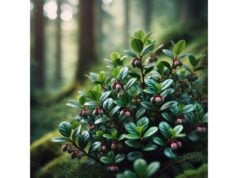
Eastern White Pine is a tall North American conifer with a long history of practical and medicinal use. Long before it appeared in modern wellness products, people used its needles, inner bark, resin, and young spring tips for teas, steams, salves, and soothing chest preparations. Today, interest in the tree comes from two directions at once: traditional respiratory and topical uses on one side, and modern interest in pine polyphenols, monoterpenes, and protective plant compounds on the other.
For everyday readers, the appeal is easy to understand. White pine is aromatic, strongly resinous, and naturally rich in compounds linked with antioxidant, antimicrobial, and soothing properties. Its needle tea is still used for seasonal comfort, while resin and needle preparations remain popular in chest rubs, steam blends, and skin salves.
Still, Eastern White Pine deserves a careful approach. It is not a clinically standardized remedy, and it should not be confused with better-studied commercial pine bark extracts from other species. The most useful way to think about it is as a traditional herb with real potential, modest evidence, and a clear need for safe, informed use.
Essential Insights
- Eastern White Pine is mainly used for cough, congestion, sore throat, and simple topical preparations.
- Its needles and resin contain aromatic compounds that may offer mild antioxidant and antimicrobial support.
- A cautious folk-use range is 1 to 2 cups daily of a mild needle infusion.
- Avoid internal use of essential oil, and stop use if it causes stomach upset, rash, or breathing irritation.
- Pregnant people, very young children, and anyone with pine allergy or uncertain tree identification should avoid self-use.
Table of Contents
- What is Eastern White Pine
- Key ingredients and medicinal properties
- Does Eastern White Pine help colds
- Skin, resin, and topical uses
- How to use Eastern White Pine
- How much Eastern White Pine
- Safety and who should avoid it
- What the research really shows
What is Eastern White Pine
Eastern White Pine, or Pinus strobus, is a large evergreen native to eastern North America. It is easy to recognize once you know the key feature: its soft, flexible needles grow in bundles of five. That detail matters because safe use begins with correct identification. White pine is often discussed casually online as “pine needle tea,” but not every conifer is interchangeable, and some lookalikes are unsuitable or unsafe.
In traditional practice, several parts of the tree were valued. The needles were used in warm infusions and steam preparations. The inner bark had a place in older survival and folk medicine traditions. The sticky resin or pitch was used externally in chest rubs, wound salves, and protective skin preparations. In spring, the bright new tips were sometimes added to syrups, honey infusions, or aromatic tonics.
White pine occupies an unusual place among medicinal plants because it is both a household tree and a serious traditional remedy. People often approach it first as a seasonal comfort plant rather than a formal herbal supplement. That is usually the right frame. It is most at home in practical, low-complexity uses such as tea, steam, or salve.
A few naming points help avoid confusion:
- Eastern White Pine is the North American species Pinus strobus.
- “White pine” can be used loosely for more than one species in casual writing.
- It is not the same thing as standardized French maritime pine bark extract.
- It is also not the same as bottled pine essential oil made from an unspecified species.
That last distinction is important. Many online articles blur together all pines, all bark extracts, and all pine oils. In reality, species, plant part, and preparation shape the chemistry. A white pine needle infusion is different from a bark extract, and both are very different from a concentrated essential oil.
From a modern wellness standpoint, Eastern White Pine is best viewed as a traditional conifer remedy with aromatic, resinous, and mildly astringent qualities. It is often chosen for coughs, congestion, sore throat, and topical comfort rather than for highly targeted clinical outcomes. That grounded view keeps expectations realistic and makes the plant easier to use well.
Key ingredients and medicinal properties
The chemistry of Eastern White Pine helps explain why it has stayed relevant in traditional medicine. Its needles, bark, and resin contain a mix of volatile oils, protective phenolics, and structural plant compounds that work in different ways. The most discussed groups are monoterpenes, stilbenoids, polyphenols, and resin acids.
In the needles, the signature compounds are aromatic monoterpenes such as alpha-pinene and beta-pinene. These are the molecules that create the sharp, forest-like scent people associate with fresh pine. They are also the compounds most often linked with the plant’s traditional respiratory reputation. In practical terms, they may help explain why pine steam and warm needle infusions feel clearing and opening, even when they are not acting as a true medicine in the drug sense.
The tree also produces pinosylvin-type stilbenoids. These compounds are especially interesting because they are part of the plant’s own defense system. That does not automatically make them human remedies, but it does suggest why white pine attracts research interest. These defensive molecules appear to help the tree respond to stress, pathogens, and environmental pressure.
Other meaningful constituents include:
- Polyphenols that contribute to antioxidant activity.
- Flavonoid-like compounds that may help reduce oxidative stress.
- Resin acids in pitch and bark, which help explain many external uses.
- Tannins and related compounds that add a mild astringent effect.
- Variable vitamin C in fresh needles, though the amount depends on season, freshness, and preparation.
This leads to the plant’s main medicinal properties as traditionally understood:
- Aromatic and expectorant leaning.
- Mildly antimicrobial.
- Antioxidant.
- Mildly astringent.
- Topically protective and resinous.
A useful way to think about white pine is that it is less of a single-action herb and more of a “supportive profile” herb. It does not stand out because of one blockbuster constituent. Instead, it offers a layered mix of scent, resin, polyphenols, and soothing warmth. That makes it well suited to simple herbal formats.
There is also an important nuance many articles miss. The best-known pine-derived supplement evidence comes from other pine species, especially bark extracts standardized for research and clinical use. Eastern White Pine has its own interesting chemistry, but the evidence base is not the same. The presence of promising compounds in Pinus strobus should be taken as a reason for cautious interest, not as proof that it behaves like every other pine product on the market.
For readers comparing conifers, this is where overlap begins with other aromatic evergreens and herbs. White pine belongs to the same broad conversation as eucalyptus for inhalation support, but it is usually gentler, more resinous, and more tied to folk preparations than to standardized modern formulas.
Does Eastern White Pine help colds
This is the question most people actually care about, and the answer is measured rather than dramatic. Eastern White Pine may help with the discomforts that come with colds, but it is not a proven cure for viral illness. Its most believable role is supportive care: easing a scratchy throat, making chest steam feel more open, and offering warming hydration through a mild needle tea.
Traditional use strongly supports this direction. White pine preparations have long been used for coughs, hoarseness, throat irritation, and chest congestion. The logic is straightforward. Warm liquid helps hydration. Aromatic vapors may make breathing feel easier. Resinous compounds may provide a soothing sensation in the upper airways. That combination is enough to make a plant useful even before strong clinical trials exist.
In practice, white pine seems most relevant for:
- Dry or mildly productive cough.
- Feeling stuffed up during a cold.
- Hoarse or irritated throat.
- Seasonal chest tightness that improves with warm steam.
- General “winter herb” support rather than disease treatment.
The expected outcome should be comfort, not cure. A cup of white pine needle tea may help you feel less raw or less congested. A steam inhalation may temporarily loosen the feeling of pressure in the upper airways. A pine syrup may coat the throat pleasantly. None of these should be treated as substitutes for rest, fluids, or proper care when symptoms are severe.
A realistic comparison helps. If the goal is strong evidence-based cold support, white pine is not in the same position as better-known seasonal herbs. It sits more in the category of traditional comfort remedies, like simple broths, steam herbs, and household syrups. That is exactly why it remains useful. Many people do not need a miracle. They need something warming, aromatic, and sensible.
White pine may also fit people who want a conifer-based option that feels gentler and less sharp than some concentrated aromatic herbs. At the same time, readers should not assume “pine tea” is broadly antiviral, deeply immune boosting, or proven to shorten illness. Those claims go beyond the evidence.
For seasonal support formulas, it often pairs naturally with herbs chosen for different strengths. For example, someone might reserve white pine for its aromatic chest comfort while using elderberry in seasonal support blends for a different traditional role. That kind of layering makes more sense than expecting one tree to do everything.
The bottom line is simple: Eastern White Pine can be a useful cold-weather helper, especially for cough, throat, and steam-based comfort. It is best understood as a supportive traditional herb, not a primary treatment for infection, fever, or lower respiratory disease.
Skin, resin, and topical uses
Topical use is one of the most interesting and underappreciated sides of Eastern White Pine. While many people know the needles as tea material, the resin has a much older reputation as a practical external remedy. Pine pitch is sticky, aromatic, protective, and naturally suited to salves and chest rubs.
Traditionally, resin and resin-rich preparations were used for minor skin concerns, rubbed on the chest, or worked into salves meant to shield irritated skin from cold and dryness. That use pattern makes sense when you consider the tree’s chemistry. Resin acids and aromatic compounds give pine preparations a protective, warming feel that many people still seek in handmade herbal salves.
Common folk uses include:
- Chest balms for cough season.
- Salves for rough, weathered skin.
- Resin-based ointments for minor scrapes.
- Warming rubs for stiff muscles.
- Foot soaks or baths for a freshening effect.
Still, “topical” should not be confused with “risk free.” Raw resin can irritate some skin. Essential oil can irritate even more, especially if used undiluted. A homemade salve that feels wonderful to one person may cause redness in another. Patch testing matters.
A smart way to judge white pine topically is by its strengths and limits. It is strongest as a resinous support herb for minor, uncomplicated external use. It is not the best choice for delicate facial skin, deep wounds, or chronic rashes with an unclear cause. Its value is practical and old-fashioned: protection, scent, warmth, and mild surface-level support.
This is also where white pine overlaps with other traditional astringent or external herbs, though in a very different texture. For example, witch hazel for topical astringent care is lighter and more drying, while white pine resin tends to be heavier, more coating, and more aromatic.
Steam use belongs partly in this section too. Although steam is inhaled rather than rubbed on the skin, it acts like a topical exposure for the upper airways. Needles or small twig tips added to hot water can create an old-fashioned conifer steam. For many people, the benefit is sensory but meaningful: easier breathing, a feeling of openness, and temporary relief from stuffiness.
One practical insight is worth remembering. The more concentrated the preparation, the more caution it deserves. Needle tea is relatively gentle. A salve is stronger and stays on the skin longer. Essential oil is the most concentrated and should be treated with the most care. White pine often works best when used simply rather than pushed into high-strength formats.
How to use Eastern White Pine
Eastern White Pine can be used in several practical ways, and the best method depends on the goal. For seasonal internal support, the needles are the usual choice. For external use, people often prefer salves, infused oils, or chest preparations. For aromatic comfort, steam remains one of the most traditional forms.
The most common forms are:
- Needle infusion or tea.
- Steam inhalation.
- Syrup made from fresh tips or needles.
- Resin or pitch salve.
- Infused honey or oxymel.
- Dried needle blends combined with other herbs.
For tea, fresh green needles or tender tips are usually preferred over old, dry, brown material. Younger growth generally tastes brighter and less harsh. Many people lightly chop the needles first, pour hot water over them, cover the cup, and steep rather than boil. That simple choice matters. Hard boiling drives off aroma and can make the result more bitter and resin-heavy.
A practical sequence for everyday use looks like this:
- Identify the tree with certainty before harvesting.
- Use clean, green needles or fresh spring tips.
- Rinse and chop the material lightly.
- Steep in hot, not aggressively boiling, water.
- Strain and drink warm, usually plain or with a little honey.
Steam use is even simpler. A small handful of fresh needles can be placed in hot water, then inhaled carefully from a safe distance. The goal is gentle aromatic vapor, not an intense blast of heat.
Topical use is usually best through a finished preparation rather than raw plant material. Resin salves are more manageable, less messy, and easier to test in small amounts. If you buy a product rather than make one, look for clear labeling that names Pinus strobus or at least identifies the pine species used.
One of the biggest mistakes people make is assuming stronger is better. With Eastern White Pine, moderate use is often more pleasant and more appropriate. A mild tea, a moderate steam, or a light chest balm usually fits the plant better than heavy daily dosing or aggressive essential-oil-style use.
It can also be combined thoughtfully with other herbs. In a winter tea, for example, pine may supply aromatic freshness while peppermint adds a clearer cooling lift. That kind of pairing often improves taste and comfort without asking white pine to carry the whole formula.
How much Eastern White Pine
There is no standardized clinical dose for Eastern White Pine. That is the most important dosage fact, and it should shape every decision that follows. Unlike some better-studied herbs, white pine does not have a well-established human dosing range based on modern trials. Most real-world dosing comes from folk practice and cautious culinary-herbal use.
For internal use, tea is the most reasonable place to start. A mild preparation is usually more appropriate than a concentrated decoction. A common cautious range for adults is:
- 1 to 2 teaspoons of chopped fresh or dried needles per 240 mL cup of hot water.
- Steep for about 10 to 15 minutes.
- Drink 1 cup once or twice daily as needed.
That range is intentionally modest. White pine is an aromatic support herb, not something that needs to be pushed hard to show value. If the tea is very bitter, sharply resinous, or drying to the throat, it is probably too strong for routine use.
For steam inhalation, there is no exact standard dose either. A small handful of fresh needles in a bowl of hot water is usually enough. The aim is comfort, not intensity. Sessions are commonly kept brief.
For syrups or infused honey, dosing is even less precise because concentration varies by recipe. In practice, people tend to use small amounts:
- 1 teaspoon to 1 tablespoon at a time for syrup or honey.
- Usually up to a few times daily for short-term use.
This is one reason homemade formulas deserve caution. Two jars labeled “white pine syrup” can differ greatly depending on plant-to-sweetener ratio, preparation time, and whether fresh tips or mature needles were used.
Topical use is simpler. Salves or balms are generally applied in thin amounts to a small area as needed. More is not automatically better, especially if the preparation contains essential oil.
A few timing points help:
- Use tea or steam at the first sign of throat or chest irritation if that is your goal.
- Short-term use makes more sense than long-term daily use.
- Stop if the herb feels drying, irritating, or unpleasant.
- Do not rely on it as your only support when symptoms are escalating.
The best dosing insight here is not a number but a principle. Eastern White Pine works most naturally in small, sensory, supportive doses. If you feel tempted to treat it like a high-powered supplement and escalate aggressively, you are probably moving away from the way this plant is most likely to help.
Safety and who should avoid it
Eastern White Pine is often described as gentle, but that should not be confused with universally safe. The biggest safety issues are not dramatic toxicity reports. They are misidentification, overconcentration, allergy, and poor judgment about when home care is no longer enough.
The first concern is identification. People foraging conifers for tea sometimes assume all pine-like trees are equally safe. They are not. Eastern White Pine must be identified correctly before internal use. A bundle of five soft needles is one of the key clues, but anyone unsure should not harvest for medicine.
The second concern is concentration. Needle tea is one thing. Essential oil is another. Internal use of pine essential oil is not a beginner practice and is generally not a good idea for self-care. Concentrated oils can irritate the mouth, stomach, and airways, and they are far easier to misuse than a simple infusion.
People who should be especially cautious or avoid self-use include:
- Pregnant people, because there is not enough reliable safety data for regular medicinal use.
- Very young children, especially with strong steam or essential-oil products.
- Anyone with a known pine allergy.
- People with asthma or scent-triggered airway sensitivity.
- Those with significant skin reactivity or eczema when using resin or salves.
- Anyone who cannot confidently identify the tree.
Potential side effects are usually mild but still worth respecting:
- Stomach upset from strong tea.
- Throat or mouth irritation from overly resinous preparations.
- Skin redness or contact irritation from resin or topical products.
- Headache or breathing irritation from strong aromatic exposure.
- Nausea from concentrated preparations.
A more subtle safety point is that white pine can delay good decisions if people romanticize it. A warm conifer tea can be a lovely support measure, but it should not distract from red flags such as shortness of breath, wheezing, high fever, chest pain, dehydration, or symptoms that keep worsening.
There is also a category error many readers make with pine products. Evidence for commercial bark extracts from other species does not automatically mean Pinus strobus tea, pitch, or salve has the same benefits or the same safety profile. Species and standardization matter.
A simple rule helps: use the mildest form that fits the job. Tea before extract. Salve before essential oil. Modest short-term use before prolonged experimentation. That approach keeps Eastern White Pine in its safest and most traditional lane.
What the research really shows
The research on Eastern White Pine is promising, but it is nowhere near definitive. That is the honest summary. There is real chemistry, real lab interest, and real traditional use, yet very little direct human clinical evidence. This matters because the internet often turns species-level pine data into claims about one exact tree, one exact tea, or one exact salve.
What the evidence supports best is the idea that Pinus strobus contains biologically active compounds worth studying. Modern papers point to monoterpenes, polyphenols, and pinosylvin-related stilbenoids. Extracts from pine needles and bark show antioxidant potential in lab settings, and some pine-derived preparations show interesting photoprotective or antimicrobial effects in early models.
But there are major limits:
- Much of the work is in vitro, chemical, or plant-defense research.
- Human trials on Eastern White Pine itself are scarce.
- Different studies use different plant parts and extraction methods.
- Needle tea, resin salve, bark extract, and essential oil are not interchangeable.
- Pine species vary, sometimes a lot, in chemistry and likely effect.
This last point is one of the most important takeaways in the whole article. Pine is not one herb. It is a genus with many species, and the strongest commercial evidence in the pine world often comes from other species, not Eastern White Pine. Readers deserve that distinction because it prevents overclaiming.
There is still value in the evidence we do have. It supports a plausible picture of Eastern White Pine as:
- An aromatic traditional respiratory aid.
- A source of antioxidant and resinous compounds.
- A plant with active needle and bark chemistry.
- A candidate for topical and cosmetic research.
- A species whose defense chemistry may be pharmacologically interesting.
What it does not yet support is sweeping language such as “proven immune booster,” “clinically established antiviral,” or “equivalent to a standardized pine bark supplement.” Those claims move faster than the data.
In that sense, Eastern White Pine is similar to several other traditional evergreens: practical, interesting, chemically rich, and still underdeveloped as a modern evidence-based medicinal. Readers looking for a broader conifer context sometimes compare it with spruce and other aromatic conifers, but even there, species-level nuance matters.
The most responsible conclusion is that Eastern White Pine deserves respect as a traditional respiratory and topical herb with credible phytochemistry. It is useful enough to keep, but not proven enough to oversell. That balance is exactly where careful herbal writing should land.
References
- Global Perspectives on the Medicinal Potential of Pines (Pinus spp.) 2025 (Review)
- Pinus Species as Prospective Reserves of Bioactive Compounds with Potential Use in Functional Food—Current State of Knowledge 2021 (Review)
- Antioxidative and Photoprotective Activity of Pinus nigra, Pinus strobus and Pinus mugo 2025 (In Vitro Study)
- A Pinus strobus transcription factor PsbHLH1 activates the production of pinosylvin stilbenoids in transgenic Pinus koraiensis calli and tobacco leaves 2024 (Mechanistic Study)
- Greek Pinus essential oils: larvicidal activity and repellency against Aedes albopictus (Diptera: Culicidae) 2015 (Chemical Profile Study)
Disclaimer
This article is for educational purposes only and does not replace medical advice, diagnosis, or treatment. Eastern White Pine is a traditional herbal remedy, not a standardized medical therapy, and safe use depends on correct plant identification, appropriate preparation, and personal health factors. Do not use it as a substitute for urgent care, and do not self-treat severe breathing problems, persistent fever, chest pain, or worsening infection symptoms with herbal remedies alone.
If you found this article useful, please consider sharing it on Facebook, X, or another platform you prefer.