Ectopic atrial rhythm is a heart rhythm that starts from a spot in the upper chambers that is not the heart’s usual “starter.” On an ECG (electrocardiogram—heart’s electrical tracing), it shows up because the small signal that comes before each heartbeat looks different than expected. For many people—especially children, teens, and well-trained athletes—this rhythm can be a harmless “backup” that appears when the usual pacemaker slows down during rest or sleep.
In other situations, ectopic atrial rhythm can be a clue: it may reflect irritation of the atria, stress on the heart, medication effects, or recovery after heart surgery. The good news is that most cases are manageable once the cause is clear. This guide walks through what ectopic atrial rhythm means, what can trigger it, which symptoms matter, how clinicians confirm it, and what treatment and day-to-day management typically look like.
Table of Contents
- What ectopic atrial rhythm means in the body
- What causes it and who is at risk?
- Symptoms and possible complications
- How it’s diagnosed and what the tests show
- Treatment options: what helps most
- Management, prevention, and when to seek care
What ectopic atrial rhythm means in the body
Your heartbeat usually begins in the sinus node, a small cluster of cells in the right atrium that acts like the heart’s natural metronome. In ectopic atrial rhythm, a different spot in the atria (the heart’s upper chambers) temporarily takes over as the “starter.” This can happen for two broad reasons:
- The sinus node slows down, especially during deep rest, sleep, or high vagal tone (a normal calming influence on the heart). A nearby atrial focus steps in as a backup.
- An atrial focus becomes more active than usual, either because it is irritated (inflammation, stretch, scarring) or stimulated (stress hormones, stimulants, certain medications).
On an ECG, the rhythm is recognized by a change in the P wave (the small bump that represents atrial activation). Because the electrical signal is traveling from a different direction, the P-wave shape and direction can look different. A common subtype is low atrial rhythm, where the focus is lower in the atrium; the P waves may look “flipped” in some leads because the signal travels upward rather than downward.
It’s important to separate ectopic atrial rhythm from other look-alikes:
- Premature atrial contractions (PACs): extra early beats from the atria that interrupt an otherwise normal rhythm.
- Wandering atrial pacemaker: the “starter” shifts between a few atrial spots; the heart rate is usually under 100 beats per minute.
- Atrial tachycardia: a sustained fast rhythm from one atrial focus, typically above 100 beats per minute, and often much faster.
- Junctional rhythm: starts near the AV node (the gateway between atria and ventricles) rather than in the atria.
Why this matters: ectopic atrial rhythm itself is not a single disease. It is a pattern that can be benign, temporary, or a sign of an underlying issue. The key clinical questions are:
- Is the person well and symptom-free?
- Is the rhythm slow/normal rate or clearly fast?
- Is there a trigger (sleep, training, illness, stimulant use, thyroid problem, heart disease, post-surgery)?
Those answers guide whether reassurance is enough or whether further evaluation is needed.
What causes it and who is at risk?
Ectopic atrial rhythm happens when the atria start a beat from a non-sinus focus. The “why” usually falls into one of three buckets: normal physiology, temporary triggers, or underlying heart/medical conditions.
1) Normal physiology (often benign)
- High vagal tone: Common in children, teens, and endurance-trained athletes, especially at rest or during sleep.
- Sinus slowing with relaxation: The heart’s main pacemaker slows; a nearby atrial focus briefly takes the lead.
- Recovery after exertion: As the body shifts back to rest, the pacemaker may “handoff” for short periods.
2) Temporary triggers (often reversible)
- Stimulants: caffeine in high doses, nicotine, energy drinks, some decongestants, and illicit stimulants.
- Alcohol and dehydration: both can irritate atrial tissue and alter electrolytes.
- Electrolyte imbalance: low potassium or magnesium can make atrial cells more “twitchy.”
- Thyroid excess: an overactive thyroid can raise sensitivity to adrenaline-like signals.
- Acute illness: fever, pain, anxiety, low oxygen, and infections can all shift the balance of the heart’s electrical system.
- Certain medications: some asthma inhalers, thyroid medications (if overdosed), and others may contribute in susceptible people.
3) Underlying conditions (more important to identify)
- Structural heart disease: valve disease, cardiomyopathy, or congenital heart conditions can stretch or scar the atria.
- High blood pressure over years: can enlarge the left atrium and raise atrial irritability.
- Sleep apnea: repeated oxygen dips and pressure changes can promote atrial rhythm disturbances.
- Lung disease: chronic low oxygen or lung strain can affect right atrial pressures.
- Post-surgical or post-procedure atrial irritation: scarring and healing after heart surgery can create areas that fire abnormally.
Risk factors that make evaluation more likely
- Age over 40 (more chance of atrial remodeling over time)
- Known heart disease, heart failure, or valve disease
- Prior heart surgery or ablation
- Stroke or transient neurologic symptoms
- Frequent palpitations, fainting, chest pain, or shortness of breath
- Family history of significant arrhythmias or sudden cardiac death
A practical way to think about risk: an ectopic atrial rhythm found incidentally on a routine ECG in a healthy teenager who feels fine is very different from the same ECG pattern in a 65-year-old with high blood pressure, sleep apnea, and new palpitations. The ECG is the same “language,” but the context changes the meaning.
Symptoms and possible complications
Many people with ectopic atrial rhythm have no symptoms. It may be discovered during a sports physical, a pre-op ECG, or monitoring for an unrelated concern. When symptoms do occur, they typically relate to either (1) awareness of the heartbeat or (2) a rhythm that is fast enough to reduce efficient filling of the heart.
Common symptoms
- Palpitations: a fluttering sensation, “thumps,” or the feeling that the heart is out of sync
- Irregular heartbeat awareness: especially when lying down quietly
- Lightheadedness or mild dizziness
- Fatigue or reduced exercise tolerance
- Shortness of breath (more likely if the rate is fast or if there is underlying heart/lung disease)
- Chest tightness or discomfort (often from rate and anxiety, but always worth evaluating if new)
Symptoms that are more concerning
- Fainting (syncope) or near-fainting
- Chest pain with exertion
- Sustained rapid heart rate (for example, a steady fast rhythm that does not settle with rest)
- New swelling in the legs, worsening shortness of breath, or sudden weight gain (possible fluid overload)
- Neurologic warning signs (weakness on one side, speech trouble, facial droop) which require emergency care
Possible complications (context-dependent)
Ectopic atrial rhythm itself is often not dangerous, but it can sit on a spectrum of atrial electrical instability.
- Progression to sustained atrial arrhythmias: In some people with atrial disease or significant atrial ectopy, rhythm disturbances can become more frequent or shift into atrial tachycardia or atrial fibrillation.
- Tachycardia-related strain: If the ectopic rhythm is persistently fast (more like atrial tachycardia than a slow ectopic rhythm), it can sometimes weaken the heart muscle over time. This is uncommon but important because it is often reversible when the rhythm is controlled.
- Anxiety and sleep disruption: Palpitations can create a loop—poor sleep and stress increase adrenaline, which increases palpitations, which worsens sleep.
- Mislabeling and overtreatment: A subtle but real harm is treating a benign ectopic rhythm as if it were a dangerous condition, leading to unnecessary restrictions or medication side effects.
An original, patient-centered insight: symptom diaries are more useful when they include what changed in the hour before symptoms. Note sleep, stress, hydration, caffeine/alcohol, illness, and exercise. Patterns often emerge—like palpitations after energy drinks, after missing meals, or during recovery from a viral infection. Those patterns can guide both diagnosis and a low-risk first treatment plan.
How it’s diagnosed and what the tests show
Diagnosis starts with confirming the rhythm pattern and then asking a second question: is it isolated and benign, or is it part of a broader problem that needs treatment?
1) ECG (the starting point)
A 12-lead ECG can often identify ectopic atrial rhythm immediately. Clinicians look for:
- A consistent heartbeat pattern that appears atrial in origin
- P waves that differ from the person’s usual sinus pattern
- A heart rate that is often under 100 beats per minute in benign ectopic atrial rhythm, but may be higher in atrial tachycardia
- How the P wave relates to the QRS complex (the main spike of each heartbeat), which helps distinguish atrial rhythm from junctional rhythm
2) Rhythm monitoring
If symptoms come and go, an ECG snapshot may miss the moment. Monitoring options include:
- Holter monitor (24–48 hours): useful for daily symptoms or frequent palpitations
- Patch monitor (7–14 days or longer): better for intermittent symptoms
- Event monitor: patient-triggered recordings during symptoms
- Wearables: can be helpful for trend spotting, but confirmation on medical-grade ECG is usually needed before major decisions
Monitoring answers practical questions:
- How often does the ectopic rhythm occur?
- Is it slow, normal, or fast?
- Are there runs of atrial tachycardia?
- Are there frequent PACs or other arrhythmias?
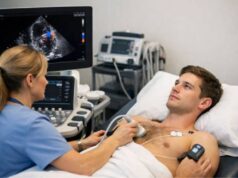
3) Echocardiogram (heart ultrasound)
An echo checks structure and function:
- Heart chamber size (especially atrial enlargement)
- Valve function
- Pumping strength
- Signs of pressure overload or cardiomyopathy
4) Targeted lab tests and trigger checks
Depending on the situation, clinicians may check:
- Thyroid function (especially with fast rates, weight loss, heat intolerance)
- Electrolytes (potassium, magnesium)
- Anemia or infection markers if the rhythm started with illness
- Medication and supplement review (including “pre-workout” products)
5) Exercise testing (selected cases)
Exercise testing can be very informative when ectopic atrial rhythm appears at rest. In many benign cases, sinus rhythm returns with activity, which is reassuring. If exercise triggers a sustained fast rhythm, that suggests a different pathway and may change management.
Ruling out common “mix-ups”
Ectopic atrial rhythm is sometimes confused with:
- Sinus rhythm with unusual P-wave appearance
- Junctional rhythm
- Atrial flutter or atrial fibrillation (especially if rhythm feels irregular)
- Inappropriate sinus tachycardia (a different condition with persistently high sinus rates)
A helpful way to speak with your clinician: ask them to explain the rhythm in plain terms—“Where is the beat starting, how fast is it, and is it steady or jumpy?” Those three details usually predict the next steps better than a label alone.
Treatment options: what helps most
Treatment depends on three factors: symptoms, heart rate, and whether an underlying condition is present. Many people need no medication at all once benign causes are recognized and triggers are addressed.
When reassurance is the right treatment
Reassurance (plus observation) is common when:
- The person is symptom-free
- The ectopic atrial rhythm is slow or normal rate
- The heart structure is normal on exam and/or echocardiogram
- The rhythm appears during rest and resolves with activity
In these cases, the plan may be as simple as a repeat ECG later, limited monitoring, or no follow-up if a clinician is confident it is benign.
Lifestyle and trigger-focused steps (often first-line)
These steps reduce atrial irritability and can meaningfully lower episodes:
- Caffeine: aim for a stable, moderate intake (or a trial reduction for 2–4 weeks if palpitations are frequent)
- Alcohol: reduce or avoid binge drinking; some people are highly sensitive even to small amounts
- Hydration and electrolytes: steady fluids, especially with exercise; avoid extreme diets that deplete minerals
- Sleep: consistent schedule; evaluate snoring or witnessed apneas
- Stress load: paced breathing, short daily walks, and structured recovery after training
- Medication/supplement audit: decongestants, stimulants, and “fat burner” products are common culprits
Medications (when symptoms or fast rates matter)
Medication may be considered when palpitations are distressing, the rate is fast, or there are episodes of atrial tachycardia:
- Beta blockers: often used to reduce symptoms and blunt adrenaline-driven triggers
- Non-dihydropyridine calcium channel blockers: another option for rate control in suitable patients
- Antiarrhythmic drugs: used selectively, typically under specialist guidance when symptoms are significant or rhythms are sustained and other strategies fail
Medication choices depend on blood pressure, asthma status, other medical conditions, and whether pregnancy is possible. The goal is usually to reduce symptoms and prevent sustained fast episodes—not to “force” a perfect ECG pattern at all times.
Catheter ablation (for defined, treatable targets)
If the issue is actually a sustained focal atrial tachycardia (a fast rhythm from one atrial focus), catheter ablation can be highly effective in carefully selected patients. Ablation is generally considered when:
- Episodes are frequent or prolonged
- Symptoms are limiting quality of life
- Medication is ineffective or not tolerated
- There is concern about fast-rate strain on the heart over time
What treatment usually does not include
- Blood thinners solely for ectopic atrial rhythm: anticoagulation is typically based on atrial fibrillation/flutter risk and stroke risk factors, not on a benign ectopic rhythm pattern alone.
- Emergency care for every palpitation: most palpitations are not emergencies, but certain warning signs (fainting, chest pain, severe breathlessness, neurologic symptoms) always warrant urgent evaluation.
A practical approach many clinicians use is “step-up” care: start with triggers and reassurance, add monitoring if needed, then consider medication or specialist therapy only if the rhythm is fast, frequent, or truly disruptive.
Management, prevention, and when to seek care
Living with ectopic atrial rhythm is often about managing context rather than fighting every episode. A steady plan can reduce symptoms, prevent escalation, and protect peace of mind.
Day-to-day management
- Know your baseline: If you have a confirmed benign pattern, ask what heart-rate range is expected for you at rest and with activity.
- Use a “two-week reset” when symptoms spike: for 14 days, focus on sleep consistency, hydration, no energy drinks, limited alcohol, and steady meals. Many flare-ups improve with this alone.
- Exercise smart, not extreme: regular moderate activity supports heart health, but sudden jumps in intensity, overtraining, and poor recovery can increase palpitations in some people.
- Treat the drivers: controlling blood pressure, managing thyroid disease, and treating sleep apnea can reduce atrial irritability over time.
- Follow-up appropriately: if your clinician recommends periodic monitoring, treat it as a trend check rather than a sign that something is necessarily worsening.
Prevention strategies that actually help
While ectopic atrial rhythm cannot always be “prevented,” atrial stability improves with:
- Weight management when appropriate
- Limiting alcohol and avoiding stimulant peaks
- Consistent sleep and sleep apnea treatment if present
- Managing metabolic health (blood pressure, diabetes, cholesterol)
- Avoiding dehydration and extreme electrolyte shifts (especially during endurance training or illness)
When to book a routine appointment
Seek a non-urgent evaluation if you notice:
- New palpitations that persist beyond 1–2 weeks
- Episodes that are more frequent, longer, or more symptomatic than before
- Reduced exercise tolerance
- Palpitations after starting a new medication or supplement
- A family history of serious rhythm disorders and you now have symptoms
When to seek urgent care
Get urgent evaluation (or emergency care) for:
- Fainting, near-fainting, or unexplained falls
- Chest pain or pressure, especially with exertion or sweating
- Severe shortness of breath, blue lips, or inability to speak in full sentences
- A sustained very fast heart rate that does not improve with rest
- Signs of stroke: sudden weakness, facial droop, speech difficulty, severe sudden headache
A simple “decision tool” for patients
If you feel palpitations, ask:
- Am I safe right now? (no fainting, chest pain, severe breathlessness, neurologic symptoms)
- Is this new or clearly worse than my usual pattern?
- Can I identify a likely trigger today (poor sleep, dehydration, stimulant, illness)?
If #1 is “no,” seek urgent care. If #1 is “yes” and #2 is “no,” manage triggers and monitor. If #1 is “yes” and #2 is “yes,” contact your clinician for timely evaluation and possible monitoring.
Most importantly, ectopic atrial rhythm is a finding—not a verdict. With the right context and a sensible plan, many people return to normal life quickly, and those who need treatment often have clear options.
References
- Low Atrial Rhythm in a Large Cohort of Children from Transylvania, Romania – PMC 2022 (Observational Study)
- Autonomic imbalance and atrial ectopic activity—a pathophysiological and clinical view – PMC 2022 (Review)
- Premature atrial contractions: A predictor of atrial fibrillation and a relevant marker of atrial cardiomyopathy – PMC 2022 (Mini-Review)
- Athlete’s ECG Made Easy: A Practical Guide to Surviving Everyday Clinical Practice – PMC 2024 (Clinical Review)
Disclaimer
This article is for educational purposes only and does not provide medical advice, diagnosis, or treatment. Heart rhythm findings can have different meanings depending on age, symptoms, medical history, medications, and test results. If you have new or worsening palpitations, fainting, chest pain, shortness of breath, or any stroke warning signs, seek urgent medical care. For personalized guidance, consult a qualified clinician who can interpret your ECG and overall health context.
If you found this article useful, please share it on Facebook, X (formerly Twitter), or any platform you prefer, and follow us on social media. Your support through sharing helps our team continue producing clear, trustworthy health content.