Ectopic atrial tachycardia is a fast heartbeat that starts from a small “extra pacemaker” in the heart’s upper chambers, instead of the usual natural starter. On an ECG (electrocardiogram—heart’s electrical tracing), the pattern looks different because the signal begins from an unusual spot. Episodes may come and go, or they can linger for hours or days. When the rhythm is frequent or nearly constant, it can leave you tired, short of breath, and in some cases weaken the heart muscle over time.
The reassuring part is that this condition is often treatable. Some people do well with trigger control and medication, while others benefit most from a procedure that targets the tiny area causing the abnormal signals. This article explains what’s happening, what tends to trigger it, how doctors confirm the diagnosis, and what day-to-day management looks like.
Table of Contents
- What ectopic atrial tachycardia actually is
- What causes it and who is at risk?
- Symptoms and why some cases are riskier
- How doctors diagnose it
- Treatments that work and what to expect
- Management, prevention, and when to seek care
What ectopic atrial tachycardia actually is
Your heartbeat is controlled by electricity. Most of the time, one small area (the sinus node) sets the pace. In ectopic atrial tachycardia (EAT), a different spot in the atria (upper chambers) starts firing faster than it should and “wins” control of the rhythm. Because the starting point is different, the electrical wave travels through the atria in an unusual direction, and the ECG looks distinct.
Clinicians often group EAT under focal atrial tachycardia, meaning it begins from a single, localized focus rather than many scattered areas. That focus may behave in a few ways:
- Automatic firing: cells act like an extra pacemaker and speed up on their own.
- Triggered activity: cells fire after being “pushed” by stress hormones, electrolyte shifts, or certain drugs.
- Small re-entry circuit: a tiny loop of electricity repeatedly travels around a small area (less common, but possible).
EAT can be:
- Paroxysmal: starts and stops on its own, lasting seconds to hours.
- Sustained: persists for hours to days unless treated.
- Incessant: present much of the time, with only brief breaks.
That last category matters most because a heart that runs fast too often may not fill well between beats, and the pumping chamber can gradually weaken—a problem often called tachycardia-induced cardiomyopathy. The risk rises when the rate is persistently high (commonly 120–250 beats per minute, depending on age) or when episodes dominate the day.
EAT is also easy to confuse with other fast rhythms. Two practical differences help:
- Compared with “re-entrant SVT” (like AVNRT/AVRT): EAT often has a less “on/off light switch” feel. It may speed up gradually (“warm up”) and slow gradually (“cool down”).
- Compared with sinus tachycardia: EAT can occur at rest without a clear reason (no fever, dehydration, pain, or anxiety), and the ECG shows a different atrial signal pattern.
A helpful takeaway: the label “EAT” describes where the beat starts—the next step is figuring out why it’s happening and how much time you spend in it, because those two details usually drive the treatment plan.
What causes it and who is at risk?
Ectopic atrial tachycardia can appear in people with perfectly normal hearts, but it can also be triggered by stressors or underlying heart disease. Thinking in layers helps: immediate triggers, medical conditions that make atrial tissue irritable, and situations where atria are scarred or stretched.
Common triggers (often reversible)
- Stimulants: high-dose caffeine, nicotine, energy drinks, some decongestants, and illicit stimulants.
- Alcohol and dehydration: both can increase adrenaline signals and disrupt electrolytes.
- Electrolyte imbalance: low potassium or magnesium can lower the “stability threshold” of heart cells.
- Thyroid excess: too much thyroid hormone can make the heart more sensitive to stimulation.
- Acute illness: fever, infections, low oxygen, severe stress, or uncontrolled pain.
- Medication effects: some asthma medications and weight-loss supplements can raise the likelihood of tachycardia in susceptible people.
Underlying conditions that increase risk
- Congenital heart disease (even after repair): scarring and altered anatomy can provide a focus.
- Valve disease or cardiomyopathy: atrial stretch can encourage abnormal firing.
- High blood pressure over time: may enlarge the left atrium and increase atrial irritability.
- Sleep apnea: repeated oxygen dips and pressure swings can promote atrial rhythm problems.
- Inflammation of the heart: myocarditis or pericarditis can irritate atrial tissue.
- After heart surgery or catheter procedures: healing tissue can become electrically active.
Who tends to be affected
- Infants and children: EAT is uncommon but important because it may be persistent and harder to recognize (poor feeding, sweating, irritability, fast breathing).
- Teens and young adults: may notice palpitations or reduced performance, sometimes triggered by stimulants or illness.
- Adults with atrial stressors: blood pressure problems, sleep apnea, alcohol use, or structural heart issues.
Risk factors that make evaluation more urgent
- Symptoms suggesting reduced blood flow: fainting, severe lightheadedness, chest pressure, or marked shortness of breath.
- Evidence of heart strain: swelling, sudden weight gain, waking up breathless, or a new drop in exercise capacity.
- A history of congenital heart disease, heart failure, or prior heart surgery.
- Very frequent episodes or a rhythm that seems present “most of the day.”
One practical insight: many people focus only on how fast the heart feels. Clinicians care just as much about tachycardia burden—how many hours per day or days per week your heart spends in EAT. Two people can share the same peak rate, but the one who is fast for 10 minutes a week is in a very different situation from the one who is fast for 10 hours a day. That burden often determines whether simple trigger control is enough or whether you should consider a definitive strategy like ablation.
Symptoms and why some cases are riskier
Symptoms range from none at all to severe fatigue and breathlessness. What you feel depends on your age, the heart rate, how long episodes last, and whether the heart is otherwise healthy.
Typical symptoms
- Palpitations: fluttering, buzzing, a steady “fast drum,” or sudden awareness of your heartbeat.
- Shortness of breath: especially with exertion, stairs, or lying flat during longer episodes.
- Chest discomfort: tightness or pressure can occur, particularly when the rate is high.
- Lightheadedness: from reduced filling time and lower blood pressure.
- Fatigue and brain fog: common after hours of fast rhythm, even if you tolerate it during the episode.
- Exercise intolerance: you tire sooner or need longer recovery.
How it may look in infants and children
Children may not say “my heart is racing.” Instead, parents may notice:
- Poor feeding, sweating with feeds, fast breathing, or unusual sleepiness
- Irritability, pale skin, or reduced interest in play
- A persistently fast pulse at rest
Why some cases carry higher risk
EAT becomes more concerning when it is sustained or incessant. A heart that runs fast too often can develop a reversible weakening of the main pumping chamber. Warning clues include:
- Symptoms that build over weeks: worsening stamina, breathlessness, and reduced activity
- A resting heart rate that stays high even during sleep
- New swelling in legs/ankles or rapid weight gain from fluid
Not every fast heartbeat causes heart weakness, but the risk rises when:
- Episodes last many hours, recur daily, or feel nearly continuous
- The resting rate stays well above your normal baseline for long stretches
- There is already structural heart disease
Complications to know about
- Tachycardia-induced cardiomyopathy: reduced heart pumping strength due to frequent fast rhythm; often improves after rhythm control.
- Anxiety and sleep disruption: palpitations can create a stress loop that increases episodes.
- Misdiagnosis: EAT can be mistaken for panic attacks, asthma flares, or “just being out of shape,” delaying proper evaluation.
- Medication side effects: unnecessary or overly aggressive drug therapy can cause low blood pressure or fatigue if the rhythm is not properly characterized.
Symptoms that should trigger urgent evaluation
Seek urgent care for:
- Fainting or near-fainting
- Chest pain or pressure that is new, severe, or occurs with exertion
- Severe shortness of breath, blue lips, or inability to speak full sentences
- Confusion, one-sided weakness, facial droop, or speech difficulty
A useful self-check: if your heart is fast and you feel unwell, focus on function, not just the number. Can you walk across the room without worsening symptoms? Can you speak in full sentences? Do you feel close to fainting? Those answers help you decide whether to monitor at home, call your clinician, or seek emergency help.
How doctors diagnose it
Diagnosis has two goals: confirm that the rhythm is truly ectopic atrial tachycardia, and measure how much it is affecting your heart.
1) A 12-lead ECG
This is often the key. Clinicians look for:
- A regular or nearly regular fast rhythm originating above the ventricles (often narrow QRS complexes)
- Abnormal P-wave shape (the atrial signal looks different from sinus rhythm)
- An atrial rate typically above 100 beats per minute, often much faster during episodes
- Clues that the rhythm has a “warm-up/cool-down” pattern rather than a sudden on/off switch
Sometimes the ECG during symptoms is not available, so the first ECG may look normal. That does not rule out EAT.
2) Rhythm monitoring
Monitoring captures intermittent episodes and estimates tachycardia burden:
- Holter monitor (24–48 hours): best for daily symptoms.
- Patch monitor (7–14+ days): better for less frequent episodes.
- Event monitor: can record episodes you trigger during symptoms.
- Wearables: helpful for trend awareness, but medical-grade confirmation is usually needed before major treatment decisions.
Monitoring answers questions that matter clinically:
- How long do episodes last?
- How fast does the heart rate run during EAT?
- How often does it occur (minutes/day vs hours/day)?
- Are there other rhythms mixed in (extra atrial beats, atrial flutter, atrial fibrillation)?
3) Tests to look for causes and impact
Depending on your situation, a clinician may order:
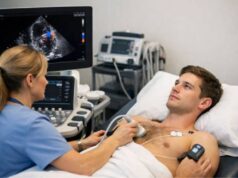
- Echocardiogram (heart ultrasound): checks pumping strength, chamber size, valve function, and signs of heart strain.
- Blood tests: thyroid function, electrolytes, anemia markers if clinically indicated.
- Sleep apnea evaluation: if snoring, witnessed pauses, or daytime sleepiness suggest it.
- Medication/supplement review: including energy drinks, “pre-workout,” and decongestants.
4) Acute-care bedside tools
In urgent settings, clinicians may use maneuvers or medications that slow the AV node (the electrical gateway between upper and lower chambers). This often:
- Helps unmask atrial activity on the monitor so the atrial rhythm can be identified
- Does not always terminate EAT, because many focal atrial tachycardias do not depend on the AV node to continue
5) Electrophysiology study (selected cases)
If EAT is frequent, symptomatic, or hard to control, an electrophysiology study maps the atria from inside the heart to find the focus precisely. This is often paired with catheter ablation in the same procedure.
A practical tip for appointments: bring a simple timeline. Note when episodes began, how often they happen, how long they last, and what changed around that time (illness, new supplements, major stress, sleep loss, increased caffeine/alcohol). That context often shortens the path to an accurate diagnosis and a plan that fits your life.
Treatments that work and what to expect
Treatment depends on stability, symptoms, and episode burden. Some people need only trigger control and observation. Others benefit from medication or a definitive procedure.
1) If you are unstable
If EAT causes low blood pressure, severe chest pain, fainting, or signs of shock, clinicians typically treat it as an emergency. The priority is restoring safe circulation, which may include synchronized cardioversion (a controlled electrical reset). This is not the typical scenario, but it is important to name clearly.
2) If you are stable
Stable patients have time for a stepwise approach:
- Trigger management first (often high value):
- Reduce stimulant peaks (energy drinks, nicotine, high-dose caffeine).
- Correct dehydration and avoid extreme electrolyte swings.
- Address fever, infection, pain, or uncontrolled anxiety.
- Review medications and supplements for hidden stimulants.
- Rate control or symptom control with medications:
Options depend on age and medical history, but commonly include: - Beta blockers: often help when episodes are driven by adrenaline or stress.
- Certain calcium channel blockers: may slow the ventricular response and reduce symptoms in appropriate patients.
- Antiarrhythmic drugs: considered when EAT is frequent, prolonged, or causing heart strain. Selection is individualized because benefits must outweigh side effects and safety concerns.
A realistic expectation: medication may reduce episode frequency and improve tolerance, but it does not always eliminate EAT. For some, the rhythm returns whenever medication is missed or triggers flare.
3) Catheter ablation (often the most definitive option)
Ablation targets the small atrial focus responsible for EAT. Using mapping technology, an electrophysiologist locates the earliest point of activation and applies energy to stop abnormal firing.
Ablation is often considered when:
- Episodes are frequent, prolonged, or highly symptomatic
- EAT is incessant or suspected of weakening heart function
- Medication is ineffective, not tolerated, or undesirable long term
- There is a clear single focus suitable for targeted treatment
Many patients choose ablation because it can be a one-time solution rather than years of medication adjustments. As with any procedure, there are risks (bleeding, vascular injury, rare heart perforation, or rhythm recurrence), and the risk/benefit discussion should be personalized.
4) Treating tachycardia-induced cardiomyopathy
If EAT has weakened heart pumping strength, the plan typically includes:
- Aggressive rhythm control (often ablation when feasible)
- Temporary heart-failure supportive therapy when needed
- Follow-up imaging to confirm recovery
A key point: when tachycardia is the main driver, improvement can begin within weeks after control, with continued recovery over a few months. That reversibility is one reason clinicians take sustained EAT seriously even in young, otherwise healthy people.
Management, prevention, and when to seek care
Living well with ectopic atrial tachycardia usually means managing the “soil” that lets it grow: sleep, stress load, hydration, stimulant exposure, and follow-up that matches your risk level.
Day-to-day management that helps
- Build a steady baseline: consistent sleep and meal timing can reduce adrenaline spikes that trigger episodes.
- Hydration with intention: aim for steady fluids through the day, especially when exercising or ill. If you sweat heavily, discuss electrolyte strategies with a clinician rather than guessing.
- Caffeine strategy: many people do better with a consistent moderate intake than with big swings. If palpitations are frequent, try a 2–4 week reduction to see if episodes fall.
- Alcohol awareness: even one night of heavier drinking can trigger days of irritability in sensitive atrial tissue.
- Exercise wisely: regular moderate activity supports heart health. Sudden jumps in intensity, poor recovery, and overtraining can provoke episodes in some people.
- Track patterns briefly, not forever: use a two-week log when symptoms change. Record sleep, caffeine/alcohol, illness, stress, and episodes. Then stop once the pattern is clear.
Follow-up that protects your heart
Your clinician may recommend:
- Periodic rhythm monitoring to measure tachycardia burden
- An echocardiogram if episodes are frequent, prolonged, or symptoms suggest strain
- A plan for what to do when an episode starts (rest, hydration, symptom check, when to call)
If you have had sustained episodes, ask a practical question: “What is my action threshold?” Examples include “call if an episode lasts more than 30–60 minutes,” or “seek urgent care if I feel faint or develop chest pressure.”
Prevention: focus on what is modifiable
You cannot always prevent EAT, but you can lower the odds of flare-ups by:
- Treating sleep apnea if present
- Managing blood pressure and metabolic health
- Avoiding stimulant stacking (energy drink + decongestant + pre-workout)
- Correcting thyroid imbalance if it exists
- Planning recovery days if you do endurance training
When to book a routine visit
Schedule an appointment if:
- You have new palpitations that persist beyond 1–2 weeks
- Episodes become longer, more frequent, or harder to tolerate
- You notice reduced stamina, breathlessness, or unusual fatigue
- You started a new medication or supplement and symptoms followed
When to seek urgent or emergency care
Get urgent evaluation for:
- Fainting, near-fainting, or severe dizziness
- Chest pain or pressure, especially with sweating or exertion
- Severe shortness of breath or signs of fluid overload
- New neurologic symptoms (stroke warning signs)
- A sustained very fast heart rate with worsening symptoms
A final perspective: EAT often feels frightening because it is fast and unpredictable. A plan makes it smaller. Once you know your pattern, your triggers, and your action threshold—and you have a clear pathway to medication adjustment or ablation if needed—most people regain confidence in daily life and exercise, rather than living “on alert” for the next episode.
References
- Arrhythmia-Induced Cardiomyopathy: JACC State-of-the-Art Review 2024 (Review)
- Catheter ablation for focal atrial tachycardias during pregnancy: A systematic review 2024 (Systematic Review)
- Catheter ablation for atrial tachycardia in pediatric patients: a single-center experience 2024 (Clinical Study)
- Tachycardia induced cardiomyopathy due to ectopic atrial tachycardia originating from the atrial appendage: A case series and review of literature 2025 (Case Series/Review)
Disclaimer
This article is for educational purposes only and does not provide medical advice, diagnosis, or treatment. Heart rhythm conditions can have different causes and risks depending on age, symptoms, medical history, medications, pregnancy status, and test results. If you have fainting, chest pain, severe shortness of breath, or any stroke warning signs, seek urgent medical care. For personalized guidance, consult a qualified clinician who can evaluate your symptoms and interpret your ECG and monitoring results.
If you found this article helpful, please share it on Facebook, X (formerly Twitter), or any platform you prefer, and follow us on social media. Your support through sharing helps our team continue producing clear, trustworthy health content.