Ectopic beats are extra heartbeats that arrive “out of turn.” Many people notice them as a skipped beat, a sudden thump, or a brief flutter. An ECG (electrocardiogram—heart’s electrical tracing) can show whether the extra beat starts in the upper chambers (atria) or the lower chambers (ventricles). Most ectopic beats are harmless, especially when they are occasional and the heart is otherwise healthy.
Still, they deserve respectful attention for two reasons. First, frequent ectopic beats can be exhausting and anxiety-provoking. Second, in a smaller group of people, a high number of extra beats may signal an underlying trigger—like thyroid imbalance, sleep loss, or heart disease—or, rarely, contribute to weakening of the heart muscle over time. This guide explains what ectopic beats mean, what tends to cause them, how they are evaluated, and what helps most.
Table of Contents
- What ectopic beats are and why they occur
- Common triggers and underlying causes
- Risk factors and when they matter more
- Symptoms, complications, and red flags
- How ectopic beats are diagnosed
- Treatment and day-to-day management
What ectopic beats are and why they occur
Your heart runs on an electrical timing system. Most beats begin in the sinus node (the usual “starter”) and travel through a predictable pathway. Ectopic beats happen when a cell group outside the normal starter fires early, creating an extra beat before the next scheduled one.
There are two main types, and they behave a little differently:
- Premature atrial contractions (PACs): extra beats from the atria (upper chambers). They are common and often feel like a brief flutter or a “missed beat.”
- Premature ventricular complexes (PVCs): extra beats from the ventricles (lower chambers). They can feel like a stronger thump because the heart may fill a bit more before the next normal beat.
A classic sensation comes from the pattern, not the extra beat alone. Many ectopic beats create a short pause afterward. That pause allows more filling, so the next normal beat can feel unusually forceful. People often describe this as “my heart skipped, then slammed.”
Why do these early beats happen at all? Heart cells have built-in electrical properties that can be nudged by everyday physiology. Small shifts in stress hormones, sleep stage, hydration, or mineral balance can lower the threshold for an early “spark.” Think of it like a sensitive doorbell: most of the time it works normally, but on certain days it rings from a light tap.
Ectopic beats also sit on a spectrum:
- Occasional ectopic beats: very common; often benign.
- Frequent ectopic beats: may still be benign but deserve evaluation for triggers and overall burden.
- Runs of ectopy or sustained fast rhythms: can signal a different problem (such as atrial tachycardia, atrial fibrillation, or ventricular tachycardia), especially if symptoms are strong.
A practical distinction that matters clinically is burden—how many extra beats occur in a day. Two people can both have “ectopic beats,” but one might have a handful, while another might have thousands. That difference influences testing, follow-up, and whether treatment aims for comfort only or for protecting heart function.
Common triggers and underlying causes
Most ectopic beats come from a mix of triggers rather than one single cause. The most useful approach is to separate temporary triggers (often reversible) from medical or structural causes (important to identify).
Common temporary triggers
- Stimulants: energy drinks, high-dose caffeine, nicotine, some decongestants, and recreational stimulants.
- Alcohol: especially binge drinking or “weekend spikes,” which can irritate heart tissue and disrupt sleep.
- Sleep loss and irregular sleep: ectopic beats often increase after short nights or jet lag because the nervous system becomes more reactive.
- Stress and adrenaline surges: panic, deadlines, pain, and intense workouts can all raise the chance of early beats.
- Dehydration and electrolyte shifts: vomiting, diarrhea, heavy sweating, fasting, or extreme low-carb dieting can lower potassium or magnesium.
- Illness: fever, infections, and low oxygen (even temporarily) can provoke ectopy.
Medical conditions that can promote ectopy
- Thyroid imbalance: too much thyroid hormone can make the heart “rev up.”
- Anemia: the body compensates for lower oxygen delivery by increasing heart workload.
- Sleep apnea: repeated oxygen dips and pressure swings can irritate both atria and ventricles over time.
- Lung disease: chronic low oxygen or lung strain can affect the right side of the heart.
- Gastroesophageal reflux and bloating: not a direct heart cause, but chest discomfort and vagal stimulation can heighten awareness and sometimes trigger palpitations in sensitive people.
Heart-related causes
- High blood pressure over time: can enlarge or stiffen heart chambers, increasing irritability.
- Valve disease or cardiomyopathy: changes in chamber size and pressure can promote ectopy.
- Prior heart surgery or inflammation: scarring or healing tissue can become electrically active.
- Coronary artery disease: less commonly a cause of isolated ectopy, but important to consider if symptoms suggest reduced blood flow.
An original, practical insight: many people try to “hunt” for one trigger and get frustrated. Ectopic beats often behave like a stacking problem—two or three small stressors together (poor sleep + dehydration + caffeine spike) produce symptoms, while any one of them alone does not. A short, structured experiment works better than guesswork: pick a two-week period, keep caffeine stable and moderate, avoid energy drinks and binge alcohol, prioritize sleep, and hydrate consistently. If the pattern improves, you have a clear lever. If it does not, that is useful data too—it suggests your next step should be monitoring and medical evaluation rather than endless lifestyle tinkering.
Risk factors and when they matter more
Ectopic beats are extremely common across all ages, so the key question is not “Do you have them?” but “Do they carry added risk in your situation?” Risk depends on who you are, what the beats look like, and what else is going on with your heart and health.
Situations where ectopic beats are often low-risk
- You are otherwise healthy, with no known heart disease.
- Ectopic beats are occasional, brief, and not increasing over time.
- Symptoms are mild, and you can exercise normally.
- Episodes cluster around identifiable triggers (sleep loss, caffeine spikes, illness) and settle when the trigger resolves.
Factors that make ectopy more clinically important
- Known structural heart disease: valve disease, cardiomyopathy, congenital heart disease, or prior heart attack.
- Older age with multiple risk factors: hypertension, diabetes, kidney disease, or long-term sleep apnea.
- High ectopic burden: very frequent PACs or PVCs on monitoring (especially if they take up a noticeable percentage of daily beats).
- Multifocal or complex patterns: extra beats that come from more than one location, occur in couplets (two in a row), or appear in short runs.
- New onset with no clear trigger: especially if accompanied by shortness of breath or chest discomfort.
- Family history: sudden unexplained death, inherited cardiomyopathy, or known electrical disorders in close relatives.
Why “burden” changes the conversation
A handful of ectopic beats is usually a comfort issue. A high burden becomes a heart-health issue for two reasons:
- Frequent atrial ectopy can be a marker of atrial vulnerability and, in some people, precede atrial fibrillation.
- Frequent ventricular ectopy, when sustained over time, can rarely weaken heart pumping strength (often reversible once the burden is reduced).
Clinicians also pay attention to your baseline heart function. If your echocardiogram is normal and your ectopic beats are isolated, reassurance is common. If there is reduced pumping strength, enlargement of chambers, or significant valve disease, the same ectopy may deserve closer follow-up.
A helpful way to frame risk without panic is the “three-context check”:
- Context 1: Your body (age, pregnancy status, thyroid, anemia, sleep quality).
- Context 2: Your heart (structure and pumping function).
- Context 3: Your rhythm pattern (burden, complexity, triggers, and symptoms).
When two or three contexts point in the same direction—high burden plus symptoms plus heart changes—the plan usually becomes more proactive.
Symptoms, complications, and red flags
Many ectopic beats cause no symptoms and are found incidentally. When symptoms occur, they often reflect either awareness of the beat pattern or a body stressor that also increases ectopy (like poor sleep, dehydration, or anxiety).
Common symptoms
- A skipped beat sensation followed by a thump
- Fluttering in the chest or throat
- Brief chest “drop” feeling
- Mild shortness of breath during clusters
- Anxiety or a sense of unease (often from the unpredictability)
- Fatigue, especially after hours of frequent palpitations
What symptoms do (and do not) mean
- A strong “thud” can occur even with benign ectopy; it often reflects the pause and the stronger next normal beat.
- Symptoms are not a perfect measure of frequency. Some people feel every extra beat; others feel almost none even with a high burden. That is why monitoring can be so clarifying.
Possible complications (not common, but important)
- Progression to sustained atrial rhythms: Frequent PACs can coexist with or precede atrial fibrillation in some people.
- PVC-related heart weakening: A persistently high PVC burden can, in a subset, reduce pumping strength over time. The encouraging part is that improvement is often seen after reducing the burden.
- Quality-of-life effects: sleep disruption, reduced confidence with exercise, and avoidance behaviors can become the main “complication,” even when the heart is healthy.
- Overcorrection: excessive caffeine elimination, extreme dietary restriction, or repeated emergency visits can create stress that worsens symptoms.
Red flags that deserve urgent evaluation
Seek urgent care if ectopic beats are accompanied by:
- Fainting or near-fainting
- Chest pain or pressure, especially with exertion, sweating, or nausea
- Severe shortness of breath, blue lips, or inability to speak full sentences
- New weakness, facial droop, trouble speaking, or sudden severe headache
- A sustained very fast rhythm that does not settle with rest (this may be more than isolated ectopy)
A practical “what to do in the moment” approach
When palpitations hit, try a calm, structured check:
- Sit down, slow your breathing, and sip water.
- Ask: “Did I sleep poorly, drink caffeine/alcohol, take a decongestant, get sick, or skip meals today?”
- If symptoms are mild and improving, note the episode and move on.
- If symptoms are intense, new, or paired with red flags, seek medical help.
A useful mindset: ectopic beats are usually not a sign that the heart is “about to stop.” They are more often a sign that the heart is sensitive that day. The goal is to identify when sensitivity is harmless and when it is a clue worth pursuing.
How ectopic beats are diagnosed
Diagnosis has two goals: confirm what type of ectopic beat you are having, and determine whether it is benign or needs treatment or follow-up.
1) History and physical exam
Clinicians start with:
- What the sensation feels like (thump, flutter, rapid run)
- Frequency and timing (at rest, after meals, during exercise, at night)
- Triggers (sleep loss, caffeine, alcohol, illness, stress)
- Medication and supplement list (including “pre-workout” and decongestants)
- Family history of heart rhythm disease or sudden death
- Signs of thyroid imbalance, anemia, or sleep apnea
2) ECG
A standard ECG can show PACs or PVCs if they happen during the recording. It can also reveal:
- Evidence of prior heart injury or chamber enlargement
- Conduction issues that may shape risk
- Whether symptoms might be from another rhythm problem (like atrial fibrillation)
3) Ambulatory rhythm monitoring
If the ECG misses the moment, monitoring captures real-life rhythm:
- Holter monitor (24–48 hours): good for daily symptoms.
- Patch monitor (7–14+ days): better for intermittent symptoms.
- Event monitor: useful when episodes are less frequent or need patient activation.
Monitoring provides the most actionable data: total ectopic counts, percentage burden, single-focus vs multifocal patterns, and whether there are runs of faster rhythms.
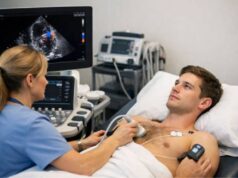
4) Echocardiogram
An ultrasound of the heart checks structure and pumping function. This matters because ectopic beats are interpreted very differently in:
- A normal heart with normal pumping strength
- A heart with reduced function, enlarged chambers, or significant valve disease
5) Targeted blood tests
Depending on the situation, clinicians may check:
- Thyroid function
- Electrolytes (especially potassium and magnesium)
- Blood count for anemia
- Other tests guided by symptoms (for example, infection markers)
6) Exercise testing and imaging (selected cases)
Exercise testing helps when symptoms occur with exertion or when clinicians want to see how ectopy behaves under stress. In some cases—especially when there are red flags or known heart disease—additional imaging may be considered.
A patient-centered tip: ask for your results in plain numbers. Two questions often clarify everything:
- “What was my ectopic burden (counts or percent)?”
- “Was my heart structure and pumping function normal on echo?”
Those answers usually determine whether you need reassurance, a trigger-focused plan, medication, or a specialist referral.
Treatment and day-to-day management
Treatment is tailored to symptoms, ectopic burden, and heart health. Many people do best with a layered plan: reduce triggers, confirm safety, then treat only as much as needed.
1) When reassurance is enough
Reassurance and observation are common when:
- Ectopic beats are occasional
- The heart is structurally normal
- Symptoms are mild and not worsening
A clinician may recommend follow-up only if symptoms change.
2) Trigger and lifestyle management (high impact for many)
Try adjustments that lower “electrical irritability”:
- Keep caffeine steady and moderate rather than spiky; avoid energy drinks.
- Avoid binge alcohol; notice whether even small amounts trigger you.
- Hydrate consistently; add electrolytes thoughtfully if you sweat heavily.
- Aim for regular sleep timing; treat snoring and suspected sleep apnea.
- Review medications and supplements for hidden stimulants.
- Use brief stress downshifts: 5 minutes of slow breathing, a walk, or a short stretch break.
A simple two-week plan often works well: remove stimulant stacking, prioritize sleep, and stabilize hydration. If ectopy drops, you’ve found a reliable lever.
3) Medications (for persistent symptoms or higher burden)
Medication may be considered when ectopic beats are frequent or distressing:
- Beta blockers: often reduce palpitations and adrenaline-driven ectopy.
- Certain calcium channel blockers: sometimes used for symptom control in appropriate patients.
- Other rhythm medications may be considered by specialists when symptoms are severe or when the burden threatens heart function.
Medication decisions depend on blood pressure, asthma status, other conditions, and pregnancy considerations.
4) Catheter ablation (selected cases)
Ablation targets a specific site that triggers frequent ectopic beats, most commonly frequent PVCs from a single focus. It is usually considered when:
- Burden is high and symptoms are significant
- There is evidence of reduced pumping strength linked to ectopy
- Medications are ineffective or not tolerated
Ablation is not needed for most people with occasional ectopy, but it can be a strong option when the ectopy is clearly driving symptoms or heart dysfunction.
5) Follow-up strategy
A good plan includes:
- Clear thresholds for re-checking (for example, worsening symptoms, reduced exercise tolerance, or increasing episode duration)
- Repeat monitoring if symptoms change
- Repeat echocardiogram when burden is high or if there are signs of heart strain
When to seek care
- Routine visit: new or worsening palpitations lasting beyond 1–2 weeks, or palpitations that change your daily function.
- Urgent care: fainting, chest pain, severe breathlessness, neurologic symptoms, or sustained very fast rhythm.
The goal is not to “chase perfection” on an ECG. It is to ensure safety, reduce symptom burden, and protect heart function while keeping life as normal as possible.
References
- Premature atrial contractions: A predictor of atrial fibrillation and a relevant marker of atrial cardiomyopathy – PMC 2022 (Mini-Review)
- Premature Ventricular Contraction-Induced Cardiomyopathy: Contemporary Evidence from Risk Stratification, Pathophysiology, and Management – PMC 2024 (Review)
- 2022 ESC Guidelines for the management of patients with ventricular arrhythmias and the prevention of sudden cardiac death – PubMed 2022 (Guideline)
- Frequent premature ventricular complexes and risk of atrial fibrillation, heart failure, stroke and mortality: a meta-analysis – PMC 2025 (Systematic Review/Meta-analysis)
Disclaimer
This article is for educational purposes only and does not provide medical advice, diagnosis, or treatment. Heart rhythm symptoms can have different meanings depending on age, medical history, medications, pregnancy status, and test results. If you have fainting, chest pain, severe shortness of breath, or any stroke warning signs, seek urgent medical care. For personal guidance, consult a qualified clinician who can interpret your ECG and monitoring results in context.
If you found this article helpful, please share it on Facebook, X (formerly Twitter), or any platform you prefer, and follow us on social media. Your support through sharing helps our team continue producing clear, trustworthy health content.