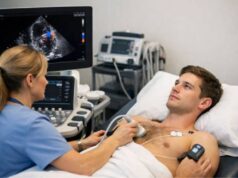
An ectopic ventricular rhythm is a heartbeat pattern that starts in the heart’s lower chambers instead of the usual natural pacemaker. On an ECG (electrocardiogram—heart’s electrical tracing), it looks different because the electrical signal travels along a different route. Sometimes this rhythm appears as the heart’s built-in safety backup when the normal pacemaker slows. Other times it shows up during illness, medication effects, or heart disease.
Hearing “ventricular rhythm” can sound alarming, but the meaning depends on the details: the heart rate, how long it lasts, your symptoms, and whether the heart muscle is otherwise healthy. Many short-lived forms are benign and self-limited. Some patterns, especially fast or persistent ones, need prompt assessment because they can affect blood flow or signal an underlying problem. This article explains the major types, why they happen, what symptoms matter, and how clinicians decide on the safest plan.
Table of Contents
- What ectopic ventricular rhythm means and common types
- What causes ectopic ventricular rhythm?
- Risk factors and when it signals a bigger problem
- Symptoms, complications, and warning signs
- How it’s diagnosed and what tests show
- Treatment, management, and when to seek care
What ectopic ventricular rhythm means and common types
Your heart normally beats because a small area in the right upper chamber starts an electrical impulse, which then travels through a dedicated wiring system to the ventricles. In an ectopic ventricular rhythm, the impulse begins in the ventricles themselves (or in tissue very close to them). This can happen as a protective “escape” mechanism or as an abnormal rhythm that competes with the normal pacemaker.
Clinicians use a few terms you may hear in reports:
- Ventricular escape rhythm: A backup rhythm that appears when the usual pacemaker is too slow or blocked. It is often slower than normal and may prevent the heart from stopping.
- Idioventricular rhythm: A ventricular rhythm that runs at a relatively slow rate, often similar to an escape rhythm. It can occur transiently and may not be dangerous by itself.
- Accelerated idioventricular rhythm (AIVR): A ventricular rhythm that is faster than a typical escape rhythm but usually not as fast as ventricular tachycardia. It is often temporary and can occur during recovery from reduced blood flow to the heart or after certain treatments.
- Ventricular tachycardia (VT): A fast rhythm from the ventricles, often defined as 3 or more ventricular beats in a row at a high rate. VT can be non-sustained (brief) or sustained (lasting long enough to cause instability or requiring intervention).
- Premature ventricular complexes (PVCs): Extra beats from the ventricles that interrupt an otherwise normal rhythm. PVCs are not a “rhythm” by themselves, but frequent PVCs can create an overall ectopic ventricular pattern.
How these types differ in real life:
- Rate: Escape and idioventricular rhythms are usually slower; VT is usually faster. AIVR sits in between.
- Context: Escape rhythms often appear when the normal rhythm is suppressed. AIVR often appears during recovery phases. VT may appear in structurally abnormal hearts, during acute heart injury, or with significant triggers.
- Stability: Slower ventricular rhythms can sometimes be tolerated if blood pressure remains stable. Fast ventricular rhythms are more likely to reduce blood flow and cause fainting or collapse.
A key point is that “ventricular” does not automatically mean “life-threatening.” The ventricles are designed to pump blood, and the body has backups. What raises concern is a rhythm that is too fast, too long-lasting, associated with fainting or low blood pressure, or connected to structural heart disease.
If you’re reading an ECG report, remember this practical translation:
- Escape/idioventricular often means “backup rhythm” that needs a reason explained.
- AIVR often means “temporary recovery rhythm” that still deserves context.
- VT means “fast ventricular rhythm” that requires careful risk assessment, even if you felt okay during the recording.
What causes ectopic ventricular rhythm?
Ectopic ventricular rhythms usually arise when ventricular cells become more electrically active than usual or when the normal pacemaker is slowed or blocked. Causes fall into three helpful buckets: normal backup physiology, temporary triggers, and heart disease or injury.
1) Backup physiology and conduction problems
- Slowed normal pacemaker: deep sleep, high vagal tone, or medications that slow the heart can allow ventricular backup rhythms to appear.
- Heart block: if electrical signals from the atria cannot reach the ventricles reliably, the ventricles may generate their own rhythm to maintain circulation.
- After procedures: certain heart procedures can temporarily irritate the conduction system or slow the sinus node.
2) Temporary triggers that increase ventricular irritability
These do not always cause dangerous rhythms, but they can lower the threshold for ventricular beats.
- Electrolyte disturbances: low potassium or magnesium are classic contributors, especially in people taking diuretics, experiencing vomiting/diarrhea, or sweating heavily.
- Stimulants: cocaine, amphetamines, high-dose caffeine, and some supplements can provoke ventricular ectopy.
- Alcohol and dehydration: can combine to disrupt sleep, electrolytes, and stress hormones.
- Low oxygen: severe asthma, pneumonia, or lung disease flare-ups can stress the heart.
- Thyroid imbalance: excess thyroid hormone increases sensitivity to adrenaline-like signals.
- Medication effects: some medications can prolong electrical recovery time in the heart (QT prolongation), raising the risk of dangerous ventricular rhythms in susceptible people.
3) Heart disease or acute heart injury
This bucket matters most for risk.
- Coronary artery disease and heart attack: reduced blood flow and scarring can create areas that misfire or form re-entry circuits.
- Cardiomyopathy: weakened or thickened heart muscle can be electrically unstable.
- Myocarditis: inflammation from infections or immune causes can trigger ventricular rhythms, sometimes in younger people with no prior history.
- Valve disease and heart failure: increased wall stress can promote both atrial and ventricular ectopy.
- Inherited conditions: some electrical and muscle disorders can predispose to ventricular arrhythmias, especially with family history of sudden death.
AIVR has a few classic settings:
- It can appear during reperfusion, meaning blood flow is restored after a blockage resolves or after certain treatments.
- It can appear after certain medications or in the setting of transient irritation of the ventricular tissue.
Ventricular escape rhythms often point to a different issue:
- They commonly indicate significant sinus slowing or impaired conduction from atria to ventricles.
A practical insight for patients: the first question is rarely “How do we stop the rhythm?” The first question is “What is the driver?” If the driver is correctable—electrolytes, medication dose, dehydration, thyroid excess, or low oxygen—treating that driver often reduces or resolves the ectopic rhythm without long-term therapy. If the driver is structural heart disease or scarring, the strategy shifts toward protecting you from recurrence and reducing risk.
Risk factors and when it signals a bigger problem
The same ECG phrase—“ectopic ventricular rhythm”—can mean very different things depending on the person. Risk assessment is about context: your baseline heart health, the rhythm’s speed and duration, and how your body responds to it.
Lower-risk contexts (often, not always)
- A brief ventricular escape rhythm during sleep or heavy relaxation, especially if you take heart-rate–slowing medication and have no symptoms.
- A short episode of AIVR during recovery from an acute event, when blood pressure is stable and clinicians have identified a reversible trigger.
- Occasional PVCs in a structurally normal heart with no fainting, no chest pain, and normal exercise capacity.
Risk factors that raise concern
- Known structural heart disease: prior heart attack, heart failure, cardiomyopathy, significant valve disease, congenital heart disease, or prior cardiac surgery.
- Reduced pumping strength: a lower ejection fraction (the heart’s pumping measure) increases risk from sustained ventricular rhythms.
- Symptoms suggesting poor blood flow: fainting, near-fainting, severe dizziness, confusion, or chest pain during the rhythm.
- Sustained or fast rhythms: longer episodes, higher rates, or frequent recurrence.
- Family history: sudden unexplained death, inherited cardiomyopathy, or known electrical disorders.
- Abnormal ECG markers: patterns that suggest inherited arrhythmia syndromes, or evidence of significant conduction disease.
Why duration and “burden” matter
A brief run of ventricular beats can be scary but may not be dangerous if everything else is reassuring. Clinicians focus on:
- How long it lasts: seconds vs minutes vs ongoing.
- How often it happens: once a month vs daily vs nearly continuous.
- How many ventricular beats occur in a day: a very high number of PVCs can, in some people, weaken heart pumping over time. This is not the case for most people, but it is a recognized scenario.
When ectopic ventricular rhythm may indicate a bigger issue
- New onset after age 40 with no clear trigger: deserves evaluation for coronary artery disease, structural problems, or medication effects.
- Occurrence during exercise or with exertional chest symptoms: raises concern more than ectopy that appears only at rest.
- Association with fever, viral illness, or chest pain in younger people: can suggest myocarditis and should be taken seriously.
- Ventricular rhythm plus heart block signs: suggests conduction system disease that may require pacing rather than rhythm suppression.
A useful “risk ladder” for understanding what your clinician is thinking:
- Benign ectopy: isolated PVCs/PACs, stable vitals, normal structure.
- Trigger-driven ventricular rhythm: electrolyte or medication issue, improves after correction.
- Marker of underlying disease: scarring, cardiomyopathy, myocarditis, or ischemia that needs targeted treatment.
- High-risk ventricular arrhythmia: sustained VT or rhythms associated with fainting, low blood pressure, or structural disease.
An original, practical insight: many patients focus on the rhythm label, but clinicians often focus on “What is the heart doing between episodes?” A normal echocardiogram, normal cardiac biomarkers when appropriate, stable blood pressure, and reassuring exercise response can shift the entire risk interpretation. Conversely, a subtle drop in pumping function or evidence of scarring can turn “just an episode” into a reason for a deeper plan.
Symptoms, complications, and warning signs
Symptoms depend on how fast the ventricles are beating, how coordinated the pumping remains, and whether the rhythm causes a drop in blood pressure. Some people feel every irregular beat; others feel nothing even with significant ectopy. That mismatch is one reason objective monitoring is so helpful.
Common symptoms
- Palpitations: thumping, fluttering, “skipped beats,” or a sudden racing sensation.
- Chest discomfort: pressure or tightness, especially if the rhythm is fast.
- Shortness of breath: often worse with exertion or prolonged episodes.
- Lightheadedness: due to reduced filling time or reduced pump efficiency.
- Fatigue: particularly after episodes that last minutes to hours.
Symptoms more typical of slower ventricular escape rhythms
- Unusual tiredness, sluggishness, or feeling “foggy”
- Dizziness when standing
- Exercise intolerance because the heart rate does not rise appropriately
Symptoms that suggest instability
- Fainting (syncope) or near-fainting
- Cold sweat, gray/pale skin, confusion
- Severe chest pain or pressure, especially with nausea or sweating
- Severe breathlessness or inability to speak full sentences
Potential complications (context-dependent)
- Reduced blood flow during fast rhythms: sustained VT can reduce circulation, causing fainting or collapse.
- Heart muscle weakening over time: a high burden of ventricular ectopy or persistent tachycardia can sometimes reduce heart pumping strength; this can be reversible when the rhythm is controlled.
- Progression to more serious rhythms: in hearts with scarring or inherited electrical disease, ventricular rhythms may recur or escalate.
- Anxiety and avoidance: even benign ectopy can shrink a person’s world—skipping exercise, avoiding social events, or living in constant fear of a “bad episode.”
Red flags that should prompt urgent evaluation
Seek urgent or emergency care if any of the following occur:
- Fainting, near-fainting, or sudden severe dizziness
- Chest pain or pressure, especially with exertion or sweating
- New severe shortness of breath, bluish lips, or rapid breathing at rest
- A sustained fast heartbeat that does not settle with rest
- New neurologic symptoms: weakness on one side, facial droop, speech difficulty
- Palpitations with fever and chest pain after a viral illness (possible myocarditis)
What you can do during an episode (safe first steps)
If symptoms are mild and you are otherwise stable:
- Sit or lie down and breathe slowly.
- Drink water if you might be dehydrated.
- Avoid driving or climbing stairs until it passes.
- Note the time, triggers (sleep, caffeine, alcohol, illness), and how long it lasts.
If symptoms are severe or include red flags, do not try to “ride it out.” The key risk with ventricular rhythms is not discomfort; it is reduced blood flow. If you feel close to fainting, treat that as urgent regardless of your heart rate reading on a wearable.
How it’s diagnosed and what tests show
Diagnosis is not only about naming the rhythm; it is about finding the cause and measuring risk. A structured evaluation usually answers five questions: what rhythm is it, how often does it happen, what triggers it, is the heart structurally healthy, and does it require protective treatment?
1) ECG and rhythm strips
A standard 12-lead ECG can identify ventricular-origin beats because the QRS complex (the main spike) often looks wider or has a different shape than usual. ECG features help clinicians distinguish:
- Ventricular escape rhythm vs AIVR vs VT
- PVCs vs runs of VT
- Patterns suggesting a specific origin (right vs left ventricle)
If you have symptoms that come and go, a single ECG may miss the episode. That is common and does not rule anything out.
2) Ambulatory monitoring
Monitoring captures real-life episodes and calculates ectopic burden.
- Holter monitor (24–48 hours): best if symptoms are daily.
- Patch monitor (7–14+ days): useful if episodes are less frequent.
- Event monitor: useful when you need to record specific symptoms.
Monitoring clarifies: - Percentage of beats that are PVCs
- Runs of non-sustained VT (how long, how fast)
- Day/night patterns (sleep-associated ectopy vs exertional ectopy)
3) Echocardiogram
An ultrasound assesses:
- Pumping strength and chamber sizes
- Valve function
- Signs of cardiomyopathy or heart failure
This single test often separates “common and benign” from “needs more work-up.”
4) Blood tests and trigger checks
Depending on your situation, clinicians may check:
- Electrolytes (potassium, magnesium)
- Thyroid function
- Blood count (anemia)
- Markers of heart stress or injury when appropriate
They also review medications and supplements, including decongestants, “pre-workout,” and weight-loss products.
5) Evaluation for ischemia or inflammation (selected cases)
If symptoms or risk factors suggest reduced blood flow or myocarditis, clinicians may consider:
- Exercise testing or imaging stress testing
- Coronary evaluation in appropriate patients
- Cardiac MRI to look for inflammation or scarring (especially in suspected myocarditis or unexplained cardiomyopathy)
6) Electrophysiology study (selected cases)
If ventricular rhythms are frequent, symptomatic, or associated with reduced heart function, an electrophysiology study can map where the rhythm starts. This is often paired with catheter ablation when a clear target exists.
A practical tip for patients: ask for the rhythm summary in plain language:
- What rhythm was seen (PVCs, AIVR, VT, escape rhythm)?
- What was the fastest rate and the longest episode?
- What was the ectopic burden (counts or percent)?
- Was the echocardiogram normal?
- What triggers or causes are suspected, and what is the next step?
Those five points turn a scary ECG phrase into a clear plan.
Treatment, management, and when to seek care
Treatment depends on the rhythm type, severity, symptoms, and underlying heart health. The safest plans focus first on correcting drivers, then on reducing burden and risk, and finally on long-term prevention and follow-up.
1) Treat the cause and stabilize triggers
This is often the highest-yield step.
- Correct electrolyte problems (especially potassium and magnesium) under medical guidance.
- Treat low oxygen states (lung flare-ups, sleep apnea evaluation when indicated).
- Adjust medications that may slow the sinus node too much or increase ventricular irritability.
- Address thyroid excess, fever, dehydration, and stimulant use.
2) When observation is appropriate
Observation may be reasonable when:
- The rhythm is brief, not fast, and you are stable.
- The heart is structurally normal and pumping well.
- A clear trigger is identified and corrected.
In these cases, the plan may include repeat monitoring and a follow-up echo if ectopy is frequent.
3) Medications
Medication choices vary and must be individualized.
- Beta blockers are commonly used to reduce sympathetic drive, lessen palpitations, and suppress some ventricular ectopy.
- Other antiarrhythmic medications may be considered in higher-risk situations, but they require careful risk/benefit review because some can have significant side effects or pro-arrhythmic risk in certain settings.
- If the main issue is a slow ventricular escape rhythm due to conduction disease, the solution is often not “rhythm suppression” but addressing the conduction problem directly.
4) Catheter ablation
Ablation can be highly effective for frequent PVCs from a single focus or for certain ventricular tachycardias. It is often considered when:
- Symptoms are significant despite trigger control and medication.
- PVC burden is high and suspected to be weakening heart function.
- There are recurrent runs of VT in a pattern suitable for mapping.
Ablation aims to eliminate the initiating focus rather than managing it indefinitely.
5) Devices and protective strategies (selected patients)
In some scenarios, devices are the safest protection:
- Pacemaker: often used when ventricular escape rhythms reflect serious conduction block or symptomatic bradycardia.
- Implantable cardioverter-defibrillator (ICD): considered for patients at meaningful risk of life-threatening ventricular arrhythmias, typically in the setting of cardiomyopathy, prior dangerous VT/VF, or specific inherited conditions.
These decisions are based on structured risk factors, not on occasional ectopic beats.
6) Day-to-day management
Many people reduce episodes with consistent habits:
- Stable sleep schedule and stress recovery
- Avoid stimulant stacking (energy drinks + decongestants + nicotine)
- Hydration and avoiding extreme dieting that disrupts electrolytes
- Gradual exercise progression with adequate recovery
- Tracking episodes briefly when patterns change (two-week log), then stopping to avoid hypervigilance
When to seek care
- Routine visit: new palpitations lasting more than 1–2 weeks, increasing episode frequency, or reduced exercise tolerance.
- Urgent evaluation: fainting, chest pain, severe breathlessness, sustained fast rhythm, or neurologic symptoms.
An original, practical tool: create a one-page “rhythm snapshot” you can share quickly in urgent settings—diagnosis labels used by your cardiologist, most recent echo results, current medications and doses, known triggers, and what you’ve been told to do during episodes. In real life, that page can prevent delays and keep decisions aligned with your established plan.
References
- 2022 ESC Guidelines for the management of patients with ventricular arrhythmias and the prevention of sudden cardiac death 2022 (Guideline)
- Premature Ventricular Contraction-Induced Cardiomyopathy: Contemporary Evidence from Risk Stratification, Pathophysiology, and Management 2024 (Review)
- Arrhythmia-Induced Cardiomyopathy: JACC State-of-the-Art Review 2024 (Review)
- Frequent premature ventricular complexes and risk of atrial fibrillation, heart failure, stroke and mortality: a meta-analysis 2025 (Systematic Review/Meta-analysis)
Disclaimer
This article is for educational purposes only and does not provide medical advice, diagnosis, or treatment. Ventricular rhythm findings can have very different meanings depending on your symptoms, heart structure, medications, and underlying conditions. If you have fainting, chest pain, severe shortness of breath, a sustained rapid heartbeat, or any stroke warning signs, seek urgent medical care. For personalized guidance, consult a qualified clinician who can interpret your ECG and monitoring results in full context.
If you found this article helpful, please share it on Facebook, X (formerly Twitter), or any platform you prefer, and follow us on social media. Your support through sharing helps our team continue producing clear, trustworthy health content.