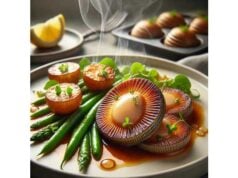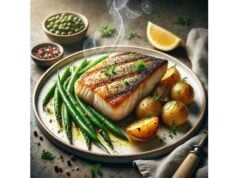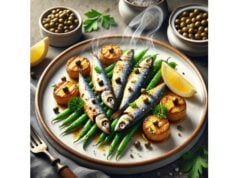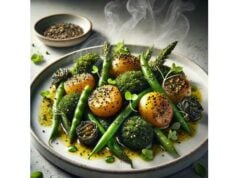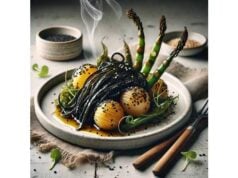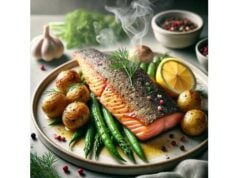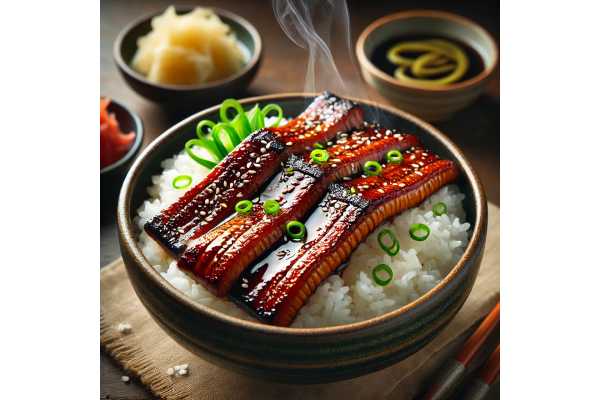
Eel is a rich, flavorful fish that brings silky texture and deep savoriness to Japanese, Korean, Mediterranean, and coastal European cuisines. Freshwater eel (often sold as unagi) and marine conger eel (anago) are the most familiar types in restaurants. Beyond taste, eel is nutrient-dense: it provides complete protein, abundant vitamin B12 and vitamin A, meaningful vitamin D, and long-chain omega-3 fats (EPA and DHA). Because eel is naturally fattier than many white fish, modest portions feel satisfying and pair well with vegetables and whole grains. Safety and sustainability deserve attention: raw eel is not served due to a heat-labile blood toxin, some eel populations face conservation pressure, and sauces used in popular dishes can add significant sodium and sugar. This guide offers a practical, people-first overview: detailed per-100-gram nutrition with % Daily Values, evidence-grounded benefits, allergy and contaminant considerations, how to shop and store, nutrient-smart cooking methods, and realistic portions with comparisons and FAQs.
Key Takeaways
- High in protein, vitamin B12, vitamin A, and omega-3s; satisfying at smaller portions.
- Standard cooked serving: 100–120 g, enjoyed up to once weekly within a varied seafood plan.
- Always cook eel thoroughly; raw eel blood contains a toxin that heat deactivates.
- Popular sauces (kabayaki tare) add sodium and sugar—season mindfully.
- People who are or may become pregnant, and children, should choose lower-mercury seafood, vary species, and follow local advisories for self-caught fish.
Table of Contents
- Eel Basics and Uses
- Eel Nutrition Profile
- Evidence-Based Health Benefits
- Risks, Allergies and Interactions
- Selecting, Quality, Sustainability and Storage
- Preparation, Cooking and Nutrient Retention
- Portions, Comparisons and FAQs
Eel Basics and Uses
Eel appears in markets as fresh fillets, smoked pieces, or pre-grilled, sauced cuts (kabayaki). Unagi (freshwater eel, Anguilla spp.) has a richer, more buttery taste and often arrives already grilled and glazed. Anago (marine conger eel) is lighter and usually served grilled with a more delicate seasoning. Smoked eel is traditional across northern Europe, delivering velvety texture and a clean, briny aroma.
Flavor, texture, and culinary roles
- Flavor: Deeply savory with gentle sweetness; readily absorbs marinades and glazes.
- Texture: High natural fat yields a tender, almost custardy flake when cooked properly.
- In the kitchen:
- Grilling/Broiling: Classic for unagi and anago; quick high heat creates char and glossy finish.
- Pan-searing: Skin-on portions render gently; finish with a citrus or vinegar splash to balance richness.
- Stewing/Braising: Mediterranean eel stews (with tomato, herbs, and olives) highlight gelatin-rich bones and silky flesh.
- Smoked eel: Slice thin over rye bread with pickles, or flake into warm potato salads.
Dietary fit
- Works well in heart-conscious and Mediterranean-style patterns when portions are modest and sauces are measured.
- Naturally free of carbohydrate; provides long-chain omega-3s along with fat-soluble vitamins.
- Because the meat is rich, pairing eel with high-volume vegetables, broth-based grains, and crisp salads balances the plate.
Practical shopping and handling
- Seek vacuum-sealed, flash-frozen unagi from reputable brands for consistency and safety.
- Fresh fillets should smell clean and ocean-like; avoid ammoniac or sour notes.
- Keep very cold (≤4 °C / ≤40 °F), cook the day of purchase if fresh, and refrigerate leftovers promptly.
Yield and portioning
- Skin-on fillets are common; the skin protects tenderness and can be crisped.
- One 200–250 g raw fillet typically yields two 100–120 g cooked servings.
Eel Nutrition Profile
How to read this section: Values reflect cooked eel (moist heat or grilled, sauce not included unless noted) per 100 g. Species, season, and preparation change results. Popular glazes can raise sodium and sugar—the base fish is captured below. %DV uses current U.S. Daily Values for adults and children ≥4 years.
Macros and Electrolytes (per 100 g)
| Nutrient | Amount | %DV |
|---|---|---|
| Energy | ~170–240 kcal | — |
| Protein | ~16–23 g | 32–46% |
| Total Fat | ~10–20 g | 13–26% |
| Saturated Fat | ~2.0–5.0 g | 10–25% |
| Carbohydrates | 0 g (without sauce) | 0% |
| Dietary Fiber | 0 g | 0% |
| Total Sugars | 0 g (without sauce) | — |
| Sodium | ~60–120 mg (unsauced) | 3–5% |
| Potassium | ~250–400 mg | 5–9% |
| Cholesterol | ~150–230 mg | — |
Kabayaki note: A typical glaze can add 150–400 mg sodium and 5–15 g sugar per 100 g served, depending on brand and brushing frequency.
Fats and Fatty Acids (per 100 g)
| Component | Amount | %DV |
|---|---|---|
| Omega-3 EPA + DHA | ~1.0–2.0 g | — |
| Polyunsaturated Fat (total) | ~2–4 g | — |
| Monounsaturated Fat | ~5–9 g | — |
| Omega-6 (n-6) | ~0.3–1.0 g | — |
| Trans Fat | 0 g | — |
Interpretation: Eel is a high-omega-3, high-fat fish. Its omega-3 density is comparable to trout and below the richest species like salmon and sardines, but still substantial.
Protein and Amino Acids (per 100 g)
| Metric | Value |
|---|---|
| Complete Protein (all indispensable amino acids) | Yes |
| Digestibility | High (typical of finfish muscle) |
Practical meaning: Eel’s protein supports satiety and muscle maintenance; its fat promotes tenderness and palatability at modest portions.
Vitamins (per 100 g)
| Vitamin | Amount | %DV |
|---|---|---|
| Vitamin B12 (cobalamin) | ~4–10 µg | 167–417% |
| Vitamin A (RAE) | ~400–1,200 µg | 44–133% |
| Vitamin D | ~5–20 µg (200–800 IU) | 25–100% |
| Niacin (B3) | ~5–9 mg | 31–56% |
| Vitamin B6 (pyridoxine) | ~0.3–0.6 mg | 18–35% |
| Riboflavin (B2) | ~0.2–0.4 mg | 15–31% |
| Vitamin E (alpha-tocopherol) | ~1–3 mg | 7–20% |
Fat-soluble vitamin note: Eel stands out for vitamin A and vitamin D compared with many lean white fish.
Minerals (per 100 g)
| Mineral | Amount | %DV |
|---|---|---|
| Selenium | ~20–40 µg | 36–73% |
| Phosphorus | ~200–300 mg | 16–24% |
| Magnesium | ~25–35 mg | 6–8% |
| Zinc | ~0.7–1.3 mg | 6–12% |
| Iron | ~0.7–1.5 mg | 4–8% |
| Calcium | ~15–40 mg | 1–3% |
| Copper | ~0.05–0.15 mg | 6–17% |
Allergens and Intolerance Markers
- Finfish allergen: Parvalbumin is heat-stable; reactions can be severe in sensitized individuals.
- Histamine risk: Temperature abuse can elevate histamine; strict cold-chain handling reduces risk.
Contaminants and Residues
- Mercury: Variable but often low to moderate; choose smaller, younger fish when possible and rotate species weekly.
- Persistent organic pollutants (POPs): Eels can accumulate PCBs and dioxins depending on waters; reputable sourcing and moderation help manage exposure.
Footnote: Ranges compile reputable nutrient datasets and seafood composition analyses for eel and conger. Brand sauces and smoking change sodium, sugar, and, to a lesser extent, fat profiles; check labels.
Evidence-Based Health Benefits
1) Dense omega-3s for heart-smart patterns
Eel contributes around 1–2 g EPA + DHA per 100 g, supporting dietary patterns linked with heart health. Pairing eel with high-fiber sides (beans, barley, leafy greens) leverages omega-3s alongside soluble fiber and potassium, a combination that favors blood pressure and lipid profiles when part of an overall balanced diet.
2) Vitamin B12 and vitamin D advantages
Many people fall short on B12 and D. Eel typically supplies well over 100% DV B12 and a meaningful 25–100% DV vitamin D per 100 g. B12 supports red blood cell formation and neurological function; vitamin D aids calcium balance and immune function. The fat in eel helps you absorb these fat-soluble vitamins efficiently.
3) Vitamin A for vision and immunity—within reason
Eel’s vitamin A content can be high. In realistic 100–120 g servings, it contributes a significant share of the DV, supporting epithelial and immune health. Balance matters: avoid stacking multiple high vitamin A foods or supplements on the same day if you eat a generous eel portion.
4) Protein quality and meal satisfaction
With 16–23 g of complete protein per 100 g and ample monounsaturated and polyunsaturated fat, eel delivers satiety that can discourage overeating of refined starches. In weight-conscious plans, smaller eel portions satisfy when paired with vegetables and intact grains.
5) Culinary acceptability and adherence
Healthful eating sticks when meals are genuinely enjoyable. Eel’s buttery texture and deep umami—especially when grilled and balanced with acidity—create memorable meals that make it easier to meet weekly seafood goals without feeling restricted.
6) Nutrient synergy with plant foods
The combination of eel’s fat-soluble vitamins and omega-3s with plant foods rich in vitamin C (for iron absorption), fiber, and polyphenols may yield synergistic benefits for metabolic health when repeated across the week.
7) Gentle sodium management when unsauced
Plain grilled eel is naturally modest in sodium; using citrus, vinegar, and herbs in place of heavy glazes preserves flavor while keeping sodium in goal ranges—especially important for blood pressure management.
Risks, Allergies and Interactions
Raw eel is unsafe
Eel blood contains a heat-labile toxin that can cause vomiting and harm if ingested raw. Normal cooking fully inactivates this toxin. Do not consume eel raw or undercooked; eel used in sushi is fully cooked (kabayaki or anago prepared by heat).
Finfish allergy
Eel is a finfish; parvalbumin and other proteins can trigger severe allergic reactions in sensitized individuals. If you have a diagnosed finfish allergy, avoid eel unless an allergist provides tailored guidance. Cross-contact is common in seafood restaurants due to shared grills or fryers.
Contaminants and advisories
Eels can accumulate PCBs/dioxins and other residues in polluted waters, and mercury can vary by species and size. Follow local advisories if you fish for eel, and rotate seafood species through the week to diversify exposure.
Sodium and sauces
Kabayaki sauce (tare) is delicious but can be high in sodium and sugar. If you monitor blood pressure or blood glucose, request lighter saucing, brush sparingly at home, or choose citrus-herb finishes.
Vitamin A considerations
Eel can deliver large amounts of vitamin A per serving. Those using vitamin A–containing supplements or consuming liver should avoid stacking multiple high-A foods the same day. People who are or may become pregnant should keep vitamin A within recommended limits from foods and supplements.
Medication notes
- Normal food-level seafood intake is generally compatible with anticoagulants and antiplatelet agents; high-dose omega-3 supplements—not fish servings—are the usual concern.
- For antihypertensives, sodium control matters more than fish choice; opt for unsauced or lightly sauced eel and salt at the end to taste.
Food safety fundamentals
- Keep at ≤4 °C (≤40 °F), cook to 63 °C (145 °F) until opaque and flaking, refrigerate leftovers within 2 hours, and use within 3 days.
Selecting, Quality, Sustainability and Storage
Choosing quality eel
- Fresh fillets: Look for springy flesh, glossy skin, and a clean, ocean-fresh aroma. Avoid dryness, browning, or strong odors.
- Frozen/kabayaki: Favor vacuum-sealed fillets from reputable producers; shorter ingredient lists (eel, sugar, soy sauce, mirin) indicate fewer additives.
- Smoked eel: Seek firm, silky slices with a gentle smoke; heavy, acrid smoke can mask staleness.
Sustainability snapshot
- Conservation status varies by species and region. Some eel populations—such as European eel—have faced serious declines. Much of global unagi aquaculture still depends on wild-caught juvenile eels (glass eels) for stocking, raising ethical and ecological questions.
- What you can do:
- Choose transparent brands and vendors that share species, origin, and harvest or farming practices.
- Look for credible third-party certifications where available.
- Limit frequency (e.g., enjoy eel as an occasional treat) and rotate with abundant, lower-impact seafood (sardines, mussels, farmed trout, small pelagics).
- If sustainability is a priority, consider anago from well-managed fisheries or explore flavorful substitutes (see Comparisons).
Storage and handling
- Refrigeration: Store fresh eel on ice and cook within 24 hours. Keep raw fish wrapped to avoid cross-contamination.
- Freezing: Freeze airtight up to 2–3 months for best quality; label by date.
- Thawing: Defrost overnight in the refrigerator or under cold running water in a sealed bag; never thaw at room temperature.
Quality cues during cooking
- Properly cooked eel turns opaque, flakes easily, and renders some fat. Excessive bubbling or scorching glazes signal too-high heat or sugar concentration.
Flavor balance and menu planning
- Because eel is rich, pair it with acidity (citrus, rice vinegar, pickles), bitterness (broccoli rabe, radicchio), and fresh herbs (shiso, dill, parsley) to keep plates light yet satisfying.
Preparation, Cooking and Nutrient Retention
Goals: Deliver tenderness, preserve omega-3s and fat-soluble vitamins, curb excess sodium and sugar, and ensure complete toxin deactivation through thorough cooking.
Classic broiled eel (unsauced, then brushed lightly)
- Pat fillets dry; score skin in a shallow crosshatch to prevent curling.
- Broil skin-side up on a rack 4–6 minutes (distance 15–20 cm / 6–8 inches from element) until fat begins to render and skin blisters.
- Flip, broil 2–3 minutes more.
- Brush lightly with a measured glaze (see below) or finish with lemon and herbs. Rest 2 minutes to reabsorb juices.
Measured kabayaki glaze
- Simmer equal parts low-sodium soy sauce and mirin with half-part sugar until lightly syrupy; cool. Brush sparingly after cooking or in the final minute to keep sodium and sugar in check while maximizing shine and aroma.
Pan-seared eel with citrus–herb finish
- Heat a film of oil over medium-high. Sear skin-side 3–4 minutes to render; turn and cook 1–2 minutes more. Deglaze with lemon or rice vinegar, add chopped parsley or shiso, and serve over a warm grain-and-vegetable salad.
Mediterranean eel stew
- Sweat onion, fennel, and garlic in 1–2 tsp olive oil. Add tomato, a splash of white wine, and olives. Simmer 10 minutes, then nestle eel portions, cover, and braise gently 15–25 minutes until tender. Salt late and finish with lemon zest and dill.
Smoking and reheating
- Smoked eel is fully cooked; serve chilled or warmed gently (not fried hard) to avoid drying. Pair with pickled vegetables to balance richness.
Retention tips
- Time and temp: Cook through to 63 °C (145 °F) but avoid prolonged high heat that burns glazes and oxidizes fats.
- Sodium strategy: Use citrus, herbs, and umami (miso, mushrooms) to cut glaze volume by half without sacrificing flavor.
- Sugar control: A thinner, final-minute brush produces gloss and aroma with fewer sugars than multiple early coats.
- Fat management: Render skin-side first to crisp and shed excess fat; drain on a rack instead of paper to prevent steaming.
Food-safe endpoint
- Eel is never served raw. Ensure full opacity and easy flaking; if using a thermometer, target 63 °C (145 °F) at the thickest point.
Portions, Comparisons and FAQs
Typical portions and frequency
- Adults: 100–120 g cooked eel (≈140–170 g raw) as an occasional seafood choice—often up to once weekly—within a varied plan that includes lower-impact species.
- Children: Scale to age (≈28–85 g cooked). Serve fully cooked only.
- People who are or may become pregnant: Choose reputable sources, avoid raw preparations, keep portions moderate, and rotate species.
How eel compares
- Versus salmon: Salmon is richer in omega-3s per gram and usually leaner on added sauces; eel brings more vitamin A and a denser, buttery texture that satisfies at smaller portions.
- Versus mackerel or sardines: These oily fish often exceed eel in omega-3s and vitamin D and are typically more sustainable; eel is milder in flavor and silkier in texture.
- Versus cod or haddock: Eel has far more fat, fat-soluble vitamins, and calories; white fish are lean, low-calorie, and fast-cooking but provide fewer omega-3s.
- Versus trout: Both offer omega-3s with delicate textures; trout is widely farmed with strong sustainability options, making it a practical stand-in for eel in many recipes.
Budget and menu strategies
- Treat eel as a centerpiece accent: layer thin slices over a big bed of greens, rice, or soba with vegetables.
- Stretch portions by flaking cooked eel into stir-fried vegetables and whole grains, using citrus and herbs for brightness rather than extra glaze.
- Keep a jar of homemade lighter tare to control sodium/sugar; brush once at the finish.
FAQs
Is eel healthy?
Yes—when fully cooked and enjoyed in moderate portions. It supplies protein, omega-3s, vitamin B12, vitamin A, and vitamin D. Balance richness with vegetables and grains.
Can I eat eel while pregnant?
Yes, if fully cooked, sourced from reputable suppliers, and eaten in moderate, occasional portions as part of a varied seafood plan. Avoid raw eel; it is not served raw.
Why is eel considered unsustainable in some places?
Some species and regions face conservation pressure, and many farms rely on wild-caught juveniles. Choose transparent sources, limit frequency, and rotate with abundant alternatives.
How do I keep sodium down with unagi?
Use a measured glaze, brush once at the end, and season with lemon and herbs. Ask for sauce on the side when dining out.
Does eel have bones?
The central bone is removed in fillets, but small pin bones can remain. Cook until tender, then check and remove with tweezers if needed.
How long do leftovers keep?
Refrigerate within 2 hours and use within 3 days. Rewarm gently or enjoy chilled with acidic sides to balance richness.
References
- Advice about Eating Fish 2024 (Guideline)
- Anisakiasis 2024 (Public Health Resource)
- Nutrition Facts for Eel, raw 2024
- Anguilla anguilla 2020 (Conservation Assessment)
Disclaimer
This guide provides general nutrition and safety information and is not a substitute for personalized medical advice, diagnosis, or treatment. Seafood choices, serving sizes, and frequency should reflect your health status, medications, and local advisories. If you are pregnant, breastfeeding, planning pregnancy, managing a medical condition (including food allergies or lipid disorders), or taking prescription drugs, consult a qualified healthcare professional before making significant dietary changes. Always cook eel thoroughly; never consume it raw.
If you found this article helpful, please consider sharing it on Facebook, X, or your preferred platform to support our continued work producing clear, evidence-based resources.