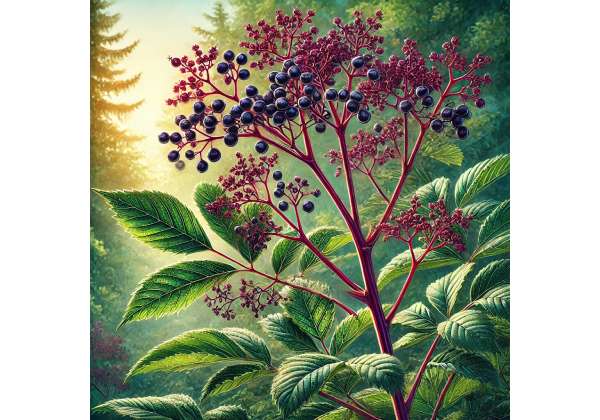
Elderberry (Sambucus nigra) is a dark purple berry that has been used in traditional European herbal medicine for centuries, particularly for immune support and respiratory health. The berries and flowers of the elder plant have long appeared in syrups, teas, and tinctures intended to ease colds, support recovery from seasonal illnesses, and provide antioxidant nourishment. Modern research has focused mainly on the berries, which are rich in anthocyanins, flavonoids, and vitamin-like compounds that contribute to their distinctive color and biological activity.
Today, elderberry supplements are commonly used during cold and flu season, and they are also included in wellness formulas aimed at immune balance and antioxidant protection. While many people recognize elderberry syrup as a home remedy, the herb’s benefits extend beyond traditional use. Its bioactive compounds may support inflammatory balance, help defend against viral stress, and contribute to cardiovascular and metabolic health.
Understanding how elderberry works, how to use it safely, and what research actually shows can help you make informed decisions about whether it fits your personal wellness routine.
Key Insights
- Elderberry is widely used for immune and respiratory support, particularly during seasonal illnesses.
- Active compounds include anthocyanins, flavonoids, and phenolic acids with antioxidant and anti-inflammatory properties.
- Typical supplement doses range from 300–600 mg of standardized extract daily or 5–15 mL of elderberry syrup.
- Raw or unripe elderberries can cause nausea due to natural cyanogenic compounds and should never be eaten uncooked.
- Pregnant individuals, young children, and people with autoimmune disorders should consult a healthcare professional before use.
Table of Contents
- What is elderberry and what is in it
- Elderberry health benefits
- How elderberry is used
- Elderberry dosage and timing
- Possible side effects and risks
- Interactions and who should avoid
- What science says about elderberry
What is elderberry and what is in it
Elderberry refers to the small, deep purple fruits of the elder tree, most commonly the species Sambucus nigra. Native to Europe and parts of western Asia, this shrub produces clusters of dark berries that have been used for centuries in food, herbal remedies, and traditional medicine. The plant also produces delicate white elderflowers, which have their own medicinal and culinary uses.
The berries themselves are the most widely used medicinal component. They are typically processed into syrups, extracts, capsules, or lozenges. In raw form, elderberries contain compounds that can irritate the digestive system, which is why traditional preparations nearly always involve cooking or extraction.
Elderberries are valued because they contain a dense mix of plant compounds that may support immune and metabolic health. The most important bioactive groups include:
- Anthocyanins: These pigments give elderberries their deep purple color and act as potent antioxidants.
- Flavonoids: Compounds such as quercetin and rutin that may support inflammatory balance and vascular health.
- Phenolic acids: Plant molecules that help neutralize oxidative stress.
- Vitamin-like nutrients: Small amounts of vitamin C, potassium, and fiber.
Anthocyanins are particularly notable. These compounds may help reduce oxidative stress by neutralizing free radicals and supporting the body’s natural defense systems. Because immune activity and inflammation are closely linked, this antioxidant capacity may partially explain elderberry’s reputation for seasonal immune support.
Traditional herbal systems in Europe used elderberry preparations to address respiratory discomfort, feverish conditions, and seasonal immune stress. Herbalists also valued elderflowers as a mild diaphoretic herb, meaning they were believed to encourage sweating during feverish illnesses.
Elderberry’s modern popularity comes from a combination of tradition and emerging research. Many commercial formulas now concentrate the berry’s anthocyanin content, creating standardized extracts intended to provide consistent potency.
For readers exploring related immune-supportive botanicals, herbs such as echinacea immune support uses are often studied alongside elderberry because both are commonly used during cold and flu season.
Elderberry health benefits
Elderberry is most widely known for its potential role in immune and respiratory health, but research and traditional use suggest a broader range of benefits. The berries’ rich content of anthocyanins and flavonoids contributes to their antioxidant capacity, which may support several physiological systems.
Below are the most commonly discussed health benefits associated with elderberry.
Immune system support
Elderberry’s reputation largely comes from its traditional use during seasonal illnesses. The berry’s anthocyanins and polyphenols may support immune function by promoting balanced inflammatory responses and helping immune cells respond to viral challenges.
Some studies suggest that elderberry extracts may reduce the duration or severity of cold-like symptoms when taken early in the course of illness.
Respiratory wellness
Elderberry syrups and extracts are often used to soothe symptoms related to upper respiratory discomfort, such as sore throat, congestion, and cough. The berry’s anti-inflammatory and antioxidant compounds may help calm irritated respiratory tissues.
Traditional herbal medicine frequently combines elderberry with herbs like ginger digestive and immune support to support respiratory comfort during seasonal infections.
Antioxidant protection
The anthocyanins in elderberries are among the strongest antioxidant compounds found in commonly consumed fruits. Antioxidants help protect cells from oxidative stress, which contributes to aging, inflammation, and chronic disease risk.
Regular consumption of antioxidant-rich foods may support long-term cardiovascular and metabolic health.
Cardiovascular support
Elderberry compounds may support heart health by helping regulate cholesterol levels and improving vascular function. Anthocyanins have been studied for their potential role in supporting healthy blood pressure and reducing oxidative stress in blood vessels.
Metabolic health
Preliminary research suggests elderberry extracts may influence glucose metabolism and fat oxidation. Although evidence remains limited, some findings indicate that anthocyanins may support healthy metabolic function.
While elderberry is not a replacement for medical treatment, its combination of antioxidant and anti-inflammatory properties makes it a popular addition to wellness routines aimed at immune resilience and overall health.
How elderberry is used
Elderberry appears in many different forms, ranging from traditional herbal preparations to modern dietary supplements. The most appropriate format depends on personal preferences, intended benefits, and ease of use.
The following are the most common ways elderberry is used today.
Elderberry syrup
Syrup is the most familiar preparation. It is made by simmering elderberries in water and combining the extract with sweeteners such as honey. Syrup is often taken during cold and flu season and is popular with children because of its mild flavor.
Typical uses include:
- Daily immune support during winter months
- Short-term use during early cold symptoms
- Adding to herbal teas for respiratory comfort
Capsules and tablets
Capsules contain powdered elderberry extract or standardized anthocyanin-rich extracts. These supplements are convenient for people who prefer precise dosing.
Capsules may be used for:
- Daily immune support
- Antioxidant supplementation
- Travel or seasonal illness prevention
Tinctures
Alcohol-based tinctures provide concentrated elderberry extracts that can be diluted in water or tea. Tinctures are often used by herbal practitioners because they are easy to customize for dosing.
Lozenges and gummies
Elderberry lozenges are designed to support throat comfort and immune function. Gummies have become popular for both adults and children because of their taste and convenience.
Tea and traditional preparations
Although elderberry itself is less commonly used in tea form, it is sometimes combined with other herbs to create immune-supportive blends. These blends may include herbs like lemon balm calming and immune support or peppermint.
When preparing elderberry at home, it is important to remember that raw berries should always be cooked before consumption. Cooking neutralizes naturally occurring compounds that can cause digestive upset.
Elderberry dosage and timing
Elderberry dosage varies depending on the form used, the concentration of the extract, and the purpose of supplementation. Because elderberry products differ widely in potency, following the manufacturer’s directions is generally the safest approach.
The ranges below reflect common amounts used in supplements and traditional preparations.
Typical adult dosage ranges
- Standardized elderberry extract: 300–600 mg per day
- Elderberry syrup: 5–15 mL once or twice daily
- Liquid tincture: 1–3 mL up to three times daily
- Elderberry lozenges or gummies: follow product-specific guidance
For immune support during seasonal illness, some products recommend slightly higher short-term doses for several days.
When to take elderberry
Elderberry supplements can generally be taken with or without food. However, many people prefer taking them with meals to minimize digestive discomfort.
Timing may depend on your goal:
- Daily immune support: once or twice per day
- During cold symptoms: every 3–4 hours depending on product instructions
- Preventive use during travel: begin several days before exposure
Consistency matters more than exact timing. Taking elderberry regularly during periods of immune stress may provide the most noticeable effects.
Duration of use
Short-term use during illness is common. Long-term daily use is generally considered safe for healthy adults when taken within recommended dosage ranges, although periodic breaks may be advisable.
Because elderberry is often used alongside other immune-supportive herbs such as andrographis immune support, many people rotate or combine herbs depending on the season.
As with any supplement, individuals with medical conditions should discuss dosage with a healthcare professional.
Possible side effects and risks
Elderberry is generally well tolerated when properly prepared and consumed within recommended dosage ranges. However, certain safety considerations are important.
The most significant risk comes from consuming raw or improperly prepared elderberries. Uncooked berries, leaves, stems, and bark contain compounds called cyanogenic glycosides. These compounds can release cyanide-like substances during digestion and may cause unpleasant symptoms.
Possible symptoms from raw elderberry ingestion include:
- Nausea
- Vomiting
- Abdominal cramps
- Diarrhea
- Weakness
Cooking or properly extracting the berries removes these compounds, which is why commercially prepared syrups and extracts are considered safe.
Digestive discomfort
Some people experience mild digestive upset when first taking elderberry supplements. This may include bloating or mild nausea, particularly when taken on an empty stomach.
Reducing dosage or taking the supplement with food usually resolves these symptoms.
Allergic reactions
Although rare, allergic reactions are possible with any botanical supplement. Symptoms may include itching, rash, or mild swelling.
Anyone experiencing signs of an allergic reaction should discontinue use immediately and seek medical guidance.
Overconsumption concerns
Very high doses of elderberry products could potentially overstimulate immune responses or cause digestive upset. Staying within typical dosage ranges helps minimize this risk.
As with many herbal remedies, elderberry is safest when used responsibly and sourced from reputable manufacturers that follow quality control practices.
Interactions and who should avoid
Although elderberry is widely considered safe for most healthy adults, certain individuals should exercise caution or avoid it altogether.
Autoimmune conditions
Elderberry may stimulate immune activity, which could potentially worsen symptoms of autoimmune disorders. People with conditions such as lupus, rheumatoid arthritis, or multiple sclerosis should consult a healthcare professional before using elderberry regularly.
Pregnancy and breastfeeding
Research on elderberry use during pregnancy or breastfeeding remains limited. Because of this lack of data, many healthcare providers recommend avoiding elderberry supplements during these periods unless specifically advised otherwise.
Medications that affect the immune system
People taking immunosuppressive medications—such as those used after organ transplants—should avoid immune-stimulating herbs unless approved by their physician.
Children
Elderberry syrups are often marketed for children, but dosage should always follow age-appropriate recommendations. Very young children should only use elderberry products under professional guidance.
Possible herb interactions
Elderberry may be combined with many other herbs, but interactions are possible when multiple immune-active botanicals are used together. For example, combining elderberry with herbs like astragalus immune support may amplify immune stimulation.
For most people, occasional elderberry use during seasonal illness is safe, but individuals with chronic health conditions should seek personalized medical advice before adding herbal supplements to their routine.
What science says about elderberry
Scientific interest in elderberry has increased over the past two decades, particularly regarding its effects on immune health and viral infections. Researchers have focused primarily on standardized extracts of Sambucus nigra berries.
Several clinical studies have examined elderberry’s potential to support recovery from influenza and cold-like illnesses. Some findings suggest that elderberry extract may reduce symptom duration by several days when taken at the onset of illness. These benefits are thought to arise from a combination of antiviral activity and immune system modulation.
Laboratory research also indicates that elderberry compounds may interfere with viral attachment and replication processes. Anthocyanins and flavonoids appear to play a role in these effects.
Beyond respiratory health, elderberry’s polyphenols are being studied for potential benefits related to:
- Cardiovascular health
- Metabolic regulation
- Anti-inflammatory activity
- Antioxidant protection
Despite promising findings, research remains relatively limited. Many studies involve small sample sizes or short durations, which makes it difficult to draw firm conclusions about long-term effects.
Scientists generally agree on several points:
- Elderberry shows measurable antioxidant activity.
- Standardized extracts may help reduce cold or flu symptom duration.
- More large-scale clinical trials are needed.
For readers interested in similar antioxidant-rich berries, fruits such as bilberry antioxidant eye and vascular benefits share a similar anthocyanin profile and are also studied for cardiovascular and metabolic health.
Overall, elderberry remains one of the more promising traditional immune-support herbs, but it should be viewed as a supportive wellness tool rather than a replacement for medical treatment.
References
- Elderberry for prevention and treatment of viral respiratory illnesses: a systematic review 2022 (Systematic Review)
- Elderberry supplementation reduces cold duration and symptoms in air travellers: A randomized, double-blind placebo-controlled clinical trial 2021 (RCT)
- Polyphenols and anthocyanins in Sambucus nigra and their biological activities 2021 (Review)
- Health benefits and phytochemical composition of Sambucus nigra L. berries 2020 (Review)
Disclaimer
This article is for informational and educational purposes only and does not constitute medical advice. Herbal supplements, including elderberry, may interact with medications or medical conditions. Always consult a qualified healthcare professional before starting any new supplement, particularly if you are pregnant, breastfeeding, taking medication, or managing a chronic health condition.
If you found this article helpful, consider sharing it on Facebook, X (formerly Twitter), or your preferred platform to help others learn about elderberry and its potential health benefits.