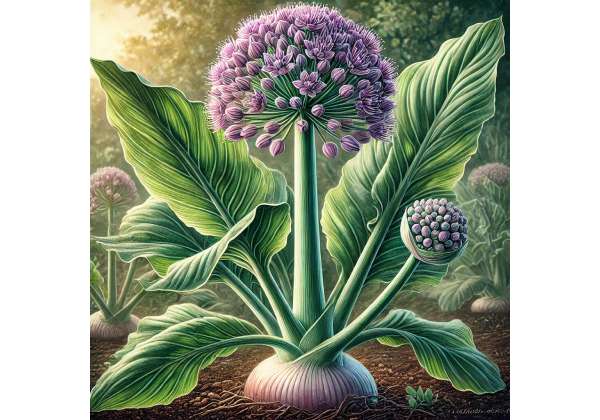
Elephant garlic (Allium ampeloprasum) is a unique member of the onion and leek family that looks like oversized garlic but tastes milder and sweeter. Its massive bulbs and gentle flavor make it popular in cooking, yet it also has growing interest for its potential health benefits. Although technically closer to leeks than true garlic, elephant garlic shares several sulfur-containing compounds that contribute to its aroma, flavor, and possible medicinal properties.
Traditional food cultures value elephant garlic not only as a culinary ingredient but also as a supportive food for cardiovascular health, digestion, and general wellness. Like other Allium plants, it contains antioxidants, organosulfur compounds, vitamins, and trace minerals that may help support immune function and reduce inflammation. However, its bioactive profile is milder than common garlic, meaning its effects are usually subtler.
Understanding elephant garlic’s nutritional value, practical uses, dosage considerations, and safety profile can help readers decide whether to incorporate it into their diet or herbal routines. While it is widely considered safe as a food, responsible use and realistic expectations remain important when considering any plant for health purposes.
Quick Overview
- Elephant garlic provides antioxidants and sulfur compounds that may support heart health and immune function.
- Its mild flavor makes it easier to consume regularly compared with stronger garlic varieties.
- Typical culinary intake ranges from 1–3 cloves per day, depending on preparation and tolerance.
- Large amounts may cause digestive irritation or interact with blood-thinning medications.
- Individuals preparing for surgery or taking anticoagulants should avoid excessive intake.
Table of Contents
- What is elephant garlic and key compounds
- Health benefits and possible effects
- How elephant garlic is used
- Recommended dosage and timing
- Nutrition and active constituents
- Side effects interactions and warnings
- What science says about elephant garlic
What is elephant garlic and key compounds
Elephant garlic is a bulbous plant belonging to the Allium genus, the same group that includes garlic, onions, chives, and leeks. Despite its name and garlic-like appearance, it is botanically closer to the leek species (Allium ampeloprasum). The plant produces extremely large cloves, often several times the size of standard garlic cloves, which explains its common name.
The flavor of elephant garlic is noticeably milder and sweeter than typical garlic. When raw, it offers a gentle pungency without the intense sharpness many people associate with garlic. When roasted or cooked, the flavor becomes creamy and slightly nutty, making it popular in gourmet cooking and home kitchens alike.
Like other Allium plants, elephant garlic contains sulfur compounds that contribute to its aroma and potential health effects. These compounds are produced when the plant tissue is crushed or chopped, triggering enzyme reactions that transform inactive molecules into active forms.
Important phytochemicals found in elephant garlic include:
- Organosulfur compounds: These include compounds related to allicin, which are responsible for many of the biological properties associated with garlic-like plants.
- Flavonoids: Plant antioxidants that help neutralize free radicals.
- Saponins: Natural compounds that may influence cholesterol metabolism and immune responses.
- Phenolic compounds: Contribute antioxidant and anti-inflammatory properties.
Compared with common garlic, elephant garlic generally contains lower concentrations of these compounds. However, its larger clove size means that a single serving can still provide a meaningful amount of beneficial phytochemicals.
Elephant garlic also shares several nutritional characteristics with other members of the Allium family. It provides small amounts of vitamin C, potassium, and trace minerals that support metabolic processes.
The broader Allium family has long been associated with dietary health benefits. For example, plants such as onion nutritional and cardiovascular benefits are well known for their antioxidant compounds and their potential to support circulatory health. Elephant garlic fits within this same nutritional tradition.
Because it is commonly consumed as food rather than as a concentrated supplement, elephant garlic is best understood as a functional food. Its health value likely comes from regular dietary use combined with a balanced diet rather than from occasional high doses.
Health benefits and possible effects
Although elephant garlic is less potent than standard garlic in terms of active compounds, it still offers several potential health-supportive properties. Many of these benefits are inferred from the broader Allium family, which has been widely studied for cardiovascular, immune, and metabolic effects.
One of the most frequently discussed benefits is cardiovascular support. Organosulfur compounds found in garlic-like plants may help maintain healthy cholesterol levels and support normal blood pressure. While elephant garlic likely produces milder effects than traditional garlic, regular consumption as part of a heart-friendly diet may still contribute to cardiovascular wellness.
Potential heart-related benefits may include:
- Supporting healthy cholesterol balance
- Promoting normal blood vessel function
- Helping maintain healthy blood pressure levels
- Providing antioxidant protection for vascular tissues
Another area of interest is immune system support. Sulfur compounds and antioxidants may help the body respond to oxidative stress and microbial challenges. These compounds can influence inflammatory pathways and may support immune responses during seasonal illnesses.
Elephant garlic may also provide digestive benefits. Many Allium vegetables stimulate digestive enzyme production and support gut microbial balance. Their mild antimicrobial properties may help regulate certain microbes in the digestive tract.
Possible digestive advantages include:
- Supporting healthy gut bacteria balance
- Stimulating digestive enzymes
- Promoting bile flow and fat digestion
The plant may also contribute to antioxidant defense. Phenolic compounds and flavonoids found in elephant garlic can help neutralize free radicals, which are unstable molecules that can damage cells over time.
These antioxidant properties are shared with other well-known herbs such as ginger and its anti-inflammatory compounds, which also support metabolic and immune health.
Another emerging area of interest is metabolic health. Some Allium compounds appear to influence glucose metabolism and insulin sensitivity. While evidence specific to elephant garlic is limited, its phytochemical profile suggests possible supportive effects when included in a balanced diet.
Overall, the health benefits of elephant garlic should be viewed in a nutritional context. It is best understood as a supportive food ingredient rather than a therapeutic herb. Consuming it regularly alongside other nutrient-rich foods may provide subtle but meaningful contributions to overall health.
How elephant garlic is used
Elephant garlic is primarily used as a culinary ingredient, but its mild flavor and large cloves allow it to serve both gastronomic and wellness roles. Because it lacks the strong pungency of regular garlic, many people find it easier to incorporate into everyday meals.
In cooking, elephant garlic can be used in nearly every way that traditional garlic is used. Its larger cloves make preparation simple, and the mellow flavor allows chefs to use larger quantities without overwhelming a dish.
Common culinary uses include:
- Roasting whole bulbs: Roasted elephant garlic becomes soft and sweet, often spread on bread or mixed into sauces.
- Sautéing or stir-frying: Chopped cloves can be added to vegetables, meats, or grains.
- Soups and stews: The mild flavor blends well with broth-based dishes.
- Garlic butter and spreads: Elephant garlic adds subtle flavor without excessive sharpness.
Another popular preparation method is roasting whole bulbs wrapped in foil with olive oil. This cooking process softens the cloves and produces a creamy texture that can be spread like a paste.
Some people also use elephant garlic in raw preparations, although its mild flavor makes it less pungent than regular garlic. Finely chopped raw cloves can be added to salads, salsas, and dressings.
In addition to culinary uses, elephant garlic may appear in herbal preparations or home remedies inspired by traditional garlic practices. These might include:
- Infused oils for cooking or topical use
- Homemade herbal tonics
- Fermented garlic preparations
However, elephant garlic is rarely sold as a standardized supplement. Most health benefits are obtained through regular dietary intake rather than concentrated extracts.
The broader Allium family includes many edible plants used similarly in cooking. For example, chives and their digestive benefits demonstrate how mild Allium herbs can support both flavor and nutrition in everyday meals.
In many cuisines, elephant garlic serves as a bridge between garlic and onions, offering a gentle flavor that enhances dishes without dominating them. This versatility makes it an excellent ingredient for individuals who enjoy garlic’s aroma but prefer a milder taste.
Recommended dosage and timing
Because elephant garlic is primarily a food rather than a medicinal supplement, dosage recommendations are usually expressed in culinary amounts rather than precise therapeutic doses. Nevertheless, understanding reasonable intake ranges can help individuals incorporate it into their diet safely.
A typical serving size is one large clove, which may equal several cloves of regular garlic in size but generally contains milder concentrations of active compounds. For most people, consuming 1 to 3 cloves per day within meals is considered safe and practical.
When used as part of regular cooking, elephant garlic intake often depends on the recipe. Many roasted garlic dishes may include one or two cloves per serving, while sauces and soups may distribute a bulb across multiple portions.
Suggested intake patterns include:
- Daily dietary use: 1 to 3 cloves with meals
- Occasional culinary use: Half to one bulb in a shared dish
- Raw consumption: Start with small amounts due to digestive sensitivity
Timing may influence tolerability. Consuming garlic-containing foods with meals generally reduces the likelihood of stomach discomfort. Eating large amounts on an empty stomach may increase digestive irritation for some individuals.
Individuals interested in maximizing potential health benefits may prefer gentle cooking methods. Light sautéing or roasting preserves many flavor compounds while improving digestibility.
Another practical approach is incorporating elephant garlic into nutrient-dense meals. Pairing it with vegetables, whole grains, and healthy fats can help support overall dietary balance.
Garlic-family foods are sometimes discussed in the context of broader cardiovascular-supportive diets. For instance, traditional garlic cardiovascular support has been widely explored for its potential influence on cholesterol and circulation. Elephant garlic offers a milder alternative that may still provide some related benefits through regular consumption.
Although elephant garlic is relatively safe, moderation remains important. Extremely high intake—especially raw—may lead to gastrointestinal discomfort or unpleasant breath and body odor.
For individuals considering therapeutic levels similar to garlic supplements, professional guidance may be helpful. A healthcare provider or nutrition professional can offer advice tailored to individual health conditions and medications.
Nutrition and active constituents
Elephant garlic offers a modest but valuable nutritional profile. Like many vegetables in the Allium family, it contains essential micronutrients, antioxidants, and plant compounds that contribute to its potential health benefits.
Although it is typically consumed in small amounts, elephant garlic provides several nutrients that support overall metabolic health.
Key nutrients include:
- Vitamin C: Supports immune function and collagen synthesis
- Vitamin B6: Important for metabolism and neurotransmitter production
- Potassium: Helps maintain fluid balance and cardiovascular function
- Manganese: Plays a role in antioxidant enzyme activity
The plant’s medicinal reputation largely comes from its organosulfur compounds, which form when the cloves are cut or crushed. These compounds are chemically related to allicin, the active component responsible for many of garlic’s well-known properties.
Important bioactive constituents include:
- Allyl sulfides: Associated with antioxidant and cardiovascular support
- Thiosulfinates: Compounds formed during tissue disruption that contribute antimicrobial activity
- Saponins: Plant compounds that may support cholesterol metabolism
- Phenolic acids: Antioxidant molecules that protect cells from oxidative stress
Compared with regular garlic, elephant garlic tends to contain lower levels of these compounds. However, its larger clove size partially compensates for this difference, allowing consumers to obtain meaningful amounts through normal culinary use.
The plant also contains dietary fiber and small amounts of natural sugars that contribute to its mild flavor. During roasting, these sugars caramelize and create the characteristic sweet taste that distinguishes elephant garlic from sharper garlic varieties.
Allium plants have long been valued for their nutritional and medicinal properties. Other vegetables in the same family, such as leek nutritional and digestive benefits, share similar compounds and health-supportive properties.
Overall, elephant garlic can be viewed as a functional vegetable—one that contributes both flavor and nutritional value to the diet. When combined with other nutrient-dense foods, it may play a supportive role in maintaining long-term health.
Side effects interactions and warnings
Elephant garlic is generally considered safe when consumed as a food. Most people tolerate it well, particularly when it is cooked and eaten in moderate amounts. However, like other garlic-family plants, it may produce side effects in some individuals, especially when consumed in large quantities.
The most common side effects are related to digestion. Garlic-like plants stimulate digestive activity and contain sulfur compounds that may irritate sensitive stomachs.
Possible side effects include:
- Stomach discomfort or heartburn
- Gas or bloating
- Nausea when consumed in large raw amounts
- Garlic-like body odor or breath
Cooking often reduces these effects because heat breaks down some of the more pungent sulfur compounds.
Another important consideration involves blood clotting. Garlic-family plants can have mild antiplatelet properties, meaning they may slightly reduce the tendency of blood to clot. While this effect is generally mild with elephant garlic, individuals taking blood-thinning medications should be cautious about consuming very large quantities.
People who should use caution include:
- Individuals taking anticoagulant medications
- Those preparing for surgery within two weeks
- People with bleeding disorders
- Individuals with severe digestive sensitivity
Allergic reactions to garlic-family plants are uncommon but possible. Symptoms may include itching, rash, or digestive distress. Anyone experiencing these symptoms should discontinue use and seek medical advice.
Elephant garlic may also interact with certain medications, particularly those affecting blood pressure or blood clotting. Although the risk is lower than with concentrated garlic supplements, it is still worth considering for individuals on multiple medications.
Herbal foods with antimicrobial properties can sometimes overlap with other medicinal plants. For example, oregano antimicrobial herbal properties also contain compounds that may influence microbial balance and inflammation.
Pregnant and breastfeeding individuals can usually consume elephant garlic in typical food amounts. However, medicinal or excessive consumption should be discussed with a healthcare professional.
Overall, elephant garlic has an excellent safety profile as a culinary ingredient. Responsible consumption and awareness of potential interactions help ensure that it remains a safe and beneficial part of the diet.
What science says about elephant garlic
Scientific research on elephant garlic specifically is relatively limited compared with studies on traditional garlic. However, scientists have investigated many compounds found within the Allium genus, providing insight into how elephant garlic may influence health.
Much of the current understanding comes from studies examining garlic, onions, and related species. These plants share similar sulfur compounds and antioxidant molecules, suggesting that they may produce comparable biological effects.
Research on Allium plants has explored several areas of health:
- Cardiovascular health: Studies suggest that garlic-family compounds may help support healthy cholesterol levels and blood pressure.
- Antioxidant activity: Many Allium vegetables contain phenolic compounds that protect cells from oxidative stress.
- Antimicrobial effects: Sulfur compounds may inhibit certain bacteria and fungi.
- Anti-inflammatory properties: Some compounds influence pathways involved in inflammation.
Although elephant garlic contains lower concentrations of some compounds, its nutritional profile still suggests potential health-supportive properties.
Another important area of study involves dietary patterns. Many traditional diets associated with longevity include regular consumption of Allium vegetables. These foods may contribute to overall health through cumulative dietary effects rather than isolated medicinal actions.
Researchers also continue to investigate the metabolism of sulfur compounds in Allium plants. When cloves are crushed, enzymes convert precursor molecules into bioactive compounds. Cooking methods, storage conditions, and preparation techniques can influence these chemical reactions.
The scientific consensus generally views Allium vegetables as beneficial components of a healthy diet. Their effects appear most meaningful when they are consumed regularly alongside fruits, vegetables, whole grains, and healthy fats.
Future research may examine elephant garlic more directly, especially as interest grows in functional foods and plant-based nutrition. For now, the available evidence supports its role as a nutritious vegetable with mild but potentially valuable health properties.
In summary, elephant garlic represents a culinary plant with promising nutritional characteristics. While it may not match the potency of traditional garlic in medicinal contexts, its flavor, safety profile, and nutrient content make it a valuable addition to a balanced diet.
References
- Garlic and Its Bioactive Compounds: Implications for Cardiovascular Health 2020 (Review)
- Health Benefits of Garlic and Its Bioactive Compounds 2019 (Review)
- Garlic in Health and Disease 2021 (Review)
- Bioactive Compounds in Allium Vegetables and Their Health Effects 2020 (Review)
Disclaimer
This article is for educational purposes only and should not be considered medical advice. Elephant garlic is generally safe as a food, but its health effects may vary depending on individual health conditions, medications, and overall diet. People with bleeding disorders, those taking anticoagulant medications, or individuals preparing for surgery should consult a qualified healthcare professional before significantly increasing garlic-family intake. Always seek personalized medical guidance for health concerns or before using foods or herbs for therapeutic purposes.
If you found this article helpful, consider sharing it on Facebook, X (formerly Twitter), or your preferred social platform to help others discover reliable information about herbs and nutrition.