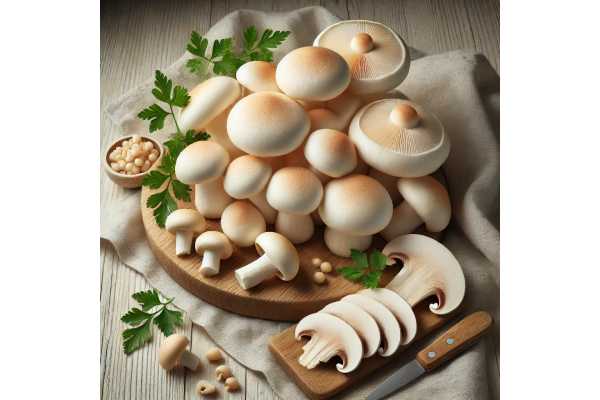
Elm oyster mushrooms (Hypsizygus ulmarius) look like delicate fans, but they deliver firm texture, clean savor, and surprising nutrition. Cooks prize them for their meaty bite and mild, nutty aroma that takes well to sautéing, roasting, and stir-frying. Like other oyster-type mushrooms, they’re naturally low in calories, provide fiber and B-vitamins, and feature compounds such as β-glucans and ergothioneine that researchers are actively studying for immune and metabolic support. Because elm oysters grow readily on straw and other agricultural by-products, they’re also a sustainable choice with a light footprint. If you’ve seen “oyster” mushrooms at the market, elm oysters often sit right beside them: similar in taste, a little thicker in cap, with cream to pale-beige color and a short off-center stem. This guide brings together practical selection and cooking tips with a careful look at nutrition, benefits, and safety—so you can use elm oyster mushrooms with confidence in everyday meals.
Top Highlights
- Typical portion: 100 g raw (about 1 heaping cup sliced) eaten 2–3 times per week fits most balanced diets.
- Key advantage: low-calorie source of fiber, B-vitamins, potassium, and ergothioneine; cooks up meaty with umami.
- Potential benefit: β-glucans from oyster-type mushrooms are being studied for cholesterol and glucose support.
- Safety note: rare food allergy and potential heavy-metal uptake from polluted substrates; buy from trusted growers.
- Who should limit: people with known mushroom allergy, and those on certain glucose- or lipid-lowering drugs should monitor response.
Table of Contents
- Detailed Overview
- Nutrition Profile
- Evidence-Based Health Benefits
- Risks, Allergies and Interactions
- Selecting, Quality, Sustainability and Storage
- Preparation, Cooking and Nutrient Retention
- Portions, Comparisons and FAQs
Elm oyster mushrooms at a glance
Elm oyster (Hypsizygus ulmarius) is a cool-weather gourmet mushroom cultivated worldwide on pasteurized straw, hardwood sawdust, or blended agricultural by-products. Though the common name includes “oyster,” elm oysters aren’t the same species as the familiar Pleurotus ostreatus sold as “oyster mushrooms.” In the kitchen, however, they behave like cousins: they pull into broad petals, cook quickly, brown beautifully, and absorb aromatics without turning watery when handled right. Caps are typically 5–15 cm wide with a pale ivory to tan hue, firm gills, and a short lateral stem. The flesh is denser than many oysters—one reason chefs slice them thicker for sautés and skewers.
Flavor and texture: raw caps are crisp and faintly nutty; once seared, they become savory, with gentle umami and a delicate chew reminiscent of young artichoke hearts. Their mildness makes them a versatile protein-adjacent element that pairs well with garlic, shallots, soy sauce or tamari, white wine, lemon, thyme, rosemary, and toasted grains. They’re excellent in risotto, miso soup, tacos, grain bowls, and noodle stir-fries; their petal-like caps roast into frilly edges that add texture to salads and flatbreads.
From a nutrition perspective, elm oysters are a low-energy, high-moisture food (around 90+% water), with modest protein, very little fat, and useful amounts of fiber, potassium, phosphorus, and several B-vitamins. Like other cultivated mushrooms, they contain ergothioneine, a unique amino-acid-derived antioxidant found in high levels in fungi. Depending on post-harvest handling, exposure to ultraviolet light can increase vitamin D2—useful in regions with low winter sun.
Sustainability is another advantage. Commercial growers often convert agricultural residues into food by cultivating elm oysters on straw or sawdust blocks; after harvest, the spent substrate is compostable. Compared with animal protein, the greenhouse-gas footprint per edible kilogram is low, and water needs are modest. For shoppers, freshness is straightforward: look for tight gills, unblemished caps, and a dry—not slimy—surface. If you’re new to the variety, cook them simply in olive oil with salt, then add acid (lemon or vinegar) at the end to brighten.
Nutrition Profile
How to read this section. Specific, peer-reviewed composition tables for Hypsizygus ulmarius are limited. The most practical proxy for home cooks is “oyster mushrooms, raw” data from national food composition tables. Values below reflect typical oyster-type mushrooms per 100 g raw; elm oysters are similar in moisture, macronutrients, minerals, and B-vitamins. Percent Daily Values (%DV) use adult DVs (U.S.) and are rounded sensibly.
Macros and electrolytes (per 100 g)
| Nutrient | Amount | %DV |
|---|---|---|
| Energy | 27–33 kcal | — |
| Water | ~90–93 g | — |
| Protein | 2.0–3.3 g | — |
| Total fat | 0.4 g | 1% |
| Carbohydrate | 2.6–6.1 g | 2% |
| Dietary fiber | ~2.0 g | 7% |
| Total sugars | ~2.6 g | — |
| Sodium | ~18 mg | 1% |
| Potassium | ~298 mg | 6% |
Key vitamins (per 100 g)
| Vitamin | Amount | %DV |
|---|---|---|
| Thiamin (Vitamin B1) | 0.07 mg | 6% |
| Riboflavin (Vitamin B2) | 0.20 mg | 15% |
| Niacin (Vitamin B3) | 5.2 mg | 33% |
| Vitamin B6 (Pyridoxine) | 0.11 mg | 6% |
| Folate (Vitamin B9) | 51 µg | 13% |
| Vitamin C | 2 mg | 2% |
| Vitamin D2* | 0 µg (not UV-treated) | 0% |
*Vitamin D2 rises markedly (often to several µg per 100 g) when mushrooms are exposed to UV light after harvest.
Minerals and trace elements (per 100 g)
| Mineral | Amount | %DV |
|---|---|---|
| Phosphorus | 110 mg | 9% |
| Magnesium | 16 mg | 4% |
| Calcium | 0 mg | 0% |
| Iron | 0.4 mg | 2% |
| Zinc | 0.7 mg | 6% |
| Copper | 0.24 mg | 27% |
| Selenium | 1 µg | 2% |
Fats and fatty acids (per 100 g)
| Lipid | Amount | Notes |
|---|---|---|
| Total fat | 0.4 g | very low |
| Saturated fat | 0.1 g | — |
| Monounsaturated fat | ~0 g | — |
| Polyunsaturated fat | 0.1 g | linoleic acid predominant |
| Cholesterol | 0 mg | plant-free food |
Bioactives and functional compounds (qualitative)
- β-glucans (1,3/1,6-glucans): fungal fibers under study for cholesterol- and glucose-modulating effects.
- Ergothioneine: a unique antioxidant amino-acid derivative concentrated in mushrooms.
- Phenolics and terpenoids: small amounts vary by substrate and strain.
- Lovastatin-like compounds: naturally occurring monacolins have been detected in some oyster-type mushrooms at low levels.
Allergens and intolerance markers (qualitative)
- Contains fungal proteins capable of triggering IgE-mediated allergy in rare individuals.
- Sugar alcohols (e.g., mannitol), present in many mushrooms, can cause bloating in sensitive people.
Glycemic and acid–base metrics
- Glycemic impact: very low, due to low digestible carbohydrate and fiber.
- Acid–base: mushrooms are overall neutral to slightly alkaline-forming in mixed diets.
Notes on variability
- Growing substrate, maturity, and UV exposure can shift vitamin D2 and phenolics.
- Cooking method affects water loss and thus nutrient density per 100 g cooked.
Evidence-Based Health Benefits
Metabolic support from β-glucans and fiber. Oyster-type mushrooms provide a matrix of soluble and insoluble fibers, including β-glucans. Early clinical trials and systematic reviews suggest that adding oyster mushrooms to ordinary diets can modestly improve total and LDL cholesterol and may help with fasting or post-meal glucose in some groups. While effect sizes vary and studies are often small or heterogeneous, the direction of change tends to be favorable when mushrooms partially replace refined carbohydrates or higher-saturated-fat foods. For a practical approach, think “swap and add”: replace some meat or refined grains with a generous portion of sautéed elm oysters in tacos, stir-fries, or pasta.
Antioxidant potential via ergothioneine. Ergothioneine (often abbreviated EGT) is unusually concentrated in mushrooms and is transported in the human body by a dedicated carrier (OCTN1). Researchers are investigating EGT’s roles in redox balance, inflammation, and cellular resilience. Higher dietary intake of EGT-rich foods has been associated in observational work with better markers of healthy aging, and mechanistic studies show antioxidant and cytoprotective activity. Cooking does not eliminate EGT; sautéing or roasting still delivers meaningful amounts.
Micronutrient density for everyday health. Per 100 g, oyster-type mushrooms contribute about one-third of the daily niacin goal and notable riboflavin and folate—nutrients that support energy metabolism and red-blood-cell formation. Copper is a standout mineral, with roughly one-quarter of the daily value per 100 g; phosphorus and potassium add further value for nerve, muscle, and bone function. Because elm oysters are low in calories, they fit well into weight-conscious meal patterns without sacrificing satisfaction: their chewy texture and umami support fullness when combined with legumes, eggs, or modest portions of meat or tofu.
Vitamin D2 with smart handling. When mushrooms are exposed to ultraviolet light after harvest (even sunlight on the counter), ergosterol converts to vitamin D2. Eating UV-exposed mushrooms can contribute several micrograms of vitamin D per serving—helpful in winter or for those with low sun exposure. Many commercial growers now use UV processing; home cooks can also place sliced mushrooms gill-side-up in midday sun for 30–60 minutes before cooking to boost D2.
Cardiometabolic “replacement effect.” A practical benefit is what you do not eat when mushrooms take center stage. Replacing 150–200 g of high-fat meat with a heaping cup of browned elm oysters in a dish can trim saturated fat while keeping savory depth. Over time, small substitutions like this can support healthier lipid profiles and calorie balance.
Digestive wellness and culinary versatility. The combination of fiber and water aids regularity, while the neutral flavor makes elm oysters an easy vehicle for vegetables and whole grains. Their fast cooking time (often 5–8 minutes to brown) encourages home cooking, a behavior linked to better diet quality.
How much is “enough”? For general wellness, including elm oysters (or other mushrooms) 2–3 times per week in 100–150 g portions is a realistic target. Those exploring lipid or glucose benefits often use higher intakes in research (e.g., dried powders), but such protocols should be guided by a clinician, especially if you take glucose- or lipid-lowering medications.
Risks, Allergies and Interactions
Allergy and intolerance. Although uncommon, oyster-type mushrooms can cause allergic reactions. Symptoms range from oral itching and hives to wheeze or, very rarely, anaphylaxis. People sensitized to mushrooms through occupational exposure (e.g., growers, chefs) may be at higher risk. If you’ve reacted to oyster mushrooms before, avoid elm oysters and seek evaluation. As with any new food, start with a small portion and monitor for symptoms such as flushing, itching, tight throat, chest symptoms, or gastrointestinal upset.
Respiratory exposure. Airborne spores and mushroom dust can trigger rhinitis or asthma in sensitive individuals, particularly in enclosed growing or processing spaces. Home cooks are unlikely to encounter problematic spore loads, but those with occupational exposure should use ventilation and protective masks as needed.
Heavy metals and contaminants. Mushrooms can bioaccumulate elements like cadmium, lead, mercury, and arsenic if grown on contaminated substrates or collected from polluted areas. This is a greater concern for wild foraged specimens near traffic, industrial sites, or waste areas. To minimize risk, source elm oysters from reputable farms that use clean, food-grade substrates. Commercially cultivated mushrooms undergo routine food-safety checks; rinsing and trimming substrate residues before cooking is a sensible extra step.
Drug and condition considerations.
- Glucose-lowering medications: Because oyster-type mushrooms may modestly reduce fasting or post-meal glucose in some people, monitor levels if you use insulin or sulfonylureas and discuss adjustments with your clinician.
- Lipid-lowering therapy: Naturally occurring lovastatin-like compounds in oyster mushrooms are present in low amounts. While ordinary culinary use is unlikely to cause interactions, combining high-dose mushroom supplements with statins could theoretically increase side effects; avoid concentrated extracts unless supervised.
- Purines and gout: Mushrooms contain moderate purines compared with meat or certain fish. Most people with gout can include modest portions; individualized guidance from a clinician or dietitian is best during flare-prone periods.
- Digestive sensitivity: Sugar alcohols and fermentable fibers can cause bloating in some individuals with irritable bowel patterns. Introduce gradually and consider smaller portions if you notice symptoms.
Storage safety. Keep fresh elm oysters refrigerated. Do not store them sealed in airtight plastic when wet; trapped moisture encourages spoilage. Discard if slimy, sour-smelling, or showing darkened, mushy gills.
Bottom line: For most people, culinary amounts of elm oyster mushrooms are safe. Prioritize trusted suppliers, practice good refrigeration, and consider personal sensitivities and medications.
Selecting, Quality, Sustainability and Storage
How to choose. Look for:
- Caps that are firm, thick, and evenly colored ivory to pale beige.
- Gills that are tight and creamy, not brown or waterlogged.
- Stems that are short and solid; avoid spongy or hollow stems.
- Surface that is dry to the touch; avoid sliminess or dark bruises.
If buying prepacked clusters, check the underside for moisture accumulation. A little substrate on the stem base is fine; trim it at home. Frozen or dried elm oysters are excellent pantry options for soups and risottos; check ingredient lists for added salts or oils.
Sustainability pointers. Elm oysters thrive on pasteurized straw, sawdust, and grain hulls, turning low-value agricultural by-products into food. Spent substrate is compostable, and indoor cultivation allows year-round production with efficient use of space and water. When choosing between plastic-clamshell and paper bags, select packaging you can recycle locally. If you shop at farmers’ markets, ask growers about their substrate, energy use (e.g., heat recovery, LED lighting), and water recycling practices.
Storage and handling.
- Refrigeration: 1–5 °C in the crisper for 3–5 days. Store in a paper bag or a breathable container lined with a dry towel.
- Cleaning: Brush off visible debris. If needed, give a quick rinse just before cooking and pat dry thoroughly; avoid soaking.
- Batch prep: Trim and tear caps into petals, then store, covered, for up to 48 hours for quick weeknight use.
- Freezing: Briefly sauté in a little oil to drive off moisture, cool, then freeze flat; keeps 2–3 months.
- Drying: Slice 5–7 mm and dry at 50–60 °C until brittle; store airtight away from light. Rehydrate in warm water or stock 20–30 minutes.
Quality cues as they age. Fresh elm oysters smell clean and faintly nutty. Over time they may become tacky, develop fishy or sour notes, and show dark watery spots near the gills—signs to compost rather than cook. If you must hold them an extra day, spread the mushrooms on a rack in the fridge to increase airflow and swap out any damp paper lining.
Buying tips. Choose tight clusters with minimal bruising. If you need slices for a recipe, select larger caps; if you plan to roast into “chips,” slightly thinner caps produce frillier, crisper edges. For budget-friendly shopping, grab “chef’s mix” punnets that often include elm oysters—small cosmetic blemishes are harmless once browned.
Preparation, Cooking and Nutrient Retention
Quick cleaning and cutting. Trim substrate from the stem base. Separate caps into petals by hand or slice lengthwise through the gills for uniform pieces. Keep pieces similar in size for even browning.
Maximizing flavor.
- Dry the surface. Damp mushrooms steam; dry ones brown. Pat thoroughly.
- Use high heat, enough oil, and space. Cast-iron or stainless pans excel. Do not crowd the pan; work in batches.
- Season in stages. Salt some at the start to draw surface moisture; finish with a pinch to brighten.
- Add acid and aromatics late. A squeeze of lemon or splash of sherry vinegar lifts umami; add garlic or herbs in the last minute to prevent scorching.
Core techniques (with time guides):
- Hard sear: 5–7 minutes total over medium-high heat until caramelized, finishing with butter, garlic, and herbs.
- Sheet-pan roast: Toss with oil and salt; roast at 220 °C for 15–20 minutes, flipping once, until edges frill and brown.
- Stir-fry: High heat, 4–6 minutes, add sauces in the last minute.
- Braise: Simmer in stock, white wine, or miso broth 10–15 minutes for silky textures.
- Skewers: Thread thick slices, brush with oil and tamari, grill 2–3 minutes per side for char and chew.
Retention of key nutrients.
- Water-soluble vitamins (B-complex, vitamin C) can leach into cooking liquid. To keep them, use minimal water (roast, sauté, stir-fry), or consume the broth in soups and braises.
- Minerals are heat-stable; concentration often increases as water cooks off.
- Ergothioneine is relatively heat-stable, and sautéing or roasting retains meaningful amounts.
- Vitamin D2 forms with UV exposure; if you sun-expose mushrooms before cooking, D2 will survive typical kitchen heat better than vitamin C.
- β-glucans are part of the cell wall and persist through cooking, contributing to texture and viscosity in soups.
Pairing for balance. Elm oysters pair beautifully with:
- Proteins: eggs, tofu, lentils, chicken, seafood.
- Grains: farro, barley, brown rice, soba.
- Vegetables: leeks, spinach, asparagus, broccoli rabe.
- Flavor bases: olive oil or ghee; garlic, shallot; thyme, rosemary; soy sauce or tamari; miso; white wine; lemon.
Two example applications.
- Weeknight brown-butter mushrooms: Hard-sear in olive oil, finish with a teaspoon of butter, crushed garlic, and lemon zest; toss with farro and arugula.
- Umami sheet-pan mix: Roast elm oysters with wedges of cabbage and red onion; drizzle with miso-tahini dressing.
Food-safety checkpoints. Cook to a hot, steaming center to reduce microbial risk; refrigerate leftovers within 2 hours in shallow containers; reheat to piping hot before eating.
Portions, Comparisons and FAQs
Recommended portion and frequency. A practical serving is 100 g raw (about a heaping cup sliced), cooked as part of a mixed meal. Enjoy 2–3 times per week for culinary and nutritional variety. Athletes and higher-energy eaters may double this within balanced meals.
How do elm oysters compare with common oyster mushrooms? Nutritionally and culinarily, they’re near-peers: low in calories, modest in protein, very low in fat, and good for B-vitamins like niacin. Elm oysters are often a bit thicker and chewier, which helps them hold shape in sautés and on skewers.
Are they a good meat substitute? They don’t match meat’s protein per gram, but they deliver satisfying chew and umami. For a meat-like experience, combine browned elm oysters with beans or tofu; season assertively and add a splash of acid at the end.
Can I get vitamin D from elm oysters? Only if they’ve been exposed to UV light (commercially or at home). If a package says “high in vitamin D,” it’s been UV-treated. At home, place sliced mushrooms gill-side-up in midday sun for 30–60 minutes before cooking.
Do mushrooms cause gout flares? Mushrooms contain moderate purines; many people with gout tolerate modest portions, especially when overall diet quality is high and alcohol intake is moderate. Work with your clinician for individualized advice.
What about kids, pregnancy, or older adults? Thoroughly cooked elm oysters are suitable for most ages as part of varied diets. For pregnancy and for older adults, prioritize food-safety practices (freshness, refrigeration, thorough cooking). If there’s a history of mushroom allergy, avoid and consult a clinician.
Budget and access tips. Buy in season from local growers, choose mixed “chef’s packs,” and use dried or frozen formats for soups and stews. Save trimmings for stock. Because elm oysters brown quickly, a small amount of oil and attentive heat produce restaurant-level results without specialty gear.
Quick troubleshooting.
- Rubbery or squeaky: pan too crowded or not hot enough—cook in batches.
- Watery: didn’t dry well; salt earlier and give space.
- Bland: finish with acidity (lemon, vinegar) and fresh herbs; layer umami with miso or soy.
- Slimy in fridge: stored airtight while damp—switch to a paper bag and use within 3–5 days.
References
- Mushroom, oyster, raw 2024.
- Effect of the Intake of Oyster Mushrooms (Pleurotus ostreatus) on Cardiometabolic Parameters—A Systematic Review 2020 (Systematic Review).
- Vitamin D from UV-Irradiated Mushrooms as a Way for Vitamin D Supplementation: A Systematic Review 2023 (Systematic Review).
- Advances and prospects of ergothioneine in the treatment of diseases 2025 (Review).
- Analysis of heavy metal characteristics and health risks in edible mushrooms 2024 (Review/Research).
- Trehalose phosphorylase as a novel potential allergen in oyster mushroom allergy: a case report 2023 (Case Report).
Disclaimer
This article is for general information and education. It does not replace personalized advice from your physician, pharmacist, or registered dietitian. If you have a medical condition, take prescription medications, are pregnant or breastfeeding, or have a history of food allergy, speak with a qualified health professional before changing your diet or using mushroom-based supplements.
If you found this guide useful, please consider sharing it on Facebook, X (formerly Twitter), or your favorite platform. Your support helps us continue creating practical, evidence-informed nutrition content. Thank you.