An embolic infarction happens when a traveling clot or debris suddenly blocks blood flow to an organ, starving tissue of oxygen and nutrients. Infarction means “tissue damage from lost blood supply.” An embolus is “material that travels and blocks a vessel.” The brain is the most recognized site (an embolic stroke), but emboli can also injure the heart, kidneys, spleen, intestines, eyes, or limbs.
What makes embolic events especially dangerous is their speed: symptoms can appear within seconds to minutes, and the best treatments are time-sensitive. The good news is that many embolic infarctions are preventable once clinicians identify the source—often the heart rhythm, a heart valve, or an unstable artery plaque. This guide explains what embolic infarction is, how to recognize it early, which tests matter most, and how acute treatment and long-term prevention fit together.
Table of Contents
- What is an embolic infarction?
- What causes emboli and who is at risk?
- Symptoms and complications by organ
- How doctors diagnose an embolic source
- Acute treatment: restoring blood flow safely
- Long-term prevention and living with risk
What is an embolic infarction?
An embolic infarction is tissue injury caused by a sudden blockage of an artery (or sometimes a vein) by material that formed elsewhere and traveled through the bloodstream. Most often, that material is a blood clot. Less commonly, it can be cholesterol debris, infected material from a heart valve, air, fat droplets, or even tumor fragments.
A helpful way to picture the process is “upstream problem, downstream damage”:
- Upstream: A clot forms in the heart (for example, during atrial fibrillation), on a diseased heart valve, or on an unstable plaque in a large artery.
- Travel: The clot breaks free and moves with blood flow.
- Downstream: It wedges in a narrower vessel and blocks oxygen delivery.
- Result: Cells begin to malfunction quickly; permanent injury can occur if blood flow is not restored.
Embolic infarctions tend to have an abrupt start because the blockage arrives suddenly. That differs from some thrombotic infarctions, where a clot forms gradually at the site of a narrowing artery and symptoms may build over time. In real life, the lines can blur—an embolus can lodge on top of an existing narrowing, and a local clot can break off and become a secondary embolus.
The consequences depend on three variables:
- Which vessel is blocked. Brain, heart, intestines, and limbs are particularly time-sensitive.
- How complete the blockage is. Partial flow may limit injury; complete obstruction raises risk of full-thickness tissue death.
- Collateral circulation. Some organs have backup routes; others do not.
In the brain, embolic infarcts often affect the outer (cortical) areas and may involve multiple territories, especially when the source is the heart. In organs like the kidney or spleen, emboli can create wedge-shaped areas of injury. In limbs, a large embolus can cause “acute limb ischemia,” where muscles and nerves are threatened within hours.
Because embolic infarction is a mechanism—not a single disease—the most important clinical question is: Where did the embolus come from, and can we stop the next one? That question guides the workup, the choice between antiplatelet therapy and anticoagulation, and decisions about procedures.
What causes emboli and who is at risk?
Emboli typically come from a few high-yield sources: the heart, large arteries, infected valves, or the venous system (when a clot crosses into arterial circulation). Knowing these sources helps clinicians prioritize tests and prevention.
Common embolic sources
1) The heart (cardioembolism)
- Atrial fibrillation or flutter: Irregular rhythm allows clots to form in the atrium, especially the left atrial appendage.
- Recent heart attack: Damaged heart muscle can develop a mural (wall) clot.
- Heart failure with very weak pumping: Slow flow increases clot risk in some patients.
- Valve disease or prosthetic valves: Certain valve conditions raise clot formation risk.
- Cardiac tumors (rare): Some can shed fragments or trigger clotting.
2) Large arteries (artery-to-artery embolism)
- Unstable plaque in the carotid arteries or aorta can shed clot or cholesterol debris.
- Aortic arch atheroma is a notable source when strokes recur without a clear cause.
3) Infection-related emboli
- Infective endocarditis: Clumps of bacteria and clot (“vegetations”) can break off and embolize, sometimes causing stroke, kidney infarcts, or limb ischemia.
4) Paradoxical embolism
- A clot forms in a leg or pelvic vein, then crosses to the arterial side through a heart-level passage (such as a patent foramen ovale) and causes stroke or other infarction.
5) Less common non-clot emboli
- Air embolism: Associated with certain procedures or lines.
- Fat embolism: Typically after major bone trauma.
- Amniotic fluid embolism: Rare, obstetric emergency (distinct mechanism and presentation).
Risk factors that should raise suspicion
Some risk factors point toward formation of clots, while others suggest a vulnerable source:
- Age, high blood pressure, diabetes, smoking, high cholesterol
- Prior stroke or transient neurologic symptoms
- Known atrial fibrillation (even intermittent), palpitations, or unexplained fainting
- Recent surgery, prolonged immobility, active cancer, estrogen therapy, pregnancy/postpartum
- Fever, new heart murmur, or injection drug use (concern for endocarditis)
- Known carotid disease or widespread atherosclerosis
A practical insight: “embolic infarction risk” is often a combination of an event trigger (dehydration, infection, missed anticoagulant doses) and an underlying source (AF, diseased valve, unstable plaque). Prevention works best when it addresses both—treat the source and reduce the triggers that make clotting more likely.
Symptoms and complications by organ
Embolic infarction symptoms depend on which organ loses blood flow. The most important principle is urgency: new, sudden symptoms—especially neurologic or severe pain—should be treated as an emergency until proven otherwise.
Brain (embolic stroke)
Common sudden signs include:
- Face droop, arm weakness, speech trouble
- One-sided numbness, clumsiness, or vision loss
- Severe imbalance, double vision, or difficulty swallowing
- Confusion, inability to understand words, or a sudden “not acting right” change
Even if symptoms improve within minutes, it may represent a transient ischemic attack and still signals high short-term risk.
Heart (coronary embolism)
Less common than plaque rupture, but possible—especially with atrial fibrillation or endocarditis:
- Sudden chest pressure or pain (often radiating)
- Sweating, nausea, breathlessness
- Dangerous rhythm disturbances
Intestines (mesenteric ischemia)
A classic pattern is:
- Severe abdominal pain that feels worse than the initial exam suggests
- Nausea, vomiting, diarrhea, or later bloody stools
- Rapid deterioration if bowel tissue becomes necrotic
Kidney or spleen
These infarctions can be overlooked because symptoms can be nonspecific:
- Flank or upper abdominal pain
- Fever-like feelings, nausea
- Blood in urine (kidney), or shoulder-tip pain (spleen) in some cases
Limbs (acute limb ischemia)
Often dramatic and time-sensitive:
- Sudden pain, coldness, pallor, numbness, or weakness
- Reduced or absent pulses
- In severe cases, inability to move the limb normally
Eyes (retinal artery occlusion)
- Sudden, painless vision loss in one eye is a medical emergency and can be a warning for future stroke.
Complications to understand
Complications come from both the infarction and the body’s response:
- Permanent tissue loss and disability: especially in brain, heart, and intestines.
- Hemorrhagic transformation (brain): injured brain tissue can bleed, particularly after reperfusion.
- Reperfusion injury: restoring blood flow can trigger swelling and inflammatory damage in some settings.
- Secondary infection or organ failure: intestinal infarction can lead to sepsis; limb infarction can lead to muscle breakdown.
- Recurrent emboli: the highest-impact complication, because it is often preventable once the source is identified.
A practical warning sign across organs is “sudden and new”—sudden neurologic deficits, sudden severe pain, sudden one-eye vision loss, or sudden limb symptoms. If you suspect an embolic event, treat it as time-critical and call emergency services rather than driving yourself.
How doctors diagnose an embolic source
Diagnosis has two parallel goals: confirm an infarction and identify the embolic source so the next event can be prevented. Clinicians often work in stages, starting with what changes immediate treatment.
Step 1: Confirm the infarction and locate it
The tests depend on symptoms:
- Brain symptoms: urgent brain imaging (often CT first, then MRI when available) to distinguish ischemia from bleeding and to define the affected territory.
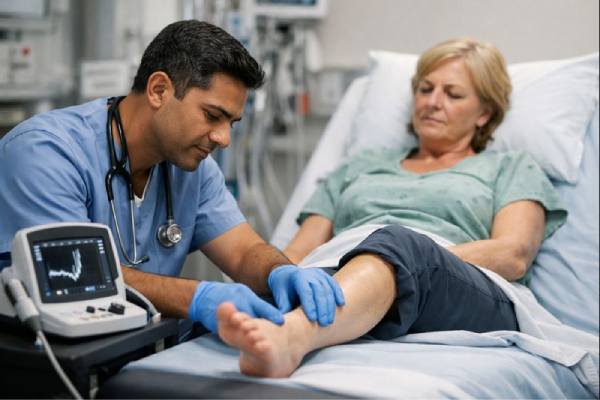
- Limb symptoms: bedside pulse checks plus vascular ultrasound or CT angiography to locate the blockage.
- Abdominal symptoms: CT angiography is often the fastest way to assess mesenteric blood flow.
- Kidney or spleen symptoms: contrast-enhanced CT often identifies the pattern of infarction.
These tests answer: Is there tissue at risk right now, and is there a treatable blockage?
Step 2: Find the source of the embolus
A focused source search commonly includes:
Heart rhythm assessment
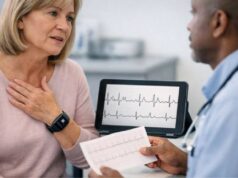
- Electrocardiogram right away
- Continuous monitoring in hospital
- Extended monitoring after discharge when atrial fibrillation is suspected but not yet proven
Heart structure assessment
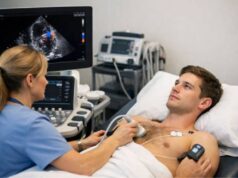
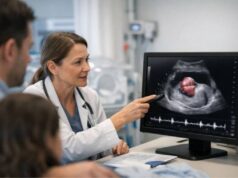
- Transthoracic echocardiography (standard ultrasound)
- Transesophageal echocardiography (closer view of valves and left atrial appendage) when clinicians need a better look for clots, valve infection, or high-risk anatomy
Artery assessment
- Imaging of carotid arteries and intracranial vessels for stroke
- Imaging of the aorta in selected patients, especially if recurrent events suggest aortic plaque
Infection evaluation when appropriate
- Blood cultures and inflammatory labs when endocarditis is a possibility (fever, murmur, prior valve disease, certain risk histories)
Clotting tendency evaluation
- Clinicians do not routinely run every thrombophilia test on every patient. Testing is usually targeted to the person’s age, event type, family history, cancer risk, and whether the result would change management.
When the source remains unclear
Some patients have an infarction pattern that strongly suggests an embolus, but standard tests don’t identify the origin. Clinicians may describe this as an “embolic-appearing” infarction or, in the brain, a category where minimum diagnostic steps are completed but a clear cause is not found. In those cases, the focus shifts to:
- Making sure the evaluation is complete (especially rhythm monitoring)
- Avoiding premature assumptions
- Choosing prevention that fits the most likely mechanisms without raising avoidable bleeding risk
If you want a quick mental model, think “location first, source second”—because the first minutes to hours are about saving tissue, while the next days are about preventing recurrence.
Acute treatment: restoring blood flow safely
Acute treatment for embolic infarction is about three priorities: stabilize the person, restore blood flow when appropriate, and prevent immediate complications. The exact plan depends on the organ involved, the time since symptom onset, and bleeding risk.
Brain: time-sensitive stroke care
For suspected stroke, emergency systems aim to move fast because treatments are most effective early.
- Clot-dissolving therapy (thrombolysis): In selected patients with ischemic stroke, intravenous thrombolysis is generally time-limited (often within hours from last known well). Clinicians must first rule out bleeding and consider contraindications.
- Mechanical thrombectomy: For large-vessel occlusions, endovascular clot removal can dramatically improve outcomes in eligible patients, with the best results early and selected benefit even later when imaging shows salvageable brain tissue.
- Supportive care: Managing oxygenation, glucose, temperature, and blood pressure targets; preventing aspiration; and treating swelling when it occurs.
A key embolic nuance: when atrial fibrillation is the suspected source, clinicians often delay full anticoagulation until they understand infarct size and bleeding risk, because large strokes can bleed during the healing phase.
Limbs: preventing irreversible damage
Acute limb ischemia is a “hours matter” emergency. Typical steps include:
- Rapid assessment of limb viability (pain, sensation, motor function, pulses).
- Anticoagulation (often heparin) unless contraindicated to prevent clot propagation.
- Revascularization planning: catheter-based thrombectomy/thrombolysis or surgical embolectomy, depending on severity and location.
Intestines: mesenteric ischemia
This is high risk because bowel tissue can die quickly. Management may involve:
- Immediate resuscitation and broad monitoring
- CT angiography-guided decisions
- Endovascular or surgical revascularization, plus surgery if necrotic bowel is suspected
- Antibiotics when bowel injury raises infection risk
When infection is the cause
If emboli come from infective endocarditis, the priorities shift:
- Start appropriate antibiotics promptly after blood cultures
- Evaluate for surgery when there is valve dysfunction, uncontrolled infection, or recurrent embolization
- Avoid certain interventions that increase bleeding risk in the brain, depending on the clinical scenario
A practical “first day” checklist
Across organs, the first 24 hours often include:
- Confirm diagnosis and vascular anatomy
- Stabilize airway/breathing/circulation
- Decide on revascularization vs. supportive management
- Start the right prevention pathway (antiplatelet vs. anticoagulation) when safe
- Begin source investigation so prevention starts before discharge
Long-term prevention and living with risk
After an embolic infarction, the most important outcome isn’t only recovery from the first event—it’s preventing the second. Prevention works best when it matches the source. That usually means choosing between antiplatelet therapy (to prevent platelet-rich clots from plaques) and anticoagulation (to prevent fibrin-rich clots from the heart or venous system), while also treating the underlying conditions that make emboli likely.
Source-based prevention strategies
If the source is atrial fibrillation or another high-risk heart condition
- Long-term anticoagulation is often the cornerstone, chosen based on stroke risk and bleeding risk.
- Rhythm and rate management reduce symptoms and may reduce triggers, but anticoagulation decisions usually hinge on risk scoring rather than symptoms alone.
If the source is artery plaque (carotid or aorta)
- Antiplatelet therapy is commonly used.
- Intensive risk-factor control matters as much as the pill: blood pressure, cholesterol lowering, diabetes control, and smoking cessation.
If the source is a valve infection
- Completing antibiotic therapy exactly as prescribed is prevention.
- Follow-up imaging and, when needed, surgery reduce recurrent embolic risk.
If the event may have been a paradoxical embolus
- Clinicians focus on preventing venous clots (mobility, compression decisions, anticoagulation in selected patients) and evaluating the heart pathway when it would change management.
Everyday habits that reduce repeat risk
Even with perfect medications, lifestyle factors can raise risk if ignored:
- Movement: Aim for a consistent routine; many people do well targeting about 150 minutes per week of moderate activity once cleared by their clinician.
- Diet pattern: Favor unsalted or lightly salted whole foods, with plenty of fiber-rich plants and lean protein sources.
- Hydration: Dehydration can thicken blood and trigger events, especially during illness, travel, or heat.
- Sleep and alcohol: Poor sleep and heavy drinking can trigger atrial fibrillation episodes in some people.
- Medication reliability: Missed anticoagulant doses are a common, preventable cause of recurrence.
Follow-up that protects you
Long-term care often includes:
- Rhythm surveillance when atrial fibrillation is suspected but not yet documented
- Medication monitoring (kidney function, bleeding signs, interactions)
- Rehab plans after brain or limb injury
- Repeat vascular or cardiac imaging when clinical changes occur
When to seek urgent care
Call emergency services for:
- Sudden face droop, arm weakness, speech trouble, severe imbalance, or one-eye vision loss
- New severe chest pain, severe breathlessness, or fainting
- Sudden cold, painful, numb, or weak limb
- Severe abdominal pain, especially with vomiting or bloody stools
- Any significant bleeding while on antiplatelets or anticoagulants
If you are living with ongoing risk, a simple rule helps: treat sudden changes as emergencies, and treat gradual decline as a reason to call your clinician soon—not later.
References
- 2021 Guideline for the Prevention of Stroke in Patients With Stroke and Transient Ischemic Attack: A Guideline From the American Heart Association/American Stroke Association 2021 (Guideline)
- 2024 Guideline for the Primary Prevention of Stroke 2024 (Guideline)
- 2023 ACC/AHA/ACCP/HRS Guideline for the Diagnosis and Management of Atrial Fibrillation 2024 (Guideline)
- 2023 ESC Guidelines for the management of endocarditis 2023 (Guideline)
Disclaimer
This article is for educational purposes only and does not provide medical advice, diagnosis, or treatment. Embolic infarction can be life-threatening, and outcomes depend strongly on how quickly you receive appropriate emergency care. If you or someone near you has sudden neurologic symptoms, severe chest pain, sudden limb pain/coldness/weakness, severe abdominal pain, or significant bleeding—especially while taking blood thinners—seek emergency care immediately. For personalized guidance, consult a qualified clinician who can interpret your symptoms, imaging, medical history, and medications.
If this article helped you, please share it on Facebook, X (formerly Twitter), or any platform you prefer, and follow us on social media. Your support through sharing helps our team continue producing reliable health content.