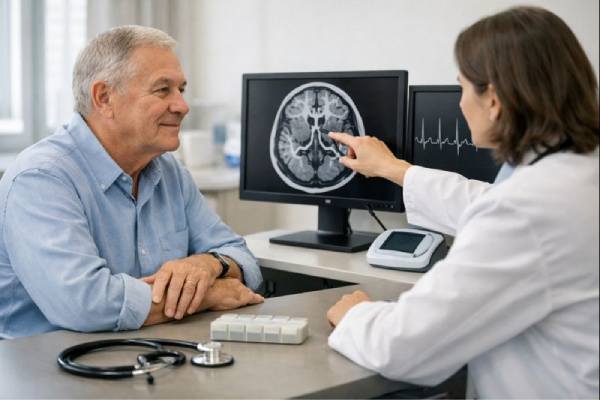
An embolic stroke happens when a clot or debris travels through the bloodstream and suddenly blocks an artery in the brain. Stroke means “brain injury from interrupted blood flow.” The change is often instant: a person may be speaking normally one moment and unable to move an arm or form words the next.
Embolic strokes matter because they are both urgent and, in many cases, preventable. The most common source is the heart—especially an irregular rhythm such as atrial fibrillation—followed by unstable plaque in large arteries like the carotids. Quick treatment can save brain tissue, and long-term treatment can stop the next clot from forming.
This guide explains what embolic stroke is, how to recognize it fast, which tests clinicians use to find the source, and how emergency care, rehabilitation, and prevention work together.
Table of Contents
- What is an embolic stroke?
- What causes embolic stroke?
- First symptoms and possible complications
- How embolic stroke is diagnosed
- Treatment: what works and when
- Prevention, recovery, and when to seek help
What is an embolic stroke?
An embolic stroke is a type of ischemic stroke—meaning it happens because blood cannot reach part of the brain. The key detail is where the blockage comes from. In an embolic stroke, the blockage forms somewhere else (often the heart or a large artery), breaks loose, and travels until it lodges in a smaller brain artery.
The brain runs on constant oxygen and glucose delivery. When an artery closes, two zones develop:
- Core: the center area with the least blood flow. Cells here can die quickly.
- Penumbra: the surrounding “at-risk” area that is injured but still salvageable if blood flow returns in time.
This is why speed is not just a slogan. Many modern stroke treatments focus on reopening the vessel before the penumbra becomes permanent injury.
How embolic strokes tend to behave
Embolic strokes often have a sudden, clear start. People may remember the exact minute things changed—speech became slurred, an arm went weak, vision disappeared in one eye, or balance collapsed. Emboli can also fragment, creating multiple small blockages. On imaging, clinicians sometimes see a pattern that suggests a traveling source: infarcts in more than one brain territory or infarcts that affect the brain’s outer surface (the cortex).
A major subset is cardioembolic stroke, meaning the clot came from the heart. Atrial fibrillation is the classic cause because blood can pool and clot in the atrium when the rhythm is irregular. Other cardiac causes include recent heart attack with a clot inside the heart, diseased or artificial valves, and—in rarer cases—infected valve growths.
Another subset is artery-to-artery embolism, where a clot forms on a plaque in the carotid artery or aorta and then breaks off into the brain.
Why the label matters
Calling a stroke “embolic” is not just descriptive—it changes prevention. If the source is the heart, long-term anticoagulation may prevent recurrence. If the source is artery plaque, antiplatelet therapy and plaque-focused treatment are usually the priority. The best outcomes come from treating the stroke quickly and then matching prevention to the most likely source.
What causes embolic stroke?
Embolic stroke happens when a traveling blockage reaches the brain. The practical question is: What created that blockage? Clinicians group causes into a few high-yield categories because each points to a different prevention plan.
1) Heart-related sources (cardioembolism)
These are common and often require anticoagulation:
- Atrial fibrillation or flutter: the most frequent cause of cardioembolic stroke in adults.
- Recent heart attack: damaged heart muscle can form a clot that later embolizes.
- Severely reduced heart pumping: slow flow can encourage clot formation in selected patients.
- Heart valve disease or prosthetic valves: risk varies by valve type and condition.
- Infective endocarditis: infected valve material can break off; this is a special case because infection changes treatment choices.
2) Large-artery plaque (artery-to-artery embolism)
A plaque in the carotid arteries or aorta can become unstable, form a clot on its surface, and shed emboli. This is more likely when someone has:
- Long-standing high blood pressure
- Diabetes or high cholesterol
- Smoking history
- Known carotid narrowing or widespread atherosclerosis
3) Paradoxical embolism (vein to artery)
Sometimes a clot starts in the veins—often in the legs—and crosses into the arterial system through a heart-level passage (such as a patent foramen ovale). This is more likely when venous clot risk is high, for example after surgery, prolonged immobility, active cancer, or pregnancy/postpartum.
4) “Embolic-appearing” stroke with no clear source
Even after thorough testing, some strokes look embolic but the source remains uncertain. Clinicians may use terms like “stroke of undetermined source” while continuing focused evaluation, especially for intermittent atrial fibrillation that can be hard to catch.
Risk factors that raise overall embolic risk
The causes above sit on a foundation of common risk factors that increase clotting tendency or vessel disease:
- Age, high blood pressure, diabetes, high LDL cholesterol
- Smoking and heavy alcohol use
- Obesity and low physical activity
- Sleep apnea (often missed but relevant)
- Prior stroke or transient ischemic attack
- Known heart disease, especially rhythm problems
A practical insight is that embolic strokes often have two layers of risk: a long-term source (like atrial fibrillation or carotid plaque) and a short-term trigger (dehydration, infection, missed anticoagulant doses). Prevention works best when it addresses both.
First symptoms and possible complications
Embolic stroke symptoms usually appear suddenly and match the brain area that lost blood flow. Because the right response is time-critical, it helps to know the classic warning signs—and the less obvious ones.
Common “FAST” symptoms
Many embolic strokes announce themselves with one or more of the following:
- Face: drooping on one side, uneven smile
- Arm: sudden weakness or numbness in one arm (or leg)
- Speech: slurred speech, trouble finding words, inability to understand language
- Time: urgent emergency response is needed
People also use “BE-FAST” to include:
- Balance: sudden trouble walking, severe dizziness, new clumsiness
- Eyes: sudden vision loss in one eye or loss of half the visual field
Symptoms that can be missed
Some embolic strokes affect the back of the brain (posterior circulation). These can look like “just dizziness” or “a stomach bug” at first. Concerning features include:
- Sudden severe imbalance with inability to stand or walk
- Double vision, trouble swallowing, hoarse voice
- New severe headache with neurologic symptoms
- Sudden confusion or unusual behavior change
Even if symptoms fade within minutes, it may be a transient ischemic attack. That is not “nothing”—it is a warning that the next event could be larger.
Early complications
In the first hours to days, clinicians watch for problems that can worsen outcomes:
- Brain swelling: more common with larger strokes; can raise pressure and reduce consciousness.
- Bleeding into the infarct (hemorrhagic transformation): risk depends on stroke size, blood pressure, and reperfusion timing.
- Aspiration pneumonia: swallowing changes can cause food or saliva to enter the lungs.
- Deep vein thrombosis and pulmonary embolism: immobility raises risk, especially without early movement and prevention measures.
- Seizures: can occur early or later, depending on the stroke location.
Longer-term complications
Weeks to months later, people may face:
- Persistent weakness, speech problems, or visual deficits
- Fatigue and reduced stamina that can feel out of proportion
- Depression, anxiety, and cognitive slowing
- Shoulder pain, spasticity, and balance injuries from falls
A helpful perspective is to treat recovery as both medical and practical. The brain can improve for months, but progress is fastest when therapy starts early and continues consistently. The prevention plan matters just as much: the highest risk of a second stroke is often in the early period after the first event.
How embolic stroke is diagnosed
Diagnosis follows a simple logic: confirm it is a stroke, determine whether it is bleeding or blockage, identify the blocked vessel if possible, and then search for the embolic source. Many of these steps happen in parallel in an emergency setting.
Immediate assessment in the emergency department
Clinicians start by establishing:
- When the person was last known well
- Current symptoms and neurologic exam findings
- Blood pressure, oxygen level, blood sugar, temperature
- Medications, especially anticoagulants or antiplatelets
- Recent surgery, bleeding history, or head injury
Time matters because certain treatments are only safe within defined windows and require imaging confirmation.
Brain imaging: rule out bleeding first
Most people receive a non-contrast CT scan quickly to:
- Exclude brain hemorrhage
- Look for early signs of ischemia
- Identify large established infarcts that may change treatment choices
If the team suspects a large vessel blockage, CT angiography is often added to map the arteries from the neck through the brain. Some centers use perfusion imaging to estimate how much brain is already infarcted versus still salvageable, which can guide decisions when symptom onset time is uncertain.
MRI can be especially sensitive for early ischemic injury and can help confirm small infarcts or posterior circulation strokes that are harder to see on CT in the earliest phase.
Testing to find the embolic source
Once the person is stabilized, the workup typically includes:
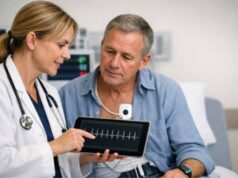
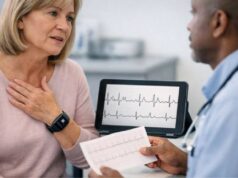
- Heart rhythm evaluation: ECG and continuous monitoring; longer-term monitoring when intermittent atrial fibrillation is suspected.
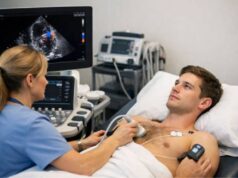
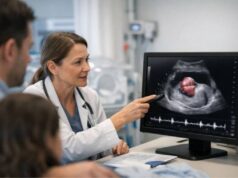
- Echocardiography: a standard ultrasound of the heart to assess valves, pumping function, and visible clots; a closer-view study may be used when clinicians need more detail.
- Artery imaging: carotid ultrasound, CT angiography, or MR angiography to look for plaque, narrowing, or dissection.
- Blood tests: blood counts, kidney function, cholesterol, diabetes markers, and clotting studies when relevant.
- Infection evaluation when indicated: blood cultures and targeted tests if fever, a new murmur, or other clues suggest endocarditis.
Separating stroke from “mimics”
Some conditions can resemble stroke, such as seizures, migraines, low blood sugar, infections, and certain medication effects. The goal is not to delay treatment by debating possibilities—it is to use rapid imaging and targeted tests to confirm the diagnosis and proceed safely.
A practical tip: if stroke is suspected, do not self-triage at home. Emergency systems are designed to evaluate quickly and direct patients to treatments that can only be offered in specialized settings.
Treatment: what works and when
Embolic stroke treatment has two phases: acute care to rescue threatened brain tissue, and secondary prevention to stop recurrence. The acute phase is where minutes matter most.
Acute reperfusion: reopening the blocked artery
If imaging confirms an ischemic stroke and the person meets criteria, clinicians may use:
- Intravenous thrombolysis: “clot-busting” medication given through an IV within a time window and after safety checks. It is not appropriate for everyone, especially when bleeding risk is high or symptom onset is uncertain without supportive imaging.
- Mechanical thrombectomy: catheter-based removal of a clot from a large brain artery. This is most effective for large vessel occlusions and has transformed outcomes for many patients who previously faced severe disability. Eligibility depends on vessel location, symptom severity, imaging findings, and time from onset (or imaging-based evidence of salvageable tissue).
Supportive measures during acute care are not minor details. Teams manage oxygen, glucose, fever, and blood pressure targets, treat swallowing problems early, and prevent complications from immobility.
Antithrombotic therapy: antiplatelet vs anticoagulation
After the acute phase, clinicians choose medications based on the likely source:
- Antiplatelet therapy is commonly used when artery plaque is the main concern.
- Anticoagulation is usually favored for atrial fibrillation and other high-risk cardiac sources.
Timing is crucial, especially after a larger stroke. Starting anticoagulation too early may increase bleeding risk into the damaged brain tissue, while delaying too long can leave a person exposed to recurrent emboli. Clinicians often use stroke size, imaging appearance, blood pressure control, and individual bleeding risk to guide timing rather than using a one-size rule.
Treating the source
Source treatment may include:
- Rhythm and anticoagulation management for atrial fibrillation
- Carotid procedures in selected patients with significant symptomatic carotid narrowing
- Infection-directed antibiotics and specialized management if endocarditis is present
- Closing a heart-level passage in carefully selected cases when paradoxical embolism is strongly suspected and alternative causes have been ruled out
Rehabilitation: treatment that continues after discharge
Recovery often depends on starting rehab early and keeping it consistent. Stroke rehabilitation may include:
- Physical therapy for walking, balance, and strength
- Occupational therapy for daily tasks, vision strategies, and arm function
- Speech-language therapy for communication and swallowing
- Cognitive and mood support, including treatment for depression and sleep problems
A practical insight is to treat discharge as a transition, not an endpoint. The first weeks after an embolic stroke are when the prevention plan is built, medications are adjusted, and functional gains can accelerate with steady therapy.
Prevention, recovery, and when to seek help
Preventing a second embolic stroke is often the most important long-term goal. Prevention is strongest when it matches the cause and is supported by daily habits that reduce triggers.
Medication adherence is prevention
For many people, the biggest risk is not the “wrong” medication—it is missed doses. This is especially true for anticoagulants used for atrial fibrillation. Helpful strategies include:
- Taking medications at the same time daily
- Using a weekly pill organizer and phone reminders
- Asking for simplified dosing when possible
- Informing clinicians about side effects early rather than stopping abruptly
If you take anticoagulants, learn the practical red flags for bleeding (black stools, vomiting blood, prolonged nosebleeds, large unexplained bruises, or sudden severe headache) and seek urgent advice when they occur.
Risk factor control that moves the needle
Long-term stroke prevention typically includes:
- Blood pressure control: consistent control is one of the strongest stroke preventers.
- Cholesterol lowering: often with a statin; dose and targets depend on risk profile.
- Diabetes management: steady glucose control reduces vascular injury over time.
- Smoking cessation: stopping reduces risk quickly and meaningfully.
- Regular activity: many people aim toward about 150 minutes per week of moderate movement after medical clearance, building gradually.
- Sleep quality: treating sleep apnea and prioritizing sleep can improve blood pressure and rhythm stability.
Diet changes do not need to be perfect to be effective. A practical approach is to reduce ultra-processed foods, increase fiber-rich plants, and keep salt intake consistent—especially if blood pressure is a challenge.
Living with embolic risk
Certain situations raise short-term risk and deserve planning:
- Illness with dehydration: drink fluids as tolerated and seek early care if you cannot keep liquids down.
- Travel and long sitting: move regularly and follow clinician guidance, especially if you have clot history.
- Alcohol binges and stimulant use: can trigger atrial fibrillation and raise stroke risk.
- New palpitations or fainting: may signal rhythm problems that need urgent evaluation.
Follow-up visits are not busywork. They are where clinicians confirm the cause, adjust medications, check rhythm monitoring results, and fine-tune prevention.
When to seek urgent or emergency care
Call emergency services immediately for:
- Face droop, arm weakness, speech trouble, sudden confusion
- Sudden one-eye vision loss, severe imbalance, or inability to walk
- Sudden severe headache with neurologic symptoms
- Significant bleeding while on antithrombotics
Also seek urgent care for “near-miss” episodes—symptoms that resolve within minutes—because they can be warning shots for a larger embolic stroke. Quick evaluation can prevent permanent injury.
References
- 2021 Guideline for the Prevention of Stroke in Patients With Stroke and Transient Ischemic Attack: A Guideline From the American Heart Association/American Stroke Association 2021 (Guideline)
- 2024 Guideline for the Primary Prevention of Stroke 2024 (Guideline)
- 2023 ACC/AHA/ACCP/HRS Guideline for the Diagnosis and Management of Atrial Fibrillation 2024 (Guideline)
- European Stroke Organisation (ESO) guidelines on intravenous thrombolysis for acute ischaemic stroke 2021 (Guideline)
- Large-Core Ischemic Stroke Endovascular Treatment 2024 (Scientific Statement)
Disclaimer
This article is for educational purposes only and does not provide medical advice, diagnosis, or treatment. Embolic stroke is a medical emergency, and outcomes depend heavily on how quickly a person receives appropriate evaluation and time-sensitive treatment. If you or someone nearby develops sudden weakness, speech trouble, vision loss, severe imbalance, or confusion, call emergency services immediately. For personalized recommendations—especially about anticoagulants, antiplatelets, blood pressure targets, and procedure decisions—consult a qualified clinician who can review your medical history, imaging, and medications.
If you found this article useful, please share it on Facebook, X (formerly Twitter), or any platform you prefer, and follow us on social media. Your support through sharing helps our team continue producing reliable health content.