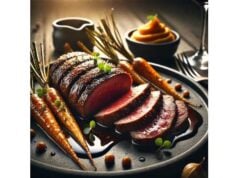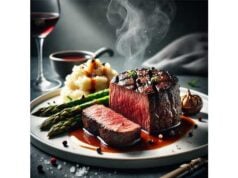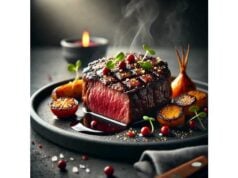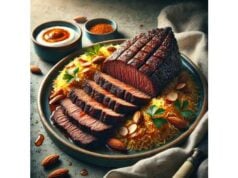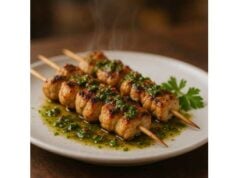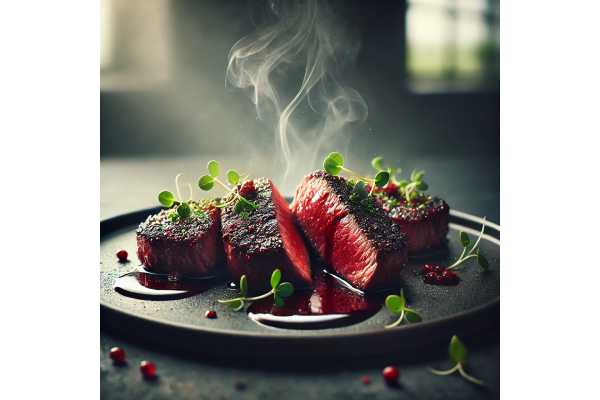
Emu is a lean, dark red meat from a large flightless bird native to Australia. It cooks and eats more like beef than poultry, yet it’s naturally lower in total fat and rich in iron, zinc, and vitamin B12. Many diners choose emu for its clean, mildly beefy flavor; chefs prize it because steaks stay tender with quick, high-heat cooking. For athletes and anyone watching saturated fat, emu offers concentrated, high-quality protein with little marbling. It’s also a versatile choice: sear steaks, grind for burgers, or dice into quick sautés and stir-fries. Because emu is often pasture-raised and harvested at older ages than broiler poultry, cuts can be larger and recipes forgiving. Still, technique matters—overcooking dries it out. Below, you’ll find a practical, evidence-based guide to emu’s nutrition, benefits, safety, and everyday uses, with clear tables and step-by-step cooking tips. Whether you’re tasting emu for the first time or looking to expand a high-protein menu, this guide will help you buy well, cook confidently, and enjoy it as part of a balanced diet.
At a Glance
- Lean, high-protein red meat with notable iron, zinc, and vitamin B12 per 100 g.
- Cook whole cuts just to medium-rare to medium for tenderness; cook ground emu thoroughly.
- A typical serving is 100–150 g cooked, up to 2–3 times per week within an overall balanced diet.
- People with hemochromatosis or gout should limit frequency and portion size.
- Verify sourcing; choose farmed emu from audited producers for quality and welfare.
Table of Contents
- Emu Meat: Detailed Overview
- Emu Nutrition Profile (per 100 g)
- Evidence-Based Benefits of Emu
- Emu Risks, Allergies and Interactions
- Selecting Emu: Quality, Sustainability and Storage
- Cooking Emu and Nutrient Retention
- Portions, Comparisons and FAQs
Emu Meat: Detailed Overview
Emu (Dromaius novaehollandiae) is a ratite, the same family as ostrich. Despite being a bird, emu meat is classified and sold as a red meat because of its myoglobin content and beef-like flavor. Cuts you’ll see most often include fan fillet (from the thigh), flat fillet, inside drums, top loin, and full rump. These muscles are active but relatively low in intramuscular fat, so emu is characteristically lean, with tight grain and a soft bite when cooked to medium-rare or medium.
Flavor and texture. Well-raised emu tastes clean and slightly sweet, somewhere between grass-fed beef and venison but without the gamey edges. Because the muscle fiber is long and uniform, steaks slice neatly and do well with quick, high-heat methods—pan-searing, grilling, or air-searing. Ground emu forms juicy burgers with minimal shrinkage if you avoid overcooking and mix in a little moisture-holding ingredient (finely minced onion or a splash of broth).
Nutrition at a glance. Emu is prized for high protein per calorie, very low total fat, and meaningful amounts of iron, zinc, selenium, and B vitamins (especially B12 and niacin). Compared with 90% lean beef, nicely trimmed emu often contains less total fat per cooked 100 g while maintaining robust micronutrients, which is why it shows up on performance and clinical nutrition menus.
How it’s raised. In North America and Europe, commercial emu are farmed on pasture with supplemental feed. The birds store most fat subcutaneously and in depots separate from the prime muscles, so butchers can trim cuts very lean. Farming systems influence fat profile and flavor: diets richer in forages and oilseeds can slightly shift fatty acid composition.
Culinary positioning. Use emu anywhere you’d use lean beef steak or medallions: fajitas, grain bowls, steak salads, pepper steak, and quick pastas. Cubes excel in skewers and stir-fries. The mild flavor takes marinades well—think black pepper and garlic, balsamic and rosemary, or soy, ginger, and scallion. Because it’s lean, the margin between tender and dry is smaller than highly marbled beef; careful doneness is the key.
Labeling to know. Look for “emu steak,” specific cut names, and indications like “pasture-raised” or “no added hormones” (hormone use is restricted/regulated by region). Packaging dates and storage guidance matter because lean red meats can be sensitive to oxidation; choose vacuum-sealed steaks with a deep, even crimson color.
Emu Nutrition Profile (per 100 g)
Reference food: cooked, broiled emu fan fillet. Values vary by cut, farming, and cooking method. DVs use adult reference values; “—” indicates no established %DV.
Macros and Electrolytes
| Nutrient | Amount (per 100 g) | %DV |
|---|---|---|
| Energy | 154 kcal | — |
| Protein | 31.3 g | 62.6% |
| Total Fat | 2.35 g | 3.0% |
| Saturated Fat | 0.59 g | 2.9% |
| Carbohydrate | 0 g | 0% |
| Sodium | 53 mg | 2.3% |
| Potassium | 397 mg | 8.4% |
| Phosphorus | 272 mg | 21.8% |
| Cholesterol | 82 mg | — |
Fats and Fatty Acids
| Fatty Acid Category | Amount (per 100 g) |
|---|---|
| Monounsaturated Fat | ~0.92 g |
| Polyunsaturated Fat | ~0.32 g |
| Omega-6 (approx.) | ~0.24 g |
| Omega-3 (approx.) | ~0.01 g |
| Arachidonic Acid (20:4 n-6) | ~0.06 g |
| Saturated Fat (detailed) | ~0.59 g total |
Vitamins
| Vitamin | Amount (per 100 g) | %DV |
|---|---|---|
| Vitamin B12 (cobalamin) | 9.41 µg | 392% |
| Niacin (B3) | 9.76 mg | 61% |
| Vitamin B6 (pyridoxine) | 0.92 mg | 54% |
| Riboflavin (B2) | 0.60 mg | 46% |
| Thiamin (B1) | 0.35 mg | 29% |
| Folate (DFE) | 8 µg | 2% |
| Vitamin E (alpha-tocopherol) | 0.24 mg | 2% |
Minerals
| Mineral | Amount (per 100 g) | %DV |
|---|---|---|
| Iron | 4.59 mg | 25.5% |
| Zinc | 3.18 mg | 28.9% |
| Selenium | 46.1 µg | 83.9% |
| Magnesium | 30 mg | 7.1% |
| Potassium | 397 mg | 8.4% |
| Phosphorus | 272 mg | 21.8% |
| Calcium | ~6 mg | 0% |
Protein and Amino Acids (selected essential amino acids)
| Amino Acid | Amount (per 100 g) |
|---|---|
| Leucine | ~1,726 mg |
| Lysine | ~1,840 mg |
| Isoleucine | ~1,016 mg |
| Valine | ~1,041 mg |
| Threonine | ~896 mg |
| Methionine | ~593 mg |
| Tryptophan | ~207 mg |
| Histidine | ~685 mg |
| Phenylalanine | ~892 mg |
Allergens and Intolerance Markers
There are no well-established emu-specific allergenic proteins; however, red meat allergy (alpha-gal syndrome) can affect some individuals after tick exposure. People with that condition may react to emu similar to beef or lamb.
Glycemic and Acid–Base Metrics
Emu contains 0 g carbohydrate per 100 g and has a negligible glycemic impact. Like other meats, it is acid-forming in PRAL models; pair with potassium-rich vegetables.
Note: Analytical values differ across cuts and cooking levels. The figures above reflect cooked fan fillet; raw values are lower per 100 g due to water content differences, while dry-heat cooking concentrates nutrients.
Evidence-Based Benefits of Emu
High-quality protein with excellent density. Emu delivers over 30 g of complete protein per cooked 100 g, including all essential amino acids. That density supports muscle protein synthesis in active adults and helps preserve lean mass during weight loss. The leucine content—often cited as a “trigger” for muscle building—compares well with lean beef and venison, giving emu a place in recovery meals alongside eggs, dairy, and fish.
Rich source of bioavailable micronutrients. Emu stands out for vitamin B12 and heme iron. A 100 g portion can exceed three times the daily value for B12 and supplies about a quarter of the iron DV, supporting red blood cell production, neurological health, and energy metabolism. The zinc and selenium combination supports immune defenses and antioxidant enzyme systems (e.g., glutathione peroxidase).
Lower total fat and saturated fat than many red meats. Because emu stores much of its fat outside prime muscles, trimmed steaks are naturally lean. That means you can build high-protein meals with modest total fat and relatively little saturated fat without aggressive trimming. For diners managing cholesterol or total calorie targets, emu provides flexibility.
Versatility for cardiometabolic patterns. Emu fits into Mediterranean-style, DASH-like, and performance nutrition patterns when paired with fiber-rich vegetables, legumes, and whole grains. Its mild taste makes it an easy swap for beef in quick meals—grain bowls, tacos, and stir-fries—keeping variety high while limiting processed meats.
Functional culinary performance. Emu’s fine grain and low connective tissue mean fast, flavorful cooking. Searing 2–3 cm medallions to medium, then resting briefly, yields tender slices that pair with acidic sauces (citrus, balsamic, tomato) to brighten flavor while aiding iron absorption from plant sides.
Sustainability signals. While impacts vary by farm, emu are efficient converters of feed to meat, and producers often raise them on pasture with low antibiotic use. The primary edible fat is rendered separately for non-food uses (e.g., skincare), minimizing waste. When you buy from audited farms, you support diversified livestock systems that can coexist with perennial forage.
Athlete and active-lifestyle applications. For endurance and team-sport athletes, emu offers iron and B12 without heavy meals. Post-training plates can center emu medallions, roasted potatoes, and leafy greens for iron plus vitamin C to assist absorption.
Emu Risks, Allergies and Interactions
Doneness and food safety. As with any meat, use a thermometer. Whole cuts of red meat are typically cooked to 63 °C (145 °F) followed by a short rest for safety and quality; ground meats are cooked thoroughly to 71 °C (160 °F). For households that prefer well-done steaks, add moisture (pan sauces) and slice thinly across the grain to offset dryness.
Cross-contamination. Keep raw emu separate from ready-to-eat foods. Sanitize cutting boards, knives, and hands after handling raw meat. Thaw in the refrigerator on a tray to capture juices, not on the counter.
Allergy considerations. Classic poultry allergy is uncommon with emu because its proteins differ from chicken and turkey; however, alpha-gal syndrome (a tick-associated red meat allergy) can involve reactions to mammalian meats and sometimes to other red meats. Anyone with suspected food allergy should consult a clinician for testing and personalized guidance.
Iron overload and gout. Emu’s heme iron benefits many people but can be excessive for those with hereditary hemochromatosis; limit portion sizes and frequency under medical advice. Like all high-purine meats, Emu can contribute to uric acid load; if you have gout or hyperuricemia, keep portions modest and balance with low-purine meals.
Medication interactions. High-iron meals can reduce absorption of certain thyroid medications and some antibiotics when taken simultaneously. If you take these, separate the dose from iron-rich meals by several hours as directed by your prescriber.
Choking hazards and bones. Emu steaks and ground meat are boneless, but if you prepare bone-in segments from specialty butchers, be mindful of small bone fragments.
Processed emu products. Smoked, cured, or highly seasoned emu sticks and jerky may contain added sodium and nitrites. Enjoy them in moderation and read labels if you’re limiting salt.
Who should limit or avoid.
- People with hemochromatosis or very high ferritin.
- Individuals with active gout flares or high uric acid.
- Anyone on strict low-iron or low-purine medical nutrition therapy.
Selecting Emu: Quality, Sustainability and Storage
What to look for at purchase. Choose steaks that are uniformly deep red with fine, dense grain. Vacuum-sealed cuts should show minimal purge (liquid in the package). Avoid packages with gray or brown patches or a sour odor upon opening. If buying fresh, ask the butcher to identify the cut (fan fillet, flat fillet, inside drums) and trimming level.
Labels and sourcing. Prefer producers who publish farm standards (pasture access, audited welfare, no routine antibiotics). In specialty markets, some farms participate in third-party audits; look for those logos. When possible, buy from processors who age emu briefly under refrigeration to improve tenderness.
Storage and shelf life.
- Refrigerator (≤4 °C / 40 °F): Use fresh steaks within 3–5 days; ground emu within 1–2 days.
- Freezer (≤-18 °C / 0 °F): Freeze steaks up to 6–12 months and ground emu up to 3–4 months for best quality. Wrap tightly in freezer paper or use vacuum sealing to limit oxidation.
- Thawing: Thaw in the refrigerator—allow ~12–24 hours per 1–2 steaks. For faster thawing, submerge sealed packages in cold water, changing water every 30 minutes, then cook promptly.
Avoiding off-flavors. Lean red meats can oxidize during long storage. Limit oxygen exposure: keep packages sealed, avoid repeated freeze-thaw cycles, and store away from light. When freezing, exclude as much air as possible and label dates.
Sustainability pointers. Emu farming can integrate with perennial pastures and mixed operations. Seek local or regional farms to reduce transport emissions. Ask about on-farm rendering and by-product use; emu fat is often rendered for non-food products, reducing waste. Choosing whole muscles over highly processed items generally lowers packaging and ingredient footprints.
Fraud and authenticity. In some markets, mislabeled red meats can occur. Buying from trusted retailers reduces risk. If you source in bulk or for food service, consider suppliers who verify species identity using spectral or DNA methods as part of quality assurance.
Batch prep and food safety at home. If meal prepping, chill cooked emu quickly in shallow containers. Store cooked portions at ≤4 °C and consume within 3–4 days; reheat leftovers to steaming hot before serving.
Cooking Emu and Nutrient Retention
General approach. Treat emu like extra-lean beef. Aim for medium-rare to medium for steaks and medallions; cook ground emu thoroughly. Because fat is low, manage heat carefully and build flavor with searing, aromatics, and finishing sauces.
Core methods for steaks and medallions (2–3 cm thick):
- Pat dry and season. Salt both sides 30–60 minutes ahead (or just before cooking). Add cracked pepper and optional garlic powder.
- Sear hot. Heat a heavy pan until nearly smoking. Add a thin film of high-heat oil. Sear 1½–2½ minutes per side.
- Finish and rest. Reduce heat, add a knob of butter or a splash of broth to glaze, then rest 3–5 minutes. Target a warm pink center for tenderness.
- Slice across the grain. This shortens muscle fibers for a softer chew.
Moisture and tenderness tricks.
- Marinades: Use acidic components (balsamic, citrus, yogurt) with herbs for 30–90 minutes to enhance juiciness and browning.
- Pan sauces: Deglaze with wine, broth, or balsamic; finish with mustard or butter for sheen.
- Compound butters: A slice of herbed butter on hot steaks adds richness without overcooking.
- Sous vide: 54–57 °C (130–135 °F) for 1–2 hours, then hard sear. This yields a uniform medium-rare and excellent moisture retention.
Ground emu (burgers, meatballs, chili).
- Mix-ins for juiciness: Minced onion, finely chopped mushrooms, or a tablespoon of olive oil per 500 g keep burgers moist.
- Cook thoroughly: Heat to a safe internal temperature, then add a sauce or melted cheese if desired to offset leanness.
- Flavor builders: Soy or tamari, Worcestershire, smoked paprika, and black pepper fit emu’s beef-like profile.
Maximizing nutrient retention.
- Short, high-heat searing preserves heat-sensitive B vitamins compared with prolonged braising.
- Avoid over-trimming cooked surfaces; the browned layer contains flavor and some micronutrients.
- Pair with vitamin C-rich sides (citrus salad, peppers, broccoli) to enhance non-heme iron absorption from plant foods served alongside.
- Mind the juices. Resting meat lets juices redistribute; slice on a board that captures them and spoon over the plate to retain water-soluble vitamins and minerals.
Food safety reminders. Always verify internal temperature with a thermometer, wash hands after handling raw meat, and keep hot foods hot and cold foods cold. When reheating leftovers, bring to steaming hot throughout.
Portions, Comparisons and FAQs
How much is a serving? For most adults, 100–150 g cooked emu (about a palm-sized steak) works well as the protein anchor for a meal. Active individuals with higher protein needs can scale to 150–200 g, balancing with vegetables and grains.
How does emu compare with beef, bison, and venison?
- Beef (sirloin, trimmed): Similar protein, typically higher total fat and saturated fat per 100 g.
- Bison: Also lean and high in iron; flavor is slightly sweeter and more robust.
- Venison: Often leaner still, with a stronger, “woodsy” flavor and fine grain.
- Chicken breast: Lean and high in protein but lower in iron and B12 than emu.
Is emu “healthier” than beef? It depends on your needs. If you’re aiming for lower total fat while keeping high protein and iron, emu has an advantage. If you need more monounsaturated fat or prefer familiar beef flavor, well-trimmed beef remains a solid choice.
Can I eat emu if I’m pregnant? Emu can be part of a balanced prenatal diet when fully cooked and handled safely. Because it’s iron-rich, it can help meet increased needs, but avoid undercooked meat and deli-style products that are not reheated.
What about kids and older adults? Tender, thin-sliced emu is easy to chew and nutrient-dense. Keep portions modest for toddlers and serve with soft sides. For older adults, emu’s protein density is useful for maintaining muscle; serve with fiber-rich vegetables to support digestive health.
Budget tips. Buy whole steaks and portion yourself; freeze extras. Consider inside drums or flat fillet for value—they’re excellent when sliced thin across the grain.
Meal ideas to try this week.
- Peppery emu medallions with balsamic-roasted Brussels sprouts and mashed sweet potatoes.
- Emu fajita bowls with onions, peppers, brown rice, and lime yogurt.
- Garlic-ginger emu stir-fry with snap peas and buckwheat soba.
- Seared emu steak salad with arugula, cherry tomatoes, shaved Parmesan, and lemon vinaigrette.
Suggested weekly frequency. Enjoy emu 1–3 times per week within an overall pattern rich in vegetables, legumes, whole grains, nuts, seeds, and fruit. Rotate proteins (fish, poultry, eggs, dairy, tofu, beans) for diversity.
References
- Cook to a Safe Minimum Internal Temperature 2024.
- Carcass traits and fat quality of breeding emu (Dromaius novaehollandiae) in Northern Japan 2022.
- A PLIN1 polymorphism is associated with fat production in male emus (Dromaius novaehollandiae) 2024.
- Nutritional Value of Meat and Meat Products and Their Role in Human Health 2024 (Review).
- Evaluating the Use of a Similarity Index (SI) Combined with near Infrared (NIR) Spectroscopy as Method in Meat Species Authenticity 2023.
Disclaimer
This guide is for general education and is not a substitute for personalized medical advice, diagnosis, or treatment. Nutrition needs and safety considerations vary by age, health status, medications, and goals. If you have a medical condition (e.g., iron overload, gout, food allergies) or take prescription drugs, consult a qualified healthcare professional or registered dietitian for guidance tailored to you. If you’re pregnant, immunocompromised, or cooking for young children or older adults, follow your public health authority’s food safety advice strictly.
If you found this article useful, please consider sharing it on Facebook, X (formerly Twitter), or your favorite platform. Your support helps us create more clear, practical nutrition guides.